
China Best Backflow Check Valve Manufacturers for Sale?

Time:2026-10-30 Author:Henry
0%

Choosing a China-based supplier for a Backflow Check Valve is not just a price comparison. The valve must suit the water system, operating pressure, flow requirements, and installation conditions. A poor match can create pressure loss or leave a cross-connection risk insufficiently controlled. Details matter: connection size, body material, test access, and service clearance.

The CDC’s 2015–2020 drinking-water outbreak surveillance recorded 214 outbreaks, 2,140 illnesses, 88 hospitalizations, and 45 deaths. These figures cover reported drinking-water outbreaks broadly; they do not show that backflow caused every event. The U.S. EPA’s Cross-Connection Control Manual provides technical guidance on identifying and managing cross-connections. Together, these sources underscore why buyers should check design documentation, test reports, traceability, and maintenance instructions—not rely on a catalog image.

A trustworthy comparison should examine applicable product standards, independent test evidence, material specifications, warranty terms, and the manufacturer’s ability to support installation and maintenance. Ask for clear model-specific documents. Check that stated test conditions match the intended application. Small omissions can matter.

I cannot verify an exact quotation from a named Backflow Check Valve specialist from the material provided, so I will not invent one. That limitation is worth stating. The following guide focuses on evidence buyers can request when evaluating Chinese manufacturers and products for sale.
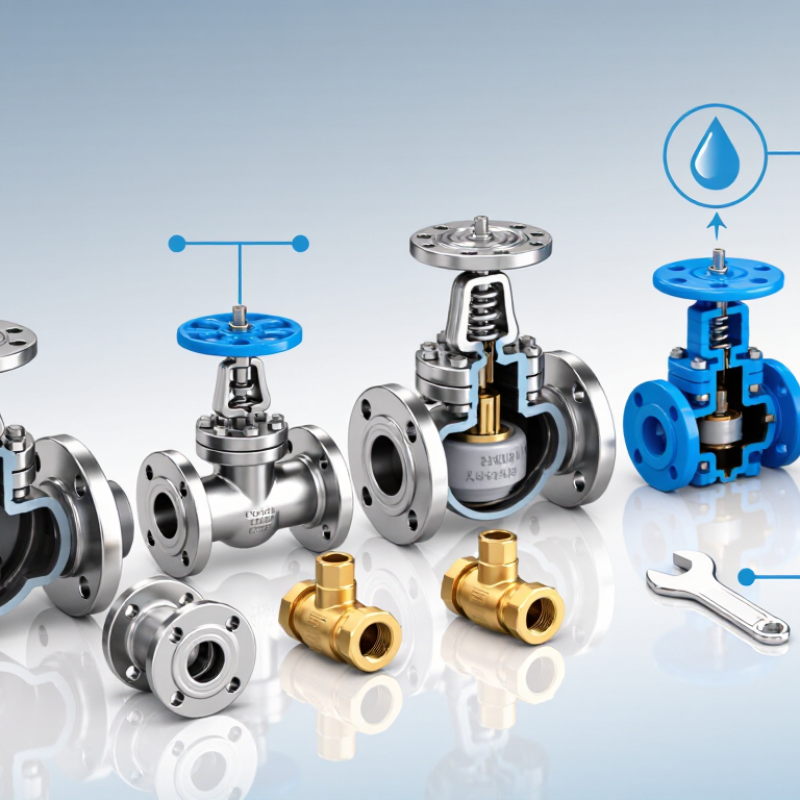
China Best Backflow Check Valve Manufacturers for Sale?

Backflow Check Valves: Types and AWWA C508’s 2–48 in Size Scope

Backflow check valves allow flow in one direction and close when pressure reverses. Common designs include swing, tilting-disc, dual-plate, and spring-assisted silent check valves. Each behaves differently during rapid flow changes. A swing check uses a hinged disc and needs space to open; a spring-assisted design may close faster, but can create different pressure losses. Details matter.

AWWA C508 covers swing-check valves for waterworks service in nominal sizes from 2 to 48 inches. It does not cover every check-valve design or every backflow-prevention assembly.

For larger lines, disc weight, closure speed, pipe orientation, and maintenance access deserve close review. AWWA C508 gives buyers a useful specification basis, but the standard’s size range alone cannot determine the right valve.

The U.S. EPA’s 2023 Drinking Water Infrastructure Needs Survey and Assessment estimated $625 billion in drinking-water infrastructure needs over 20 years. That is a system-wide estimate, not a valve-market figure, but it highlights the value of sound asset selection.

Pressure surges and installation conditions still need project-specific assessment. A neat catalog table can make sizing look simpler than it is.

China’s Manufacturer Landscape: OEM Production, Materials, and Export Markets

China’s backflow check valve sector spans OEM workshops, component suppliers, and export-focused factories. Grand View Research estimated the global industrial valves market at USD 78.4 billion in 2023, with projected annual growth of 4.3% from 2024 to 2030. This broad market estimate includes many valve types; it is not a China-specific figure. For buyers, the useful questions are narrower: Can a supplier hold consistent dimensions, document pressure testing, and trace material batches? A catalog is not proof.

OEM production often means adapting body patterns, connections, coatings, and inspection plans to a buyer’s specification. Common body choices include ductile iron, bronze, and stainless steel; selection depends on fluid, temperature, corrosion exposure, and pressure. Ask for material certificates and test records, not just a polished sample. UN Comtrade classifies valves under HS 8481, but that category combines many valve types and cannot isolate backflow check valves. Export comparisons therefore need care. Packaging matters, too: a coated iron body can still arrive with damaged flange faces after a long sea journey. Supplier claims deserve checking, and even a detailed inspection plan may miss a weak batch.

China Best Backflow Check Valve Manufacturers for Sale? - China’s Manufacturer Landscape: OEM Production, Materials, and Export Markets

A practical, brand-neutral overview of product types, materials, production considerations, standards, and export checks. Capabilities and certifications vary by supplier and product.

Dimension Industry Landscape Buyer Verification
Product terminology “Check valve” commonly describes a valve that allows flow in one direction and helps prevent reverse flow. A backflow-prevention assembly may use one or more check valves and other components, depending on its design and application. Confirm whether the quotation is for a standalone check valve or a complete, testable backflow-prevention assembly. Match the product to the plumbing code and application.
Common valve designs Industrial check-valve designs include swing, lift, dual-plate, and axial/nozzle types. Their closing behavior, pressure loss, installation orientation, and suitability for different flow conditions are not identical. Request the sectional drawing, flow direction, permitted installation positions, pressure-loss data, and operating limits for the exact model.
Body and trim materials Depending on service and design, products may use cast or ductile iron, bronze, stainless steel, or other alloys for bodies and internal parts. Elastomers such as EPDM or NBR may be used for seals. Check the material schedule, corrosion compatibility, fluid, temperature range, and any potable-water requirements. “Stainless steel” or “rubber seal” alone is not a complete specification.
OEM production OEM arrangements can include customer drawings, dimensional adjustments, packaging, and private-label options. Tooling, minimum order quantities, sample approval, and production lead times are supplier- and project-specific. Agree on controlled drawings, approved samples, change notification, inspection criteria, packaging details, and ownership of any custom tooling before production.
Manufacturing and quality Relevant operations may include casting or fabrication, machining, assembly, and pressure or functional testing. The available processes and inspection scope differ among factories and product lines. Ask for the inspection and test plan, traceability details, material records where required, and test reports tied to the ordered model and production lot.
Standards and approvals Applicable references depend on valve type and market. Examples include EN 1074-3 for check valves used in water-supply systems and AWWA C508 for swing-check valves. ISO 9001 relates to a quality-management system; it is not, by itself, product approval. Verify the current edition, product scope, size and pressure range, issuing body, and destination-market acceptance. Confirm that any certificate covers the exact product being offered.
Potable-water use Drinking-water requirements are jurisdiction-specific. NSF/ANSI/CAN 61 addresses health effects of drinking-water system components; NSF/ANSI/CAN 372 addresses lead content for covered products. Check local regulations and the listing or certification database for the exact product, materials, and configuration. Do not infer approval from a supplier’s general certificate.
Export markets Export opportunities may involve North America, Europe, Asia-Pacific, the Middle East, Latin America, and other regions. Requirements differ by country, end use, connection standard, documentation, and approval scheme. Treat regions as potential destination markets, not evidence of any supplier’s export history. Request relevant shipment references and confirm import rules, labeling, customs documents, and local approvals.
Commercial comparison Quoted prices are comparable only when the specification is aligned. Pressure rating, materials, end connections, testing, certification, order quantity, packaging, and delivery terms can affect the offer. Compare like-for-like quotations and record the agreed specification, inspection scope, Incoterms® rule and named place, delivery schedule, warranty, and spare-parts arrangements.

Note: This table describes general industry considerations, not the verified capabilities or certifications of any particular manufacturer. Confirm all technical and regulatory details against the product documentation and requirements for the intended installation.

Compare Assemblies Against ASSE 1015 and NSF/ANSI/CAN 61 Requirements

When comparing backflow check valve assemblies, separate hydraulic performance from drinking-water material safety. ASSE 1015 addresses double check valve assembly performance, including how the unit operates under defined test conditions. NSF/ANSI/CAN 61 evaluates health effects from materials that contact drinking water. They answer different questions. One does not replace the other.

Look beyond a catalog claim. Match the certificate to the exact model, size, and configuration offered, then check its scope and conditions of use. Review wetted parts such as the valve body, coatings, seals, and internal components. A change in elastomer or finish may affect the material listing, even when the exterior looks identical. Also confirm that the assembly suits the system’s pressure, flow, and installation requirements; a certified unit can still be a poor fit for a particular site. Check the paperwork. If a supplier provides only a general certificate, ask for the applicable listing and test documentation. Paperwork can be tidy while the details remain unclear. That deserves a closer look.

Backflow Check Valve Standards: Scope Comparison

ASSE 1015 addresses performance requirements for double check valve assemblies. NSF/ANSI/CAN 61 evaluates the health effects of materials and components in contact with drinking water. This chart compares standard scope only; it does not show product test results or certify any assembly. Confirm applicable editions and approval requirements with the relevant authority.

Check Size, Pressure Rating, Leakage Class, and Factory Test Reports

Before comparing China best backflow check valve manufacturers for sale, match the valve size to the actual pipe and operating flow. A valve that is too large may close slowly; one that is too small can increase pressure loss. Check the connection type, flow direction, and available installation space. Small details matter.

Pressure ratings need context. ASME B16.34 sets pressure-temperature ratings by valve material and class, so a rating at ambient temperature may not apply at higher service temperatures. Ask for the specified working pressure, temperature range, and surge conditions. Then compare these with the system design values—not just the nominal pressure stamped on the body. This check is easy to overlook.

Leakage acceptance also deserves a written answer. ISO 5208 defines pressure-testing procedures and leakage-rate categories, while API 598 outlines inspection and pressure tests for covered valve types. Ask the supplier to state the applicable standard, test medium, duration, and allowable leakage. Request factory reports tied to the valve’s model, size, and serial or batch number. A useful report shows measured results, not only a pass mark. Check that shell and closure tests match the ordered configuration. Paperwork can still miss field conditions, so confirm the test basis before purchase.

Shortlist Suppliers by Certification, Lead Time, Warranty, and Price

When comparing backflow check valve manufacturers in China, begin with certification, not catalog claims. Ask for current certificates and test reports, then check whether their scope matches the quoted valve’s materials, pressure rating, and size. A certificate alone does not prove every configuration performs equally. Details matter.

Lead time needs a clear definition. Separate sample approval, production, inspection, and shipping dates. Ask which components are in stock and request a realistic dispatch date in writing. “About four weeks” can mean different things to different suppliers. Not always clear.

Read the warranty terms before comparing prices. Confirm its duration, covered parts, remedy for defects, and any return or freight costs. Compare quotations for the same size, pressure class, materials, testing, packaging, and delivery terms. A low unit price may exclude useful inspection or spare parts. A neat spreadsheet can still hide awkward gaps. Request an itemized quote and clarify any assumptions; the cheapest offer may not be the best value.

FAQS

What does a backflow check valve do?

It allows water to flow in one direction and closes when pressure reverses. Closure behavior varies by design.

Which common check valve designs are mentioned?

Common designs include swing, tilting-disc, dual-plate, and spring-assisted silent valves. Each responds differently to rapid flow changes.

What size range does AWWA C508 cover?

It covers swing-check valves for waterworks service in nominal sizes from 2 to 48 inches. It does not cover every check-valve design.

What should be reviewed for larger lines?

Review disc weight, closure speed, pipe orientation, and maintenance access. A size range alone cannot determine the right valve.

How do ASSE 1015 and NSF/ANSI/CAN 61 differ?

ASSE 1015 addresses double check valve assembly performance under defined tests. NSF/ANSI/CAN 61 evaluates health effects from materials contacting drinking water. Different questions.

What details should buyers verify in certificates?

Match each certificate to the exact model, size, and configuration. Check its scope and conditions of use. General paperwork may leave gaps.

Which valve materials deserve close review?

Check the body, coatings, seals, and internal parts that contact water. A changed elastomer or finish may affect a material listing.

Can a certified assembly still be unsuitable for a site?

Yes. Confirm it fits the system’s pressure, flow, and installation conditions. A catalog table can make sizing look simpler than it is.

Conclusion

This guide explains how to evaluate a Backflow Check Valve for water-system applications, including common valve configurations and the 2–48 inch size range covered by AWWA C508. It also outlines the Chinese manufacturing landscape, where OEM production may offer choices in materials, specifications, and export support. Buyers should compare complete assemblies with relevant ASSE 1015 and NSF/ANSI/CAN 61 requirements, checking that documentation applies to the exact product and configuration being considered.

Before requesting a quotation, confirm the required size, pressure rating, leakage class, connection type, and operating conditions. Ask suppliers for factory test reports and clear product documentation, then assess their certification evidence, production lead time, warranty terms, communication, and total price. A careful comparison of these factors can help narrow the supplier list and identify an option that fits the project’s performance and delivery needs.


Henry

Henry

Henry is a dedicated marketing professional with a profound expertise in the company's offerings. With years of experience in the industry, he possesses an impressive understanding of the market dynamics and consumer behaviors that drive success. Henry is committed to sharing his insights through......