
Engineered Filtration & Precision Valve Assemblies
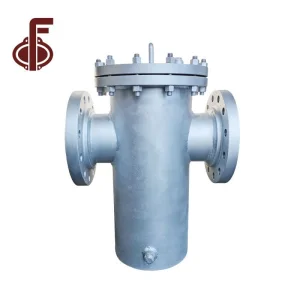
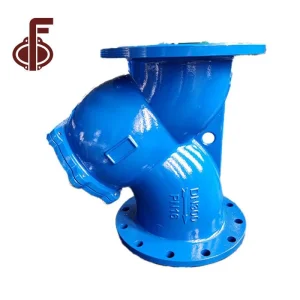
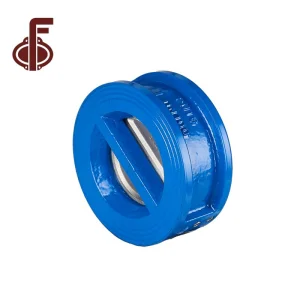
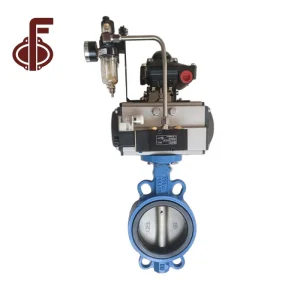
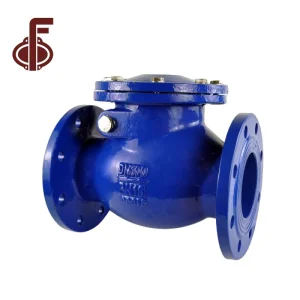
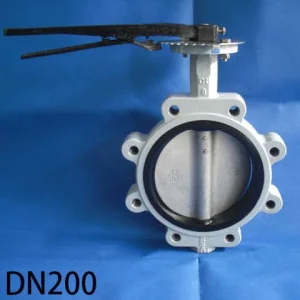
Direct from Tianjin Zhongfa Valve's integrated foundry and CNC manufacturing center. Below is our featured industrial strainer and flow isolation line built to ASME, DIN, EN, and ISO pressure classes.
The Macro Industrial Dynamics of Strainer Factories
In an era marked by automated process manufacturing, complex utility networks, and rigorous environmental compliance, pipeline strainers serve as the first line of defense for critical capital assets.
Supply Chain Consolidation
Global engineering procurement construction (EPC) conglomerates are actively rationalizing their vendor tiers. Instead of procuring body castings, filter meshes, and valves from isolated vendors, modern enterprise buyers seek verified single-source OEM strainer factories that control metallurgy, machining, assembly, and hydro-testing under unified ISO 9001 quality management systems.
Geopolitical De-risking & Dual Sourcing
Cross-border capital projects across Europe, the Middle East, and the Americas demand multi-standard mechanical compliance (ASME B16.34, EN 1092-1, DIN 3202, JIS B2220). Qualified manufacturers in high-efficiency industrial clusters like Tianjin, China, provide the required scalable casting capacity while satisfying stringent international auditing mandates.
Hydraulic Efficiency & Carbon Mandates
Fluid filtration is directly linked to industrial energy consumption. An improperly engineered strainer generates excessive differential pressure drop ($\Delta P$), driving up centrifugal pump kilowatt consumption over decades of continuous operation. Modern factories engineer optimized screen-to-pipe open area ratios (minimum 3:1 to 4:1) to minimize lifecycle power penalties.
Enterprise Procurement Requirements: Total Cost of Ownership (TCO)
For corporate procurement executives, EPC lead engineers, and plant maintenance directors, acquiring pipeline strainers extends beyond the initial purchase price. A strategic sourcing analysis encompasses material integrity, pressure drop economics, and plant reliability.
Material Test Reports (MTR) EN 10204 3.1
Global engineering contracts strictly enforce traceability. Every heat number of cast ductile iron (GGG40/GGG50, ASTM A536), carbon steel (WCB), or stainless steel (CF8, CF8M, SS304, SS316) must be accompanied by certified optical emission spectrometry chemical analyses and destructive tensile/yield testing reports to eliminate catastrophic high-pressure ruptures.
Differential Pressure ($\Delta P$) Energy Auditing
A suboptimal strainer mesh profile can introduce an uncalculated 0.3 to 0.8 bar hydraulic drop across pipeline networks. For high-throughput cooling water circuits or hydrocarbon delivery loops running 8,760 hours annually, this hydraulic resistance adds tens of thousands of dollars in parasitic pumping electricity costs, outweighing the initial hardware price by a factor of ten.
Downtime Prevention & Blowoff Architecture
Unplanned line shutoffs to clean clogged baskets disrupt continuous process operations. Industrial procurement mandates that Y-strainer and Basket strainer factories integrate heavy-duty NPT/BSP blowoff connection taps with flanged ball or gate valves to facilitate in-line blowdown flushing without breaking pipe containment.
| Strainer Configuration | Available Sizing Range | Pressure Class Compliances | Wetted Materials (Body & Screen) | Optimal Process Fluid Environments |
|---|---|---|---|---|
| Flanged Y-Type Strainer | DN15 to DN600 (1/2" to 24") | PN10, PN16, PN25, ANSI Class 150/300 | Ductile Iron (GGG50), WCB, SS304/SS316 Mesh | Closed-loop HVAC, municipal potable water, low-viscosity condensates. |
| Simplex Basket Strainer | DN50 to DN900 (2" to 36") | PN10, PN16, ANSI Class 150/300 | Ductile Iron, Cast Carbon Steel, 20-200 Mesh SS316 | Pump suction protection, seawater desalination pre-treatment, cooling towers. |
| Duplex Diverter Strainer | DN25 to DN400 (1" to 16") | PN16, ANSI Class 150/300/600 | Cast Steel, CF8M, Monel, Duplex 2205 Screen | Non-stop critical oil/gas refining, maritime fuel bunkering, turbine lubrication. |
| Fabricated T-Type Strainer | DN150 to DN1600 (6" to 64") | ANSI Class 150 to 900 / PN40 to PN100 | Forged Carbon Steel, Stainless 316L, Hastelloy | Large diameter petrochemical trunklines, liquefied natural gas (LNG) headers. |
Macro Industry Solutions: Mission-Critical Deployment
From extreme sub-zero offshore duties to ultra-pure hydronic building networks, pipeline strainers perform differentiated mechanical functions based on particulate loading, chemical corrosion, and mechanical shock.
Water Infrastructure
Municipal distribution, raw intake, and desalination facilities utilize large-diameter ductile iron Y-strainers and basket strainers coated with drinking-water certified electrostatic fusion bonded epoxy (FBE) to prevent biological biofouling and protect high-pressure reverse osmosis membranes from particulate abrasion.
HVAC & District Energy
Centrifugal chillers, plate-and-frame heat exchangers, and balancing control valves demand DN50–DN600 basket and Y-strainers equipped with 40-mesh to 100-mesh stainless filtration screens to trap welding slag, magnetite scale, and pipe oxide flakes before valve seat erosion occurs.
Petrochemical & Refining
Heavy crude pipelines, asphalt transfer lines, and acid gas systems require ASTM A216 WCB or CF8M stainless steel bodies meeting NACE MR0175 sour service specifications. Duplex baskets withstand hydrocarbon-induced sulfur stress cracking under high temperature and fluctuating pressure cycles.
Maritime & Shipbuilding
Vessel bilge, ballast water transfer, and main engine cooling systems require corrosion-resistant nickel-aluminum bronze (C95800) or high-grade nodular iron ductile strainers capable of withstanding continuous salt fog, abrasive marine sediments, and high vibration profiles.
Technology Roadmap: The Future of Pipeline Strainer Manufacturing
Pioneering strainer factories are evolving from passive mechanical iron casters into high-precision, smart-enabled industrial hardware developers.
Smart Differential Sensing
Integration of battery-free, wireless IoT differential pressure ($\Delta P$) transducers embedded directly into the strainer body casting. These sensors relay real-time particulate clogging telemetry to SCADA architectures, predicting exact maintenance requirements before cavity cavitation occurs.
CFD Optimized Internals
Application of 3D Computational Fluid Dynamics (CFD) modeling to sculpt the internal diverter contours of Y-type and Basket strainers. Minimizing boundary-layer turbulence and secondary recirculating eddies reduces the overall drag coefficient by up to 22% compared to conventional casting profiles.
Laser-Sintered Screens
Transitioning beyond traditional spot-welded woven wire meshes toward Direct Metal Laser Sintering (DMLS) 3D-printed stainless and Hastelloy monolithic filtration elements. This eliminates joint failure under extreme mechanical back-wash surges.
Zero-Emission Foundries
Implementation of medium-frequency electric induction melting furnaces and 100% recycled resin sand casting systems, reducing carbon emissions per ton of finished ductile iron casting in line with global corporate ESG supply chain mandates.
Localized Engineering Support & Global Compliance Assurance
Operating as Tianjin Zhongfa Valve Co., Ltd., our specialized factory facilities ensure every production run meets the highest thresholds of international safety and pressure containment.
ISO 9001 & CE Certifications
Our integrated quality management ecosystem tracks production from raw pig iron spectrometry to automated CNC finishing and polyurethane painting. CE-PED (Pressure Equipment Directive 2014/68/EU) compliance ensures legal clearance for European high-pressure piping assemblies.
Non-Destructive Testing (NDT)
For critical petrochemical and power sector orders, ZFA Valve deploys in-house Radiographic Testing (RT), Ultrasonic Flaw Detection (UT), Magnetic Particle Inspection (MPI), and Liquid Penetrant Testing (PT) to verify that cast bodies contain zero subsurface micro-porosities or inclusions.
100% Hydrostatic Shell Testing
In accordance with ISO 5208, API 598, and EN 12266-1 standards, 100% of manufactured strainer bodies undergo shell pressure testing at 1.5 times the design rating. Zero leakage and zero structural deformation are mandatory criteria before shipment packaging.
Complementary Valves Engineered for Strainer Upstream/Downstream Skids
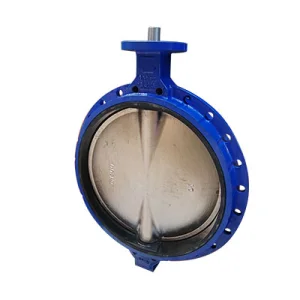
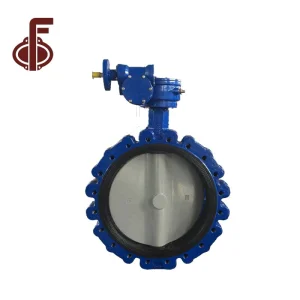
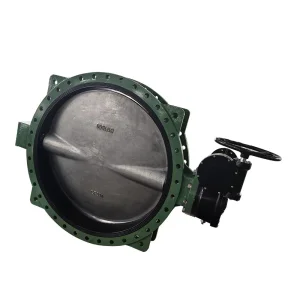
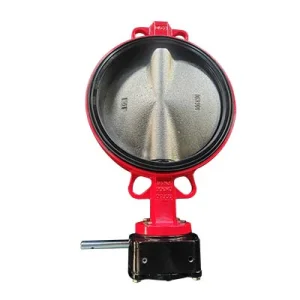
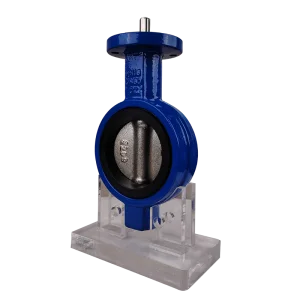
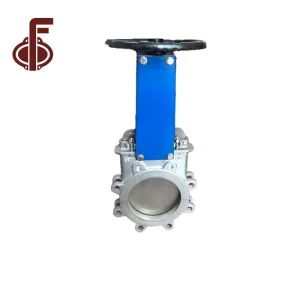
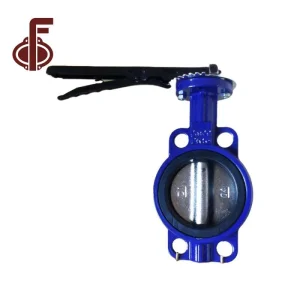
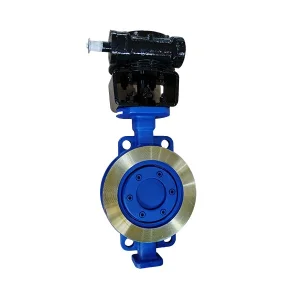
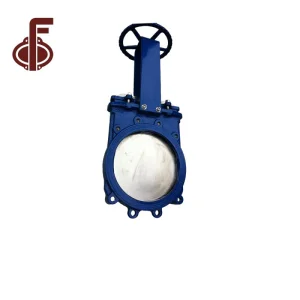
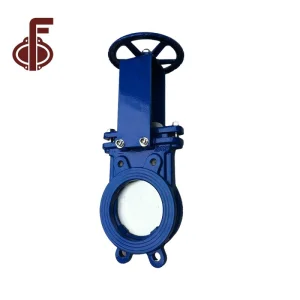
A complete pipeline installation pairs debris filtration with reliable isolation, backflow prevention, and throttling valves. Explore ZFA Valve's OEM valve range designed for seamless skid integration.
Frequently Asked Technical & Procurement Questions
Real engineering answers to critical inquiries encountered during project tender preparation, datasheet specification, and valve-strainer factory audits.
What is the standard ratio between a strainer's free open area and the cross-sectional area of the pipe?
How do engineers select between Mesh and Perforation sizing for industrial strainers?
When should a Y-Strainer be specified instead of a Basket (Simplex or Duplex) Strainer?
Which international testing standards govern industrial strainers manufactured at ZFA Valve?
What are the key metallurgical considerations for strainer bodies in seawater or brine service?
Does Tianjin Zhongfa Valve support OEM customization and third-party inspections (TPI)?
Request Direct Strainer Factory Quotation & Technical Consultation
Partner directly with Tianjin Zhongfa Valve Co., Ltd. for project datasheets, CAD dimensional drawings, valve sizing calculations, and certified factory-direct supply arrangements.
Submit Engineering Enquiry (24h Response)