
Soft Sealing Gate Valve Systems & Pipeline Isolation Units
Explore our heavy-duty resilient seated gate valves, rising and non-rising stem configurations, and flanged infrastructure valves certified for high-pressure municipal and industrial circuits.
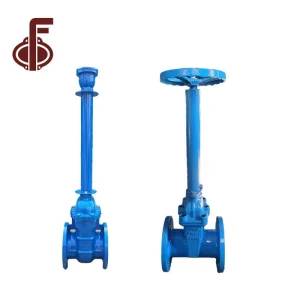
China DI PN10/16 class150 Long Stem Soft Sealing Gate Valve
View Technical Specs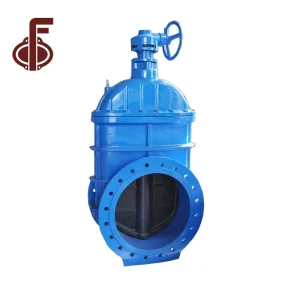
OEM DI PN10/16 class150 Soft Sealing Gate Valve
View Technical Specs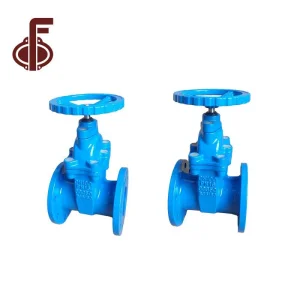
OEM DI PN10/16 Class150 Soft Sealing Gate Valve for Water Pipe
View Technical Specs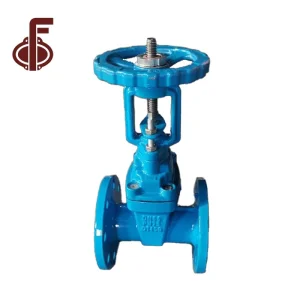
China DI PN10/16 Class150 Soft Sealing Rising Stem Gate Valve
View Technical Specs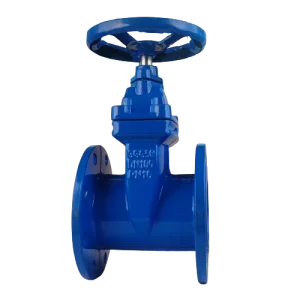
China GGG50 PN16 Soft Seal Non Rising Stem Gate Valve
View Technical Specs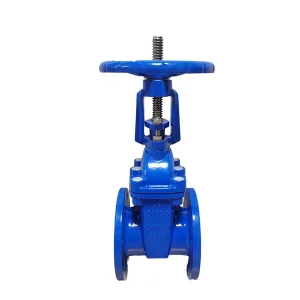
China F4 Bolted Bonnet Soft Sealing Rising Stem OSY Gate Valve
View Technical Specs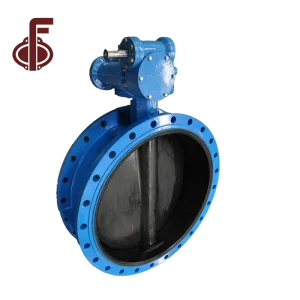
China PN16 CL150 Pressure Flange Type Butterfly Valves
View Technical Specs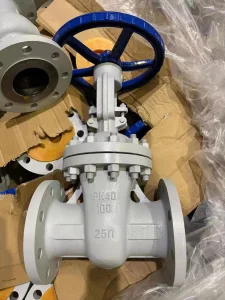
OEM 30s41nj GOST 12820-80 20Л/20ГЛ PN16 PN40 Gate Valve
View Technical SpecsGlobal Commercial & Industrial Status of Resilient Seated Gate Valves
The transition from legacy metal-to-metal wedge seating to advanced vulcanized soft-seal gating represents a paradigm shift across international municipal infrastructure and process industries.
In modern water management, district heating, and municipal utility networks, the global demand for Soft Seal Gate Valves (Resilient Seated Gate Valves) has grown exponentially. Historical reliance on cast-iron metal-seated gate valves resulted in chronic maintenance bottlenecks: suspended solids, grit, and corrosion scale frequently settled into bottom body recesses, preventing tight shutoff and leading to wire drawing, valve seat erosion, and uncontrolled fluid loss.
As an established Chinese valve manufacturer and global exporter, Tianjin Zhongfa Valve Co., Ltd. (ZFA Valve) operates at the forefront of this industrial transformation. Modern resilient seated gate valves utilize a flat-bottom, unobstructed bore design coupled with an elastomeric (EPDM or NBR) vulcanized ductile iron wedge. By eliminating the bottom sediment pocket entirely, particles are cleanly flushed through during closure without scoring sealing surfaces.
From an international trade perspective, global infrastructure investment—spanning North American AWWA distribution revamps, European Union EN 1074-1/2 potable compliance directives, GCC regional desalination projects, and Asian urbanization initiatives—has solidified the requirement for high-integrity soft seal valves. The integration of high-grade spheroidal graphite iron (GGG40/GGG50 / QT450 / ASTM A536) and electrostatically applied Fusion Bonded Epoxy (FBE) powder coatings guarantees operating lifespans exceeding 30 to 50 years with zero maintenance.
Bi-Directional Bubble-Tight Sealing
Compliant with EN 12266-1 Rate A and ISO 5208 Rate A, ensuring complete zero leakage regardless of flow direction up to 16/25 bar working pressures.
Full-Bore Unobstructed Flow
The straight-through cylindrical passageway minimizes hydraulic friction loss, avoids sediment deposition, and permits bidirectional line pigging.
Low Operating Torque Dynamics
Engineered cold-rolled rolled ACME stem threads, embedded self-lubricating brass nuts, and low-friction elastomer composites cut actuation energy by up to 40%.
Technical Deep-Dive: Material Science & Precision Architecture
A resilient seated gate valve is only as durable as its chemical bonding, structural casting tolerances, and precision anti-corrosion barrier.
At ZFA Valve, every soft seal gate valve is engineered from superior metallurgical grades. The valve body and bonnet are cast from spheroidal graphite ductile iron grade EN-GJS-500-7 (GGG50) or ASTM A536 65-45-12. Compared to traditional grey cast iron (GG25), ductile iron offers double the tensile strength (minimum 500 MPa) and significant elongation (minimum 7%), preventing catastrophic brittle fracture under seismic shifting, frost heave, or hydraulic water hammer shockwaves.
1. Elastomeric Wedge Vulcanization (Bonding Integrity)
The heart of the soft sealing gate valve is the wedge core. The ductile iron wedge core is first shot-blasted to SA 2.5 cleanliness, treated with a chemical bonding primer, and subsequently encased in a continuous layer of high-resilience EPDM (Ethylene Propylene Diene Monomer) or NBR (Nitrile Butadiene Rubber) through high-pressure injection vulcanization.
This vulcanization process ensures strict mechanical adhesion with zero interfacial voiding, preventing fluid ingress between the rubber lining and iron core. The rubber formulation resists ozone degradation, bacteriological biofilm accumulation, and continuous chloramine disinfection, conforming directly to WRAS (Water Regulations Advisory Scheme), KTW/W270, and NSF/ANSI 61 standards for drinking water purity.
2. Triple O-Ring Stem Sealing & Backseat Architecture
Traditional packing gland packings require periodic tightening and eventually leak. Modern ZFA soft seal valves incorporate a maintenance-free, multi-tier O-ring sealing cartridge:
- Primary Dust Wiper Ring: Prevents dirt, sand, and atmospheric particulates from penetrating down the spindle.
- Dual Dynamic Pressure O-Rings: Precision NBR/EPDM seals operating within low-friction polymer bushings to isolate line pressure continuously.
- Integral Backseat Function: Allows in-line replacement of stem sealing O-rings under full pipeline working pressure without shutting down the network.
- Cold-Rolled Spindle Metallurgy: Machined from high-tensile stainless steel (SS420 / 1.4021, SS304, or SS316) featuring cold-rolled trapezoidal ACME threads to maximize fatigue resistance and eliminate thread galling.
3. Fusion Bonded Epoxy (FBE) Corrosion Barrier
All internal and external cast ductile iron surfaces receive an electrostatically applied Fusion Bonded Epoxy (FBE) coating conforming to DIN 30677-2 and EN 14901. The coating thickness is strictly monitored to remain ≥ 250 μm (optional ≥ 300 μm). Each valve is subjected to high-voltage holiday spark testing (1.5 kV to 2.0 kV) to verify 100% pinhole-free coverage, ensuring total resistance against soil acidity, aggressive potable water chemicals, and cathodic disbondment.
| Performance Parameter | Resilient Soft Seal Gate Valve (ZFA) | Traditional Metal Seated Gate Valve | Operational Engineering Benefit |
|---|---|---|---|
| Seat Tightness Standard | ISO 5208 Rate A (0 Drops) | ISO 5208 Rate D / E (Permissible leakage) | Zero water loss, eliminates non-revenue water (NRW) |
| Bottom Body Profile | Flat-bottom smooth bore (pocketless) | Recessed seating groove / cavity | No dirt/sand trapping; unobstructed fluid dynamics |
| Torque Requirement | Low (Polymer glide shoes + rolled stem) | High (Metal wedging friction) | Enables smaller, lower-cost electric/pneumatic actuators |
| Corrosion Protection | Electrostatic FBE ≥ 250μm internal/external | Liquid primer or partial enamel | Immunity to tuberculation and interior wall scaling |
| Maintenance Profile | 100% Maintenance-free dynamic O-rings | Periodic packing gland adjustment needed | Drastically lowers OPEX in buried/subsea installations |
Localized Application Scenarios & Engineering Systems
Across varying geographic climates, chemical conditions, and pipeline topographies, our soft sealing gate valves deliver mission-critical isolation.
1. Municipal Potable Water Infrastructure
Operating across trunk distribution mains and residential grid loops. The non-toxic, mirror-smooth FBE interior prevents bacterial adhesion and maintains drinking water hygiene, certified under global hygienic mandates (WRAS/NSF).
2. Buried Direct-Install & Trenchless Utilities
Equipped with telescopic extension spindles and surface road boxes. Eliminates expensive concrete valve chambers due to maintenance-free O-ring stem cartridges and robust anti-corrosive outer epoxy barriers.
3. Industrial Fire Main Networks (UL/FM Standards)
OS&Y (Outside Screw and Yoke) rising stem resilient seated valves provide instantaneous optical confirmation of valve position (open vs shut) in high-reliability standby industrial fire sprinkler headers.
4. Wastewater & Non-Aggressive Effluents
Fitted with high-abrasion NBR vulcanized wedges, our valves isolate raw sewage, slurries, and biological aeration basins without particulate accumulation or seat bind.
5. HVAC Chilled Water & District Cooling
Engineered to handle thermal cycling from -10°C to +80°C without hardening of elastomer compound, providing reliable isolation in energy-efficient centralized district energy plants.
6. Agricultural Irrigation & Large Conveyance
Provides ultra-low head loss in high-volume agricultural gravity feeds, solar pumping stations, and regional raw canal distribution aqueducts.
Industry Trends & Technological Roadmap (2025–2035)
The valve manufacturing sector is moving beyond basic mechanical casting into digitized smart water ecosystems, decarbonized metallurgical practices, and advanced bio-polymers.
As smart cities expand and utilities transition toward real-time hydraulic monitoring, gate valve manufacturing is witnessing pivotal technological evolutions:
Smart IoT Position Telemetry
Integration of wireless non-intrusive angle sensors and LoRaWAN/NB-IoT micro-transmitters directly onto non-rising stem bonnets. This provides municipal control rooms with verified percentage-of-opening feedback without physical technician dispatch.
Advanced Peroxide-Cured Elastomers
Transitioning from standard sulfur-cured EPDM to ultra-pure peroxide-cured EPDM compounds. Peroxide crosslinking provides superior compression set resistance (<15% after 100,000 cycles) and total resistance to chlorine dioxide disinfection regimes.
Decarbonized Foundry Metallurgy
Adoption of medium-frequency induction electric furnace melting, automated green sand molding lines, and 100% recycled high-purity ferrous scrap. Reduces embodied carbon metrics to support global EPC sustainability and LEED procurement mandates.
Controlled 5-Stage OEM & Export Quality Assurance Workflow
Every gate valve shipped from our Tianjin manufacturing complex undergoes uncompromising traceability, destructive metallurgical validation, and 100% pressure verification.
Spectrometric Melt Analysis
Optical emission spectrometer checks on carbon, silicon, and magnesium ratios to guarantee complete nodularization (>85%) of ductile iron.
CNC Precision Machining
Multi-axis CNC processing of bonnet bolt circles, stem guide channels, and flanged faces to achieve micron-level parallelism and face-to-face accuracy.
Coating & Spark Test
Preheating to 200°C, automated electrostatic FBE fluidized bed spraying, followed by electronic thickness gauges and 2.0 kV holiday porosity detectors.
Dual Hydrostatic Testing
100% individual pressure testing per EN 12266-1: Shell strength test at 1.5x PN rating and bidirectional seat tightness at 1.1x PN rating.
Marking & Sea-Packing
Custom casting logo, stainless steel specification nameplates, moisture-proof wrapping, and reinforced export-grade plywood crates for ocean shipping.
Complementary High-Performance Valves & Components
In addition to our core soft seal gate valves, ZFA manufactures an extensive range of triple offset, wafer, knife gate, and specialty butterfly valves for comprehensive project sourcing.
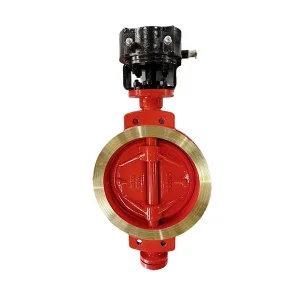
OEM 150LB WCB Wafer Triple Eccentric Butterfly Valve
View Technical Specs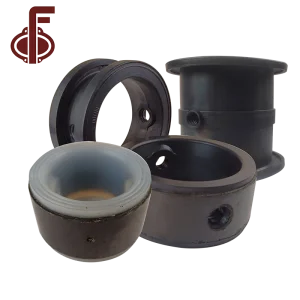
OEM Soft/Hard Back Seat Butterfly Valve Seat
View Technical Specs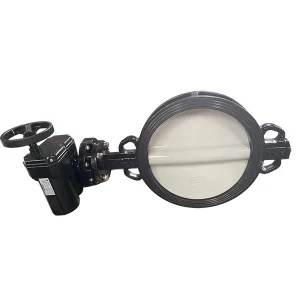
OEM Nylon Disc Wafer Type Honeywell Electric Butterfly Valve
View Technical Specs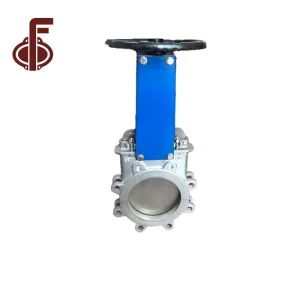
OEM SS PN10/16 Class150 Lug Knife Gate Valve
View Technical Specs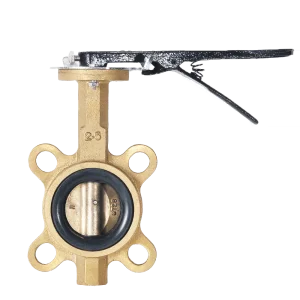
OEM Brass Bronze Wafer Butterfly Valve
View Technical Specs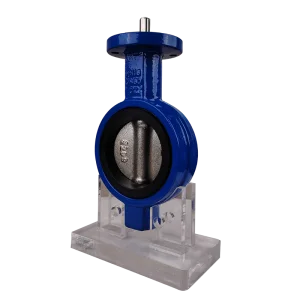
OEM Earless Wafer Type Butterfly Valve
View Technical Specs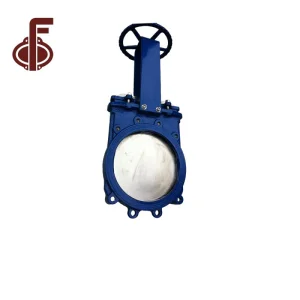
OEM DI PN10/16 Class150 Lug Knife Gate Valve
View Technical Specs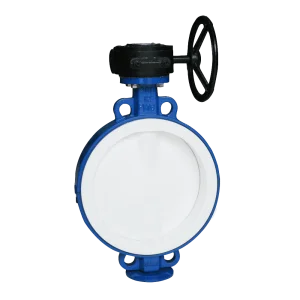
OEM PTFE Full Lined Wafer Butterfly Valve
View Technical SpecsTechnical FAQ: Soft Seal Gate Valve Engineering & Sourcing
Expert engineering answers to critical specification, installation, and procurement questions frequently asked by EPC piping directors and global valve buyers.
What is the structural difference between Non-Rising Stem (NRS) and Rising Stem (OS&Y) soft seal gate valves?
In a Non-Rising Stem (NRS) gate valve, the stem threads are located internally within the valve body, engaged directly into a bronze wedge nut. The stem rotates in place without lifting vertically, making it extraordinarily compact and ideal for underground buried service, tight pipeline trenches, and below-grade valve vaults. Conversely, an Outside Screw and Yoke (OS&Y / Rising Stem) valve features threads external to the fluid passage. As the handwheel turns, the stem rises visually above the yoke, offering instantaneous visual status of whether the line is fully open or closed. OS&Y valves are predominantly specified in fire protection main headers, pumping stations, and industrial processing plants where visual safety verification is mandatory.
How does face-to-face standard DIN 3352 F4 compare with DIN 3352 F5 and BS 5163?
Face-to-face dimensions govern whether a valve can drop into an existing piping spool without piping modification. DIN 3352 F4 (EN 558 Series 14) is the "short pattern" design, frequently selected to reduce installation envelope size and overall system weight. DIN 3352 F5 (EN 558 Series 15) represents the "long pattern," which provides greater distance between flanges, offering gentler hydraulic transitions and enhanced room for heavy actuator yokes. BS 5163 (EN 558 Series 3) is the standardized British/Commonwealth dimensioning widely utilized throughout the UK, Middle East, Australia, and Hong Kong. ZFA manufactures ductile iron bodies fully interchangeable across F4, F5, BS 5163, and ANSI/AWWA C509/C515 laying lengths.
When should an engineer specify EPDM over NBR for resilient wedge vulcanization?
The decision is driven entirely by the media chemistry and operating temperature: EPDM is the preeminent material for potable municipal water, treated wastewater, chilled HVAC loops, and dilute chemicals, operating continuously from -20°C up to +120°C. It possesses unmatched resistance to ozone, atmospheric weathering, and modern water chloramination. However, EPDM will disintegrate rapidly if exposed to hydrocarbons. NBR (Nitrile) must be specified for media containing animal fats, wastewater scum, crude oils, hydrocarbons, fuel lines, and compressed air lines up to +82°C.
Why is Fusion Bonded Epoxy (FBE) coating thickness and spark testing so crucial?
Ductile iron is susceptible to galvanic and tuberculation corrosion if water or acidic soils breach its barrier. Standard liquid enamel paint often forms microscopic blisters, pinholes, or scratches during sea shipping and field placement. An electrostatic Fusion Bonded Epoxy (FBE) coating, applied in a thermo-fluidized bed to a clean preheated metal surface at ≥ 250 μm, chemically crosslinks to the iron substrate. Subjecting 100% of manufactured valves to high-voltage holiday testing (1.5–2.0 kV) ensures complete elimination of microscopic voids, preventing under-film corrosion creep and extending valve underground lifespan past 50 years.
Can soft seal gate valves be utilized for pipeline flow throttling or control?
No. Soft seal gate valves are strictly designed for on/off isolation service. Operating a gate valve in a partially opened throttling position causes high-velocity fluid flow to impact the bottom lip of the elastomeric wedge. This induces severe hydrodynamic vibration, fluid turbulence, and cavitation, which can peel or erode the vulcanized rubber away from the ductile iron core. For flow regulation or throttling duties, engineering designs must specify eccentric butterfly valves, globe control valves, or V-port ball valves.
Accelerate Your Project With Factory-Direct Valve Engineering
Partner directly with Tianjin Zhongfa Valve Co., Ltd. for project tender submittals, custom OEM casting dimensions, comprehensive 3.1 material certificates, and rapid container export quotation.
