
How to Choose the Right Soft Seal Gate Valve?

Time:2026-10-25 Author:Charlotte
0%

Choosing the right Soft Seal Gate Valve is more than matching pipe size and pressure class. It involves fluid composition, operating temperature, buried installation conditions, and maintenance access. A valve may look suitable on paper yet fail early when grit enters the sealing area.

The global industrial valves market continues to expand as water treatment, energy, and infrastructure projects increase. Reports from Grand View Research and MarketsandMarkets identify water and wastewater systems as important demand sectors. However, these reports usually group several valve types together. Their figures should not be treated as precise forecasts for Soft Seal Gate Valve sales. That limitation matters.

Valve engineer and author Philip L. Skousen wrote, “A valve is only as good as the system in which it operates.” This principle remains practical. A resilient-seated gate valve needs a compatible elastomer, protected stem, accurate casting, and dependable corrosion resistance. For drinking-water applications, check relevant approvals and documentation, not just a supplier’s brochure.

Look for compliance with recognized standards, including ISO 5208 for pressure testing, API 598 where applicable, and EN 1074 for water-supply valves. Confirm the actual media, pressure, temperature, face-to-face dimensions, and end connection. A handwheel that turns smoothly in the factory may behave differently after years underground.

The best selection is rarely perfect. It is a controlled compromise between sealing performance, service life, cost, and local maintenance skills. This guide explains how to evaluate those compromises before purchasing a Soft Seal Gate Valve.
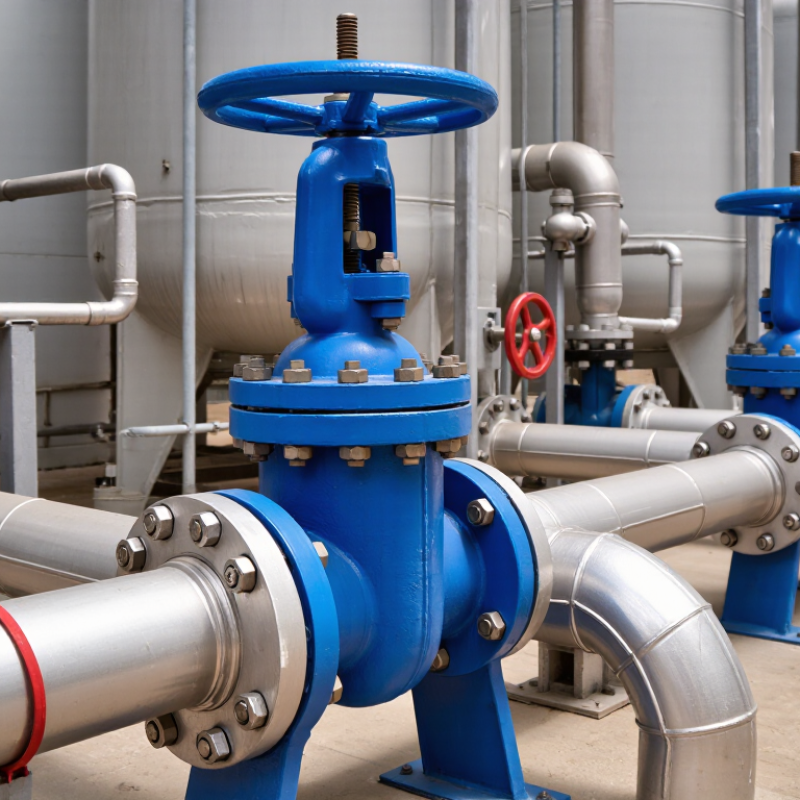
How to Choose the Right Soft Seal Gate Valve?

What Is a Soft Seal Gate Valve and How Does It Work?

A soft seal gate valve uses an elastic coating or resilient seat to stop fluid flow. The gate moves vertically inside the valve body. When fully lowered, it presses against the seats and creates a tight shutoff. When raised, the passage opens with minimal flow resistance. This design is common in water, irrigation, and other clean-fluid systems.

During field inspections, a clean seat usually provides reliable sealing. However, debris can prevent complete closure and damage the resilient material. Choose the valve according to pressure, temperature, pipe size, and fluid quality. Check the body material, stem design, operating method, and applicable testing standards. A valve that fits the pipe may still be unsuitable for abrasive or high-temperature service. That detail is easy to miss.

Tips: Confirm the pressure rating before installation. Flush the pipeline first. Operate the gate fully open or closed; partial opening may cause turbulence and premature wear. Inspect the stem and sealing area regularly. If the valve feels unusually hard to operate, do not force the handwheel. Investigate sediment, misalignment, or internal damage. No selection is perfect. Reviewing real operating conditions often reveals assumptions that product tables cannot show.

Which Operating Conditions Should You Evaluate?

How to Choose the Right Soft Seal Gate Valve?

Which Operating Conditions Should You Evaluate?

Choosing the right soft seal gate valve starts with the conditions it must endure. Check the medium, temperature, pressure, flow direction, and installation environment. Water service may seem simple, but suspended grit can damage sealing surfaces over time. For wastewater, inspect particle size and the risk of debris collecting around the wedge. Confirm the pressure rating at the actual operating temperature, not only at room conditions. Small details matter.

Evaluate cycling frequency before selecting the actuator or handwheel arrangement. A valve used twice monthly has different demands from one adjusted every hour. Measure available space, pipeline alignment, and access for maintenance. Outdoor installations need protection from sunlight, freezing, flooding, and corrosive air. Poor alignment can create leakage that looks like seal failure. It is easy to blame the valve too quickly. Verify torque, flange fit, and pipeline support first. Also consider whether sediment may settle near the seat.

Tips: Record pressure and temperature during peak operation. Ask operators about unusual noise, slow closure, and seasonal changes. Compare the medium’s chemistry with documented seal compatibility data. If conditions remain uncertain, test a representative sample before final selection. Follow applicable standards and request traceable test records. Leave maintenance clearance around the body and operating mechanism. Conditions change. Recheck them.

How to Match Valve Materials with the Medium?

Choosing the right soft seal gate valve starts with the medium, not the valve size. Water, wastewater, air, oil, and chemicals can attack sealing materials differently. EPDM usually suits clean water, hot water, and many mild aqueous fluids. NBR often performs better with mineral oils and fuels. PTFE offers broader chemical resistance, but temperature and pressure limits still matter.

Tips: Check the medium’s temperature, concentration, pressure, and flow condition. Read the seal manufacturer’s compatibility data, not only a general material chart. For wastewater, inspect whether grit, chlorine, or biological deposits may affect the seal. A valve that works well in clear water may leak after months in abrasive service. Small details matter.

The body and stem materials also need matching. Ductile iron can serve common water systems, while stainless steel may be safer in corrosive surroundings. However, “stainless” is not one universal solution. Chlorides, acidic fluids, and high temperatures can still cause damage. In field inspections, overlooked cleaning chemicals have caused unexpected swelling in rubber seats. That mistake is easy to repeat. Confirm the actual fluid, including additives and seasonal temperature changes. Request documented test conditions, pressure ratings, and inspection records. If the service is unusual, ask a qualified valve engineer to review the selection before installation.

How to Select the Right Size, Pressure Class, and Connection?

Selecting a soft seal gate valve starts with the medium, not the catalog page. Water, wastewater, and fire-protection systems often use resilient wedges because they provide reliable shutoff at moderate temperatures. However, soft seals can degrade when exposed to heat, abrasive solids, or aggressive chemicals. The American Society of Mechanical Engineers requires pressure-temperature verification under ASME B16.34. Do not select Class 150 only because the line normally operates below that rating. A water hammer event may briefly exceed normal pressure.

Choose the valve size from the required flow and allowable pressure loss. A larger valve is not always safer; it may close slowly and increase operating cost. Match the connection carefully with the pipeline standard. Flanged ends should follow ASME B16.5 or the applicable regional standard. Grooved, threaded, and wafer connections need different installation clearances.

ISO 5208 and EN 12266-1 provide recognized leakage-testing methods. Their use improves acceptance decisions. Industry data supports this care: Grand View Research valued the global industrial valves market at approximately USD 76.7 billion in 2023, with continued growth expected through 2030. That scale also means inconsistent quality remains possible.

Tips: Confirm the actual pressure-temperature table. Check face-to-face dimensions before ordering. Record the medium temperature, flow rate, pipe material, and connection standard. Ask for a factory test certificate. A common mistake is trusting nominal size alone. I have seen a correctly sized valve fail early because the seal material was wrong. Recheck the assumptions.

What Installation and Maintenance Factors Affect Valve Performance?

Choosing a soft seal gate valve starts with installation conditions, not only pipe size. Confirm the medium, working pressure, temperature, and expected operating frequency. The seat material must tolerate the fluid without swelling, cracking, or losing elasticity. A suitable pressure rating still fails when the pipe system is poorly prepared.

Clean the pipeline before installation. Small stones, welding beads, and rust flakes can cut the resilient seat. Fit matters. Align the flanges carefully, and never use the valve to correct pipe misalignment. Support heavy valves separately to reduce stress on the body. Tighten bolts in a diagonal pattern, using controlled torque. Excessive force may distort the flange or damage the seal. Keep the gate fully open during approved flushing procedures, unless the installation instructions state otherwise.

Maintenance should begin with simple observation. Check for stem leakage, unusual resistance, damaged handwheels, and wet soil around buried valves. Operate the valve periodically through its full travel, then return it to the required service position. Do not force a stuck stem. Investigate pressure, debris, corrosion, or actuator problems first. After repair, perform a controlled pressure test and inspect every joint. A checklist helps, but it cannot replace judgment. Field conditions are rarely perfect. Poor drainage, unexpected temperature changes, or infrequent operation may expose weaknesses that a routine inspection misses. Keep records of torque, test pressure, operating time, and replaced parts. These details make the next decision less dependent on guesswork.

FAQS

Which operating conditions should I evaluate before choosing a soft seal gate valve?

Check the medium, temperature, pressure, flow direction, and installation environment. Suspended grit can slowly damage sealing surfaces. Record peak pressure and temperature, not room readings.

How does wastewater affect soft seal gate valve selection?

Inspect particle size and debris levels. Sediment may collect around the wedge and prevent tight closure. A sample test can reveal problems early.

How do operating cycles affect valve selection?

A valve used twice monthly has different needs from one adjusted hourly. Frequent cycling may require a suitable actuator and stronger operating arrangement. Actual usage is sometimes underestimated.

How should I select the valve size?

Base size on required flow and acceptable pressure loss. An oversized valve may close slowly and increase operating costs. Nominal pipe size alone is not enough.

How do pressure and temperature affect the pressure class?

Confirm the pressure-temperature rating at actual operating conditions. Short pressure surges can exceed normal readings. Water hammer deserves attention.

Which connection details must be checked?

Match flanges, grooves, threads, or wafer connections with the pipeline standard. Verify face-to-face dimensions before ordering. Small mismatches create installation trouble.

What should I do before installing the valve?

Clean the pipeline thoroughly. Remove stones, welding beads, and rust flakes. Align flanges carefully, and never use the valve to correct pipe misalignment.

What maintenance checks help prevent failure?

Inspect stem leakage, operating resistance, handwheel damage, and wet ground near buried valves. Operate the valve through its full travel periodically. Do not force a stuck stem.

How can I identify installation-related leakage?

Check flange alignment, bolt torque, pipe support, and joint condition. Poor alignment can imitate seal failure. I may blame the valve too quickly.

What records should be kept after testing or repair?

Record test pressure, torque, operating time, replaced parts, and leakage results. Keep factory test documents when available. Records reduce guesswork, although they cannot replace judgment.

Conclusion

Choosing the right Soft Seal Gate Valve requires more than selecting a valve by size alone. This type of valve uses a resilient sealing surface to create a tight shutoff, making it suitable for many water, utility, and compatible fluid systems. Before making a selection, evaluate the operating temperature, pressure, flow conditions, frequency of operation, and the characteristics of the medium. Material compatibility is essential, since the body, gate, stem, seals, and coating must resist corrosion, wear, and chemical interaction.

The valve should also be matched to the required pipeline diameter, pressure class, and connection type to ensure safe and efficient system integration. Consider available space, actuator or handwheel operation, flow direction, and installation access. Proper alignment, clean pipework, suitable support, and correct tightening during installation can prevent leakage and mechanical stress. Regular inspection, controlled operation, and timely replacement of worn sealing components will help maintain reliable performance and extend the valve’s service life.


Charlotte

Charlotte

Charlotte is a seasoned marketing professional with a deep understanding of the company's portfolio and a passion for elevating its presence in the market. With a keen eye for detail and a commitment to excellence, she ensures that our professional blog is regularly updated with insightful articles......