
China Top Silent Check Valve Manufacturers and Suppliers
China has become a major source of industrial flow-control equipment, including the Silent Check Valve. These valves help prevent reverse flow while reducing water hammer, vibration, and pipeline noise. They are commonly used in water treatment plants, pump stations, HVAC systems, fire protection networks, and process pipelines. Choosing the right manufacturer requires more than comparing prices. Material quality, machining accuracy, sealing performance, and after-sales support can directly affect operating reliability.
This guide introduces leading China Silent Check Valve manufacturers and suppliers from a practical sourcing perspective. It considers production capabilities, available valve materials, pressure ratings, connection options, inspection procedures, and customization services. Reliable suppliers should provide clear technical drawings, traceable material information, product test records, and consistent communication. Factory audits, sample evaluation, and third-party inspection can reveal details that online catalogs often hide. Small details matter.
Experienced buyers may also examine body casting quality, disc movement, spring design, gasket selection, and internal surface finishing. These features influence closing speed and long-term maintenance needs. Some manufacturers focus on standard water applications, while others support demanding industrial environments. Their strengths are not always identical.
No supplier list is completely perfect. Factory capabilities can change, and published specifications may require confirmation. Buyers should verify certificates, production capacity, delivery schedules, and warranty terms before placing an order. A careful comparison helps reduce avoidable risks and supports a more dependable Silent Check Valve purchasing decision. That judgment still requires human review.
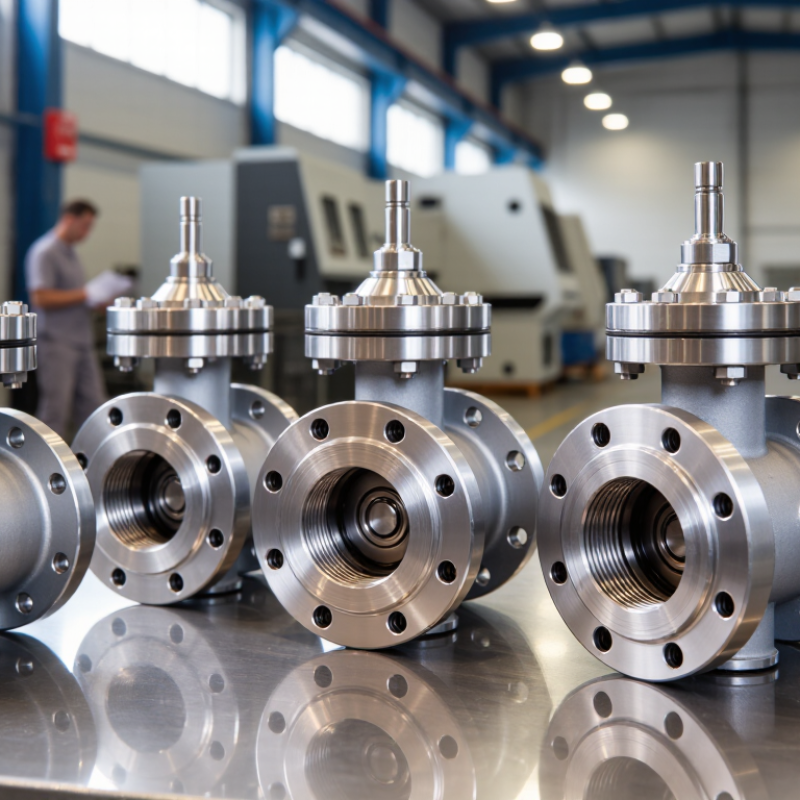
What Is a Silent Check Valve and How Does It Work?
A silent check valve prevents reverse flow while reducing water hammer in piping systems. Unlike a swing check valve, it uses a short-travel, spring-loaded disc or piston. The disc opens when forward pressure exceeds the spring force. It closes quickly when flow slows or reverses. This action happens before reverse flow gains enough speed to create a loud impact. No sudden slam.
In pump-room inspections, I check the valve’s arrow, seating condition, and installation space. A correctly sized valve opens smoothly with limited pressure loss. An undersized passage can restrict the pump and increase operating costs. Excessive velocity may also cause vibration. These details are easy to overlook. The body material should match the fluid, pressure, temperature, and local water quality. Stainless steel may suit corrosive service, while coated ductile iron can work for many water systems.
Reliable manufacturers and suppliers should provide flow data, pressure ratings, spring specifications, and inspection records. Ask for test results, not only a catalog description. The valve usually needs a stable pipe section and proper support. Poor alignment can prevent the disc from seating evenly. Although called silent, no valve is completely noiseless in every installation. Pump pulsation, air pockets, and unstable flow can still produce sound. Field measurements may reveal problems that design calculations miss. That is where engineering judgment matters.
FAQS
Request body material, seat design, pressure class, temperature range, and flow coefficient data. Ask for drawings showing spring location, disc travel, dimensions, and installation direction. Small details matter.
Confirm hydrostatic, pneumatic, and functional testing for every batch. Test records should connect clearly with serial numbers. Material certificates should show the alloy, heat number, and inspection standard. A certificate alone proves little.
Common body materials include ductile iron, cast steel, stainless steel, and bronze. Internal parts may include stainless steel springs and reinforced seats. Seal materials can include EPDM or NBR. Match materials to the fluid and temperature.
Typical options include wafer, flanged, threaded, and nozzle-style designs. The connection must match the pipe standard and installation space. Measure carefully. Small errors can delay installation.
Ask how the disc closes and how quickly it reaches the seat. Short-stroke discs may reduce reverse flow and water hammer. Request test methods or field data from similar piping systems. Claims without evidence need caution.
Provide pipe diameter, pressure, temperature, fluid type, flow direction, and installation position. Also explain the pump arrangement and expected operating conditions. Quiet operation helps, but stable closing performance matters more.
Yes, inspect a sample before approving bulk production. Check casting quality, coating, flange or thread finish, and disc movement. Test it under conditions close to the project. One sample may not represent every batch.
Review batch traceability, inspection records, machining controls, and assembly procedures. Visit the factory when possible. Look for clean work areas, calibration labels, and protected finished valves. A perfect sample may hide uneven production. That possibility deserves attention.
Conclusion
A Silent Check Valve is a non-return valve designed to control fluid flow and prevent reverse movement while reducing water hammer, vibration, and operating noise. Its quick-closing mechanism and streamlined internal structure help protect pumps, pipelines, and other equipment in water supply, HVAC, industrial processing, and fire protection systems. China’s manufacturing industry offers a wide range of valve designs, materials, pressure ratings, connection standards, and customization services, supported by increasingly advanced production and testing capabilities.
When evaluating Chinese Silent Check Valve manufacturers, buyers should consider engineering experience, material traceability, machining accuracy, pressure and leakage testing, quality management systems, certifications, production capacity, and after-sales support. Product options may include wafer, flanged, threaded, and customized configurations for different media and installation conditions. The right supplier should provide clear technical documentation, reliable delivery, consistent quality, competitive total cost, and responsive communication, ensuring that the selected Silent Check Valve matches the pipeline system’s pressure, temperature, flow, and maintenance requirements.

