
Featured EPDM Seated & Industrial Flow Valves (Series Part I)
Precision-machined concentric, eccentric, and resilient seated flow control hardware engineered to ASTM, DIN, BS, and JIS dimensional specifications.
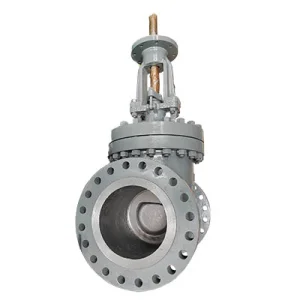
China DN600 WCB OS&Y Rising Stem Gate Valve Manufacturer, Exporter
Explore Specifications →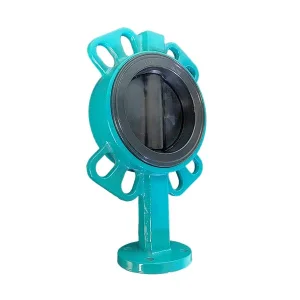
China DN100 EPDM Fully Lined Wafer Butterfly Valve Multi-standard Manufacturer, Factories
Explore Specifications →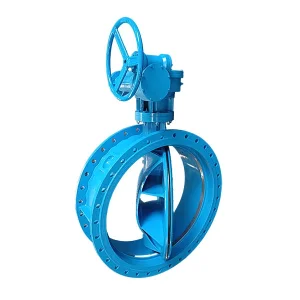
OEM Flange Connection Double Eccentric Butterfly Valve Manufacturers, Exporters
Explore Specifications →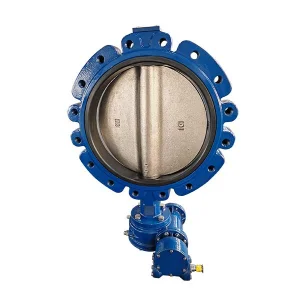
OEM 18" Hard Back Seat Lug Butterfly Valve with Pin DN450 PN10 Manufacturer, Exporters
Explore Specifications →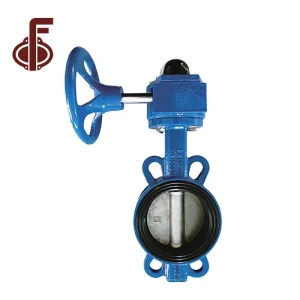
OEM Worm Gear Wafer Butterfly Valve Manufacturer, Factory
Explore Specifications →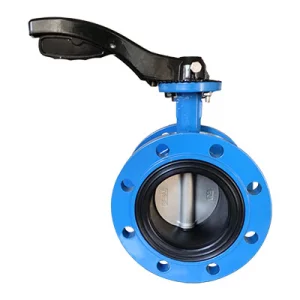
OEM EN593 Replaceable EPDM Seat DI Flange Butterfly Valve Manufacturer, Manufacturers
Explore Specifications →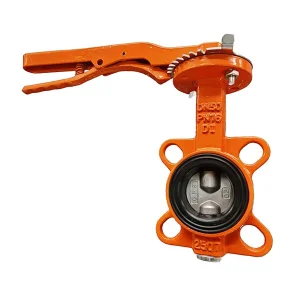
OEM DN50 Dovetail Seat Double Shaft Wafer Butterfly Valve PN16 Factory, Exporters
Explore Specifications →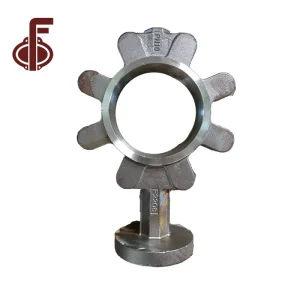
OEM Lug Type Butterfly Valve with Body Factory, Exporter
Explore Specifications →The Technological Evolution of Resilient EPDM Seat Butterfly Valves
Modern industrial plants demand zero fugitive emissions, minimal rotational torque, and maximum cavitation resistance. Engineering an industrial-grade butterfly valve begins at the molecular level of synthetic terpolymer elastomers.
Peroxide vs. Sulfur Curing Chemistry
Standard commercial valves often implement sulfur-cured EPDM, which degrades under persistent thermal cycling and oxidative exposure. As an advanced OEM butterfly valve factory, our clean-room elastomer compounding lines utilize organic peroxide cross-linking agents.
Peroxide vulcanization establishes carbon-to-carbon bonds rather than weaker polysulfidic bonds. This reduces the compression set to under 18% after 1,000 hours of continuous loading at 100°C, extending functional valve life from 5 years to over 15 years in municipal heating, HVAC loops, and chilled fluid circuits.
- Eliminates free sulfur leaching in potable water (NSF/ANSI 61 and WRAS standard compliance).
- Superior tensile retention under chloramine and chlorine dioxide disinfection regimes.
- Operating temperature threshold: -30°C to +135°C (continuous) and +150°C (intermittent surges).
Mechanical Anchorage: Hard-Back vs. Dovetail Seats
A primary failure mode in generic butterfly valves is seat deformation or collapse induced by line vacuum, high fluid velocity (>4 m/s), or excessive piping misalignment. ZFA Valve incorporates two specialized seat retention architectures:
1. Hard-Backed Phenolic Cartridge: The EPDM elastomer is vulcanized directly onto an engineering phenolic or aluminum backing ring. This rigid cartridge prevents radial stretch, maintains strict circularity, and guarantees consistent break-away operating torque throughout high-cycle automated actuation.
2. Dovetail Retention Profile: Machined interlocking grooves in the ductile iron body hold the elastomer firmly in place. This allows on-site field replaceability without requiring specialized vulcanizing equipment, significantly decreasing lifecycle plant maintenance overhead.
Hydrodynamic Disc Profiling & Micro-Finishing
Flow resistance directly correlates with pumping energy consumption in large-scale infrastructure. Our engineering team utilizes CFD (Computational Fluid Dynamics) to optimize the disc camber profile.
By producing ultra-thin, contoured disc edges in 316 Stainless Steel (CF8M), Nickel-Aluminum Bronze (C95800), or Ductile Iron coated with Nylon-11, fluid drag and turbulent eddies are minimized. The perimeter seating edge undergoes spherical CNC grinding to an Ra 0.2–0.4 μm mirror finish. This ultra-smooth contact interface reduces seat wear, prevents micro-tearing of the EPDM lining, and reduces mechanical actuator torque requirements by up to 30% compared to standard castings.
Engineering Standards & Quality Metrics for Enterprise Procurement
Navigating international compliance requires technical alignment across testing protocols, wall thickness, flange connection standards, and metallurgical testing.
| Engineering Parameter | International Standard | OEM Factory Execution Specification | Compliance Verification |
|---|---|---|---|
| Design & Manufacture | API 609 / EN 593 / MSS SP-67 | Concentric / Double Offset; Category A & Category B configurations | CE / PED Approved |
| Face-to-Face Dimensions | ISO 5752 Series 20 / EN 558-1 / API 609 | Strict interchangeable face-to-face dimensions for wafer, lug, and flanged formats | Interchangeable |
| Shell Pressure Testing | ISO 5208 / EN 12266-1 / API 598 | Hydrostatic test at 1.5 × PN (Cold Working Pressure) without sweating or deformation | 100% Inspected |
| Seat Tightness Testing | ISO 5208 Rate A / EN 12266 Rate A | Hydrostatic test at 1.1 × PN & Low-Pressure Air test at 0.6 MPa; zero bubble leakage | Zero Leakage |
| Body Metallurgy | ASTM A536 / EN 1563 / EN-GJS-400-15 | Nodular Ductile Iron GGG40/GGG50 with minimum tensile strength ≥400 MPa, elongation ≥15% | EN 10204 3.1 MTR |
| Coating & Corrosion Prot. | DIN 30677-2 / EN ISO 12944 | Fusion Bonded Epoxy (FBE) powder, electrostatically applied, thickness 250–300 μm; High-voltage spark tested | Zero Pinhole |
| Top Flange for Actuation | ISO 5211 Direct Mount | Standardized F05, F07, F10, F12, F14, F16 patterns with keyed or double-D stem splines | Universal Automation |
Two-Shaft Pinless Architecture
Eliminates through-disc pin leakage and galvanic corrosion between mismatched pins and discs. Torque transmission is executed via precision-machined square or hexagonal internal splines, maximizing effective flow area.
Multi-Standard Flange Locating Holes
Wafer body castings feature multi-standard alignment lugs compatible with ANSI Class 125/150, DIN PN10/PN16, and JIS 10K flanges, consolidating international stock-keeping units (SKUs) for master distributors.
Blowout-Proof Stem Engineering
Compliant with international safety codes, internal retaining rings and secondary stem O-rings ensure full operator and plant safety under severe pressure spikes and operating conditions.
China Factory 4.0: Modern Supply Chain Resilience & OEM Scalability
Tianjin Zhongfa Valve Co., Ltd. (ZFA Valve) operates at the nexus of technological automation and comprehensive foundry integration, delivering an optimized cost-to-performance matrix for worldwide engineering procurement.
Fully Integrated Modern Foundry Cluster
Unlike simple assembly shops that source variable rough castings from disparate third parties, our Tianjin production complex benefits from deep localized supply chain integration. Controlled automated casting lines utilize resin sand and lost-foam molding to guarantee high density and uniform wall thickness.
Spectrographic spark analysis inspects every molten iron melt for precise nodularity (minimum 85%), silicon, and carbon ratios prior to pouring, eliminating internal porosity, sand holes, and structural cold-shuts.
CNC Machining Cells & Automated Tooling
Dimensional tolerances are controlled across 4-axis and 5-axis vertical machining centers. Critical tolerances on body seat cavities, stem bores, and flange facing surfaces are held within ±0.02 mm.
By automating the disc outer diameter spherical machining process, our production facility maintains absolute concentricity with the stem axis. This geometric precision ensures uniform elastomeric seat compression across 360 degrees, eliminating premature seat pinching, local erosion, and high break-away torque spikes.
Digital Traceability & Automated Testing Rigs
In accordance with ISO 9001 and European Pressure Equipment Directive (PED 2014/68/EU), every single valve undergoes computerized dual-direction pressure testing prior to preservation packing.
Digital pressure sensors log shell testing (1.5 × design rating) and seat testing (1.1 × design rating) data automatically. Unique heat numbers, batch codes, and operator identifiers are laser-etched onto bodies and tags, providing full supply chain traceability from raw pig iron to project commissioning.
Deployment Landscapes Across Global Commercial & Heavy Industries
Resilient seated EPDM butterfly valves represent over 45% of all quarter-turn valve installations globally. Understanding specific operating conditions guarantees correct engineering configurations.
Municipal Water Treatment & Potable Networks
In potable water distribution networks, raw water intake plants, and sewage treatment works, valves must withstand persistent microbial attack, bio-fouling, and disinfectants.
OEM EPDM butterfly valves certified under WRAS, NSF/ANSI 61, and ACS standards prevent organic compound leaching while resisting degradation from chlorine and chloramine residuals. Full body lining isolates the ductile iron casing from corrosive flow media, eliminating tuberculation and internal encrustation.
Hyperscale Data Center & District Cooling (HVAC)
As modern cloud computing infrastructure and smart urban developments scale, closed and open-loop chilled water distribution networks require massive volumes of dependable butterfly valves.
Low operating torques allow downsized electric actuator selection, cutting electrical panel loads and building management system (BMS) infrastructure costs. Tight shutoff prevents energy loss across bypass headers, chillers, cooling towers, and terminal Air Handling Units (AHUs).
Seawater Desalination & Marine Ballast (BWMS)
Seawater Reverse Osmosis (SWRO) facilities and commercial marine vessels operate under intensely corrosive maritime environments where chloride stress pitting rapidly destroys standard carbon steels.
Combining heavy-walled ductile iron or duplex stainless steel disc geometries with high-grade peroxide EPDM liners prevents galvanic corrosion. EPDM seats offer high resilience against abrasive marine micro-solids, silt, and sand particles during seawater intake and brine effluent discharge.
Real-World Engineering Application Scenarios
Field-proven deployments highlighting how specific material selection, stem sealing, and design adaptations resolve operational pain points for international project developers.
SWRO Seawater Intake Header Isolation
Operating Conditions: High-salinity Arabian Gulf seawater (45,000 ppm TDS), ambient temperatures up to 52°C, line operating pressure 1.6 MPa (16 bar).
Engineering Solution: Customized Lug-type butterfly valves with ASTM A536 ductile iron bodies protected by 300 μm marine-grade fusion-bonded epoxy. Equipped with Aluminum Bronze (C95800) discs and high-purity, peroxide-cured molded EPDM seats with integral O-ring flange faces.
Field Outcome: Complete elimination of crevice corrosion along flange contact faces; zero seat hardening observed after 48 months of continuous operational duty.
Continuous Modulating Chilled Water Secondary Loop
Operating Conditions: Closed-loop chilled water containing 30% industrial ethylene glycol, operating temperature 6°C to 12°C, rapid automated modulating cycles via 4–20 mA BMS actuators.
Engineering Solution: DN150–DN400 Wafer-style butterfly valves configured with hard-back bonded phenolic EPDM liners and mirror-polished 316SS discs with two-shaft pinless drive geometry conforming to ISO 5211 direct mounting.
Field Outcome: Hysteresis kept below 1.2%, uniform dynamic torque curve extended actuator gearbox service life, zero glycol weeping at stem packing boundaries.
Deep Trench Underground Potable Trunk Main
Operating Conditions: Buried water supply line subject to ground moisture, soil settling forces, and hydraulic pressure transients up to 10 bar.
Engineering Solution: Double-flanged EN 593 butterfly valves constructed with high-ductility EN-GJS-500-7 iron, dovetail replaceable WRAS-approved EPDM elastomer, stainless steel extended shafts, and IP68 submersible worm gearboxes.
Field Outcome: Resisted external bending stresses with zero shell distortion, delivering bubble-tight isolation during routine sectional pipeline sanitization and testing.
Elastomer & Body Selection Matrix
Over 80% of premature field valve failures stem from inaccurate elastomer or body material selection during preliminary engineering RFQ stages. Review the comparative suitability matrix below.
| Material Designation | Thermal Boundary | Recommended Fluid Media | Incompatible Media (Avoid) | Mechanical Resilience |
|---|---|---|---|---|
| EPDM (Peroxide Cured) | -30°C to +135°C | Potable water, chilled water, low-pressure steam, mild acids, alkalis, glycol | Hydrocarbons, mineral oils, gasoline, kerosene, diesel | High Tear Resistance |
| EPDM (High-Temp EPDM) | -20°C to +150°C | District heating systems, hot washdown lines, boiler secondary loops | Aromatic solvents, halogenated solvents, concentrated acids | Moderate Tear Resistance |
| NBR (Nitrile Butadiene) | -15°C to +85°C | Petroleum derivatives, fuel oils, lubricating oils, compressed air, oily water | Hot water (>70°C), ozone, strong oxidizers, polar solvents | High Abrasion Res. |
| PTFE (Teflon Lined) | -25°C to +180°C | Highly corrosive mineral acids (sulfuric, nitric), aggressive solvents, ultra-pure chemicals | Abrasive slurries, rapid cyclic thermal shocks, fluorine gas | Low Elastic Memory |
| FKM (Viton Elastomer) | -10°C to +200°C | High-temperature hydrocarbons, concentrated mineral acids, chlorinated solvents | Low-pressure steam, ketones, low molecular organic acids | Moderate Elasticity |
Featured EPDM Seated & Industrial Flow Valves (Series Part II)
Expand your system design with high-performance wafer, lug, automated electric, and extended stem soft sealing valve solutions.
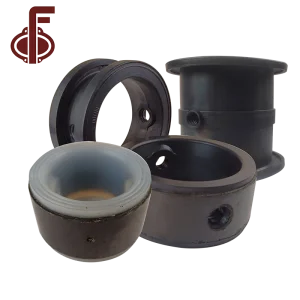
OEM Soft/Hard Back Seat Butterfly Valve Seat Exporter, Exporters
Explore Specifications →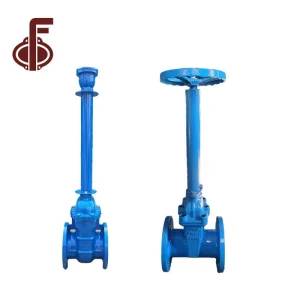
China DI PN10/16 class150 Long Stem Soft Sealing Gate Valve Manufacturers, Factories
Explore Specifications →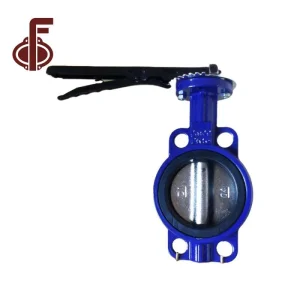
OEM ZA01 Ductile Iron Wafer Type Butterfly Valve Manufacturer, Exporter
Explore Specifications →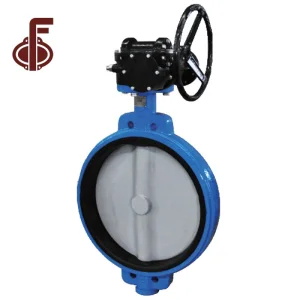
OEM Worm Gear Wafer Butterfly Valve with Nylon Covered Disc Manufacturers, Factory
Explore Specifications →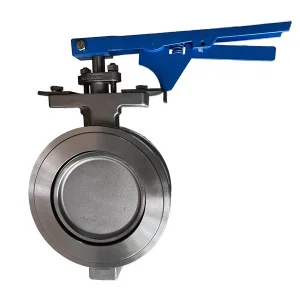
OEM Lever OP Wafer High Performance Butterfly Valve HP BFV Factory, Exporters
Explore Specifications →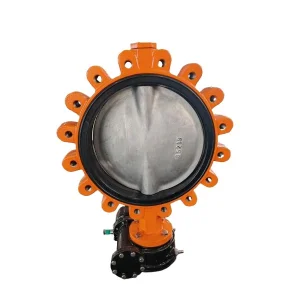
China Two Shaft Replaceable Seat Lug Butterfly Valve DN400 PN10 Manufacturers, Exporters
Explore Specifications →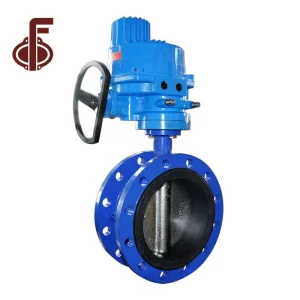
OEM Electric Actuator Flange Type Butterfly Valves Manufacturer, Factories
Explore Specifications →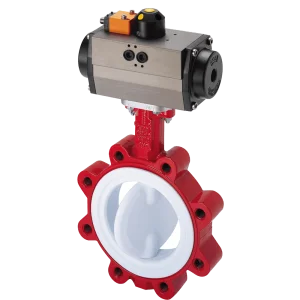
OEM PTFE Full Lined Lug Butterfly Valve Manufacturer, Exporter
Explore Specifications →Frequently Asked Questions (FAQ) for Engineering & Procurement
Detailed technical answers to common queries regarding design certifications, seat vulcanization, automation sizing, and international quality verifications.
What defines "Bubble-Tight" zero leakage in EPDM seat butterfly valves?
According to ISO 5208 and EN 12266-1 "Rate A" testing criteria, zero visible leakage (bubbles or droplets) is permitted across the seat face during bidirectional hydrostatic pressure testing at 1.1 times the cold working pressure rating (e.g., 17.6 bar for PN16 valves) held for the designated minimum duration (typically 15 to 120 seconds depending on nominal diameter). ZFA Valve tests 100% of factory production to strict Rate A standards using automated multi-port test benches.
Why is peroxide-cured EPDM preferred over sulfur-cured EPDM for potable water?
Sulfur vulcanization creates di-sulfidic and poly-sulfidic cross-links that can degrade when exposed to chloramines and chlorine disinfectants commonly used in water treatment. This leads to hardening, micro-cracking, and the leaching of vulcanization residues that impart taste and odor. Peroxide curing creates direct carbon-carbon crosslinks, which provide superior chemical stability, lower compression set, resistance to oxidative breakdown, and direct compliance with WRAS, ACS, and NSF/ANSI 61 potable water certifications.
How do you calculate safety margins for sizing pneumatic or electric actuators?
Valve operational torque is a composite calculation factoring in seat friction torque, hydrodynamic dynamic torque, bearing friction torque, and fluid media lubricity. For clean water applications at ambient temperatures, an engineering safety margin of +25% to +30% over published break-away torque is standard. For dry media, slurries, or high-velocity applications exceeding 3.5 m/s, a safety margin of +35% to +50% is required to prevent actuator stall during startup after extended stationary periods.
What are the key advantages of a two-shaft pinless butterfly valve over pinned designs?
Pinned butterfly valves utilize taper pins driven through the disc hub and stem. Over time, these pins can become primary leak paths, loosen under persistent vibration, or experience galvanic corrosion due to metallurgical variance between the pin and disc. Two-shaft pinless designs feature an upper drive shaft and lower stub shaft seated inside internal drive broachings within the disc hub. This isolates the stem from flow media, prevents through-stem leakage, and minimizes turbulence across the disc face.
Can resilient seated EPDM butterfly valves be utilized in dead-end service?
Wafer-style butterfly valves cannot be utilized for dead-end service because they rely on compressive force between two pipeline companion flanges to seal. Lug-type valves with fully threaded bolt holes can be used for dead-end service, provided the downstream companion flange is removed while maintaining system pressure upstream. When specified for dead-end applications, ZFA Valve rates lug valves up to 10 bar or 16 bar depending on specific body metallurgy and seat backing design.
What quality documentation is included with an OEM export shipment?
Every commercial order is accompanied by a full QA/QC dossier including: EN 10204 3.1 Inspection Mill Test Certificates covering chemical spectrometry and tensile/elongation physical properties; Hydrostatic Shell and Seat Leakage Test Reports; Coating Thickness and Pinhole Spark Test Certificates; Certificate of Origin; and CE/PED Declaration of Conformity. Specialized third-party inspection (SGS, BV, TÜV) is readily accommodated upon request.
How does your factory manage private labeling and OEM brand customization?
We provide full white-label OEM manufacturing for brand owners, master distributors, and EPC valve contractors. Customization includes casting client logos into valve bodies, bespoke rivet-fixed 304/316 stainless steel nameplates, customized epoxy coating RAL colors (e.g., standard RAL 5015 Sky Blue, RAL 5005 Signal Blue, or RAL 3000 Fire Red), tailored lever/handwheel designs, and barcode-ready export packaging.
Partner with an Engineering-Driven OEM Valve Factory
Whether you require multi-container standard wafer stock for commercial distribution or bespoke project-engineered lug valves with specialized actuator integrations, our technical team in Tianjin delivers within your project specifications.
