
Precision Engineered Valve Systems · Batch 01
Explore our high-performance baseline configurations engineered for rigorous pressure classes and diverse operational media. Direct factory supply featuring ductile iron, CF8, CF8M, and forged alloys with full traceability.
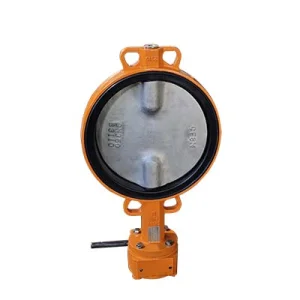
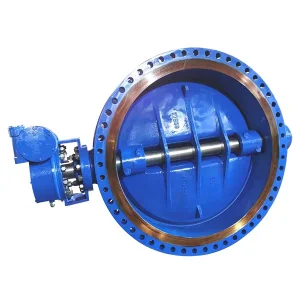
China Worm Gear Operated CF8 Disc Double Stem Wafer Butterfly Valve Manufacturer, Exporter
View Specifications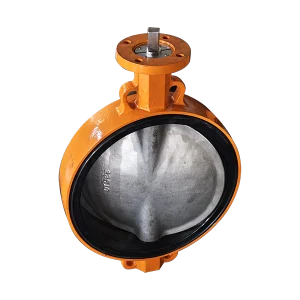
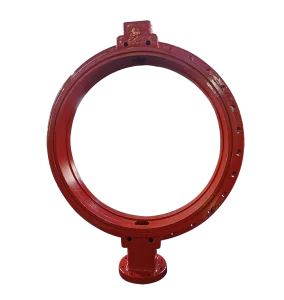
China Ductile Iron Single Flanged Wafer Type Butterfly Valve Body Factory, Exporter
View Specifications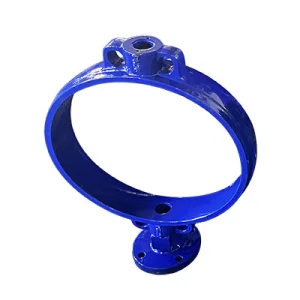
The Evolution of Metal Seated Valves in Critical Flow Isolation
Modern chemical processing, thermal power generation, district energy distribution, and deep-sea hydrocarbons operate in regimes where resilient elastomer (EPDM, NBR) and polymer (PTFE, PEEK) seals experience rapid creep, thermal degradation, and mechanical tearing. Metal seated butterfly valves—particularly Triple Offset Valves (TOVs)—represent an indispensable transition toward frictionless mechanical engagement, zero-leakage shutoff under fire conditions, and prolonged life cycles.
Global Decarbonization & Steam Infrastructure
Combined Cycle Gas Turbine (CCGT) power plants, biomass heating, and industrial waste-heat recovery systems require valves capable of cycling through high-velocity superheated steam without galling. Metal seated disc designs featuring Stellite hardfaced seats resist wire-drawing erosion where soft seats perish within hours of operation.
- Resistance to thermal shock during rapid turbine trip events
- Inherent fire-safe integrity certified to API 607 and ISO 10497
- Elimination of elastomeric emissions under continuous 450°C loading
Cryogenic Gas & LNG Liquefaction
With the dramatic global scaling of Liquefied Natural Gas (LNG) bunkering, floating storage units (FSRUs), and liquid hydrogen pilot projects, valves must survive cryogenic contractions down to -196°C. Triple offset metal seals prevent thermal freeze-binding and ensure bi-directional bubble-tight sealing during boil-off gas handling.
- Austenitic stainless steels (CF8M, CF3M) with Charpy V-notch testing
- Extended bonnet designs per BS 6364 isolating packing from cold soak
- Graphite-laminated metal seat rings conforming to thermal expansion
Fugitive Emission Containment
Environmental regulatory bodies worldwide enforce stringent LDAR (Leak Detection and Repair) protocols including EPA Method 21 and ISO 15848-1. Our OEM manufacturing facility incorporates live-loaded PTFE or die-formed graphite stem packing systems, reducing volatile organic compound (VOC) leakage down to Class AH levels.
- Belleville spring energized packing cartridges maintain preload
- Shaft finish diamond-burnished to Ra 0.4 µm to eliminate packing abrasion
- Zero pin-hole leakage through integral blow-out proof stems
Deconstructing the Triple Eccentric Seating Mechanism
Concentric and double-eccentric butterfly valves rely on varying degrees of interference friction when seating, causing wear and high operational torque. Our OEM metal seated butterfly valve manufacturing utilizes precision triple offset geometry, enabling pure camming motion where contact between the metal seat and seal ring occurs exclusively at the final degree of closure.
| Offset Parameter | Kinematic Principle | Engineering Benefit | OEM Machining Specification |
|---|---|---|---|
| First Offset (Shaft Offset) | Stem axis is located behind the sealing plane of the body seat. | Provides an uninterrupted continuous 360° sealing surface without stem penetrations through the seal ring. | CNC 4-axis boring within ±0.015 mm axis concentricity. |
| Second Offset (Disc Eccentricity) | Stem centerline is offset laterally from the pipeline and valve bore centerline. | Causes the disc to lift immediately off the seat upon rotation, eliminating circular friction and rubbing. | Precision fixture milling ensuring dynamic clearance balancing. |
| Third Offset (Conical Sealing Angle) | The seat cone axis is tilted obliquely relative to the pipeline axis. | Transforms sealing from a friction-dependent slide into a mechanical wedging action, enabling zero-leakage shutoff. | Multi-axis profile grinding with angle tolerance within 0.05°. |
Torque-Seated vs. Position-Seated
Unlike soft-seated valves that depend on actuator position travel stops, metal-to-metal triple offset valves are strictly torque-seated. Actuator torque pushes the laminated metallic ring firmly into the conical body seat, ensuring that thermal expansion or minor piping misalignments do not break the seal envelope.
Bidirectional Tightness Dynamics
In the preferred direction, line pressure energizes the seal by pressing the disc into the seat. In reverse flow, our reinforced shaft supports and heavy-duty disc clamping plates resist dynamic deflection, maintaining ISO 5208 Rate A / API 598 bubble-tight performance against full rated differential pressure ($\Delta P$).
Anti-Cavitation Trim Options
For throttling and high pressure-drop modulating scenarios, OEM customers can request customized drilled disc edge vanes or slotted baffle plates that split cavitation bubbles into micro-vortices, drastically mitigating noise, vibration, and cavitation erosion on downstream pipe spools.
Comprehensive Valve Trim & Seat Material Engineering Guide
Selecting the correct metallurgical pairing is essential for valve longevity. Our foundry and engineering department cross-reference aggressive chemical compounds, cavitation indexes, and thermal cycling parameters to recommend optimal substrate and hard-facing solutions.
| Seat & Seal Configuration | Typical Industrial Media | Temperature Envelope | Key Operational Advantages | Operational Restrictions |
|---|---|---|---|---|
| EPDM Resilient Seat | Potable water, raw wastewater, chilled & hot HVAC water, dilute acids, alkaline solutions. | -20°C to +120°C | Economical, excellent memory retention, zero bubble leakage at low pressure. | Avoid with mineral oils, fuels, hydrocarbons, aromatic solvents. |
| NBR (Buna-N) Resilient | Petroleum derivatives, crude oil, diesel fuel, hydraulic fluid, compressed gas, LPG. | -10°C to +82°C | Superior oil and abrasion resistance, high tear strength. | Avoid with ozone, ketones, nitro hydrocarbons, strong oxidizing chemicals. |
| PTFE / RTFE Virgin & Filled | Aggressive acids (sulfuric, nitric), corrosive chemicals, ultrapure & pharma water. | -20°C to +180°C | Near-universal chemical inertness, low breakout torque, ultra-smooth surface. | Avoid with heavy slurries, abrasive scale, high thermal cycle creep. |
| Laminated SS316 + Flexible Graphite | Superheated steam, high-pressure hydrocarbons, thermal oils, flare gases, refinery catalytic units. | -50°C to +450°C | API 607 fire-tested tight shutoff, elastic resilience under cycling, low torque requirement. | Unsuitable for high-concentration abrasive slurries with large particulate. |
| Solid Metal / Stellite® Hardfaced | Boiler feed-water recirculation, coke fines, catalytic slurries, mining tailings, geothermal flash brine. | -196°C to +600°C | Maximum resistance to wire-drawing, cavitation scouring, mechanical gouging, high Rockwell C hardness (HRC 42-50). | Demands high-thrust/high-torque actuators; precise factory alignment mandatory. |
Our Controlled 5-Stage OEM Production & Metallurgical Workflow
Tianjin Zhongfa Valve Co., Ltd. (ZFA Valve) operates advanced manufacturing cells designed for brand owners, EPC contractors, and multinational OEMs. Every butterfly valve, gate valve, and check valve is manufactured in compliance with ISO 9001 and CE directives under stringent stage-gate inspections.
Drawing & Spec Review
Our sales engineering team analyzes client datasheets, 3D CAD models, Cv calculations, pipeline vibration modes, and flange drillings to validate design integrity prior to foundry tooling.
Casting & Material Check
Spectrographic chemical composition analysis, ultrasonic wall thickness scans, and Charpy impact tests confirm mechanical properties for WCB, LCC, CF8M, and Ductile Iron (GGG50) heats.
Precision Machining
Heavy-duty horizontal CNC centers process valve bodies, shaft bores, and conical seat sealing angles with sub-millimeter precision, achieving mirror surface finishes on critical sealing planes.
Assembly & Testing
Every single valve undergoes hydrostatic shell testing at 1.5× PN/rating and high-pressure seat leakage testing per API 598, EN 12266-1, or ISO 5208 before receiving green-tag approval.
Marking & Export Packing
Laser engraving of client OEM tags, traceability heat numbers, epoxy powder coating, and seaworthy vacuum-sealed export wooden crating guarantee pristine delivery to global destinations.
Need Project Specific OEM Tooling or Material Certs?
ZFA engineers supply 3.1 Material Test Reports (MTRs), pressure test logs, dimensional drawings, and torque curves within 24 hours of technical submission.
Audited Certifications: ISO 9001, CE, & Worldwide Project Compliance
Since our establishment in 2006 in Tianjin, China, ZFA Valve has maintained full compliance across all major international standards, allowing immediate engineering qualification for EPC tenders in North America, the European Union, the Middle East, Southeast Asia, and CIS regions.

Full Certificate Packs Available Upon Request
Multi-Standard Manufacturing Matrix
Whether your project specifications dictate ANSI/ASME flange standards for North American chemical plants or DIN/EN dimensions for European district cooling systems, our modular casting patterns cover universal drillings:
All valves are accompanied by certified mill test reports (EN 10204 3.1), non-destructive testing (NDT) documentation including magnetic particle and radiography reports, and hydrostatic shell/seat test logs signed by certified QA inspectors.
Localized Application Scenarios: Where Failure is Not an Option
Metal seated butterfly valves replace traditional gate and ball valves because of their compact quarter-turn design, significantly reduced weight footprint, and lower torque requirements. Discover how ZFA OEM configurations solve severe service bottlenecks across global markets.
Thermal Power Plants & Superheated Steam
Main steam turbine bypass, boiler feedwater isolation, and auxiliary steam headers experience temperatures exceeding 400°C and severe thermal cycling.
- Engineered Solution: Triple offset cast steel (WCB) or chrome-moly alloy (WC6/WC9) valves with Stellite 21 weld overlay seats.
- Impact: Zero steam loss, eliminating costly boiler blowdowns and improving thermal efficiency by up to 3.8%.
Refining & Petrochemical Hydrocrackers
Hydrocarbon cracking units, hydrogen recovery skids, and asphalt blending processes handle explosive, volatile compounds under elevated pressures.
- Engineered Solution: API 607 7th edition certified fire-safe designs featuring CF8M stainless bodies and grafoil packing.
- Impact: Safe automated shutdown under emergency fire conditions without toxic fugitive emissions into the environment.
Municipal District Heating & Geothermal
High-pressure hot water distribution networks (130°C–160°C, 25 bar) traverse extensive urban areas, demanding high flow capacity and zero maintenance.
- Engineered Solution: High-Cv double eccentric and triple eccentric flanged butterfly valves with corrosion-resistant trim.
- Impact: Reduces pumping power losses by over 14% compared to full-bore gate valves while eliminating maintenance excavation costs.
Expert Technical Articles & Design Guides
Deep insights written directly by Tianjin Zhongfa Valve Co., Ltd. senior valve engineers to assist piping designers and procurement managers in choosing the right flow components.
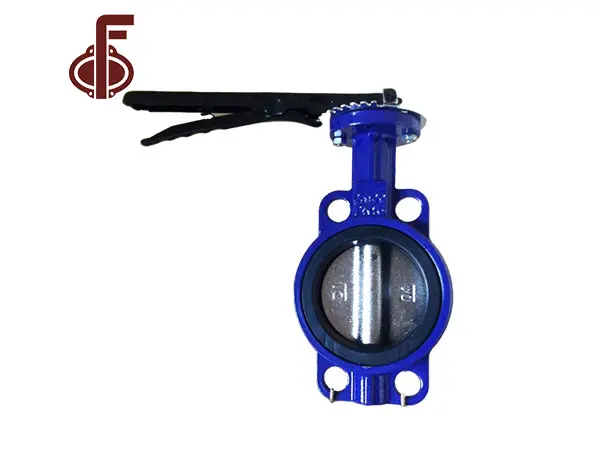
Ductile Iron Wafer Butterfly Valve with Aluminum Handle Production
An inside look at our automated epoxy coating, precision stem broaching, and high-strength aluminum lever handle assembly line for high-cycle industrial wafer valves.
Read Engineering Guide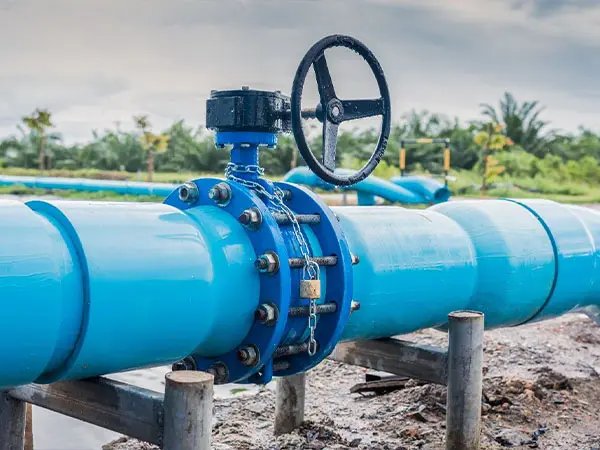
What Are the Connection Methods of Valves and Pipes?
Comprehensive structural analysis comparing wafer, lug, double-flanged, and butt-weld connections under bending moments, dead-end service, and thermal expansion strains.
Read Engineering Guide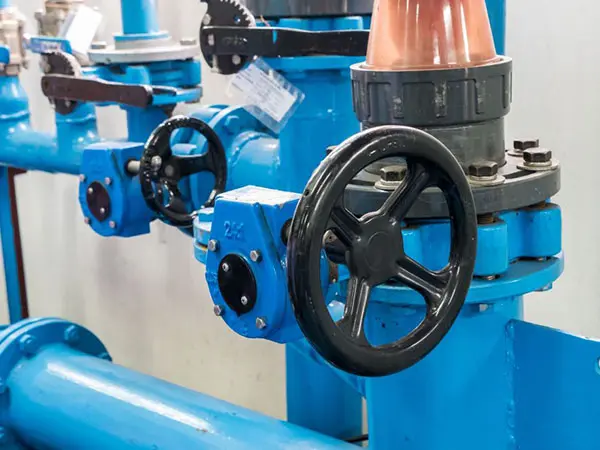
Pinned vs. Pinless Butterfly Valves: Which Fits Your Line?
Comparing spline-driven and square-drive pinless stem constructions against traditional taper-pin configurations for high-velocity slurries and corrosive atmospheres.
Read Engineering GuideEngineered Flow Control Series · Batch 02
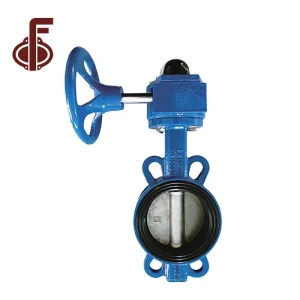
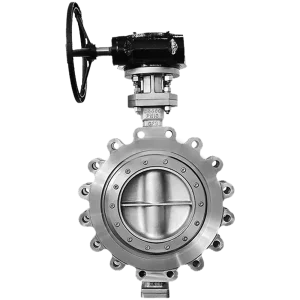
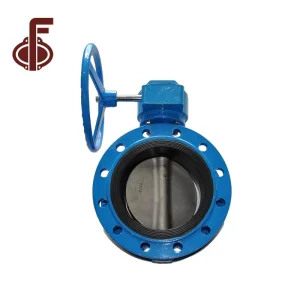
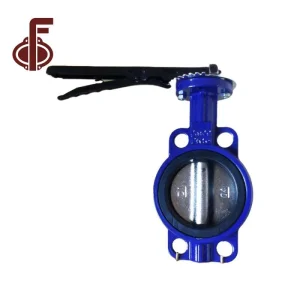
Select from our specialized lug type, double eccentric, worm gear operated, and flanged butterfly valves. Fully customizable with client-branded nameplates, custom face-to-face dimensions, and tailored paint systems.
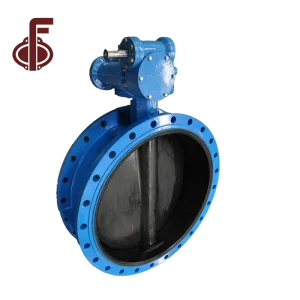
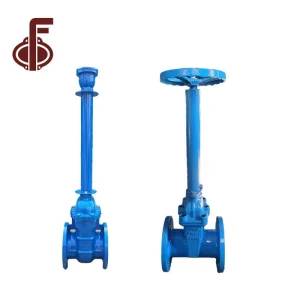
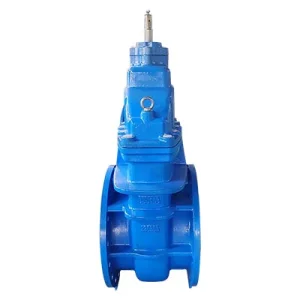
China DI PN10/16 class150 Long Stem Soft Sealing Gate Valve Manufacturers, Factories
View Specifications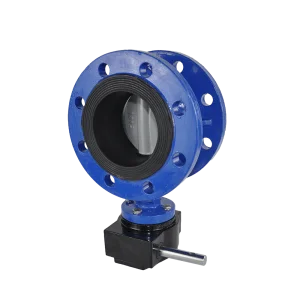
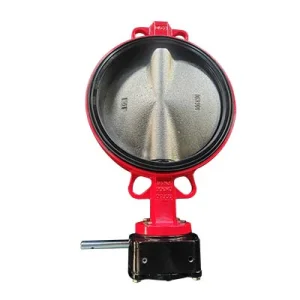
Technical Roadmap: Next-Generation Smart Valve Solutions
As heavy industry moves toward autonomous process control and zero net emissions, ZFA Valve invests in digitalized smart automation, advanced surface laser alloying, and additive seat profile manufacturing.
IoT-Enabled Digital Twin Torque Analytics
Integration of non-intrusive strain gauges and wireless transmitters inside the top-flange bracket to monitor live breakout torque. Predictive maintenance algorithms detect seat scale buildup or abnormal friction before catastrophic jamming occurs.
Laser Cladding & Micro-Alloy Hardfacing
Transitioning from traditional plasma transferred arc (PTA) welding to high-precision robotic 3D laser cladding. This achieves minimal dilution of Stellite and Inconel layers, elevating localized surface hardness to 58 HRC while eliminating thermal distortion of thin-wall discs.
Zero-Methane Fugitive Emission Architecture
Implementation of advanced multi-stage chevron cup packing systems energized with dynamically compensated disc springs, achieving certified Class AH stem sealing down to 10 ppmv helium leakage during 100,000 thermal endurance cycles.
Frequently Asked Questions: Specifications, OEM, & Delivery
Comprehensive answers to technical, commercial, and quality assurance queries routinely evaluated by EPC piping engineers, purchasing directors, and distributor partners.
Which international standards do ZFA valves comply with?
ZFA valves are engineered and manufactured in strict compliance with ASTM, ANSI, ISO, BS, DIN, GOST, JIS, and KS standards. This comprehensive compatibility ensures that our valves can be specified directly into piping systems across North America, Europe, the Middle East, CIS countries, and the Asia-Pacific region without flange interface mismatch.
What certifications does Tianjin Zhongfa Valve hold?
Tianjin Zhongfa Valve Co., Ltd. maintains an ISO 9001:2015 certified Quality Management System and holds full CE-PED (Pressure Equipment Directive 2014/68/EU) conformity. Complete audit certificates, test procedures, and mill test packs can be immediately downloaded or supplied alongside your initial project quotation.
Does ZFA offer OEM butterfly valve manufacturing?
Yes. OEM and private-label contract manufacturing represent our core business model. We support complete lifecycle customization—from CAD/SolidWorks design reviews and finite element analysis (FEA) to custom pattern tooling, casting, machining, hydrostatic testing, custom powder-coating, laser nameplate etching, and sea-freight packing. We also supply bare-shaft subassemblies and individual parts (bodies, discs, stems, seats) to local valve assemblers worldwide.
How do I choose between EPDM, NBR, and PTFE butterfly valve seats?
Seat material selection is governed by media chemical composition, operating temperature, and line pressure:
• EPDM: Recommended for raw water, treated potable water, municipal wastewater, and HVAC systems (-20°C to +120°C). Avoid with petroleum oils.
• NBR: The standard selection for petroleum oils, refined fuels, hydraulic fluids, and compressed air systems (-10°C to +82°C).
• PTFE: Demanded for aggressive chemical acids, alkaline solvents, food processing, and pharmaceuticals (-20°C to +180°C).
• Metal Seated (Laminated/Solid): Mandatory for high-temperature superheated steam, hydrocarbons above 200°C, abrasive slurries, and cryogenic applications.
How quickly will ZFA respond to a technical enquiry?
Our dedicated technical sales engineering department reviews and responds to RFQs sent to [email protected] within 24 hours. Responses include full dimensional drawings, material breakdowns, torque tables, and competitive commercial proposals.
What is the difference between concentric, double eccentric, and triple eccentric butterfly valves?
Concentric (Resilient Seated): The shaft sits in the exact center of the disc and body bore; sealing relies on continuous rubber interference. Ideal for low-pressure water and HVAC (up to PN16/200 PSI).
Double Eccentric (High Performance): The shaft is offset in two axes, pulling the disc away from the seat during the first 10-15 degrees of rotation to minimize wear. Commonly paired with PTFE seats for medium pressures (up to Class 300).
Triple Eccentric (Metal Seated): Adds a third angular offset in the seat cone geometry, converting seating into pure frictionless mechanical wedging. This permits solid metal Stellite or laminated metal sealing capable of handling extreme temperatures (-196°C to +600°C) and pressures up to Class 900 with ISO 5208 Rate A zero leakage.
How does ZFA guarantee zero-leakage shutoff on metal seated valves?
Zero leakage (API 598 zero drops / ISO 5208 Rate A) is achieved via precision multi-axis CNC grinding of the elliptical seat cone, matched with dynamic flexible laminated rings composed of alternating layers of stainless steel (316L/Inconel) and high-purity expanded graphite. Actuation torque compresses the laminate, causing the graphite layers to elastically expand and seal microscopic surface irregularities.
Can ZFA configure valves for high-cycle pneumatic and electric automation?
Every ZFA valve is engineered with direct-mount ISO 5211 top flanges and standardized double-D or keyed shaft drive ends. This permits direct mounting of double-acting and spring-return pneumatic actuators, electric intelligent quarter-turn actuators, or worm gears without bulky adapter brackets, drastically reducing hysteresis and overall footprint.
Initiate Your Custom OEM Valve Specification
Connect directly with Tianjin Zhongfa Valve Co., Ltd. senior application engineers. Submit your pressure class, media parameters, and actuator automation requirements for rapid project quotation.