
Primary OEM Fluoropolymer & Industrial Valve Series
High-performance flow-control configurations precision-machined in Tianjin, China. Certified to international pressure, shell, and seat tightness standards.
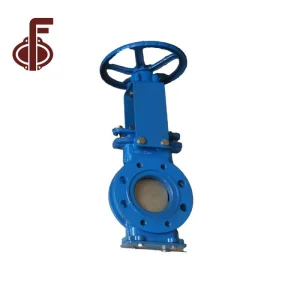
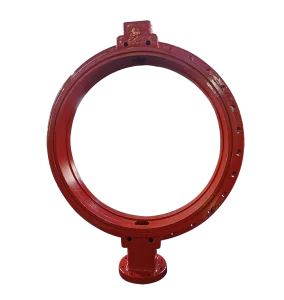
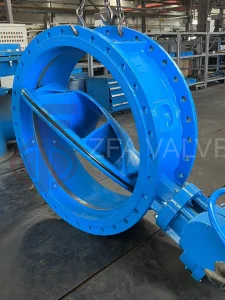
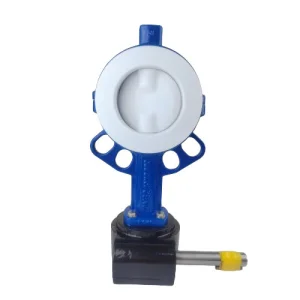
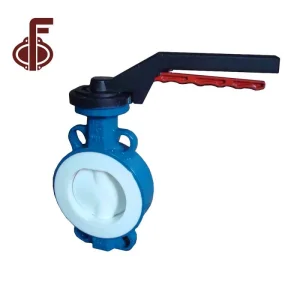
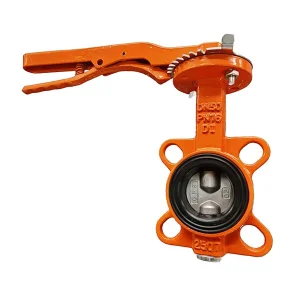
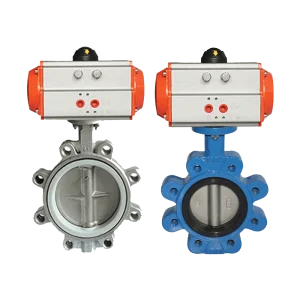
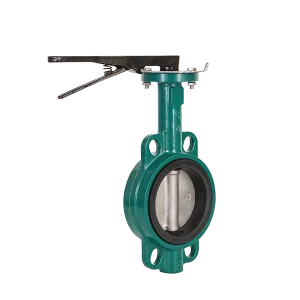
Engineering Principles of Teflon (PTFE/PFA) Coated Butterfly Valves
Understanding the mechanical, thermal, and chemical isolation dynamics that distinguish virgin fluoropolymer lined valves from conventional elastomer-seated isolation units.
Fluoropolymer Lining Integrity
Our Tianjin factory executes high-density compression molding for virgin PTFE and high-pressure transfer molding for melt-processable PFA. With a uniform liner thickness of 3.0mm to 5.0mm anchored into dovetail retention grooves, our liners resist mechanical peeling under severe pipeline flow velocity and negative vacuum pressures down to full vacuum conditions.
- Minimum 3.0mm virgin PTFE / PFA continuous lining
- 100% Spark-tested at 14kV to 20kV per ASTM D4894
- Full vacuum capability up to 150°C continuous
Split-Body Mechanical Architecture
Lined butterfly valves employ a two-piece split body design (cast ductile iron or stainless steel) with precision machined dowels. This allows the pre-formed PTFE seat liner and elastomer energizer (silicone or Viton core) to be assembled around a one-piece disc-shaft with controlled radial pre-compression, eliminating micro-gaps and excessive break-away torque.
- Two-piece split body with self-centering dowels
- Resilient silicone / FKM backing for continuous memory
- Reduced seating torque extends actuator operating life
Fugitive Stem Sealing Dynamics
Preventing atmospheric release of toxic vapors is paramount. ZFA Valve incorporates a dual-redundant stem seal configuration consisting of primary spherical disc-hub sealing surfaces combined with pre-loaded Belleville spring washers and PTFE chevron packing sets. This dynamic self-adjusting mechanism satisfies stringent TA-Luft and ISO 15848-1 environmental criteria.
- Live-loaded Belleville spring packing compensator
- Primary spherical hub preload stops stem creeping
- TA-Luft & ISO 15848-1 emission class certified
China OEM Foundry & Exporter Core Competencies
Tianjin Zhongfa Valve Co., Ltd. (ZFA Valve, established 2006) leverages northern China's premier metallurgical cluster, combining in-house automated molding, precision multi-axis CNC machining, and automated fluoropolymer sintering ovens.
Vertically Integrated Metallurgical Foundry Control
Unlike trading brokers or simple assembly shops, ZFA Valve maintains end-to-end oversight of raw material chemistry. Our foundry processes Ductile Iron grade EN-GJS-400-15 / GGG40, Cast Steel WCB, and Austenitic Stainless Steels CF8 and CF8M. Spectral optical emission analysis guarantees nodularity ratings exceeding 85% in ductile iron castings, eliminating structural micro-porosities before polymer lining is applied.
All raw castings undergo stress-relief annealing and shot blasting to SA 2.5 standards to promote optimal chemical bonding and mechanical interlock of the fluorocarbon sleeve.
Advanced Fluoropolymer Sintering & Molding Technology
Fluoropolymers demand precise thermal control. Overheating causes molecular chain scission; underheating results in high micro-porosity and rapid chemical permeation. ZFA Valve employs computer-controlled, multi-zone sintering chambers that follow strict ramp-soak-cool curves.
For disc encapsulated cores (featuring SS316 or 17-4PH shafts), transfer molding under 20 MPa hydraulic compression forces PFA melt into complex spherical geometries, achieving a continuous, void-free skin with surface finish Ra < 0.2 μm that minimizes flow boundary layer turbulence.
Fluoropolymer Selection Guide: PTFE vs PFA vs FEP vs ETFE
Selecting the appropriate fluorocarbon polymer matrix is critical to optimizing operational life expectancy, preventing permeation failures, and managing total ownership costs in severe chemical processes.
| Material Grade | Continuous Temp. | Molding Methodology | Permeation Resistance | Optimal Chemical Media | Application Suitability |
|---|---|---|---|---|---|
| Virgin PTFE Polytetrafluoroethylene |
-40 °C to +180 °C | Isostatic Compression / Paste Extrusion | Standard High Barrier | HCl, 98% H2SO4, Aqua Regia, Nitric Acid | Chemical distribution, water treatment, general acid isolation |
| Modified PTFE (TFM) Second-Gen Polymer |
-40 °C to +200 °C | High-Density Compression Sintering | Ultra-Low Permeation (50% vs PTFE) | Chlorine Gas (Cl2), Concentrated Alkalis, VOCs | Severe cyclic service, high vacuum lines, toxic gases |
| PFA Perfluoroalkoxy |
-50 °C to +200 °C | High-Pressure Melt Transfer Molding | Superior (Non-porous melt skin) | Ultra-pure chemicals, Hydrofluoric (HF), Amines | Semiconductor UPW, pharmaceutical WFI, fine chemicals |
| FEP Fluorinated Ethylene Propylene |
-40 °C to +150 °C | Injection / Compression Molding | High Translucency & Density | Mild inorganic acids, pickling solutions | Mining tailings, electroplating baths, moderate temp loops |
| UHMWPE Ultra-High Molecular Weight PE |
-30 °C to +90 °C | High-Load Ram Extrusion | Mechanical Slurry Resistant | Abrasive slurries, gypsum suspensions, silica | Flue Gas Desulfurization (FGD), mineral processing plants |
Combating Chemical Permeation & Liner Cold Flow
Under high pressure differentials and temperature fluctuations, small-molecule halogens and gases (such as chlorine, fluorine, and hydrochloric vapors) can permeate standard PTFE liners. Over prolonged cycles, this can induce micro-corrosion on the underlying ductile iron body shell.
To resolve this, our OEM engineering team specifies modified PTFE (such as Dyneon™ TFM1600) or melt-processable PFA. These advanced resins feature higher molecular entanglement densities, lowering the void content by 65% and substantially curbing mechanical creep (cold flow) under sustained stem compressive loading.
Thermal Shock Resilience & Vacuum Stability
A major vulnerability in lined butterfly valves is liner collapse when switching from steam sterilization to cooling cycles under vacuum. Thermal contraction of the polymer, if not structurally constrained, pulls the liner away from the valve bore.
ZFA Valve incorporates machined T-slots and dovetail locking geometries into both valve halves. When the liner is sintered or molded, it mechanically interlocks with the casting matrix, safely absorbing differential thermal expansion coefficients (α metal ≈ 12×10-6/K vs α PTFE ≈ 100×10-6/K) and holding full vacuum up to 180°C.
Mission-Critical Deployment Scenarios Across Global Heavy Industries
From semiconductor cleanrooms to abrasive mining hydrometallurgy, ZFA Valve delivers tailor-engineered Teflon coated butterfly valves adapted to severe operating environments.
Chlor-Alkali & Petrochemical
Installed in brine electrolysis, chlorine dioxide generation, and sulfuric acid dilution units where metallic alloys like Hastelloy C or Titanium exhibit high corrosion rates or prohibitive costs. ZFA's full-lined split-body valves deliver reliable zero-leakage shutoff.
- High concentration wet chlorine & caustic soda
- Eliminates corrosion common on exotic alloys
Semiconductor Wet Chemical & UPW
Semiconductor fabrication plants demand ultra-low trace-metal extraction and zero particle generation. ZFA provides high-purity PFA transfer-molded discs and virgin PTFE seats assembled in Class 1,000 cleanrooms, vacuum double-bagged for immediate fab installation.
- Ultra-Pure Water (UPW) 18.2 MΩ·cm loops
- Low TOC, no plasticizers or heavy metal stabilizers
Mining Hydrometallurgy & Acid Leaching
In copper, nickel, and gold atmospheric or pressure acid leaching (HPAL), slurry flow presents severe challenges of simultaneous acid attack and particle erosion. We configure heavy-duty ductile iron bodies with high-density UHMWPE or reinforced fluoropolymer discs.
- Resistance to acidic slurry abrasion
- Robust disc-stem pinless torque drive
Procurement Quality Matrix: Evaluating Chinese Valve Manufacturers
How international engineering procurement managers, EPC contractors, and multinational OEMs verify factory capabilities, review quality dossiers, and mitigate supply chain risk.
1. Metallurgical & Casting Traceability
A common pitfall in budget sourcing is grey iron (CI) masquerading as ductile iron (DI), or sub-standard scrap steel melting. ZFA Valve enforces full material traceability according to EN 10204 3.1 certification.
- Direct optical spectrometer heat analysis
- Yield, elongation, and Charpy impact data
- Traceable casting heat code embossed on body
2. 100% Spark & Hydrostatic Inspection
Fluoropolymer integrity cannot be verified by visual inspection alone. Sub-surface micro-pinholes or inclusions cause catastrophic shell blowouts in acid service. ZFA subjects 100% of manufactured discs and seat liners to high-voltage dielectric testing.
- 14kV to 20kV DC spark testing (zero breakdown)
- Hydrostatic shell test at 1.5× design pressure
- Low-pressure air seat test per EN 12266 Rate A
3. OEM Customization & Actuation Readiness
Global distributors require reliable private-label OEM support. ZFA Valve integrates custom casting marks, tagged nameplates, specialized epoxy finishes (C5-M marine anti-corrosion), and direct ISO 5211 top flange dimensions for seamless actuation mounting.
- ISO 5211 direct-mount automation platform
- Pneumatic, electric, and worm-gear matching
- Neutral or custom-branded export crating
Development Trends Shaping the Fluoropolymer Valve Sector
Technological roadmaps driving next-generation flow control: Smart digital valve diagnostics, ultra-thick PFA lining techniques, and green manufacturing practices.
Smart Actuation & Predictive Diagnostics
Modern process industries demand continuous condition monitoring. ZFA is engineering Teflon-coated butterfly valves integrated with low-power wireless torque and temperature sensors. By logging real-time operating break-away torque, predictive algorithms alert plant engineers to polymer swelling or chemical scaling before a valve binds.
Recyclable Resins & Low-Carbon Foundry Melting
Environmental compliance has revolutionized Chinese valve manufacturing. ZFA utilizes clean-energy electric induction melting and closed-loop fluoropolymer scrap recycling processes for non-wetted component tooling. This initiative has reduced the embodied carbon footprint per valve body by 28% over the past four years.
Extreme High-Purity (Class 100) Cleanroom Packaging
With the exponential expansion of global semiconductor gigafabs, valve cleanliness requirements now rival pharmaceutical standards. ZFA's expanded cleanroom facility introduces ultrasonic DI water baths, residue-free drying tunnels, and ultra-pure nitrogen purging prior to double-sealed foil bagging.
Complementary Butterfly, Lined & Pipeline Protection Valves
Extended lineup manufactured to ASTM, ANSI, ISO, BS, DIN, GOST, JIS, and KS dimensional and pressure specifications.
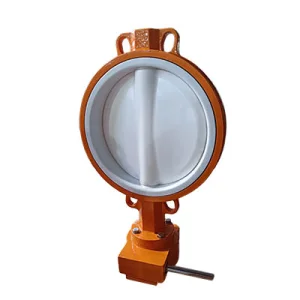
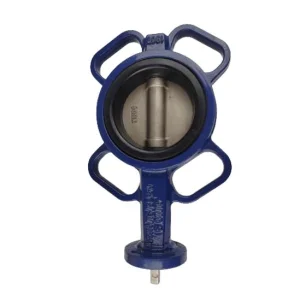
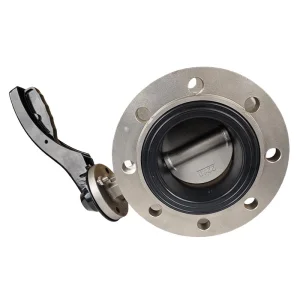
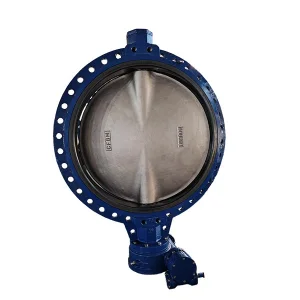
China DN1000 DI Hard Back Seat Mono Flange Butterfly Valve with Worm Gear Exporter, Exporters
Explore Specs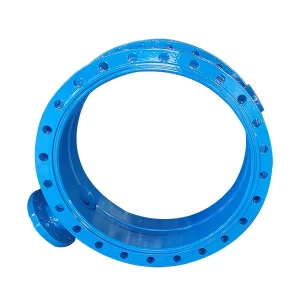
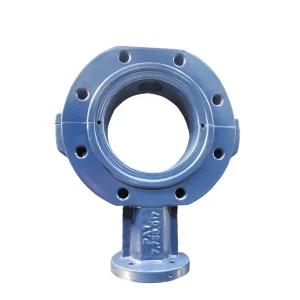
OEM Double Flanged Butterfly Valve Body for Replaceable Seat Manufacturer, Manufacturers
Explore Specs
Frequently Asked Questions: Teflon Coated Butterfly Valves
Authoritative answers to core engineering questions asked by project engineers, plant managers, and procurement professionals.
What is the technical difference between a Teflon-coated disc and a full PTFE-lined butterfly valve?
A Teflon-coated disc typically refers to an electrostatically applied fluoropolymer powder spray (such as PTFE or ETFE) cured onto a stainless steel substrate, yielding a thin barrier (approx. 0.3mm to 0.8mm). While it offers anti-stick properties and mild chemical protection, it is susceptible to mechanical scratches and pinhole erosion under abrasive flow.
In contrast, a full PTFE/PFA lined butterfly valve features a structural virgin polymer lining (minimum 3.0mm to 5.0mm thick) that completely isolates both the metal valve body and the entire disc surface from the pipeline media. The liner functions as both the primary wetted body wall and the resilient flange gasket seat, delivering maximum corrosion and permeation resistance.
How does ZFA Valve guarantee zero micro-porosities in fluoropolymer linings?
ZFA utilizes high-purity virgin resin granulates sourced from certified fluorochemical producers (e.g., Chemours, Daikin, Dyneon) with zero regrind content. Discs and bodies undergo automated high-voltage DC spark testing per ASTM D4894 and ASTM F1545 protocols. A calibrated electrode sweeps 100% of the lined surface at 14,000V to 20,000V. Any dielectric breakdown instantly triggers rejection and scrapping of the molded component.
What actuator sizing safety factors should be applied for Teflon-seated butterfly valves?
While virgin PTFE exhibits an exceptionally low coefficient of static and dynamic friction (μ ≈ 0.04 to 0.10), seat energizer loading, elastomeric backing memory, and potential media crystallization demand adequate safety margins.
We recommend engineering teams apply a minimum safety factor of 1.30 (30%) for clean liquid service, and 1.50 (50%) for dry gases, high-viscosity slurries, or processes with prolonged static dwell periods (which induce break-away seat stiction).
Can PTFE lined butterfly valves handle full vacuum service without liner collapse?
Yes, provided they are specified with mechanical liner retention. Standard loose-sleeve designs will collapse under negative pressure. ZFA Valve manufactures ductile iron and carbon steel valve bodies featuring internal dovetail and radial T-slot retention geometry. The PTFE/PFA liner is molded directly into these interlocks, providing vacuum stability down to 0.01 bar absolute across temperatures up to 150°C.
What documentation and quality certificates are supplied with export shipments?
Every export consignment is supplied with an exhaustive QA/QC dossier comprising:
- EN 10204 Type 3.1 Material Test Reports (MTR) covering body, disc, and shaft metallurgy
- Pressure Test Certificates per EN 12266-1 / API 598 (Shell Hydrostatic, Seat Pneumatic)
- 100% High-Voltage Spark Test Certificate
- Lining Thickness and Dimensional Verification Reports
- CE Declaration of Conformity (Pressure Equipment Directive 2014/68/EU)
- Certificate of Origin (Form A / Form E / CO) legalised for customs clearance
Request an OEM Engineering Technical Proposal & Catalog
Collaborate directly with Tianjin Zhongfa Valve Co., Ltd.'s application engineers to review process datasheets, verify chemical resistance, and finalize actuation packages within 24 hours.
Standard RFQ Technical Parameters Checklist
To expedite an exact engineering quotation, please provide:
- Nominal Size & Pressure: DN40–DN1200 (1.5" to 48"), PN10/PN16 / Class 150
- Body Connection: Wafer, Lugged, or Double Flanged (ASME B16.5, EN 1092)
- Process Media Data: Chemical name, concentration %, continuous & design temp
- Actuation Requirement: Bare shaft (ISO 5211), 10-position lever, gear, or pneumatic/electric
Foundry Direct Contact Channels
Our technical sales and engineering departments provide international project support across all time zones.
- Engineering Email: [email protected]
- Direct Desk: +86 176 0227 9258
- Instant WhatsApp: +86 176 0227 9258
- Foundry Address: Tianjin Valve Industrial Zone, Tianjin, China
