
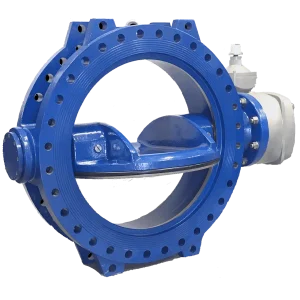
Industrial Flow Control · Precision Engineering
Double Eccentric Butterfly Valve Factories & Exporter in the Israel Market
High-integrity resilient and metal-seated double offset butterfly valves tailored for Israel's severe seawater desalination (SWRO), Dead Sea potash refining, and Mekorot potable water distribution networks.
Primary Engineering Series
High-Performance Double Offset Valves Engineered for Israel Infrastructure
Pre-engineered flow isolation and throttling assemblies certified to EN 593, ISO 10631, and AWWA C504 standards for critical pipeline projects.
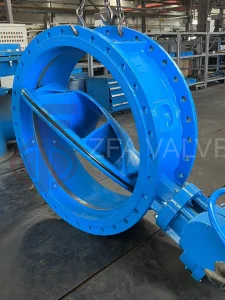
Haifa Chemical Industrial Flange Type Double Offset Butterfly Valve
Request Project Quote →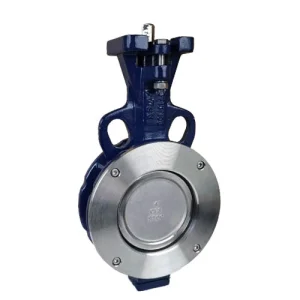
Mekorot Potable Line Double Eccentric Wafer High Performance Butterfly Valve
Request Project Quote →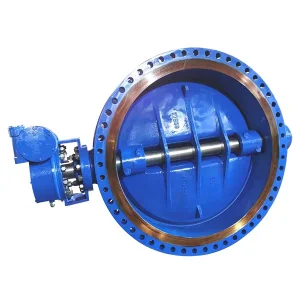
Ashdod Facility Short Pattern U Shape Double Eccentric Butterfly Valve
Request Project Quote →
Macro-Industrial Dynamics
Operating Parameters & Commercial Realities in Israel's Process Sectors
The Israeli market represents one of the world's most demanding proving grounds for heavy industrial valve design, governed by arid climatics, advanced desalination infrastructure, and aggressive mineral recovery chemistry.
Seawater Desalination (SWRO) Supremacy
Israel produces over 85% of its domestic municipal water through Mega Seawater Reverse Osmosis plants operating along the Mediterranean coastline, including mega-installations at Sorek (I and II), Hadera, Ashkelon, and Palmachim. These colossal facilities process hyper-saline raw ocean water under operating pressures frequently surpassing 65 to 80 bar in the membrane feed arrays, while high-flow intake and discharge outfalls operate continuously between PN10 and PN25 ratings.
In this environment, conventional concentric resilient seated valves fail prematurely due to micro-crevice corrosion under the rubber liner and rapid elastomer vulcanization caused by continuous biocide dosing (such as sodium hypochlorite). A heavy-duty double eccentric (double offset) butterfly valve acts as the industry's benchmark solution, engineered specifically with Super Duplex Stainless Steel (UNS S32750/2507) or Nickel Aluminum Bronze (C95800) disc trims to eliminate catastrophic chloride pitting.
Dead Sea Mineral Extraction: High-Density Brine Challenges
Sedom-based evaporation pond networks and Dead Sea Works operations demand flow management of saturated magnesium, potash, and bromine slurries. Fluid specific gravity ranges from 1.25 to 1.35 with elevated crystallization tendencies, requiring valves that minimize localized turbulent recirculation and eliminate stem-packing leakage.
Critical Spec: Alloy 20 / Hastelloy C-276 Trim Integration
Mekorot National Water Grid Modernization
Mekorot—Israel’s National Water Company—enforces stringent specifications under SI 5452 for potable transmission networks. Large-diameter trunk lines running between low coastal aquifers and the elevated Judean Hills require bi-directional shutoff, anti-cavitation throttling trim geometries, and zero-headloss hydraulic pathways.
600M+
m³ Desalinated Water Annually Managed in Israel
Zero
Allowable Seat Leakage (ISO 5208 Rate A / API 598)
PREN≥42
Super Duplex Wetted Disc Metallurgy Rating
50,000+
Continuous Bi-Directional High-Cycle Testing Life
Kinematic Excellence
The Engineering Mechanics of Double Offset Kinematics
Understanding the geometric offsets that transform conventional quarter-turn isolation into a low-wear, low-torque camming mechanism ideal for critical infrastructure.
Offset 1: The Shaft-to-Seat Plane Displacement
By shifting the rotational axis of the drive shaft directly behind the plane of the sealing seat ring, our design enables continuous, uninterrupted 360-degree annular contact. Unlike concentric valves where the shaft must penetrate straight through the resilient rubber liner creating high-stress leak paths, Offset 1 isolates mechanical stress entirely away from the primary wetted elastomeric or PTFE sealing boundary.
Offset 2: The Shaft-to-Pipe Centerline Eccentricity
Positioning the shaft axis laterally offset from the hydrodynamic centerline of the pipeline generates an elliptical rotation path. This creates an authentic "cam effect": upon commencing valve rotation, the disc immediately lifts cleanly away from the valve seat within the first 3 to 5 degrees of travel. Friction, seat scrubbing, and localized deformation are practically eliminated, significantly extending operational life.
Dynamic Actuation Torque Reductions
Because the disc seal completely disengages from the seat ring during 85% of its stroke, operating break-away torque values are reduced by 30% to 45% compared to rubber-lined concentric designs. For major Israeli municipal and desalination pumping stations, this translates directly into significantly smaller pneumatic actuators, reduced electric gearmotor energy draw, and lower total ownership costs.
Metallurgical Selection Matrix
Engineered Material Solutions for Israeli Project Conditions
A comprehensive technical matrix guiding EPC specifications across Israel's desalination, municipal waterworks, and chemical extraction industries.
| Operational Segment | Typical Fluid Medium | Recommended Body Metallurgy | Disc & Trim Material | Seat Ring Configuration | Pressure Class |
|---|---|---|---|---|---|
| SWRO Intake & Outfall | Raw Mediterranean seawater (TDS ~39,000 ppm), sodium hypochlorite biocide | Ductile Iron GGG40 / GGG50 + 300μm Rilsan / Fusion Bonded Epoxy | Super Duplex 2507 (1.4410) or Al-Bronze C95800 | Peroxide-Cured EPDM (WRAS / DVGW Certified) | PN10 / PN16 / Class 150 |
| RO Membrane High-Pressure Train | Concentrated reject brine (TDS > 70,000 ppm), operating pressure > 65 bar | Super Duplex Stainless Steel UNS S32750 / ASTM A890 5A | Super Duplex 2507 with hardened stellite overlay | Reinforced PTFE (R-PTFE) / Inconel 718 Energized | PN63 / PN100 / Class 600 |
| Mekorot Potable Transmission | Treated drinking water, low-turbidity aquifer blending | Ductile Iron EN-GJS-400-15 (EN-JS1030) | CF8M (316 SS) or Ductile Iron Epoxy Coated | Drinking Water Grade EPDM (Complies with SI 5452) | PN16 / PN25 / PN40 |
| Dead Sea Industrial Brines | Hot saturated potash slurries, magnesium chloride, carnalite | Nickel Alloy Hastelloy C-276 / ASTM A494 CW-12MW | Alloy 20 / Titanium Gr. 2 | Virgin PTFE / Metal-to-Metal Hard Faced | PN16 / PN25 / Class 300 |
| Haifa Petrochemical Refinery | Hydrocarbon condensate, cooling tower recirculating water | Carbon Steel ASTM A216 WCB / Low Temp LCC | Stainless Steel 316 / 316L Nitrided | Fire-Safe Dual Seat (R-PTFE + 316L Metallic Backup) | Class 150 / Class 300 / PN40 |
Global Supply Chain Integrity
Seamless Logistics to Haifa and Ashdod Ports with Complete Engineering Traceability
Exporting high-specification valve packages into Israel requires mastery of both international maritime logistics and stringent domestic customs and regulatory certification protocols. ZFA Valve maintains an optimized logistics channel routing directly to the Port of Ashdod and Port of Haifa, ensuring that large-bore double eccentric butterfly valves arrive on job sites without transport-induced stress or coating degradation.
Every valve consignment is accompanied by a comprehensive Quality Documentation Pack conforming to EN 10204 3.1 certification. This dossier includes full chemical and mechanical mill test certificates for bodies, discs, and shafts, Positive Material Identification (PMI) spectrometer logs, dry-film thickness (DFT) reports for corrosion coatings, and certified hydrostatic pressure test charts demonstrating zero shell or seat leakage per ISO 5208 Rate A.
Compliance with Israeli Standards (SII)
Our potable water line series are manufactured in strict compliance with Israel Standard SI 5452 ("Testing of products that come in contact with water intended for human consumption"). Elastomers are non-cytotoxic, resistant to micro-bacterial proliferation, and hold WRAS, ACS, and DVGW approvals.
Heavy-Duty Maritime Packing Architecture
Valves are shipped in fumigated, moisture-sealed ISPM-15 compliant sea-freight wooden enclosures. Flange sealing faces are shielded with heavy reinforced polyethylene blanking covers, and high-performance desiccants with volatile corrosion inhibitors (VCI) protect all bare metal stem components from saline air ingress during Mediterranean transport.
Future Engineering Trends
Smart Water & Industry 4.0: The Technological Evolution of High-Performance Valves
Israel's global recognition as a high-tech incubator extends to its water grid management. Discover how double eccentric butterfly valve architecture is adapting to automated SCADA and predictive maintenance protocols.
Integrated IoT Torque & Cavitation Monitoring
Modern Israeli treatment works are retrofitting valves with embedded wireless acoustic emission sensors and dynamic torque transducers. By tracking micro-vibrations across the double offset disc during throttling cycles, plant operators can identify incipient cavitation before hydrodynamic erosive damage compromises the valve seat or downstream piping geometry.
Computational Fluid Dynamics (CFD) Disc Profiles
Traditional lens-type discs create turbulent wake eddies that generate pressure drops and acoustic resonance. Next-generation double eccentric discs utilize aerodynamically sculpted contoured profiles developed via high-performance supercomputing simulations. These contours boost the flow coefficient (Cv) by up to 18%, decreasing total pumping power demands across municipal water networks.
Advanced Anti-Microbial Nanocomposite Coatings
To combat severe biofouling caused by warm Mediterranean waters and high bacterial loads in reclaimed effluent (such as the Shafdan reclamation facility), valve bodies are treated with hydrophobic fluoropolymer and ceramic-infused barrier layers. These ultra-smooth linings prevent barnacle adhesion and biogenic sulfuric acid corrosion inside pipelines.
Procurement & Technical FAQ
Engineering Questions Frequently Raised by Israeli EPC Contractors & Utilities
Comprehensive technical guidance to resolve critical questions regarding selection, testing, and field maintenance.
Why is Double Eccentric preferred over Triple Offset for municipal desalination outfalls?
While Triple Offset Valves (TOVs) excel in high-temperature, high-pressure steam and hydrocarbon isolation requiring metal-to-metal seals, their conical torque-seated metal rings can be vulnerable to particulate binding in raw seawater intakes carrying suspended sand, shells, and silt. Double eccentric resilient-seated (EPDM/PTFE) valves provide compliant, bi-directional bubble-tight shutoff (Rate A) that seals cleanly over micro-particulates without galling or scoring.
How does ZFA Valve guarantee zero corrosion in high-salinity Mediterranean seawater?
For wetted components in seawater service, we avoid standard 304 or 316 stainless steels, whose Pitting Resistance Equivalent Number (PREN) of 18–25 is insufficient for warm, high-chloride environments. We manufacture trims in Super Duplex 2507 (PREN ≥ 42) or Nickel-Aluminum Bronze (C95800). Cast ductile iron valve bodies receive a minimum of 300 to 400 microns of high-adhesion fusion-bonded epoxy or vulcanized hard ebonite linings, spark-tested at 5 kV to ensure pinhole-free isolation.
What testing documentation is delivered with major valve orders in Israel?
All valve deliveries include an EN 10204 Type 3.1 inspection certificate package containing complete chemical heat analysis and mechanical tensile/impact test reports. Pressure testing documentation strictly complies with ISO 5208 and EN 12266-1, verifying shell hydrostatic integrity at 1.5× PN rating and bidirectional seat tightness at 1.1× PN rating. Non-destructive examination (NDE) reports, including Radiographic (RT), Ultrasonic (UT), and Liquid Penetrant (PT) testing on cast components, are available on project request.
Are ZFA valves fully compatible with European EN and American AWWA flange standards?
Yes. Israeli infrastructure projects often blend European metrics (EN 1092-2 PN10/PN16/PN25/PN40) with American municipal standards (AWWA C504 / ANSI Class 150/300). Our manufacturing patterns support dual-standard drilling configurations and custom face-to-face dimensions complying with EN 558 Series 13, 14, 15 or ISO 5752, allowing direct drop-in replacement in legacy Israeli pumping stations without piping modifications.
What safety factors are utilized when sizing electric and pneumatic actuators?
Due to the cam action of the double eccentric shaft, operational running torque is low; however, break-away torque can rise after prolonged periods in the closed position, especially in mineral-saturated brines like the Dead Sea. We mandate a minimum safety margin of 25% to 35% above maximum calculated dynamic torque at design differential pressure (ΔP), ensuring fail-safe cycling under all line conditions.
How does ZFA support fast-track delivery and spare parts availability in Israel?
Through strategic production scheduling in our modern manufacturing facility, we provide priority OEM manufacturing cycles for large-bore orders (up to DN2400 / 96"). Furthermore, we supply complete pre-assembled maintenance kits—including drop-in replaceable seat retaining rings, elastomeric seals, shafts, and self-lubricating PTFE-lined bronze bushings—dispatched via express air freight to Ben Gurion Airport for critical outage support.
Industrial Product Portfolio
Comprehensive Industrial Valve Solutions for Israeli & Global Exporters
Explore our complete export line, engineered to international ASTM, ANSI, ISO, BS, and DIN standards for industrial fluids, wastewater, municipal transmission, and petrochemical loops.
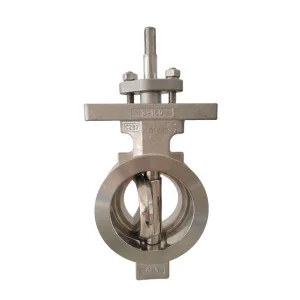
Polished Stainless Steel Wafer High Performance Butterfly Valve
View Product Specifications →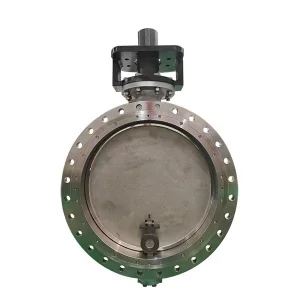
CF8 Double Flange High Performance Butterfly Valve DN1000 PN16
View Product Specifications →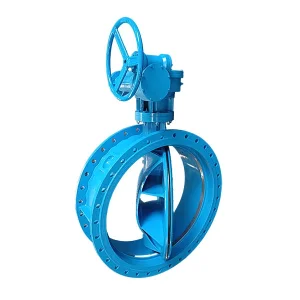
OEM Flange Connection Double Eccentric Butterfly Valve
View Product Specifications →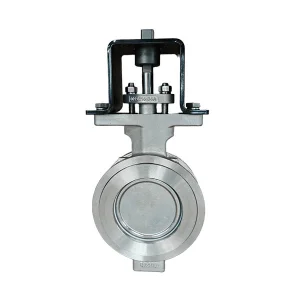
CF8 Wafer High Performance Butterfly Valve with Support Bracket
View Product Specifications →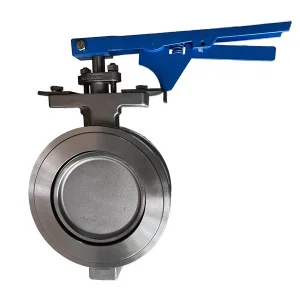
Lever Operated Wafer High Performance Butterfly Valve (HP BFV)
View Product Specifications →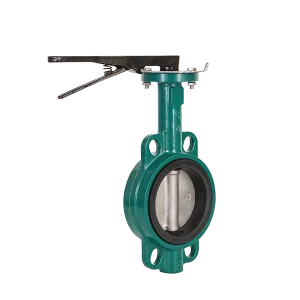
Cast Iron Wafer Type Resilient Seated Butterfly Valve
View Product Specifications →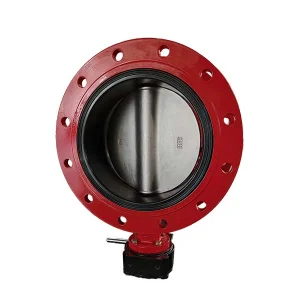
Two-Shaft Replaceable Seat Double Flange Butterfly Valve
View Product Specifications →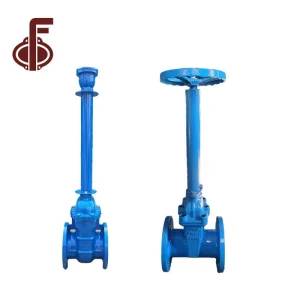
Ductile Iron PN10/16 Class 150 Long Stem Resilient Gate Valve
View Product Specifications →
Direct Factory Sourcing · Engineering Partnerships
Equip Your Israel Project with Certified Flow Control Reliability
Whether you are designing a high-capacity SWRO desalination intake along the Mediterranean coast, replacing large-diameter trunk line valves for municipal distribution, or managing aggressive chemical streams at the Dead Sea, our engineering team is ready to analyze your fluid dynamics data, provide comprehensive CAD drawings, and generate transparent factory-direct commercial tenders.
