
Precision Flow Dynamics in Austrian Industrial & Alpine Infrastructure
Austria presents distinct hydraulic challenges—steep static heads in Alpine pipelines, aggressive thermal fluctuations in metropolitan heating grids (such as Wien Energie networks), and high-standard biological wastewater handling. Double eccentric butterfly valves (double offset valves) eliminate full-stroke seat contact, drastically extending operational lifetimes.
District Energy (Fernwärme)
Engineered to withstand prolonged thermal cycles up to 200°C. Specially adapted resilient and polymeric seals prevent leakage in pressurized closed-circuit hot water networks common throughout Lower Austria and Styria.
Alpine Hydropower & Pumping
Tackles rapid static head changes and cavitation risks in hydro intake tunnels. Double offset disc geometry separates the seal from the body seat within 5 degrees of rotation, preventing localized wear from particulate-heavy meltwater.
Strict European Conformity
Full manufacturing alignment with EN 593, EN 1074-1/2, PED 2014/68/EU Module H, and rigorous Austrian drinking water certifications ensuring zero lead elution and chemically inert elastomer selection.
Premier Double Eccentric Series for Austrian Systems
Precision cast and CNC-finished valve assemblies built for mission-critical industrial duties and extreme service longevity.
-
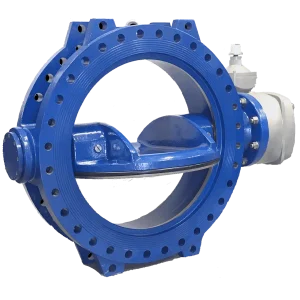
Austria Municipal Heavy-Duty Double Eccentric Valve (AWWA/EN Standard)
View Product Specifications -
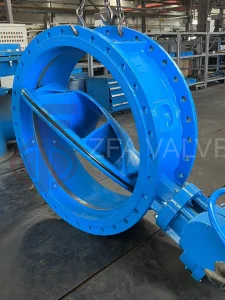
Austria District Heating Flanged Double Offset High-Durability Valve
View Product Specifications -
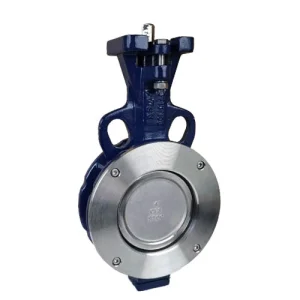
Vienna Process Line Wafer High-Performance Double Eccentric Valve
View Product Specifications -
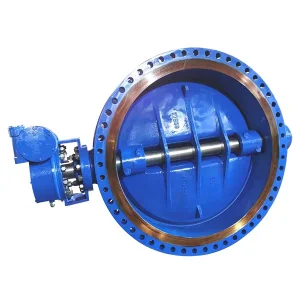
Alpine Water Main Short Pattern U-Shape Double Eccentric Valve
View Product Specifications
The Mechanics of Camming Action: Eliminating Wear Points
Concentric butterfly valves rely on continuous mechanical compression between the disc edge and elastomer seat throughout the entire 90° rotational cycle. Under high-velocity service in Austrian thermal or water transport lines, this causes friction hardening, tearing, and excessive seat degradation.
First Offset (X-Axis): The shaft axis is positioned behind the sealing plane, establishing an unbroken, 360-degree continuous sealing boundary without localized stress concentrations.
Second Offset (Y-Axis): The shaft center line is offset slightly from the pipe axis. As rotation begins, the disc operates on a cam profile, lifting clear of the body seat instantly upon opening. Frictional rubbing is constrained to less than 5 degrees of travel, drastically lowering operating torque and extending actuator lifecycle.
| Mechanical Parameter | Standard Concentric | Double Eccentric (Offset) |
|---|---|---|
| Seat Contact Angle | Continuous (0° to 90°) | Less than 5° (Cam-lift) |
| Operating Torque | High (Constant friction) | 30-40% Lower Breakaway Torque |
| Maximum Working Pressure | Typically ≤ PN16 | PN25 to PN40 Verified |
| Service Velocity Tolerance | Up to 3.0 m/s | Up to 5.5 m/s Continuous |
| Shaft Sealing System | Standard O-Ring | Pre-loaded V-Ring Chevron Packings |
China Factory 4.0: Resilient European Valve Supply Infrastructure
Operating from our modern manufacturing base in Tianjin, ZFA Valve couples deep metallurgy automation with European supply chain predictability. We alleviate local European supply constraints through vertically integrated production.
Robotic CNC Machining Centers
Every double eccentric valve body and disc profile is shaped using 5-axis horizontal machining units, holding dimensional tolerances within ±0.015mm to guarantee interchangeable spare parts.
Automated Spectrometry & NDT
Direct-reading optical spectrometers analyze every melt heat. Body integrity is validated via ultrasonic testing (UT) and magnetic particle inspection (MPI) following Austrian project specifications.
Direct Austrian Logistic Corridors
Streamlined multimodal rail transport (China-Europe Railway Express) linking directly to Vienna and Graz terminals, securing steady shipping transit times and minimized logistics costs.
Specialized Configurations for Austrian Capital Infrastructure
Engineered around specific European mechanical norms to directly match Austrian engineering tenders (Ausschreibungen) across water, district energy, and specialized processes.
Austrian Drinking Water Pipeline Rehabilitation
Drinking water transmission lines across Styria and Tyrol demand strict zero-leakage isolation under changing hydrostatic heads. Our double flanged valves with epoxy coatings (min. 250 μm, GSK approved) provide biological safety and complete microbiological inertness.
- Body: Ductile Iron EN-GJS-400-15 / EN-GJS-500-7
- Seat: WRAS/KTW-approved EPDM retaining ring
- Shaft: Duplex Stainless Steel 1.4462 for corrosion mitigation
Industrial Chemical & High-Temperature Process Lines
Installed across Upper Austrian heavy industrial complexes in Linz and surrounding paper/pulp sectors. Valves feature reinforced PTFE or R-PTFE seals with carbon-filled liners for high cycle stability and volatile organic chemical tolerance.
- Body: Stainless Steel 1.4408 (CF8M) or WCB cast steel
- Design: Fire-safe design according to ISO 10497 / API 607
- Testing: TA-Luft stem packing compliance against fugitive emissions
Standard & Custom Double Eccentric Valves for Austrian Projects
Explore our verified high-performance valve range ready for export, direct OEM manufacturing, and private-label distribution.
-
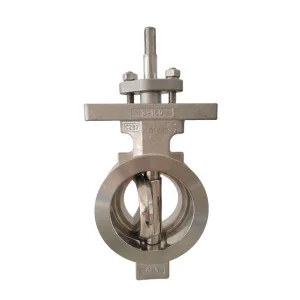
Linz Chemical Grade Polished Stainless Steel High-Performance Wafer Valve
View Product Specifications -
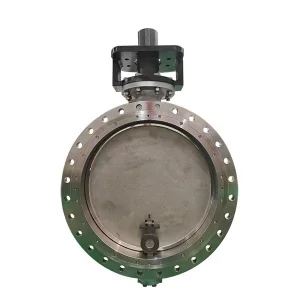
Graz District Infrastructure CF8 Double Flange Valve DN1000 PN16
View Product Specifications -
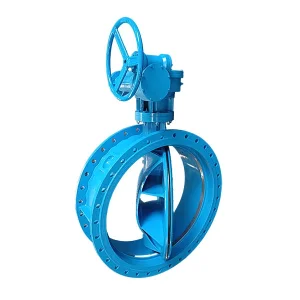
Salzburg Waterworks Heavy Flange Connection Double Eccentric Valve
View Product Specifications -
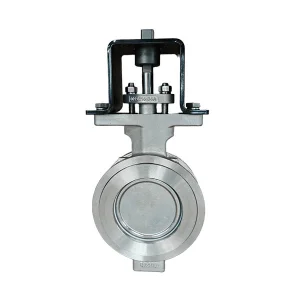
Tyrolean Mountain Penstock CF8 Wafer Valve with Integrated Support Foot
View Product Specifications -
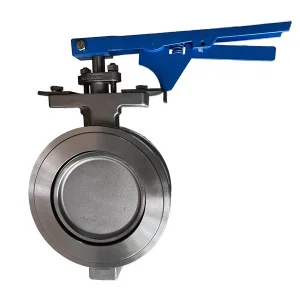
Innsbruck Plant Manual Lever Wafer High-Performance BFV
View Product Specifications -
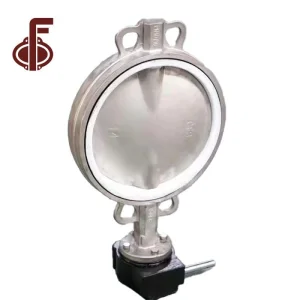
Carinthia Industrial Clean Media Pure PTFE Seat Wafer Butterfly Valve
View Product Specifications -
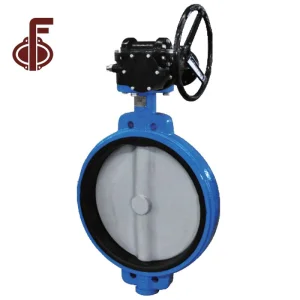
Vorarlberg Energy Network Worm Gear Precision Wafer Valve
View Product Specifications -
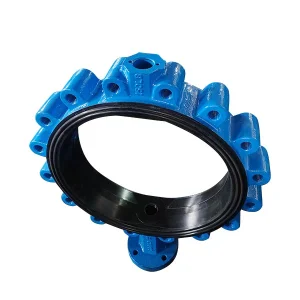
Burgenland Wastewater Ductile Iron Lug Butterfly Valve with Replaceable Seat
View Product Specifications
Frequently Asked Questions for Austrian Valve Buyers
Clear answers regarding testing, European documentation, delivery models, and customization capabilities for Austrian engineers and project developers.
