High-Performance Filtration & Flow Control for Milan Infrastructures
Essential pipeline equipment pre-tested to withstand Lombardy district heating cyclic pressures and rigorous industrial standards.
Lombardy & Milan: Engineering Demands for Critical Fluid Filtration
The Metropolitan City of Milan and the greater Lombardy region form the industrial powerhouse of Italy, commanding sophisticated fluid processing networks across chemical manufacturing, district heating (teleriscaldamento), food processing, and state-of-the-art commercial building infrastructures. In these demanding installations, particulate control is paramount.
Modernizing Milan’s Thermal & District Heating Grids
Milan hosts one of Southern Europe’s largest district heating networks, managed primarily by multi-utility entities serving municipal zones from Sesto San Giovanni to San Donato Milanese. The transition toward low-temperature district heating (4th Generation DH) requires strainers with optimized hydraulic designs that limit system-wide pressure drops (ΔP ≤ 0.08 bar under normal flow conditions), thereby conserving circulating pump energy.
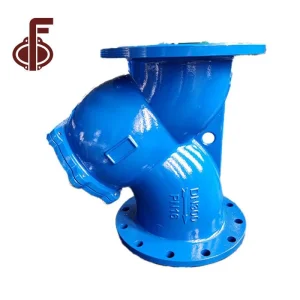
Standard Y-strainers frequently generate cavitation and excessive head loss if the screen-to-pipe open area ratio is less than 3:1. Our OEM cast ductile iron and stainless steel strainer bodies provide open area ratios exceeding 4:1, directly mitigating lifecycle operational costs across Italian heating substations.
Corrosion Mitigation in Lombard Industrial Process Water
From the pharmaceutical corridors around Monza to manufacturing clusters along the Olona river basin, industrial water circuits encounter heavy dissolved solids and scaling tendencies. To ensure operational continuity, global EPC contractors and Italian engineering firms mandate:
- Material Metallurgy: EN-GJS-400-15 / EN-GJS-500-7 ductile iron with electrostatic epoxy coatings (≥ 250 μm) compliant with EN 14901.
- Screen Topology: Dual-layer filtration cartridges composed of perforated AISI 304/316 support plates (3mm openings) lined with precision woven SS316 wire mesh (100 to 400 mesh).
- Maintenance Redundancy: Quick-release basket configurations and magnetic core inserts designed to capture microscopic magnetite sludge prevalent in closed-circuit hot water lines.
Precision Flow Protection for Global Supply Chains
Addressing the major failure points of industrial pipeline components with intelligent casting, optimized fluid mechanics, and metallurgy guarantees.
CFD-Optimized Geometry
Every Y-strainer and basket strainer body features computationally smoothed diversion pathways that eliminate laminar disruption, reducing sediment recirculation and minimizing upstream pump wear.
EN 10204 3.1 Traceability
Full spectrum metallurgical verification on every batch. Chemical composition, tensile strength, and impact tests match EN-JS1030 / WCB / CF8M requirements for critical European infrastructure.
Customized OEM Tooling
Flexible manufacturing lines accommodating custom face-to-face dimensions, specialized blow-off ball valve taps, differential pressure transmitter ports, and customized Italian client branding.
Next-Generation Filtration: Digital Monitoring & Low-Carbon Casting
Aligning valve and strainer manufacturing with the European Green Deal and Industry 4.0 predictive maintenance demands.
IoT Integrated Differential Pressure Sensing (ΔP)
Traditional pipeline maintenance relies on manual inspections or fixed schedules, leading to unnecessary downtime or unobserved clogged screens that strain municipal pumps. Our engineering roadmap integrates smart flange-mounted differential pressure sensors compatible with standard building automation protocols (Modbus, BACnet, LoRaWAN).
Milan facility engineers can remotely monitor particulate accumulation rates in real time, executing blowdown cycles only when required, directly reducing labor overhead and averting system shutdowns.
Circularity and Sustainable Foundries
In accordance with Italian supply chain ESG audits, our foundry workflows utilize electric induction furnaces operating on reduced carbon footprints. Casting sand is 95% reclaimed, and our standard ductile iron valves employ 100% lead-free, non-toxic epoxy coatings approved for drinking water (WRAS & DM 174 compliance protocols).
Frequently Asked Technical & Logistics Questions
Direct engineering responses to key queries raised by European procurement managers and project contractors.
How do ZFA strainers meet the technical specifications of Milan's district heating networks?
Our strainers designed for the Milan district heating market comply strictly with EN 1092-2 (PN16/PN25 flange dimensions) and DIN 3202-F1 face-to-face dimensions. The internal screens are manufactured from reinforced AISI 304 or AISI 316 stainless steel with an open area ratio exceeding 4:1 to avoid the high pressure drop limitations identified in older metropolitan piping. Additionally, blow-off ports can be factory-fitted with pre-tested drain valves for scheduled sediment release.
What certifications are provided for import and customs clearance into Italy / European Union?
All strainers and industrial valves supplied to the European Union operate under our CE certification according to the Pressure Equipment Directive (PED 2014/68/EU Module H). Every delivery is accompanied by EN 10204 Type 3.1 inspection certificates documenting chemical composition, mechanical tensile strength, elongation, and hydrostatic test results (1.5x nominal pressure for shell, 1.1x for seat where applicable).
Can you supply customized OEM branding and private labeling for Italian valve distributors?
Yes. As a dedicated OEM valve and strainer manufacturer, we support European distributors with cast-on logo branding, customized stainless steel nameplates, bespoke epoxy RAL coating shades (such as blue RAL 5005 or red RAL 3000), and custom export packaging designed for standard Euro-pallet racking systems.
What is the difference between Basket Strainers and Y-Strainers in typical plant configurations?
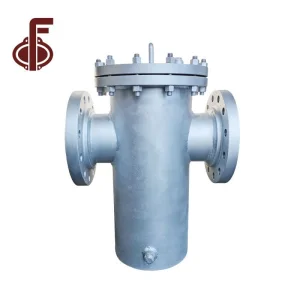
Y-Strainers are compact, economical, and can be installed either horizontally or vertically (with downwards flow), making them ideal for high-pressure liquid and steam lines where lower debris volume is anticipated. Basket Strainers are designed for horizontal lines where higher particulate accumulation occurs; their top-opening cover allows fast screen removal and cleaning without draining the entire pipeline, proving ideal for pump suction protection.
What is the typical production lead time and sea freight schedule to Genoa / La Spezia?
Standard casting and machining lead time ranges from 25 to 35 days depending on batch scale. Direct ocean freight from Tianjin Port to Northern Italian ports (Genoa, La Spezia) typically takes 28 to 35 days. For urgent construction tenders, expedited air freight is available for critical spare parts and sub-assemblies.
Complementary Industrial Valves for the Milan Market
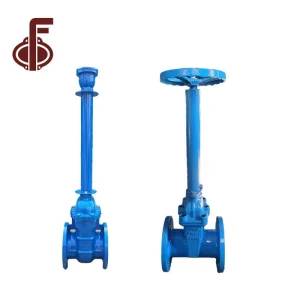
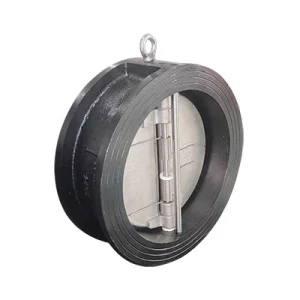
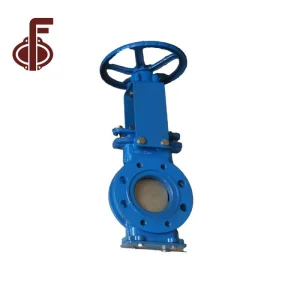
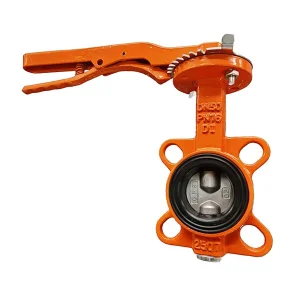
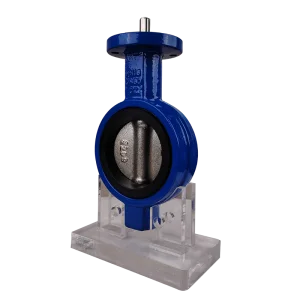
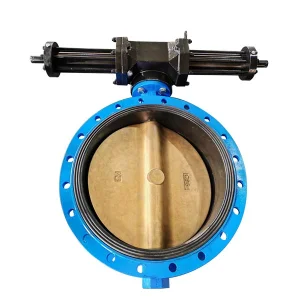
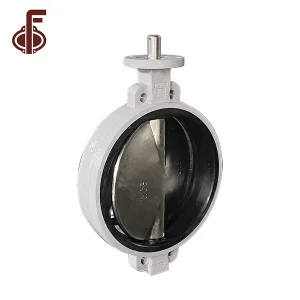
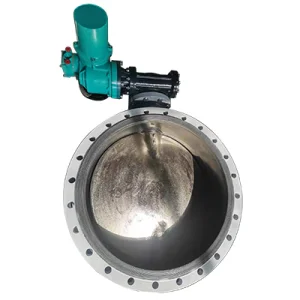
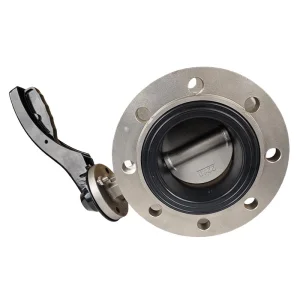
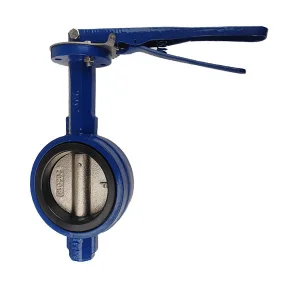
Factory-tested check, gate, butterfly, and knife gate valves engineered for water treatment, HVAC distribution, and industrial process stability.