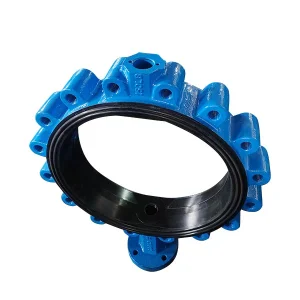
High-Performance Lug & Flanged Butterfly Systems
Engineered for mission-critical dead-end isolation and industrial bi-directional regulation across global processing lines.
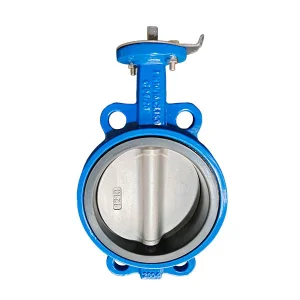
OEM Universal Wafer Butterfly Valve (PN10/16, CL150, JIS 10K)
View Product Specs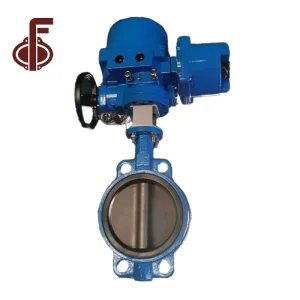
OEM Electric Actuator Wafer Butterfly Valve Export Systems
View Product Specs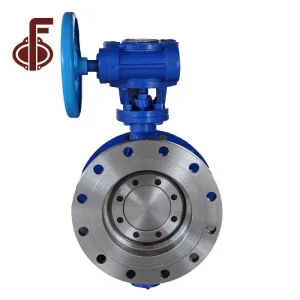
China Double Flanged Triple Offset High-Pressure Butterfly Valve
View Product Specs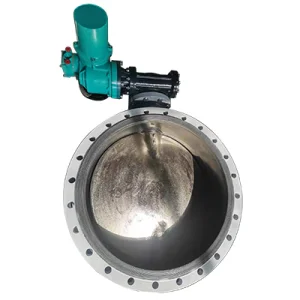
Electric WCB Vulcanized Seat Flanged Industrial Butterfly Valve
View Product Specs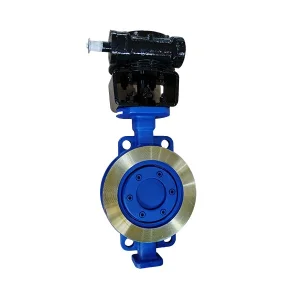
DN200 WCB Wafer Triple Offset Butterfly Valve with Worm Gear
View Product Specs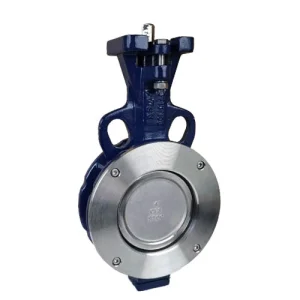
OEM Double Eccentric Wafer High-Performance Process Valve
View Product Specs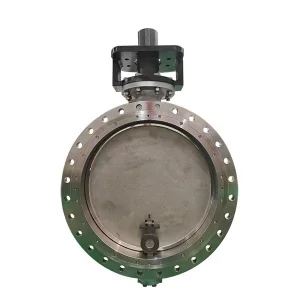
CF8 Double Flange High-Performance Butterfly Valve DN1000 PN16
View Product Specs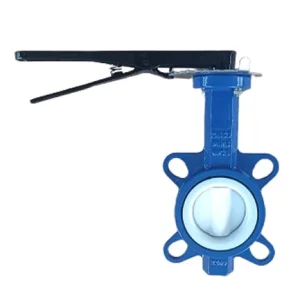
OEM PTFE Seat & Disc Wafer Centerline Chemical Butterfly Valve
View Product SpecsThe Engineering Architecture of Fully Lugged Butterfly Valves
Comprehensive design parameters supporting high-integrity piping systems and dead-end isolation capabilities.
Threaded Full-Lug Design
Unlike wafer valves that rely on through-bolts clamped between two external flanges, the fully lugged butterfly valve features precision-machined female bolt threads across its entire circumference. This structural profile permits the downstream pipework to be detached while keeping the upstream process pressurized at full operational rating.
Zero-Leakage Bi-Directional Seal
Our fully lugged series utilizes precision-molded EPDM, NBR, and PTFE elastomeric seats with vulcanized or replaceable liners. The tongue-and-groove retention geometry eliminates radial elongation, guaranteeing zero bubble leakage (API 598 / EN 12266-1 Rate A) under demanding differential pressures.
ISO 5211 Direct Actuation Interface
Equipped with standardized ISO 5211 mounting flanges and double-D or keyed shaft drive terminations, our valves seamlessly mate with electric modulators, pneumatic rack-and-pinion cylinders, or heavy-duty manual worm gear actuators without requiring custom brackets or couplers.
Engineered for High-Consequence Field Deployments
From cryogenic chemical infrastructure to hyper-scale municipal networks, fully lugged butterfly valves perform where component failure is not an option.
District Cooling & Commercial HVAC
In high-capacity cooling loop headers and thermal energy plants, lug-style valves provide localized isolation for evaporators, chillers, and centrifugal pumping skids, enabling system maintenance without discharging millions of gallons of conditioned glycol or treated water.
Seawater Desalination (SWRO)
Configured with Aluminum Bronze (C95800) or CF8M/CF3M discs and high-purity vulcanized EPDM seats, ZFA lugged valves withstand aggressive chloride-induced crevice corrosion and micro-cavitation in reverse osmosis pre-filtration racks.
Specialty Chemical & Tank Terminals
Where hazardous chemicals, solvents, and acids demand dead-end isolation at tank offloading manifolds, our fully PTFE/PFA-lined lugged valves eliminate chemical attack across body castings, retaining bubble-tight integrity across wide thermal swings.
| Nominal Diameter | Pressure Ratings | Body Materials | Seat Sealing Options | Applicable Standards |
|---|---|---|---|---|
| DN50 – DN1200 (2" – 48") | PN10, PN16, Class 150 | Ductile Iron GGG40/50, WCB, CF8, CF8M | EPDM (-20°C to +120°C) | EN 593, API 609, ASME B16.42 |
| DN50 – DN800 (2" – 32") | PN16, Class 150, JIS 10K | Ductile Iron, Cast Steel (WCB) | NBR / Nitrile (-10°C to +82°C) | ISO 5752 Series 20, BS 5155 |
| DN50 – DN600 (2" – 24") | PN10, PN16, Class 150 | CF8M, CF3M, Ductile Iron (PTFE lined) | Virgin PTFE / PFA (-20°C to +180°C) | API 609 Cat A, DIN EN 1092-2 |
| DN80 – DN1000 (3" – 40") | PN16, PN25, Class 150/300 | WCB, CF8M, Duplex SS 2205 | Metal-to-Metal / Stellite (-50°C to +425°C) | API 609 Cat B, ASME B16.34 |
China Factory Scale: Tianjin Zhongfa Supply Chain Resilience
Combining complete vertical integration with strict quality controls to shorten delivery cycles for worldwide project distribution.
Direct Foundry Metallurgy
By operating integrated casting inspection protocols, spectrometer chemical verifications, and automated sand casting facilities in Tianjin, ZFA guarantees body wall thickness and metallurgical densities that surpass ASTM A536 and DIN 1693 standards, entirely mitigating porosity risks.
CNC Machining Precision
All lug drillings, threads, stem counterbores, and disc profiles undergo high-precision machining on multi-axis horizontal CNC centers. This dimensional accuracy guarantees uniform disc seating torque, lower actuation costs, and zero leakage around stem packings.
100% Dual-Test Verification
Every single lug butterfly valve assembled at ZFA is hydrostatically shell-tested to 1.5× nominal pressure and air-seat tested to 1.1× nominal design limits in accordance with EN 12266-1 and API 598. Pressure logs and test certifications are tagged directly to the valve serial number.
Smart Valves, Digitization & Low-Carbon Flow Control
How modern material science and industrial IoT are shaping future industrial fluid control systems.
IoT-Enabled Smart Positioning
ZFA is integrating digital diagnostics into automated valve packages. Real-time feedback regarding dynamic seating torque, valve travel velocity, and ambient cycle counts enables predictive maintenance across automated district water and oil distribution networks.
Advanced Polymeric & Ceramic Coatings
To address abrasive slurry handling in mining operations and aggressive flue gas desulfurization (FGD), next-generation coatings such as plasma-applied tungsten carbide and fluoroplastic composites extend component life beyond conventional alloy baselines.
Fugitive Emission Compliance
Addressing stringent global greenhouse mitigation criteria, our stem sealing architectures are designed in full alignment with ISO 15848-1 and EPA Method 21 standards, ensuring volatile organic compounds (VOCs) remain sealed within the pipeline.
Frequently Asked Questions on Lugged Butterfly Valves
Clear, technical clarifications designed to assist EPC consultants, maintenance managers, and procurement officers.
What is the functional difference between a wafer valve and a fully lugged butterfly valve?
Which international flange standards are compatible with ZFA lugged butterfly valves?
How do I correctly select between EPDM, NBR, and PTFE seat materials?
• EPDM: Recommended for hot water, chilled water, municipal water networks, low-pressure steam, and mild non-mineral acids (-20°C to +120°C). Not resistant to hydrocarbons.
• NBR: Ideal for petroleum products, mineral oils, diesel, compressed air, and hydraulic lines (-10°C to +82°C).
• PTFE: Delivers universal chemical inertia for strong acids, caustic solutions, chemical processing, and food-grade lines (-20°C to +180°C).
Can your lugged butterfly valves be mounted for end-of-line (dead-end) service safely?
What quality documentation accompanies an export shipment of valves from ZFA?
Precision Flow Infrastructure & Complementary Products
Complete fluid control hardware engineered to international quality standards for municipal, thermal, and oil infrastructure.
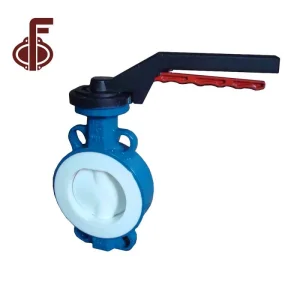
OEM Concentric Cast Iron Full Lined Industrial Butterfly Valve
View Product Specs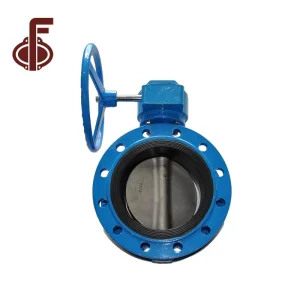
China DI SS304 PN10/16 CL150 Double Flange Butterfly Valve
View Product Specs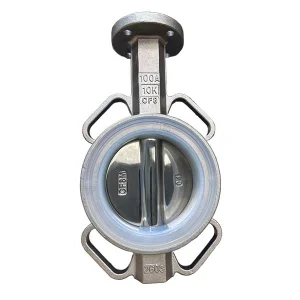
Polished CF8M Disc Silicon Rubber Seat Potable Water Valve
View Product Specs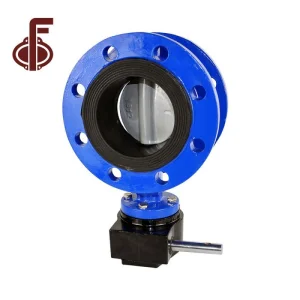
Ductile Iron Body Worm Gear Flange Type Butterfly Valve
View Product Specs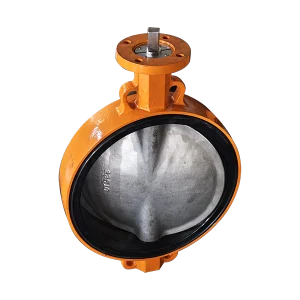
China CF8M Disc Two Shaft Wafer Type Butterfly Valve
View Product Specs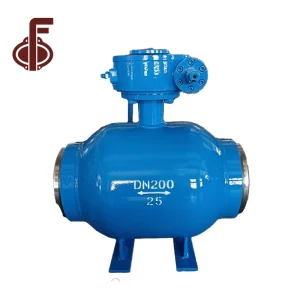
China Fully WELDED STEEL BALL VALVE Heavy Industry Exporter
View Product Specs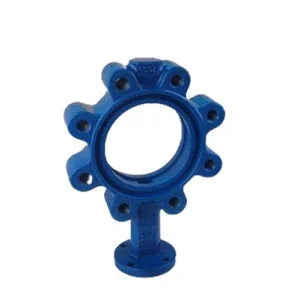
China DN100 PN16 Butterfly Valve Lug Body Factory Systems
View Product Specs