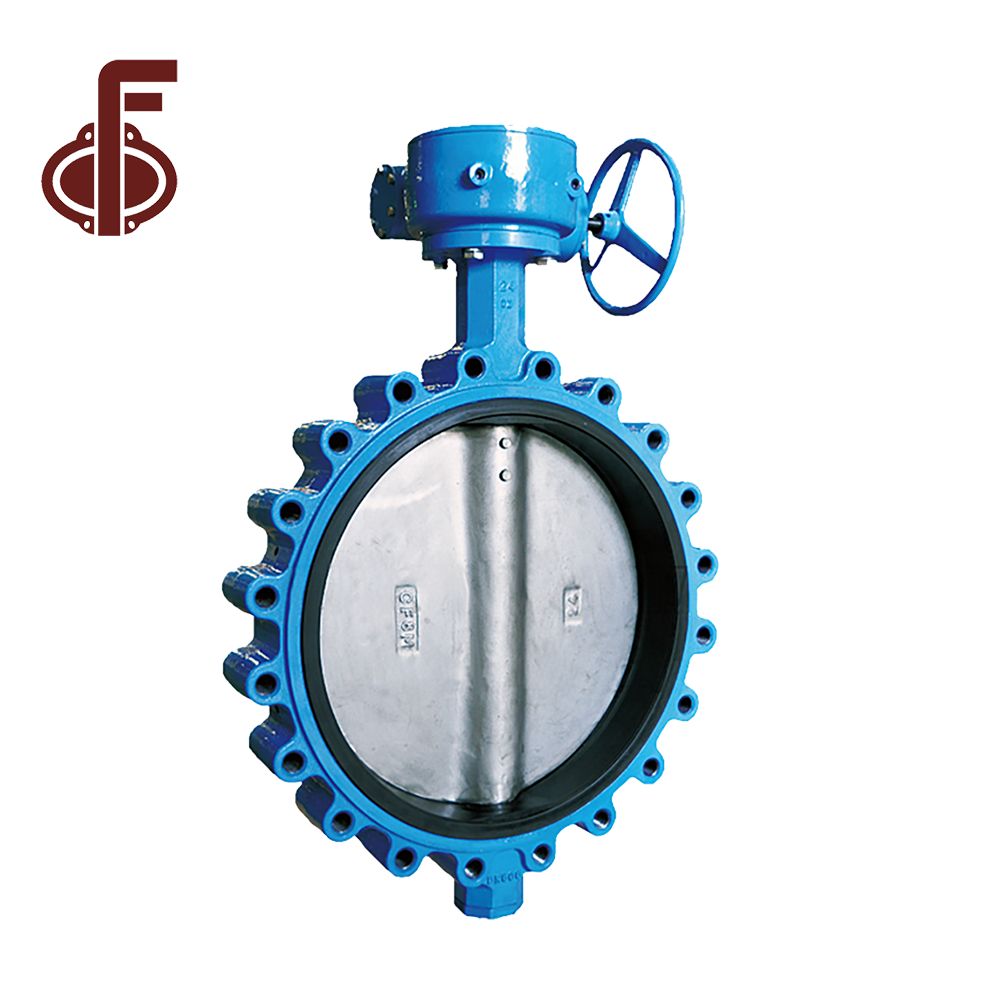
OEM PTFE Seat & Disc Wafer Centerline Butterfly Valve Factory, Factories
Product Description
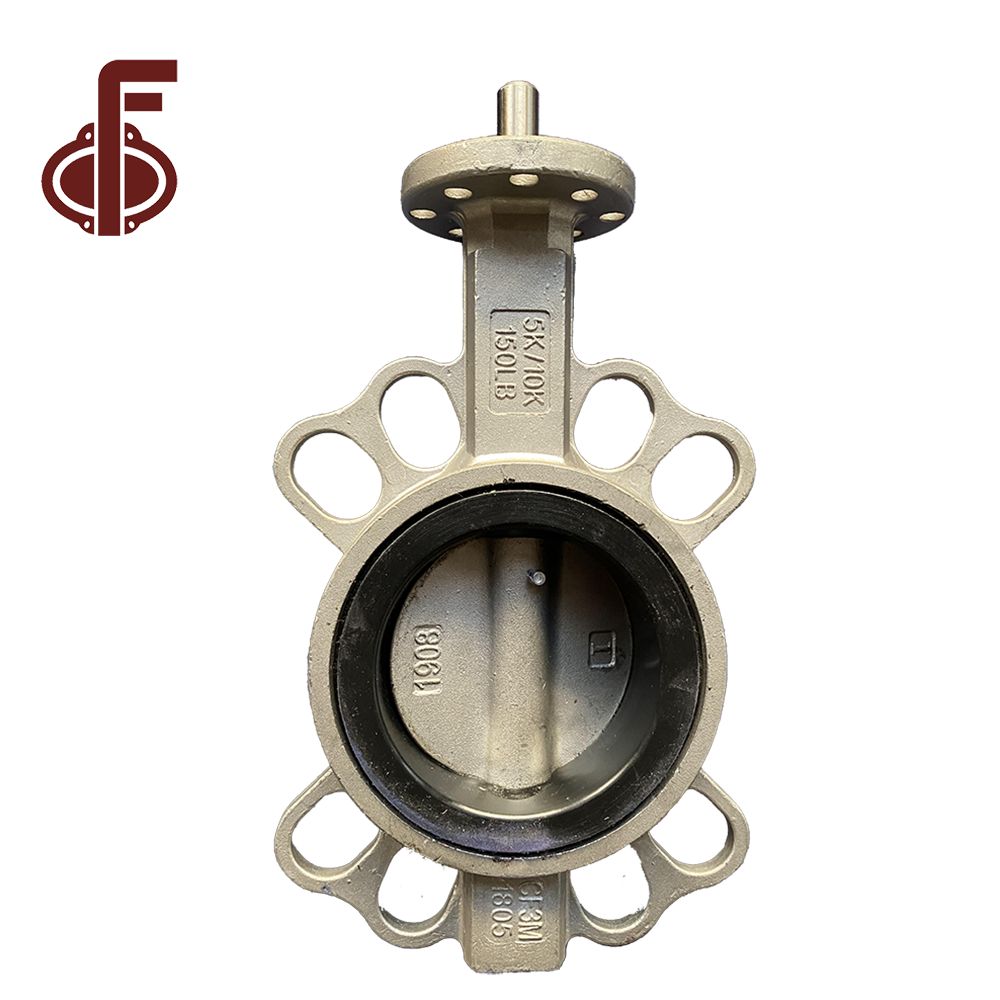
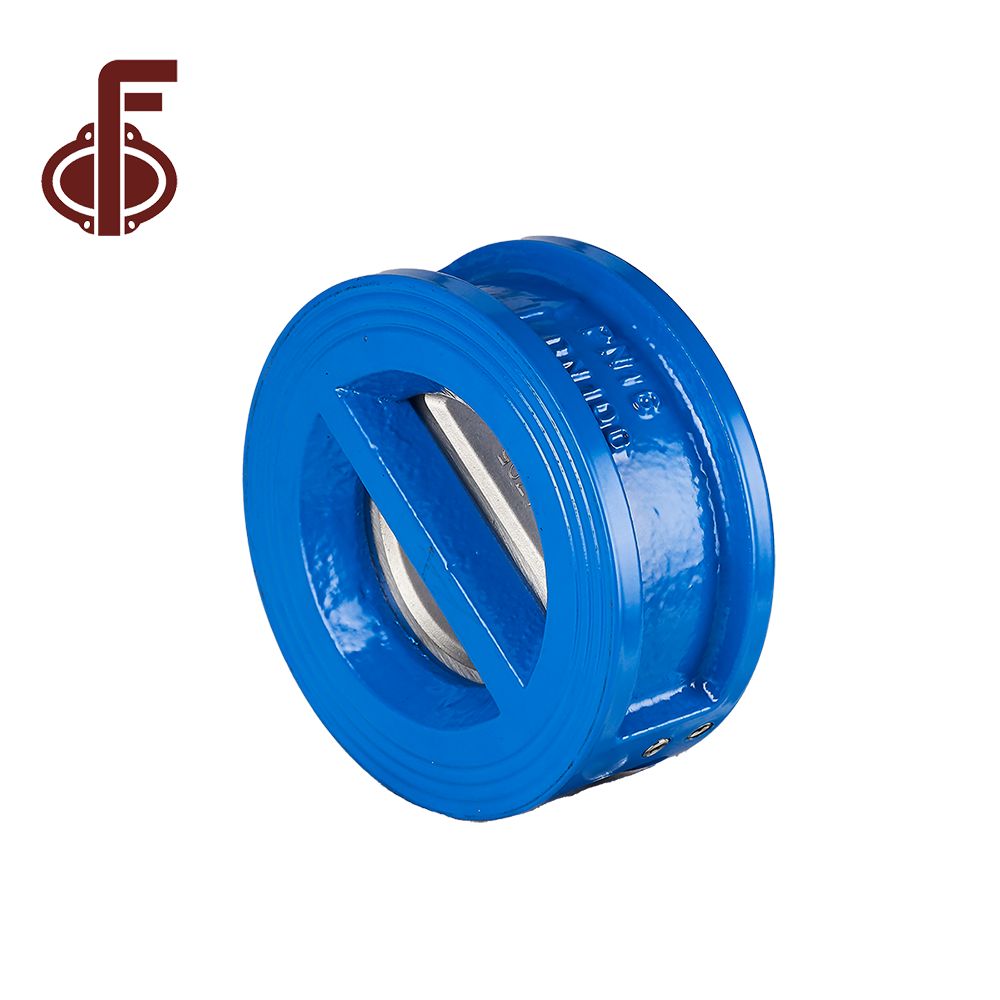
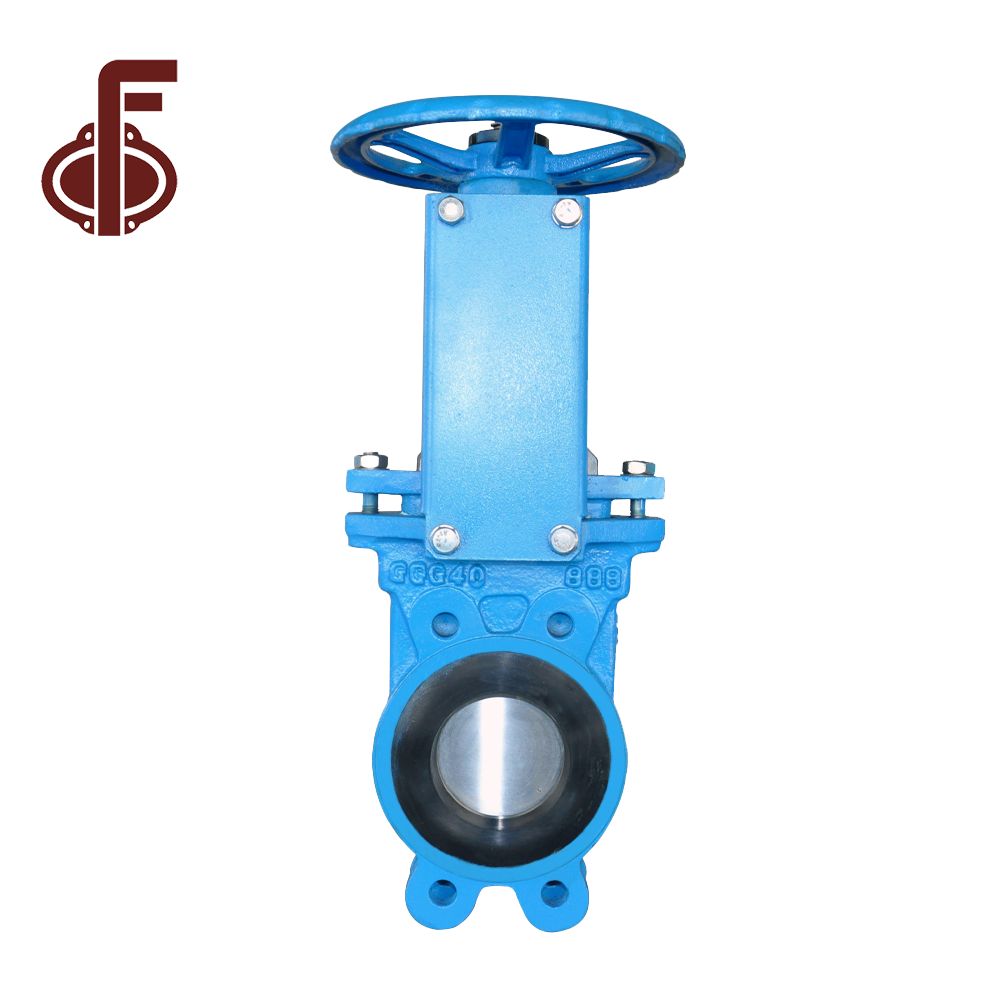
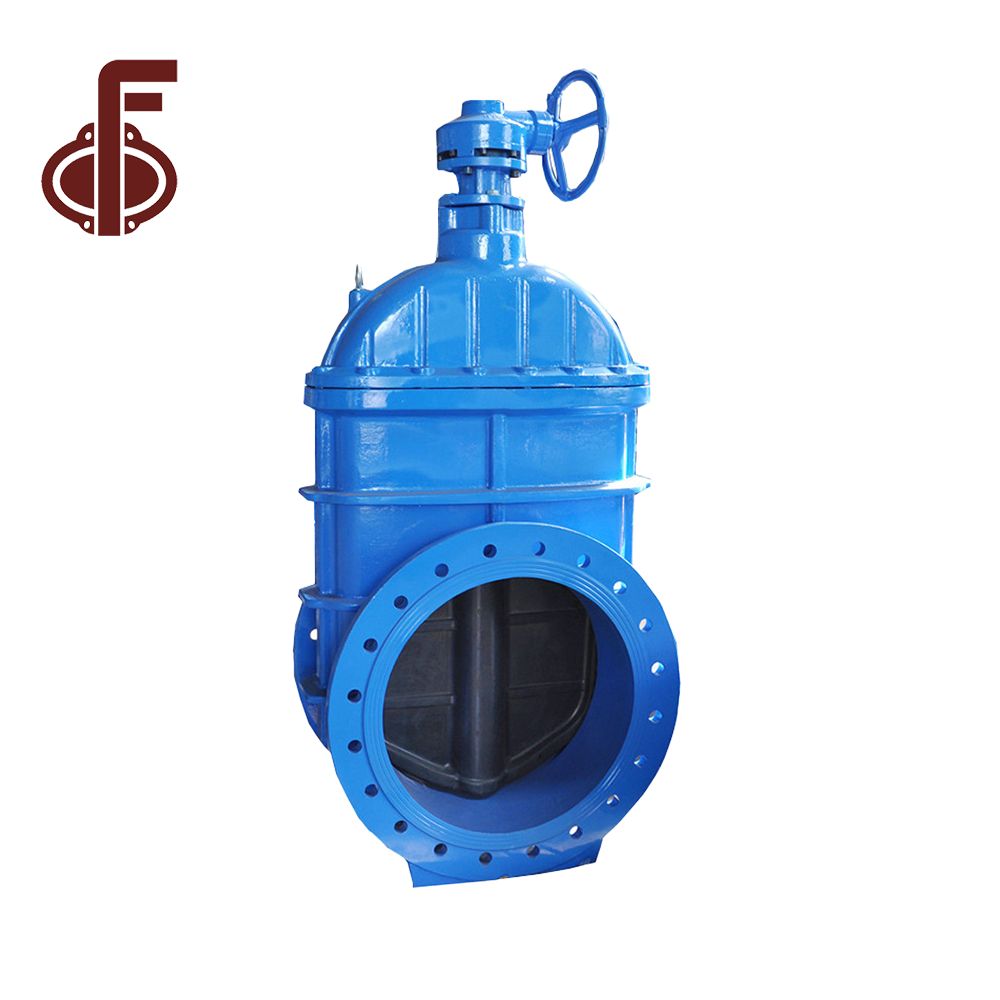
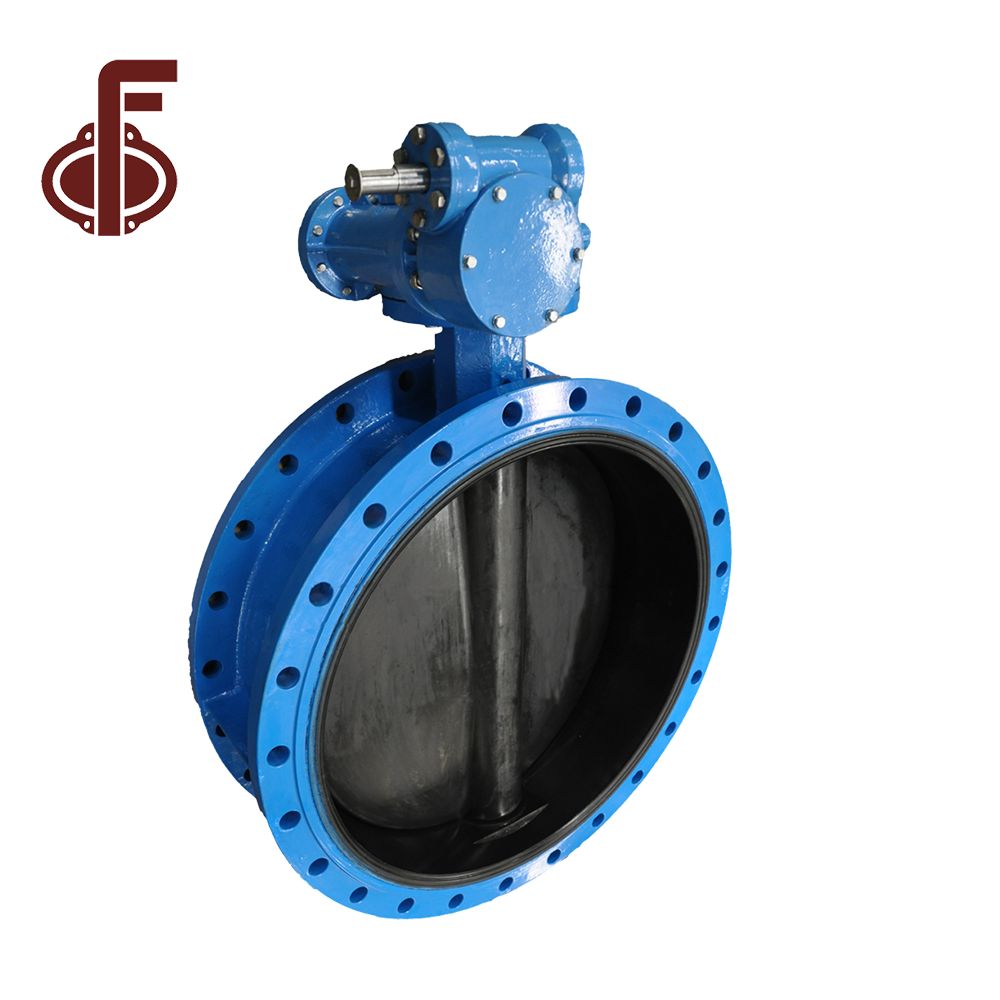
| Size & Pressure Rating & Standard | |
|---|---|
| Size | DN40-DN600 |
| Pressure Rating | PN10, PN16, CL150, JIS 5K, JIS 10K |
| Face to Face STD | API609, BS5155, DIN3202, ISO5752 |
| Connection STD | PN6, PN10, PN16, PN25, 150LB, JIS5K, 10K, 16K, GOST33259 |
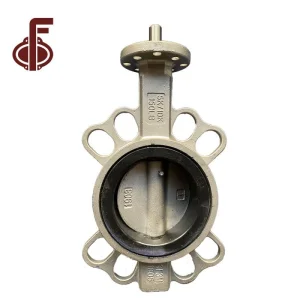
| Upper Flange STD | ISO 5211 |
| Material | |
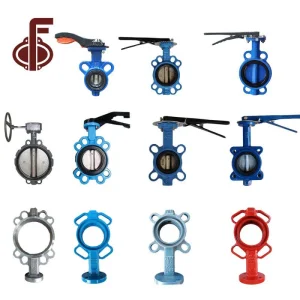
| Body | Cast Iron(GG25), Ductile Iron(GGG40/50), Carbon Steel(WCB A216), Stainless Steel(SS304/SS316/SS304L/SS316L), Duplex Stainless Steel(2507/1.4529), Bronze, Aluminium Alloy. |
| Disc | DI+Ni, Carbon Steel(WCB A216) coated with PTFE |
| Stem/Shaft | SS416, SS431, SS304, SS316, Duplex Stainless Steel, Monel |
| Seat | PTFE/RPTFE |
| Bushing | PTFE, Bronze |
| O Ring | NBR, EPDM, FKM |
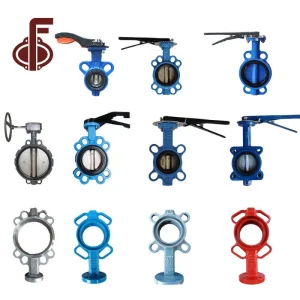
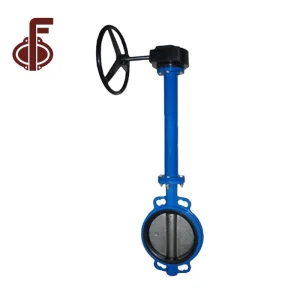
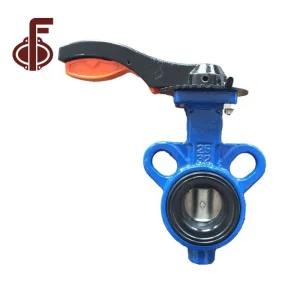
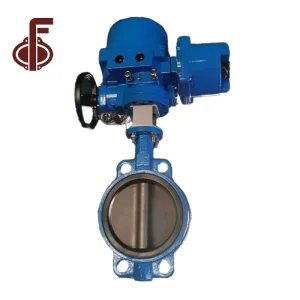
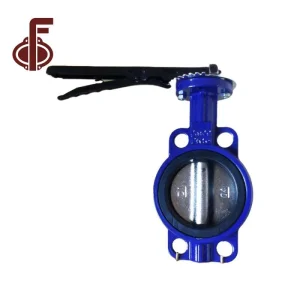
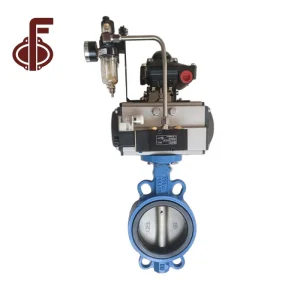
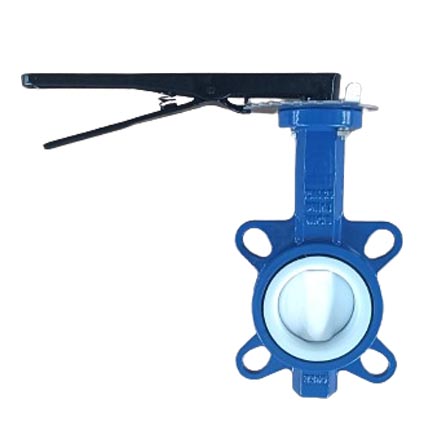
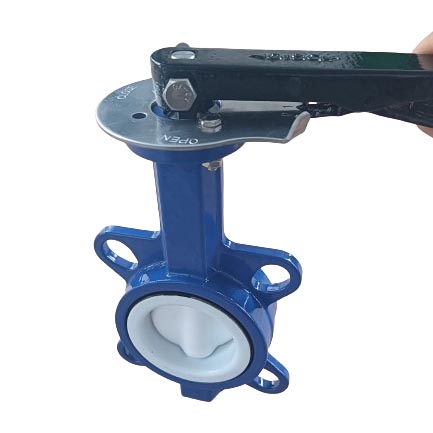
| Actuator | Hand Lever, Gear Box, Electric Actuator, Pneumatic Actuator |
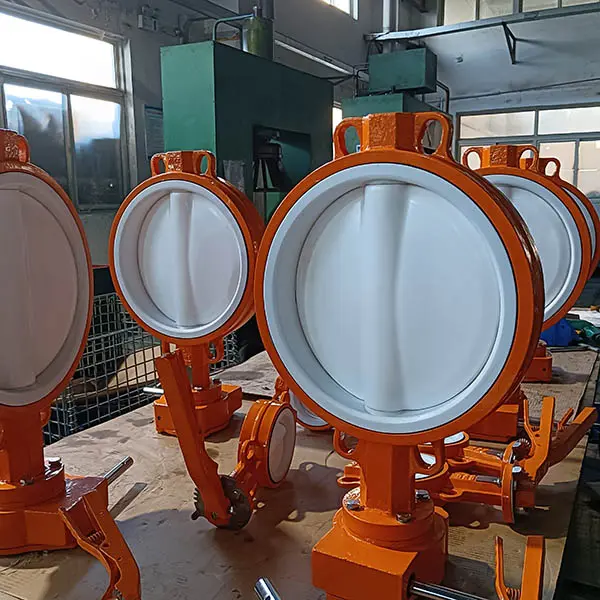
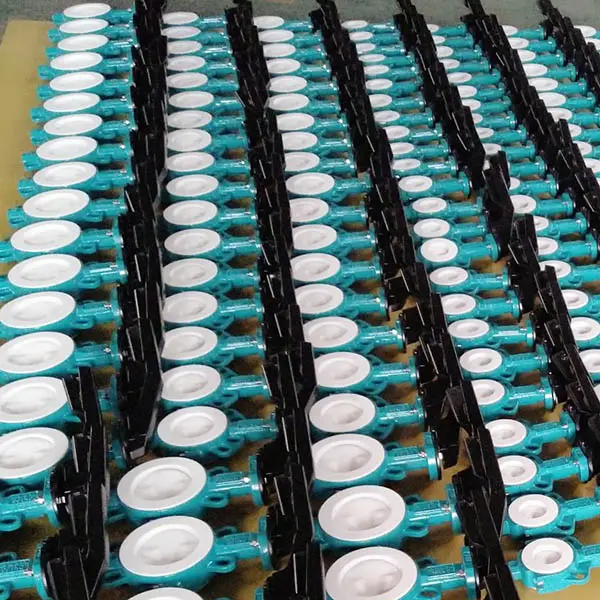
Key Material Performance
Chemical Resistance
PTFE has extremely high chemical resistance and can resist corrosion from most acid and alkali substances, so the PTFE seat and PTFE lined disc are suitable for piping systems with corrosive media.
Temperature Stability
The PTFE butterfly valve also has excellent heat and cold resistance and can maintain stable performance under extreme temperatures.
Low Friction Operation
PTFE material has a very low coefficient of friction, which helps to reduce operating torque and makes the operation of butterfly valves easier and smoother.
Difference between PTFE Seat of PTFE Liner
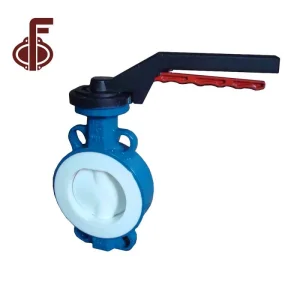
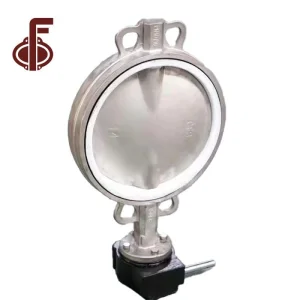
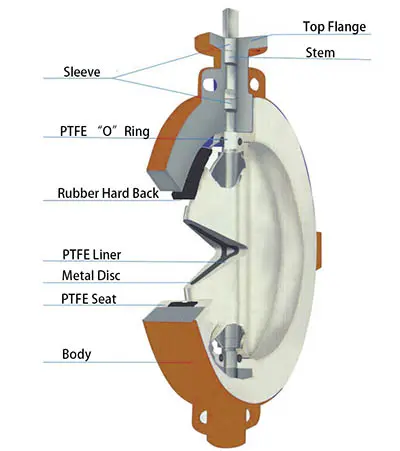
The PTFE valve seat is wrapped on the hard rubber backing and directly formed into the overall structure of the valve seat. Installed in the valve body to provide sealing performance.
PTFE lining is a layer of PTFE that is applied to the inside of the valve body, including the end faces where it connects to the pipe.
Industrial Applications & Advantages
PTFE-lined Disc and PTFE seat butterfly valves are widely used in chemical, pharmaceutical, power generation and other industries. These valves are specifically designed to control the flow of corrosive fluids.
The PTFE lining inside the valve offers excellent corrosion and high temperature resistance, making it ideal for a variety of industrial applications. The wafer style design of these butterfly valves makes them lightweight and easy to install between flanges.
PTFE seat wafer butterfly valves are known for their durability and low maintenance requirements. The valve's disc design reduces turbulence and enables high flow rates, making it a cost-effective solution for industrial applications. The compact design of these valves facilitates installation in industrial environments and saves valuable space.
Frequently Asked Questions (FAQ)
The butterfly valves are available in sizes ranging from DN40 to DN600, with pressure ratings including PN10, PN16, CL150, JIS 5K, and JIS 10K.
PTFE exhibits extremely high chemical resistance against most acidic and alkaline substances, ensuring maximum durability and leak-free performance in corrosive fluid processing.
A PTFE seat is wrapped over a hard rubber backing inside the body specifically to provide sealing, whereas a PTFE liner is a comprehensive protective layer applied across the entire internal surface and connecting end faces of the valve body.
These valves are commonly implemented in the chemical processing, pharmaceutical, and power generation industries where flow control of aggressive and corrosive media is essential.
The valves feature an ISO 5211 upper flange standard, allowing easy configuration with Hand Levers, Gear Boxes, Electric Actuators, and Pneumatic Actuators.
The wafer style construction is lightweight, compact, and easy to fit directly between pipeline flanges, saving space while maintaining high flow rates and low maintenance demands.