OEM Air Operated Butterfly Valve Factories & Exporters
Precision-engineered pneumatic quarter-turn isolation & modulating flow control systems compliant with ISO, ANSI, DIN, and API industrial standards.
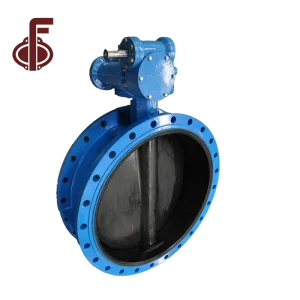
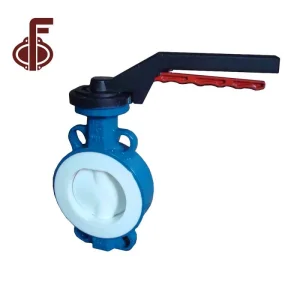
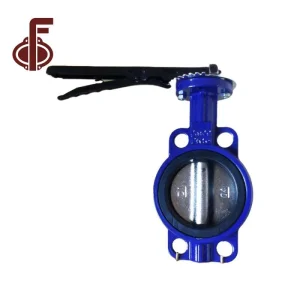
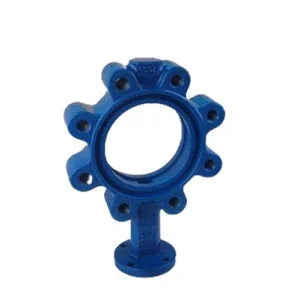
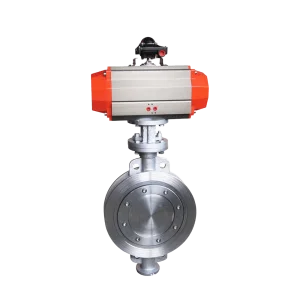
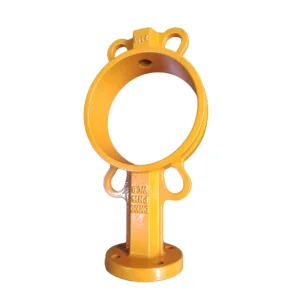
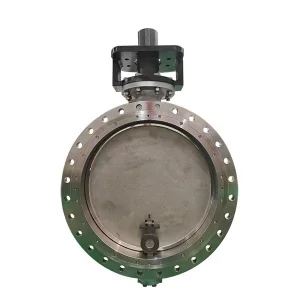
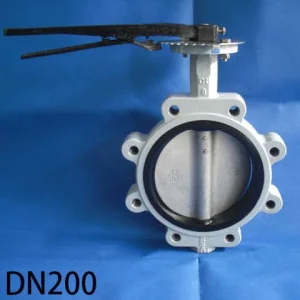
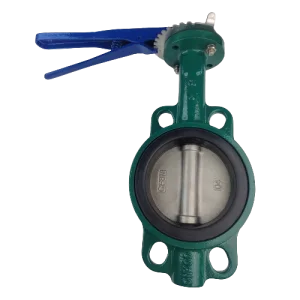
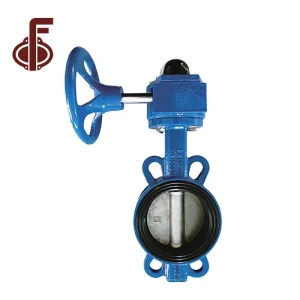
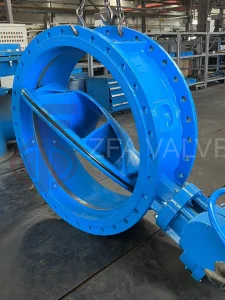
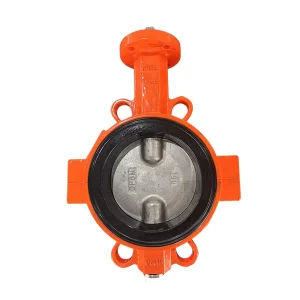
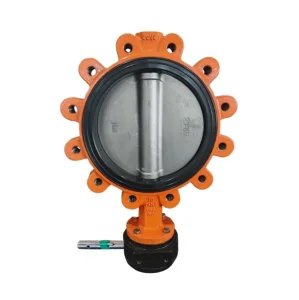
Featured Industrial Air Operated & Concentric Valve Assemblies
Engineered for mission-critical automation, featuring high-torque rack-and-pinion air actuation, certified bi-directional zero-leakage, and durable body castings.
Industrial Status: The Role of Air Operated Butterfly Valves
In modern process engineering, the transition toward fully automated, explosion-proof distributed control systems (DCS) has positioned air operated (pneumatically actuated) butterfly valves as the predominant choice for critical fluid management globally.
Intrinsically Safe Operation
Unlike electric motor actuators that introduce potential sparking risks in hazardous zones, pneumatic rack-and-pinion actuators rely strictly on instrument-grade compressed air. This renders them intrinsically safe for ATEX, IECEx, and Class I, Div 1 zones.
- No spark hazard in hydrocarbon gas applications
- Direct compliance with SIL 2 and SIL 3 emergency loops
- Rapid fail-safe spring return (air failure closure)
High Cycling Speed & Dynamics
Air-driven valves offer cycle times under one second, significantly faster than their motorized counterparts. This rapid actuation profile prevents line over-pressurization, cavitation damage, and downstream surge during unexpected plant fluctuations.
- Quarter-turn execution within 0.5 to 1.5 seconds
- Customizable opening/closing throttling via exhaust silencers
- High dynamic torque curves through dual-piston designs
Modular Engineering Adaptability
Concentric, double-offset, and triple-offset designs easily pair with standard ISO 5211 direct-mount actuator flanges, allowing seamless interchangeability among electro-pneumatic positioners (4-20mA, HART), limit switch boxes, and solenoid valves.
- Standardized ISO 5211 / NAMUR VDI/VDE interfaces
- Linearized flow profile matching equal percentage needs
- Direct mounting without external bracket deadband
Industry Trends: The Evolution to Smart Pneumatic Ecosystems
The global manufacturing footprint is transitioning from analog mechanical isolation toward digitally responsive, predictive actuation architectures designed to minimize unplanned plant shutdowns.
Triple-Offset Metal Sealing
While resilient rubber-lined valves (EPDM, NBR, FKM) excel in water and low-pressure utility lines, modern refineries and high-pressure steam distribution systems demand non-rubbing, laminated metal-to-metal seating capable of withstanding -196°C to +600°C.
Smart Digital Positioners & IoT
Integration of micro-controlled positioners allows for real-time tracking of dynamic travel deviation, cycle counters, packing leakage alarms, and partial-stroke testing (PST). Plants can execute safety tests without cutting process flow.
Emission Control (ISO 15848-1)
Fugitive emissions at valve stems contribute heavily to corporate carbon penalties. OEM manufacturers now deploy pre-loaded spring live packing, PTFE chevron seals, and precision-machined micro-finish stems to deliver near-zero leakage.
Localized Application Scenarios & Sector-Specific Deployments
Air-operated butterfly valves serve varying roles across different industries, from managing wastewater treatment flow to handling aggressive chemical processes in specialized environments.
| Industrial Sector | Common Process Media | Actuation Configuration | Recommended Valve Construction | Key Operational Benefit |
|---|---|---|---|---|
| Municipal Water & Desalination | Raw seawater, potable water, treated effluent | Double-Acting Pneumatic with IP67 Solenoid | Ductile Iron Body, CF8M Disc, Vulcanized EPDM | Corrosion resistance, low cavitation risk, low pumping head loss |
| Chemical & Petrochemical | Aromatics, acids, solvents, caustic wash | Single-Acting Fail-Safe with ATEX Smart Positioner | WCB / SS316 Body, Pure Virgin PTFE / PFA Lined | Zero media contamination, universal chemical resistance, safe auto-shutoff |
| HVAC & District Energy Networks | Chilled water, condenser loops, low-pressure steam | Pneumatic Quarter-Turn with 4-20mA Proportional Input | Wafer Body Cast Iron, Aluminum-Bronze Disc | Rapid balancing response, lightweight between-flange clamping, cost efficiency |
| Power Generation & Heavy Slurry | Flue-gas desulfurization (FGD), ash wash slurry | Heavy-Duty Scotch Yoke Actuator with Booster Relay | Double Eccentric, High-Chrome Alloy or Stellite Overlay | Exceptional resistance to particulate abrasion, sustained seal tight-shutoff |
Technical Material Matrix & Structural Integrity QA
Selecting the optimal metallurgy and elastomer combination is critical for maximizing field service life while minimizing maintenance downtimes.
Pressure & Temperature Bounds
Standard concentric resilient configurations serve reliably within PN10, PN16, and ANSI Class 150 boundaries (-20°C to 120°C). High-performance double/triple eccentric designs scale up to Class 300, 600, and 900 ratings, supporting fluid handling from cryogenic temperatures up to +600°C.
Casting Integrity & NDT Protocols
Export-grade OEM facilities utilize advanced shell mold casting and automated sand reclamation systems. Quality assurance mandates 100% PMI (Positive Material Identification), ultrasonic non-destructive testing for wall thickness, and magnetic particle checks on pressure-containing junctions.
Testing to API 598 & ISO 5208
Every completed pneumatic valve assembly undergoes a multi-point inspection: shell hydrostatic test at 1.5× rated working pressure, resilient seat pneumatic back-test at 0.6 MPa (Zero-Bubble leakage), and 5-cycle dry-run operation testing to verify actuator mechanical alignment.
Technical FAQ: Air Operated Butterfly Valve Procurement
Key technical answers compiled by our application engineering and OEM manufacturing teams.
What are the key differences between Double-Acting (DA) and Spring-Return (SR) pneumatic actuators?
How do you accurately calculate actuator torque for high-pressure differential applications?
Which international face-to-face and flange standards do your export butterfly valves support?
Can resilient-seated butterfly valves handle fine-tuning modulation, or are they strictly on-off?
Specialized Industrial Butterfly & Flow Control Valves
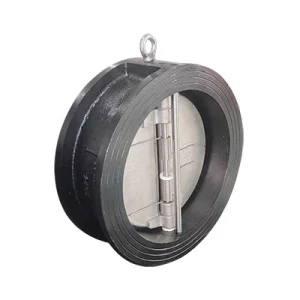
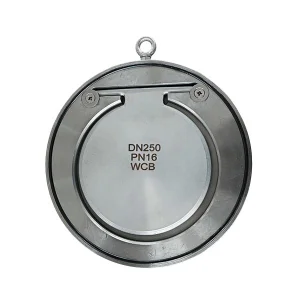
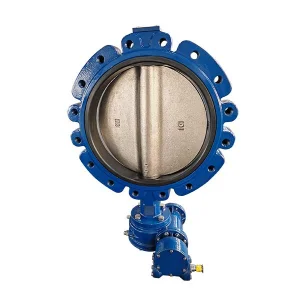
Explore our complete catalog of dual-plate non-return valves, lugged shutoffs, triple-offset systems, and corrosion-resistant assemblies ready for OEM branding.