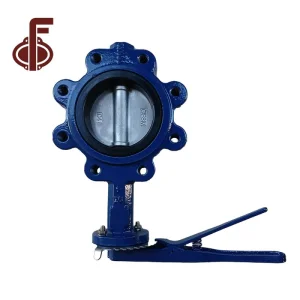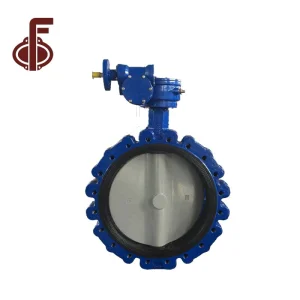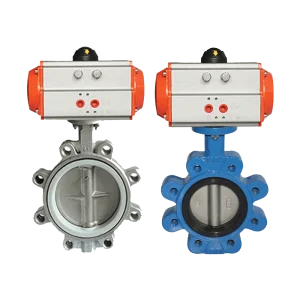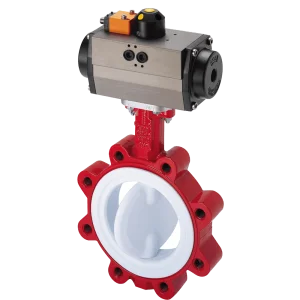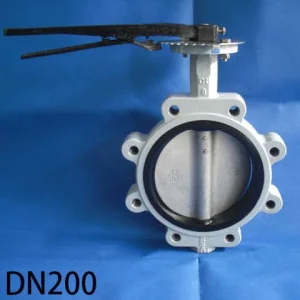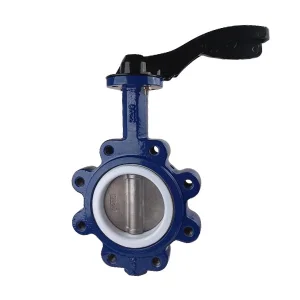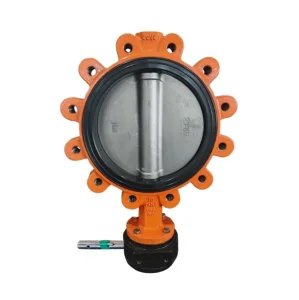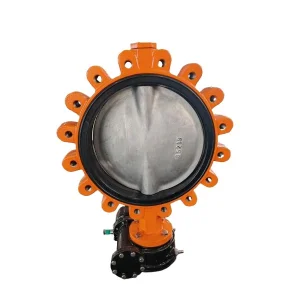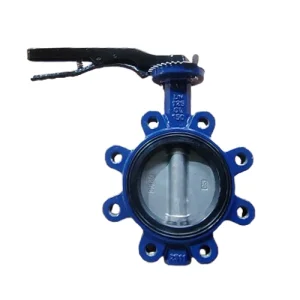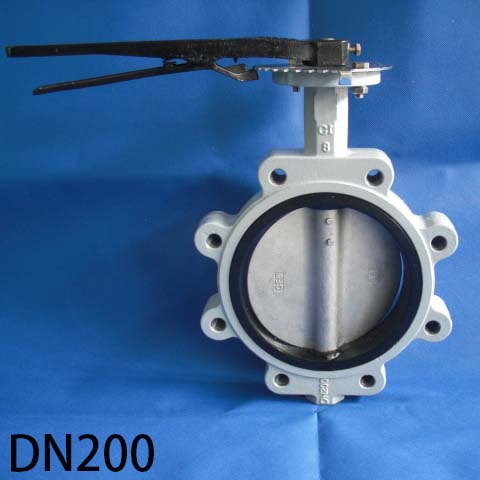
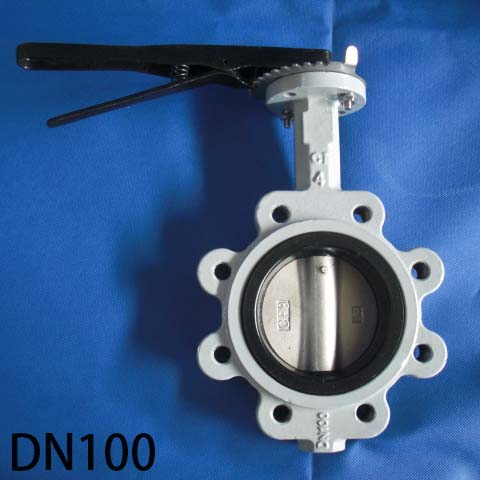
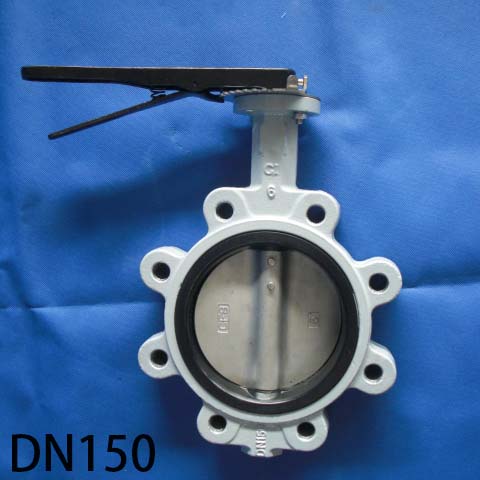
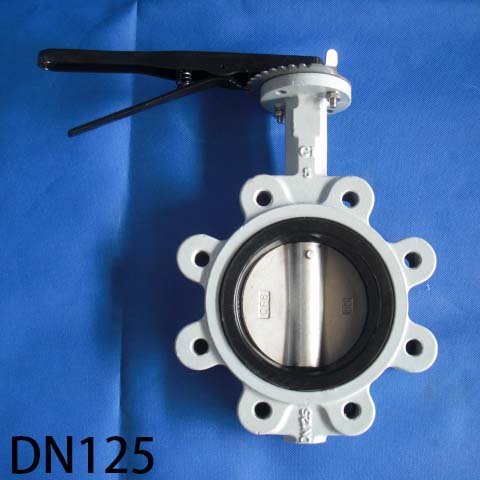
OEM Casting Iron Body CF8 Disc Lug Type Butterfly Valve Manufacturers, Factory
Product Description
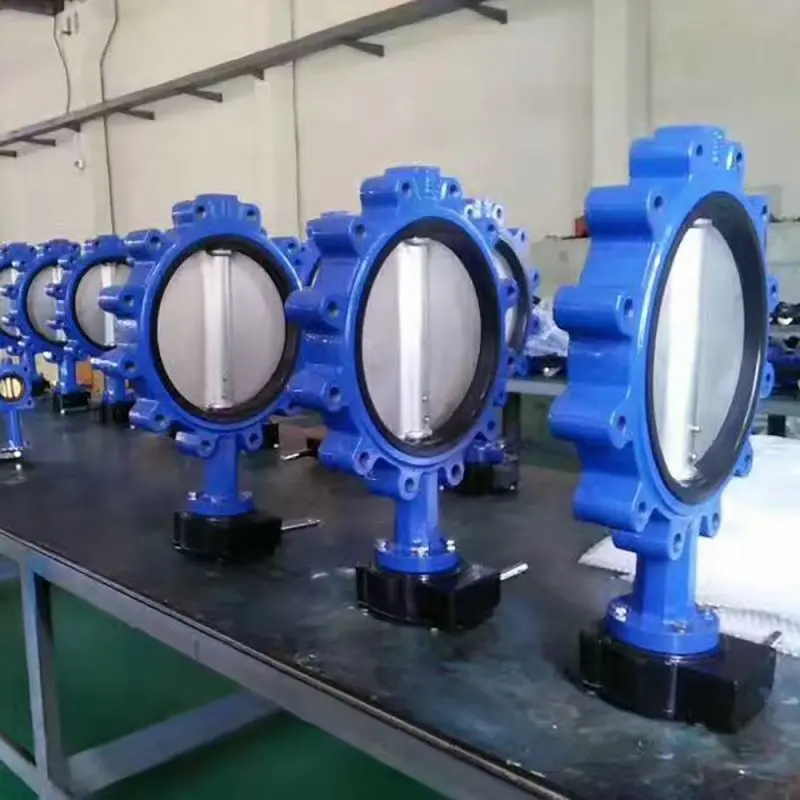
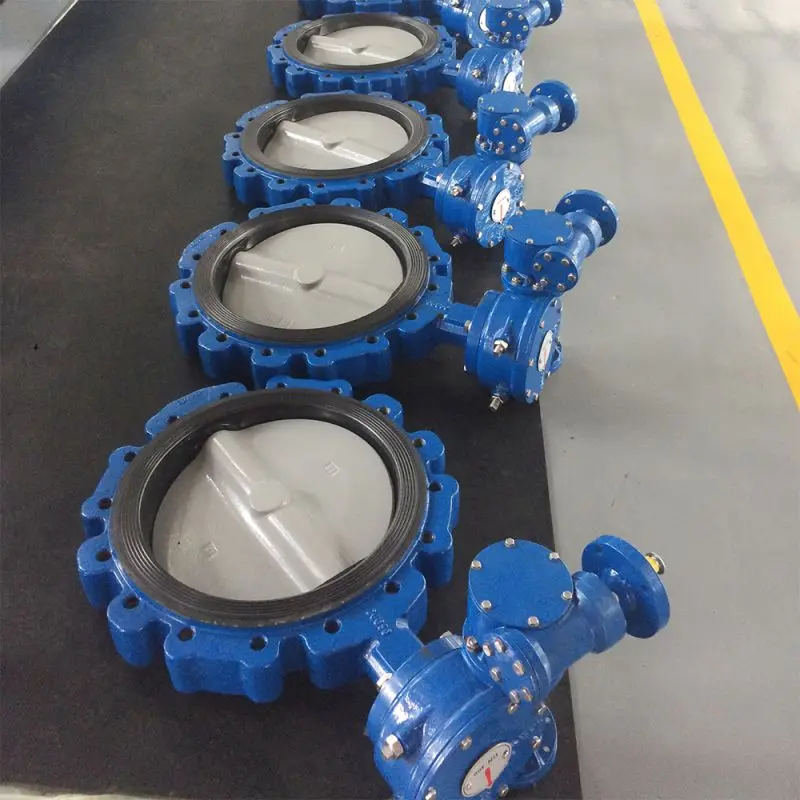
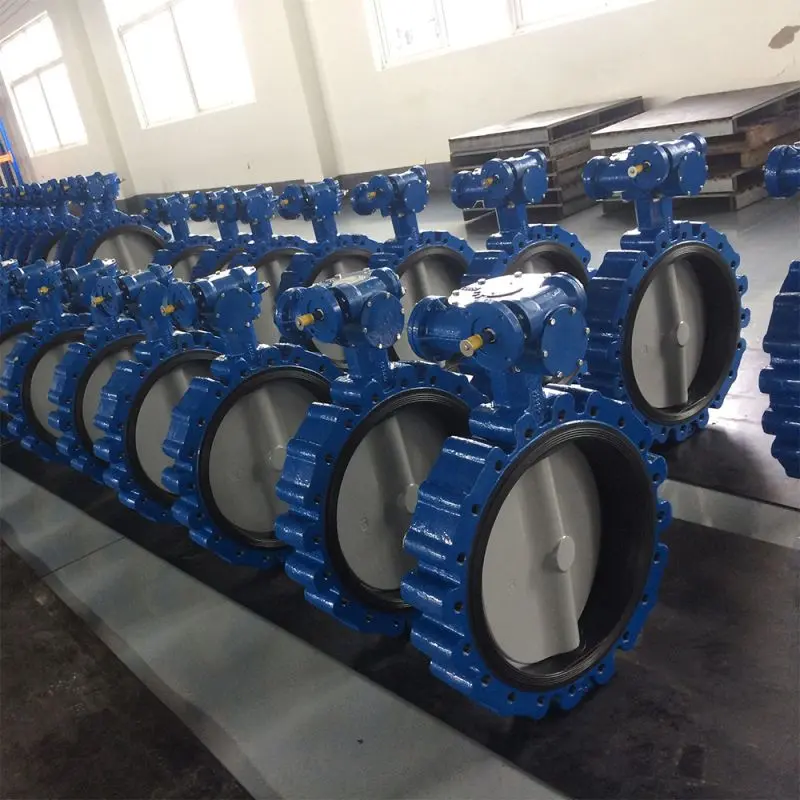
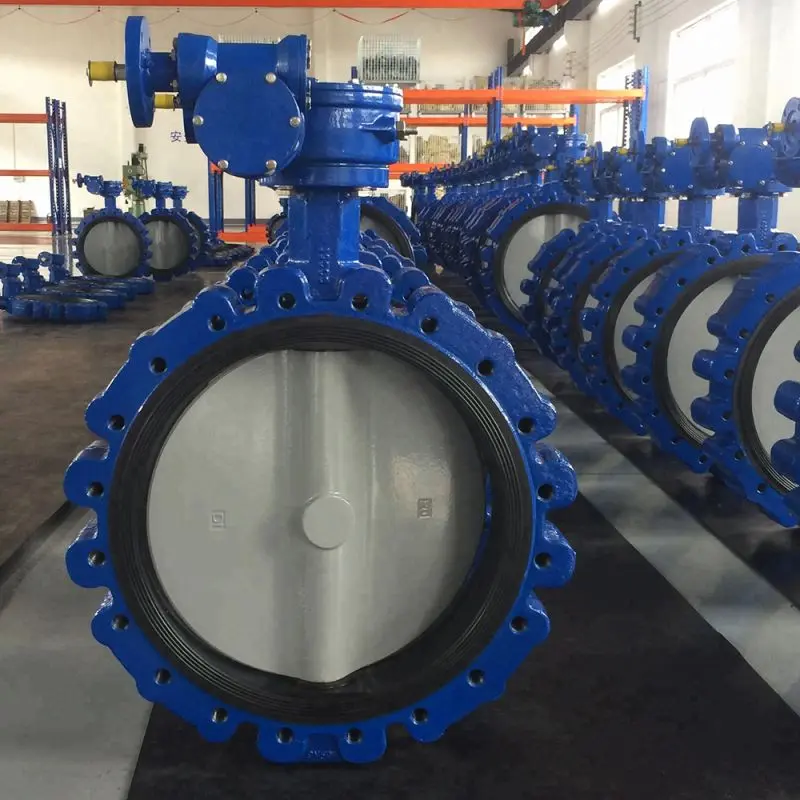
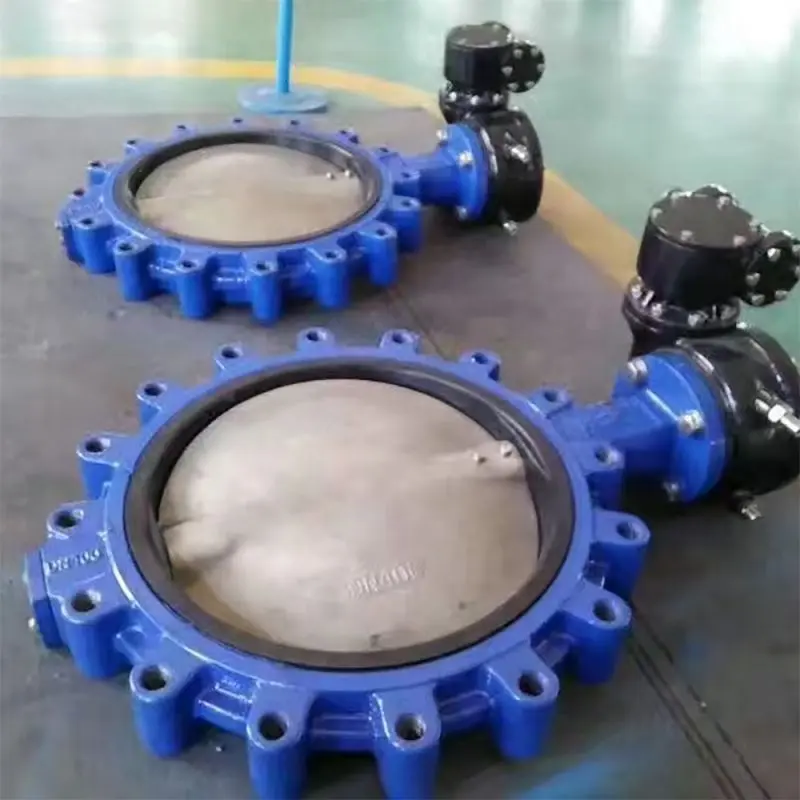
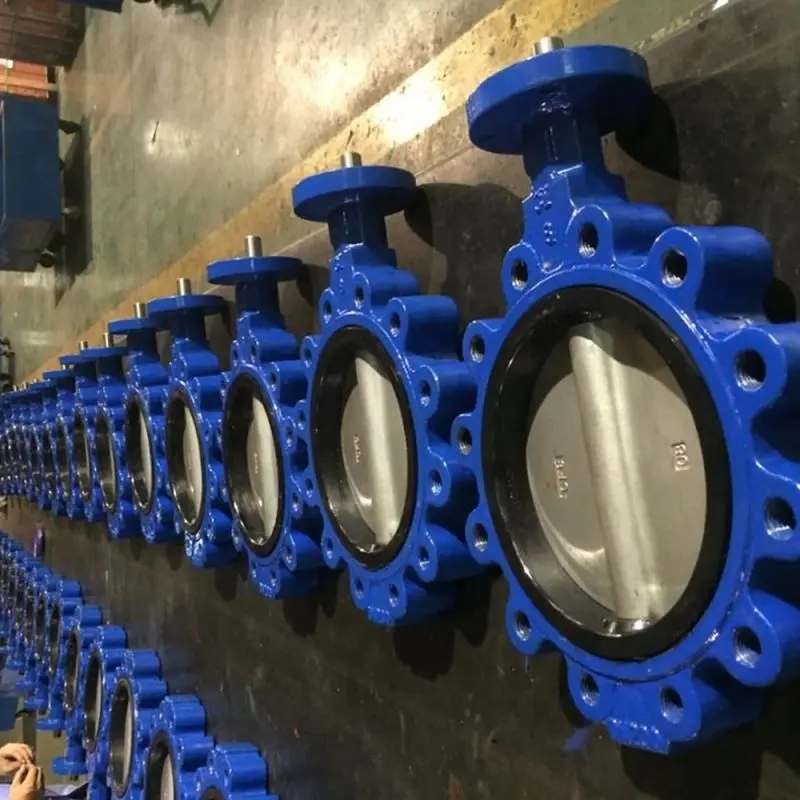
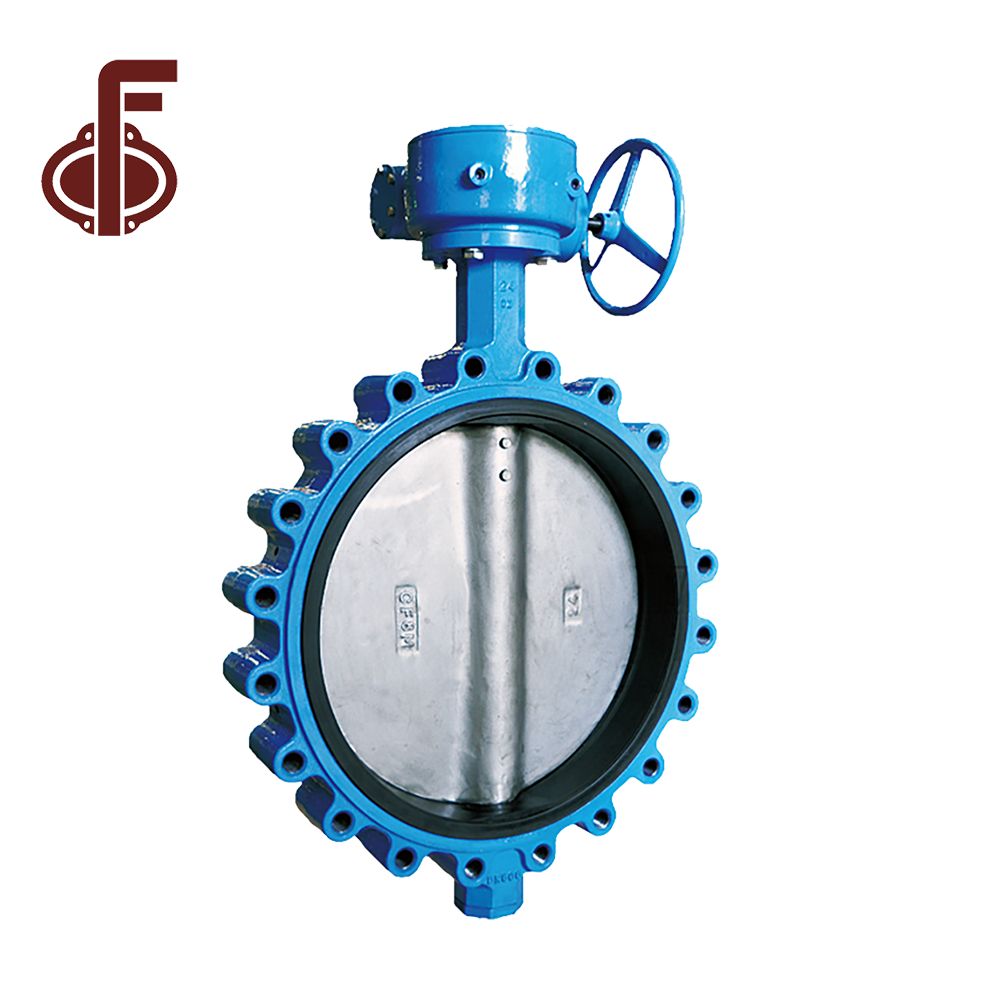
Cast Iron Body
This suggests that the body of the valve is made of cast iron. Cast iron is a common material used in industrial valves due to its high tensile strength and durable performance.
CF8 Stainless Steel Disc
CF8 is a designation for cast austenitic stainless steel. The disc component is engineered using CF8 stainless steel, renowned for excellent corrosion resistance and optimal suitability for critical valve applications.
Lug butterfly valves are primarily utilized for pipeline flow, pressure, and temperature regulation across industrial automated production lines. Key service industries include electric power generation, petrochemicals, metallurgy, environmental protection, energy management systems, and specialized fire protection setups.
Engineered with superior fluid control characteristics, the lug valve facilitates smooth operation and reduced operational torque. Beyond common sectors such as gas extraction, oil refining, chemical processing, and municipal water treatment, these valves serve reliably in cooling water circulation circuits within thermal power plants.
Our valves comply with major international engineering standards including ASTM, ANSI, ISO, BS, DIN, GOST, JIS, and KS. Sizes span DN40 through DN1200, with nominal pressure ratings from 0.1 MPa to 2.0 MPa, and an operational temperature range from -30°C to 200°C. They accommodate non-corrosive and corrosive gases, liquids, semi-fluids, solids, and powders across HVAC installations, municipal supply infrastructure, and processing plants.
| Size, Pressure Rating & Design Standards | |
|---|---|
| Nominal Size | DN40 - DN1600 |
| Pressure Ratings | PN10, PN16, Class 150, JIS 5K, JIS 10K |
| Face to Face Standard | API 609, BS 5155, DIN 3202, ISO 5752 |
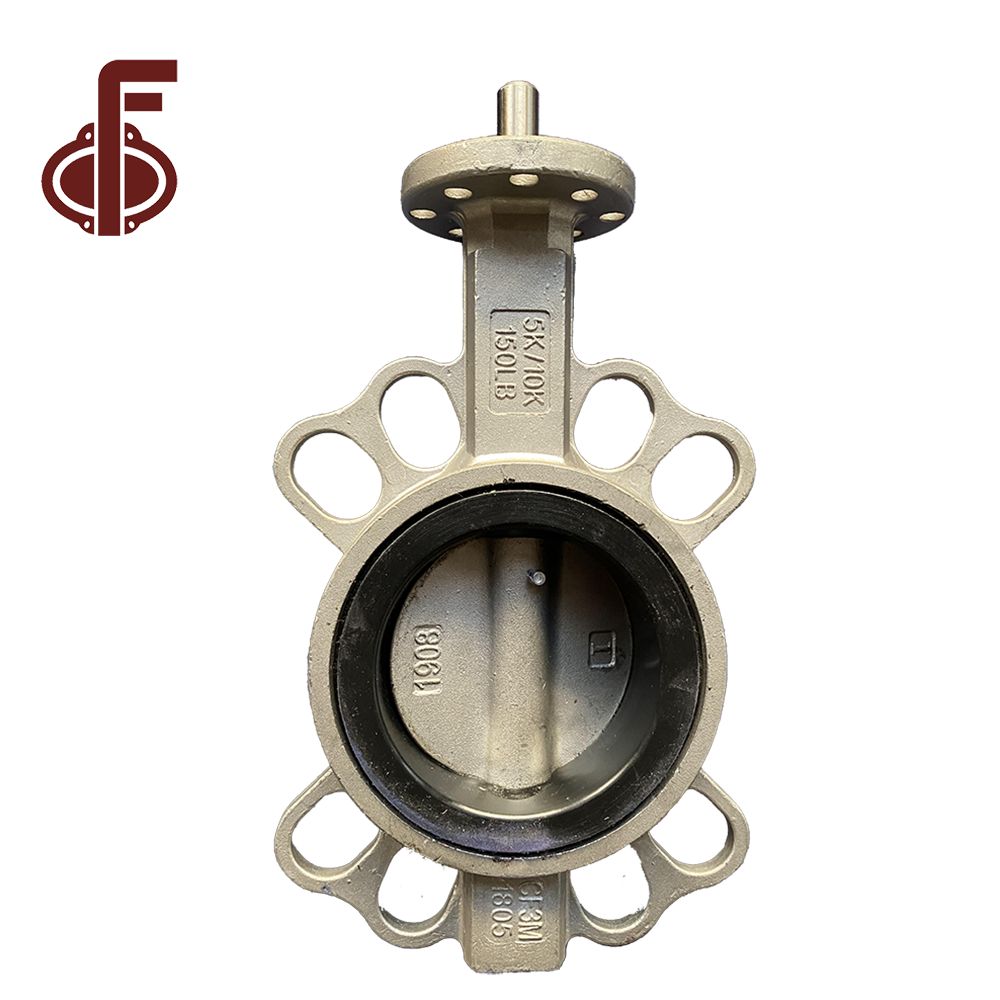
| Connection Compatibility | PN6, PN10, PN16, PN25, 150LB, JIS 5K, JIS 10K, JIS 16K, GOST 33259 |
| Top Flange Standard | ISO 5211 direct mounting pad |
| Standard Material Specifications | |
| Valve Body | Cast Iron (GG25), Ductile Iron (GGG40/50), Carbon Steel (WCB A216), Stainless Steel (SS304/SS316/SS304L/SS316L), Duplex Stainless Steel (2507/1.4529), Bronze, Aluminum Alloy |
| Disc Material | Ductile Iron + Nickel Plated, Carbon Steel (WCB A216), Stainless Steel (SS304/SS316/SS304L/SS316L), Duplex Stainless Steel (2507/1.4529), Bronze, or Disc coated with Epoxy / Nylon / EPDM / NBR / PTFE / PFA |
| Stem / Shaft | SS416, SS431, SS304, SS316, Duplex Stainless Steel, Monel |
| Seat Liner | NBR, EPDM, REPDM, PTFE, RPTFE, Viton, Neoprene, Hypalon, Silicon, PFA |
| Bushings | PTFE, Bronze |
| O-Ring Seals | NBR, EPDM, FKM |
| Actuator Options | Manual Hand Lever, Worm Gearbox, Electric Actuator, Pneumatic Actuator |