
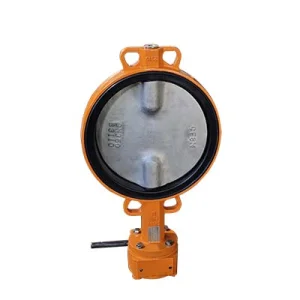
Primary Lineup
High-Integrity Valve Portfolio: Batch A
Engineered for full thermal-shock resilience, bidirectional shut-off, and compliance with ASTM, ANSI, DIN, and ISO standards.
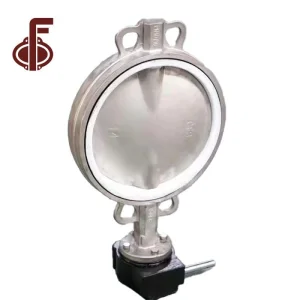
OEM PTFE Seat Wafer Type Butterfly Valve Manufacturer
Configure Spec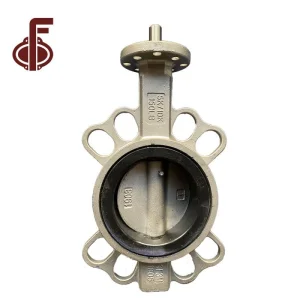
OEM 5k 10k 150LB PN10 PN16 Wafer Butterfly Valve Exporter
Configure Spec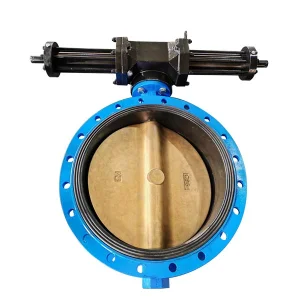
China EPDM Seat C954 Disc Hydraulic Flange Butterfly Valve
Configure Spec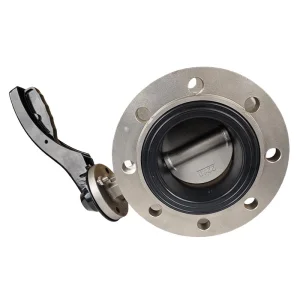
China CF8 Body CF8M Disc Double Flange Butterfly Valve
Configure Spec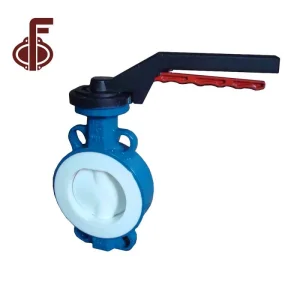
OEM Concentric Cast Iron Full Lined Butterfly Valve
Configure Spec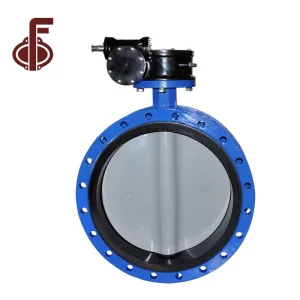
OEM NBR Seat Flange Butterfly Valve Factory, Exporter
Configure Spec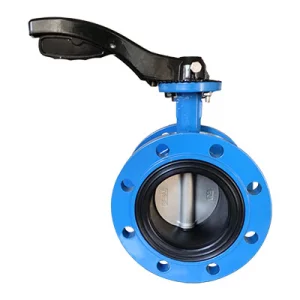
OEM EN593 Replaceable EPDM Seat DI Flange Butterfly Valve
Configure Spec
Technical White Paper
Engineering Architecture: API 607 & ISO 10497 Compliance Principles
A technical teardown of thermodynamic seal retention and dynamic displacement management under extreme thermal exposure.
Dual Seat Mechanics
The core of resilient fire safe isolation relies on combining a primary polymeric soft seal (PTFE/RPTFE) with an integral secondary metallic seat (Stellite / Inconel 718).
- Class VI zero-bubble isolation during normal duty
- Polymer burn-off causes line pressure to shift disc against metal seat
- ISO 10497 allowable leakage threshold preserved post-burn
Stem Blow-Out Protection
Stem retention design prevents critical failure modes where internal line overpressure attempts to eject the shaft when packing seals disintegrate during fires.
- Integral internal collar design machined into the primary stem
- Dual external retention plates certified to ASME B16.34
- Multi-ring flexible graphite secondary packing gland
Thermal Expansion Tolerance
Double and triple offset geometries prevent disc-to-seat jamming caused by thermal expansion differentials across cast steel bodies and stainless components.
- Offset 1 & 2 eliminate frictional rubbing during 90° rotation
- Offset 3 (conical seal) guarantees non-jamming camming engagement
- Preserves emergency unseating torque even after 1000°C exposure
Industrial Deployment
Macro-Industry Solutions: Severe Duty Flow Containment
Tailored valve architectures that address industry-specific pressures, corrosion limits, and critical safety certifications.
Refining & Hydrocarbons
Handling light hydrocarbon fractions, crude distillates, and naphtha where external leakage can lead to vapor clouds. Features high-temperature graphite body gaskets and spark-free bronze/stainless disc trimmings.
Chemical Processing
Full PTFE or PFA encapsulation paired with secondary Hastelloy or Duplex stainless containment rings for aggressive solvents, hot acids, and intermediate reaction pipelines.
LNG & Cryogenics
Extended bonnet configurations providing vapor columns that isolate the fire safe packing rings from cryogenic liquefaction temperatures down to -196°C, preventing seal embrittlement.
Marine & FPSO Modules
Nickel-aluminum bronze (C95400/C95800) and super duplex alloys engineered for offshore topsides, seawater fire-water deluge mains, and hull ballasting systems resistant to cavitation and pitting.
Smart Manufacturing
China Factory 4.0: Supply Chain Resilience & Quality Traceability
Combining precision automated machining, digital metallurgy verification, and vertically integrated valve production in Tianjin.
| Manufacturing Stage | Process Automation & Control | Quality Verification (NDT / QA) | Traceability Output |
|---|---|---|---|
| Casting & Metallurgy | Induction furnace melting with vacuum degassing; spectrographic chemical analysis for each heat ladle. | PMI (Positive Material Identification), RT/UT radiographic spot tests for interior cavity void verification. | EN 10204 3.1 MTR |
| 5-Axis Machining | High-precision CNC cell turning for eccentric seat angles, stem bores, and flange sealing serrations (Ra 3.2–6.3). | Coordinate Measuring Machine (CMM) dimensional verification; optical micrometer runout inspection. | CMM Digital Log |
| Stellite Overlay Welding | Automated robotic plasma arc cladding of seat sealing faces for uniform thickness and thermal stability. | Dye Penetrant Testing (PT) according to ASME Section V; microhardness profile verification across heat-affected zone. | Cladding Log (WPS/PQR) |
| Assembly & Fire Test | Torque-controlled automated bolt tensioning; in-house API 607 burn chamber with video data logging. | Hydrostatic shell test (1.5x PN), low/high-pressure gas seat test (ISO 5208 Rate A), fugitive emission sniff test. | Fire Safe Test Dossier |
Procurement Strategy
Global Enterprise Sourcing: Mitigating Risk in Critical Flow Control
Addressing compliance, cost efficiency, and performance reliability for EPC contractors, plant operators, and procurement specialists.
Direct Engineering Alignment
Collaborate directly with our technical design office to customize dimensions, bonnet extensions, face-to-face dimensions (ISO 5752), and ISO 5211 direct-mount automation pads.
Full Inspection Traceability
Supply complete document packages including Material Test Reports (EN 10204 Type 3.1), NACE MR0175/ISO 15156 sour gas compliance certificates, and witnessed third-party test records.
Actuation & Automation Packages
Turnkey integration of quarter-turn pneumatic, multi-turn electric, and electro-hydraulic actuators with fire-retardant blankets, solenoid valves, and SIL-3 certified limit switches.
Total Cost of Ownership (TCO)
Optimized valve weight and face-to-face dimensions reduce support structure footprints, lower shipping expenses, and cut pipeline installation labor hours by up to 40% compared to traditional gate valves.
Export Logistics & Packing
Valves are treated with internal rust inhibitors, fitted with flange-protecting end caps, sealed in vapor-barrier foils, and packed into ISPM-15 compliant sea freight wooden crates.
Long-Term Spare Parts Support
We supply serialized replacement kits—including precision disc assemblies, graphite gasket seals, Belleville springs, and stem bushings—ensuring minimum operational downtime during turnarounds.
Future Innovations
Technology Roadmap: The Future of Fire Safe Flow Isolation
Strategic advancements in material science, emissions prevention, and IoT predictive monitoring for the next generation of industrial installations.
01
Additive Cladding
Direct Energy Deposition (DED) 3D laser cladding for crack-free Stellite seat profiles with minimal heat input and reduced base-metal dilution.
02
Zero Fugitive Emissions
Advanced dual-stage packing systems integrating live-loaded Belleville spring washers to maintain constant sealing pressure during extreme thermal cycling.
03
IoT Valve Health
Non-intrusive acoustic wave sensors and wireless stem torque monitors for real-time tracking of seat wear, early thermal distress, and seal degradation.
04
High-Entropy Alloys
Exploration of multi-principal element alloys (HEAs) for discs and trims, delivering superior corrosion resistance in high-temperature sour gas environments.
05
Hydrogen Service
Engineered body castings and specialized surface treatments designed to eliminate hydrogen embrittlement in clean energy and CCUS transport pipelines.
Expanded Lineup
High-Integrity Valve Portfolio: Batch B
Specialized gate, lug, flanged, and high-performance designs for industrial process skids, pipelines, and municipal utilities.
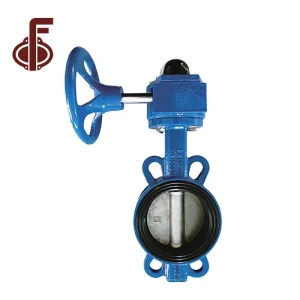
OEM Worm Gear Wafer Butterfly Valve Manufacturer Factory
Configure Spec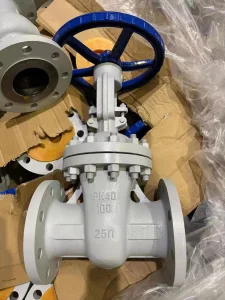
OEM 30s41nj GOST 12820-80 PN16 PN40 Gate Valve
Configure Spec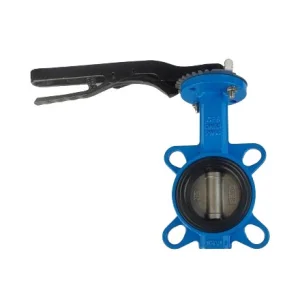
China GGG50 Body CF8 Disc Wafer Style Butterfly Valve
Configure Spec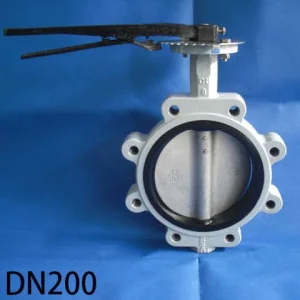
OEM Casting Iron Body CF8 Disc Lug Type Butterfly Valve
Configure Spec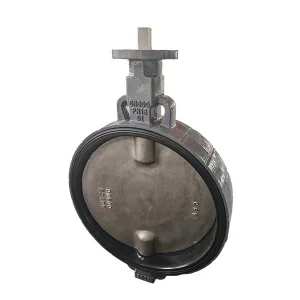
China PN16 DN600 Double Shaft Wafer Butterfly Valve Factory
Configure Spec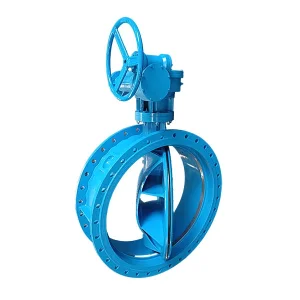
OEM Flange Connection Double Eccentric Butterfly Valve
Configure Spec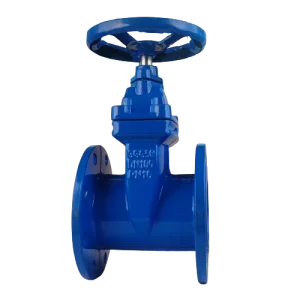
China GGG50 PN16 Soft Seal Non Rising Stem Gate Valve
Configure Spec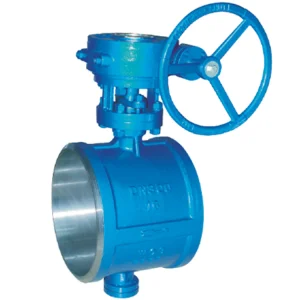
OEM Butt Welded Triple Offset Butterfly Valve Exporter
Configure Spec
Knowledge Center
Engineering Inquiries & Technical FAQ
Direct technical answers addressing valve standards, material performance limits, and inspection criteria.
What differentiates API 607 from API 6FA testing?
API 607 is specifically designed for quarter-turn valves with non-metallic seating, evaluating soft-seated valves under fire burn conditions (up to 1000°C for 30 minutes) and during cooldown. In contrast, API 6FA applies broadly to all end-connection types across standard pipeline valves, setting distinct external leakage criteria during pressurized cool-down phases.
How does double eccentricity deliver zero-leakage fire safety?
The first offset shifts the stem behind the sealing plane, while the second displaces the stem from the pipe centerline. This camming action ensures the disc contacts the seat only during the final degrees of closure, preventing continuous friction wear. When paired with an auxiliary metal-to-metal contact lip, it maintains seal integrity even if soft liners vaporize.
What documentation accompanies OEM export shipments?
Standard export orders include complete EN 10204 3.1 Material Test Reports (covering chemical and mechanical analyses), hydrostatic and pneumatic pressure test certificates per API 598/ISO 5208, third-party witnessed fire-safe test reports, paint dry film thickness (DFT) checks, and packing logs with CE compliance documentation.
Can you manufacture custom face-to-face dimensions?
Yes. In addition to standard short and long patterns defined by API 609, ISO 5752, and EN 558, our engineering department regularly designs custom wafer, lug, and double-flanged body patterns to match existing site piping layouts, eliminating costly piping rework during plant turnarounds.
How is stem blowout safety physically validated?
Stem retention is verified using two independent mechanisms: an internal stem shoulder that mechanically shoulders against the valve body under line pressure, and an external heavy-duty gland plate bolted to the top mounting pad according to ASME B16.34 requirements. This ensures the shaft remains locked in place even with actuators or packing flanges removed.
What are standard lead times for custom OEM valve production?
Standard castings in ASTM A216 WCB or A351 CF8M typically ship within 3 to 4 weeks. High-alloy configurations (such as Monel, Inconel, Duplex, or C95400 aluminum bronze) or custom-drilled double-flanged large bores (DN600–DN1200) run on an expedited 6 to 8-week production schedule, complete with full inspection documentation.
Initiate Your OEM Valve Specification Review
Connect directly with our engineering team in Tianjin. We review project datasheets, recommend body and trim materials, and provide formal quotes within 24 hours.
