
High-Performance Isolation & Flow Control Inventory
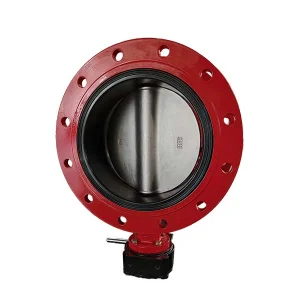
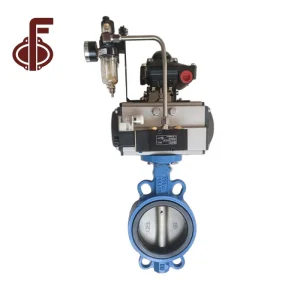
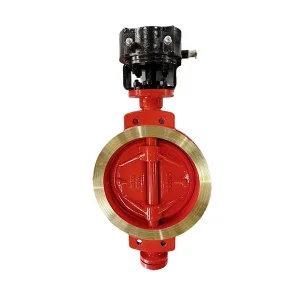
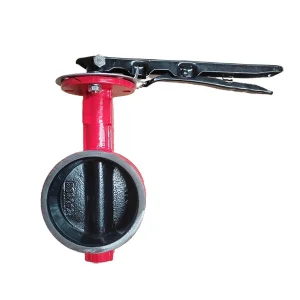
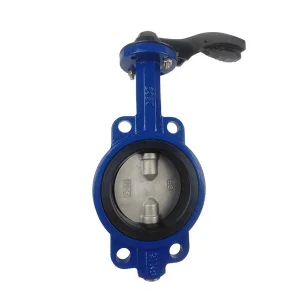
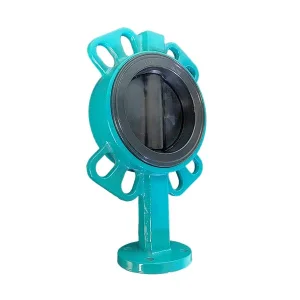
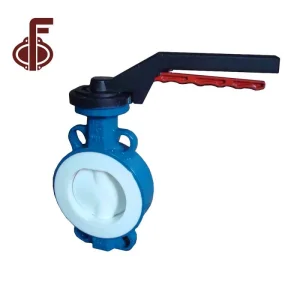
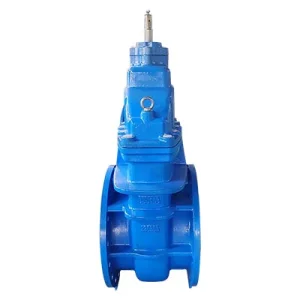
Explore Tianjin Zhongfa Valve's industrial valve portfolio. From double flanged butterfly architectures to resilient wedge designs, every unit undergoes 100% pneumatic shell and hydraulic seat tightness testing before international dispatch.
Engineering Fundamentals of Resilient Rubber Flap Check Valves
A comprehensive examination of hydrodynamic performance, non-slam closure mechanisms, vulcanized elastomer memory, and zero-maintenance operational profiles in critical backflow suppression applications.
Inclined Angle Non-Slam Dynamics
Traditional swing check valves rely on a 90-degree vertical plane, forcing the disc to travel through an extensive arc to seat. Rubber flap check valves implement an optimized 35° to 45° angled seating design.
- Reduces travel distance by 50% for accelerated sealing response.
- Eliminates reverse velocity spikes prior to disc contact.
- Mitigates transient pressure surge and catastrophic water hammer.
- No external counterweights, dashpots, or lever arms required.
Monolithic Elastomeric Encapsulation
The valve's primary operating component consists of a single precision-molded elastomeric unit. High-tensile carbon steel or ductile iron internal plates are vulcanized directly within high-grade synthetic elastomers.
- Zero mechanical hinge pins, bushings, or cotter pins exposed to fluid.
- High-grade synthetic nylon reinforcement fabric woven into the flex zone.
- Resistant to severe hinge shearing stresses and micro-vibrations.
- Continuous resilient sealing face ensures complete zero-leakage isolation.
Unobstructed Full-Port Hydrodynamics
The valve interior is contoured using Computational Fluid Dynamics (CFD) modeling to create an unrestricted flow passage equal to 100% of the nominal pipe area, drastically slashing long-term pumping energy consumption.
- Substantially lower head loss coefficient (Cv) compared to dual plate valves.
- Smooth laminar flow contours prevent eddy generation and cavitation.
- Fibrous solids, stringy rags, and heavy slurry media pass without catching.
- Self-clearing profile minimizes solid settling during low-velocity periods.
Engineering Material Matrix & Vulcanization Precision
The lifespan of a rubber flap check valve depends on chemical resistance, vulcanization adhesion shear strength, and substrate metallurgy. Review our material compatibility configurations below.
| Elastomeric Compound | Polymer Architecture | Operating Temp Range | Recommended Fluid Media | Tensile / Elongation Class |
|---|---|---|---|---|
| EPDM (Peroxide Cured) | Ethylene Propylene Diene Monomer | -30°C to +125°C (-22°F to +257°F) | Potable water, municipal raw sewage, treated effluent, chloramine streams, HVAC glycol loops. | >16.5 MPa / 450% Elongation (ASTM D412) |
| NBR (High Acrylonitrile) | Nitrile Butadiene Rubber (Buna-N) | -20°C to +90°C (-4°F to +194°F) | Oily wastewater, grease traps, petroleum-contaminated runoff, bio-sludge, hydrocarbon processing. | >15.0 MPa / 400% Elongation (ASTM D412) |
| Neoprene (Chloroprene) | Polychloroprene Synthetic Matrix | -25°C to +100°C (-13°F to +212°F) | Seawater intakes, coastal stormwater, brine discharge, moderate atmospheric ozone exposure. | >17.0 MPa / 420% Elongation (ASTM D412) |
| FKM / Fluoroelastomer | Vinylidene Fluoride Hexafluoropropylene | -15°C to +200°C (+5°F to +392°F) | Strong mineral acids, chemical refinery runoff, corrosive leachates, high-temperature effluents. | >13.5 MPa / 300% Elongation (ASTM D412) |
Pressure-Retaining Body Metallurgy
All pressure-containing bodies are cast from premium Ductile Iron (ASTM A536 65-45-12 / EN-GJS-450-10) or cast steel (WCB / LCC). Spheroidal graphite morphology provides high tensile strength (≥450 MPa) and impact absorption, protecting against external piping loads, seismic vibrations, and transient pressure shocks.
- Cast Iron EN-GJL-250 available for standard budget-conscious municipal duties.
- Duplex 2205 / Super Duplex stainless steel available for extreme marine reverse osmosis applications.
- Electrostatic epoxy coating applied to 250-300 μm DFT (EN 14901 / AWWA C550 standard).
High-Adhesion Vulcanization Bonding
Delamination of elastomer from the metal internal reinforcement disc is a critical failure mode in inferior check valves. Tianjin Zhongfa Valve utilizes high-temperature compression molding with specialized chemical bonding primers to achieve bond strength exceeding the cohesive strength of the rubber itself.
- 100% adherence according to ASTM D429 Method B (90° peel test).
- Integrated heavy-duty multi-layer woven nylon cord reinforcement within the flexure zone.
- Eliminates cyclic metal fatigue through distributed flexural strain dissipation.
China Factory Integration & Supply Chain Dominance
Combining heavy casting foundries, automated precision machining, in-house elastomeric compounding, and international logistical infrastructure into a reliable OEM production line.
Tier-1 Foundry Cluster & Smelting
Situated in the Tianjin valve manufacturing hub, ZFA Valve leverages close integration with high-volume foundries equipped with automatic green sand casting lines and spectral spectrometers.
- Continuous spectroscopic melt analysis verifies chemical composition before pouring.
- In-house sand reclamation reduces production overhead and environmental footprint.
- Guaranteed casting density free of micro-porosity, sand holes, or cold shuts.
Dedicated Elastomer Molding Lines
Unlike competitors who outsource rubber components to generalist molders, our facility integrates high-tonnage vacuum vulcanization presses designed specifically for reinforced valve flaps.
- Precise polymer formulation control for exact shore hardness (65 to 75 Shore A).
- Tooling design engineered with thermal shrink compensation for tight dimensional tolerance.
- Accelerated cure rheometer testing performed on every raw elastomer batch.
Cost-Efficiency & Lead Time Speed
Vertical manufacturing eliminates middleman markups across core fabrication stages: casting, blasting, machining, coating, rubber encapsulation, and testing.
- Standard DN50–DN600 check valves delivered in 20–30 days from PO confirmation.
- Custom OEM face-to-face dimensions and flange drillings without tooling cost penalties.
- Direct sea shipping via Tianjin Xingang Port facilitates frictionless international transit.
Tooling & Mold
3D sand mold milling and precision steel core tooling customized to engineering specs.
Melt & Casting
Spectrograph-verified ductile iron induction melting and continuous temperature monitoring.
CNC Machining
Flange facing, drilling, and angled seating face profiling on precision machining centers.
Vulcanization
High-vacuum elastomeric encapsulation and nylon fabric bonding at 165°C under 120 bar.
Hydro Testing
1.5x shell and 1.1x low/high pressure resilient seat drop-tight testing per ISO 5208.
Engineering Compliance for Global Enterprise Procurement
International engineering contractors (EPCs), municipal utilities, and plant owners require rigorous quality documentation, full traceability, and third-party certifications before qualifying a valve manufacturer.
Standardization Conformity
Our OEM rubber flap check valves are manufactured and certified in strict conformance with leading regional and international valve standards:
- AWWA C508: Swing Check Valves for Waterworks Service (North American Standard).
- EN 16767 / EN 12334: Industrial Valves - Cast Iron & Steel Check Valves (European Market).
- ISO 5199 / API 594: General Purpose Industrial Non-Return Check Valves.
- BS 5153 / MSS SP-71: Cast Iron Swing Check Valves (Flanged and Threaded Ends).
Sanitary & Safety Approvals
For potable water distribution, civil treatment, and environmental infrastructure, complete material safety compliance is verified:
- WRAS / NSF/ANSI 61 & 372: Lead-free certified potable drinking water safe elastomers and coatings.
- CE / PED 2014/68/EU: Pressure Equipment Directive compliance (Category III Module H).
- WRAS Approved Coatings: Fusion-bonded electrostatic powder epoxy with zero VOC release.
- ISO 9001:2015 & ISO 14001: Certified environmental and quality management systems.
Documentation & Traceability
Every project order is backed by a complete quality documentation dossier submitted prior to shipping:
- EN 10204 3.1 Inspection Certificates: Complete melt chemistry and mechanical test reports.
- Hydrostatic Test Certificates: Serialized records detailing shell, high-pressure, and low-pressure seat hold times.
- Coating Inspection Reports: Dry film thickness (DFT), cross-hatch adhesion, and Holiday spark test data.
- Third-Party Inspection Support: SGS, BV, TÜV, and DNV welcome for factory witness audits.
Localized Engineering Application Scenarios
Rubber flap check valves are the premier choice across severe infrastructure where standard metal-hinged swing or dual plate check valves suffer premature failure due to clogging, slamming, or corrosive wear.
Municipal Wastewater & Lift Stations
Sewage lift stations pump high volumes of raw effluent containing rags, wipes, stringy plastics, and grit. Conventional check valves with internal pins or shafts catch debris, preventing closure and causing dry pump burnouts.
- Completely obstruction-free bore allows full passage of spherical solids up to valve DN size.
- No hinge pins to catch fibrous materials or bind due to sludge deposits.
- Optional back-flush devices and external mechanical flap position indicators.
Stormwater Retention & Flood Drainage
Heavy rainfall events require rapid water displacement at low heads. The inclined seat design requires minimal cracking pressure (<0.02 bar) to lift the flap, reducing energy draw on low-head axial and submersible pumps.
- Ultra-low cracking pressure prevents pumping system over-pressurization.
- Self-closing spring action provided by elastomeric hinge memory prevents surge upon shutdown.
- Available in oversized diameters up to DN1800 (72 inches) for major flood culverts.
Seawater Desalination & Brine Discharge
High-salinity reject brine rapidly attacks conventional carbon steel and ductile iron valves. We supply custom OEM rubber flap check valves with 100% thick EPDM or Neoprene internal linings.
- Fluid stream never contacts bare metal, eliminating localized pitting corrosion.
- Internal reinforcement discs cast in Nickel Aluminum Bronze or Duplex 2205.
- Super duplex 316/316L stainless steel fasteners standard for harsh marine environments.
Mining Slurry & Tailings Transport
Abrasive mineral slurry containing quartz, iron ore, or coal fines shreds metal seats and wedges in conventional valves. The thick, energy-absorbing elastomeric flap resists impingement wear.
- High abrasion-resistant natural rubber or polyurethane encapsulation available.
- Resilient seat seals tightly even when small mineral grit rests on the sealing surface.
- Top inspection bonnet enables quick disc replacement without line dismantling.
Industry Evolution & Future Engineering Horizons
The flow control sector is undergoing major transformation driven by digital monitoring, carbon lifecycle transparency, and high-performance polymer synthesis.
IoT-Enabled Smart Flap Monitoring
Traditional non-return valves provide no telemetry regarding internal wear or flap position. Next-generation ZFA check valves incorporate non-intrusive magnetic and ultrasonic sensors directly into the bonnet cover.
- Real-time SCADA reporting on continuous open percentage and closing speed.
- Early warning telemetry detecting abnormal fluid reverse flow before pump damage occurs.
- Predictive flex-hinge cycle counting eliminates unscheduled downtime.
CFD Micro-Contoured Profiles
Utilizing high-performance computational fluid dynamics (CFD) supercomputing, engineers are reshaping the interior curvature of the valve body and flap trailing edge.
- Lowers pipeline head loss coefficients by an additional 12% to 18%.
- Minimizes vortex generation at partial-flow velocities, preventing vibration.
- Reduces overall plant lifetime kilowatt-hour consumption for municipal pumping stations.
Sustainable & Low-Carbon Metallurgy
Global EPC contracts increasingly require verified Environmental Product Declarations (EPD). Our Tianjin foundries lead the industry in low-carbon manufacturing transformation.
- Transition to 100% electric induction smelting powered by green energy grids.
- Utilization of over 85% recycled scrap iron in ductile iron melt charges.
- Bio-based, REACH-compliant plasticizers replacing traditional petrochemical processing oils.
Frequently Asked Questions by Valve Specifiers
Direct answers from our senior flow control engineering staff on sizing, maintenance, hydraulic surges, and installation geometry.
How does a rubber flap check valve completely prevent water hammer?
Water hammer is caused when fluid reversal occurs before a valve disc fully seats, resulting in high-velocity reverse fluid crashing against a closed disc. A rubber flap check valve features an inclined seat (typically 35° or 45°), reducing disc travel by half. Furthermore, the elastomeric hinge acts as a natural spring that initiates closure the moment forward flow velocity approaches zero—sealing the line before reverse flow velocity can establish itself.
Can rubber flap check valves be installed in vertical piping lines?
Yes, provided the flow orientation is vertically upward. Because the flap relies partially on its internal elastic memory to return to the seat, upward vertical installations function reliably. However, vertical flow downward is strictly non-functional because gravity and backpressure would work in opposing geometries. For vertical lines, verify that minimum forward flow velocity meets or exceeds 1.5 m/s to ensure the flap achieves full opening.
What is the expected fatigue life of the flexible rubber hinge?
Our encapsulated rubber flaps are cycle-tested through extensive automated flexure test rigs. The inclusion of high-strength synthetic nylon reinforcement woven directly across the flex zone enables our hinges to exceed 1,000,000 continuous full-stroke cycles without delamination or tearing. Under typical municipal pumping regimes (10–20 pump starts per day), the expected service life easily exceeds 15 to 20 years without replacement.
How does maintenance compare between swing check and rubber flap check valves?
Traditional swing check valves contain external levers, counterweights, packing glands, hinge pins, and bronze bushings that require periodic greasing, re-packing, and bushing replacement. Rubber flap check valves have zero mechanical shafts, zero packing seals to leak, and no internal hinge pins to bind. If inspection or replacement is ever required, the top bonnet is unbolted, and the single-piece flap assembly lifts out without removing the valve from the pipeline.
What is the standard cracking pressure required to open the valve?
Owing to the inclined seating angle (typically 35° or 45°), the gravitational resting weight of the flap against the seat is minimal. Normal cracking pressure for our standard series ranges between 0.015 bar and 0.035 bar (0.2 to 0.5 psi). This ensures that even ultra-low head gravity drainage or variable frequency drive (VFD) pumps operating at minimum frequency can effortlessly unseat the flap without flow stalling.
Can you provide custom face-to-face dimensions and flange drillings?
Yes, as an integrated OEM manufacturer, Tianjin Zhongfa Valve manufactures valves to exact customer face-to-face requirements (matching ISO 5752 series, DIN 3202 F6, AWWA C508 short or long body, or custom replacement retrofit lengths). Flanges can be drilled according to EN 1092-2 (PN10/PN16/PN25), ASME B16.1 Class 125/250, ASME B16.5 Class 150, AS 4087, or JIS 10K/16K.
Large-Diameter, Check & High-Pressure Valve Inventory
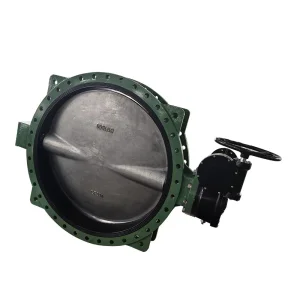
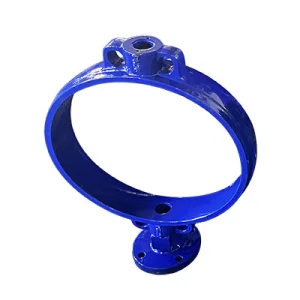
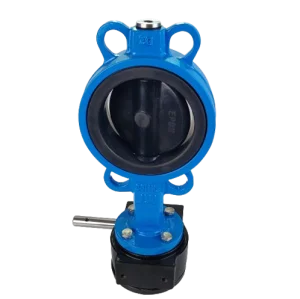
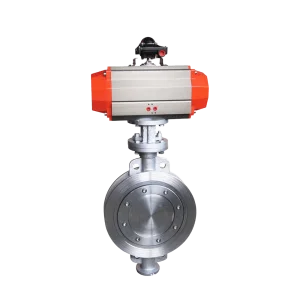
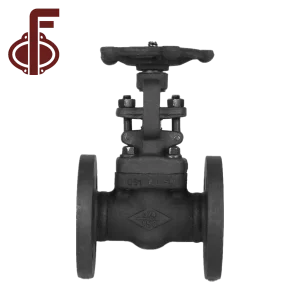
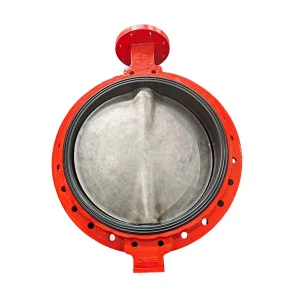
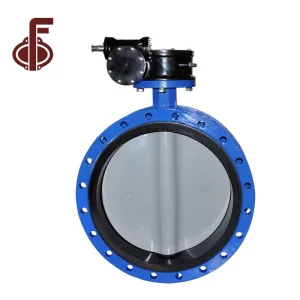
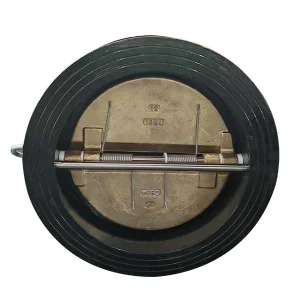
Complementary OEM industrial valves manufactured alongside our rubber flap check lines, covering high-pressure forged gate systems, dual-door wafer check valves, and massive municipal transmission butterfly valves up to DN1500.
Initiate Your Custom OEM Check Valve Project
Connect directly with Tianjin Zhongfa Valve's senior technical engineering staff. Whether you require tailored flange dimensions, specialized elastomer formulations, or private label manufacturing with full project documentation, we respond within 24 hours.
