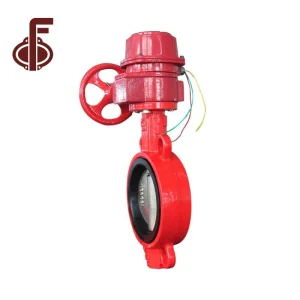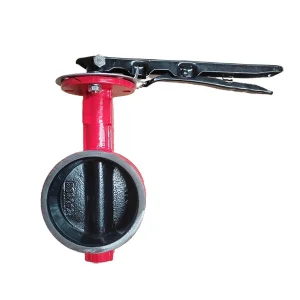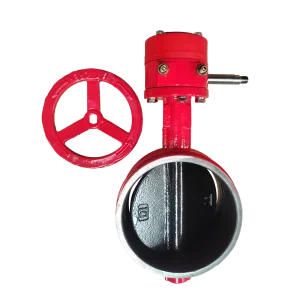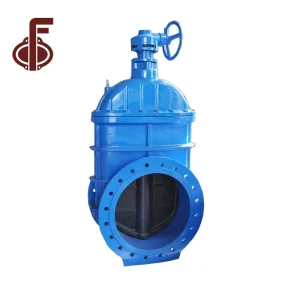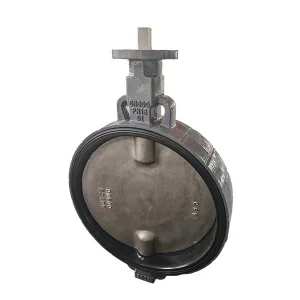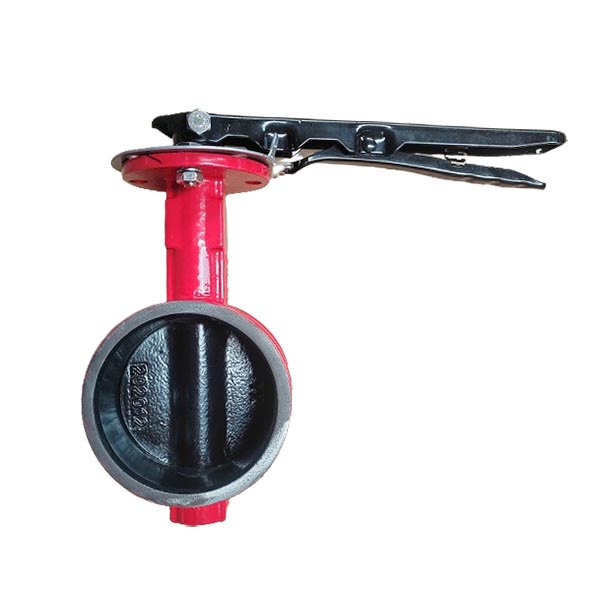
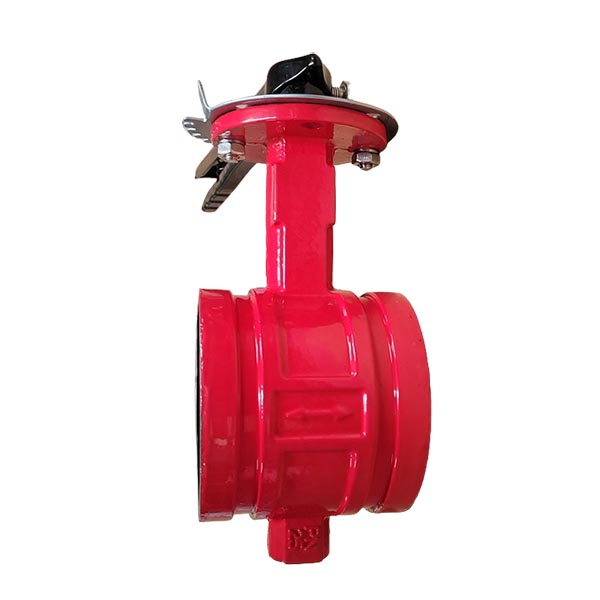
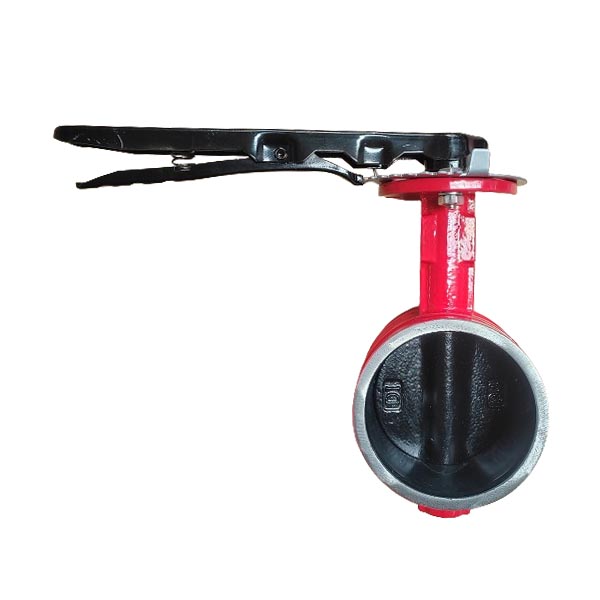
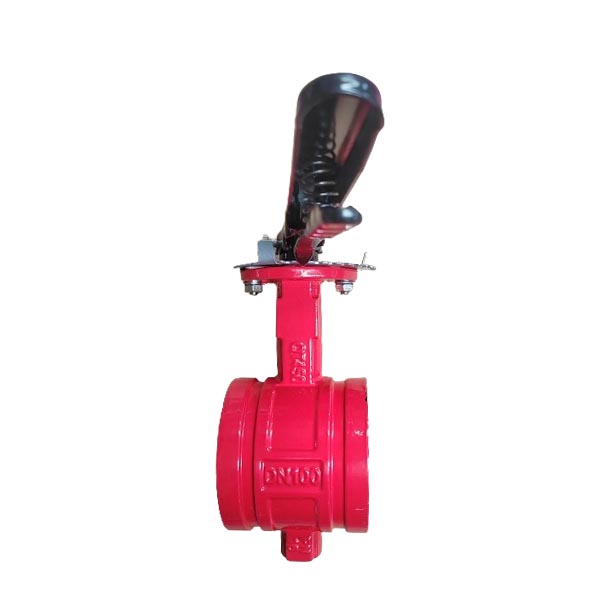
OEM Grooved Type Butterfly Valve for Fire Fighting Factories, Exporter
Product Description
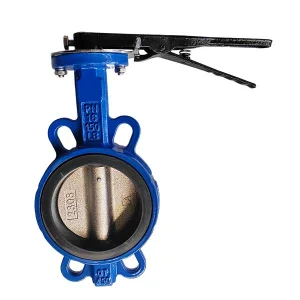
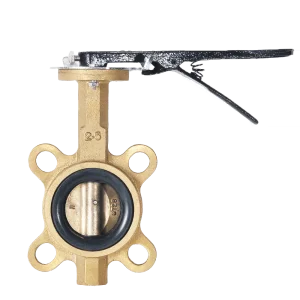
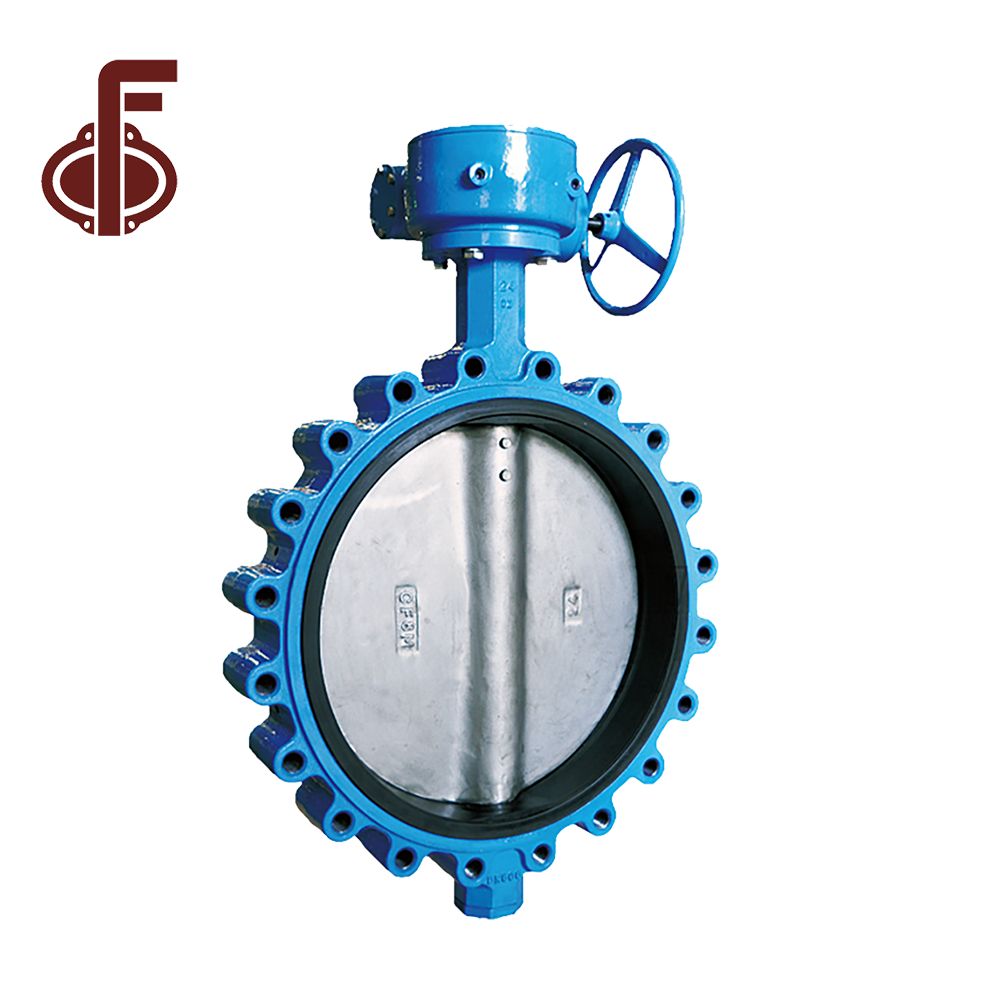
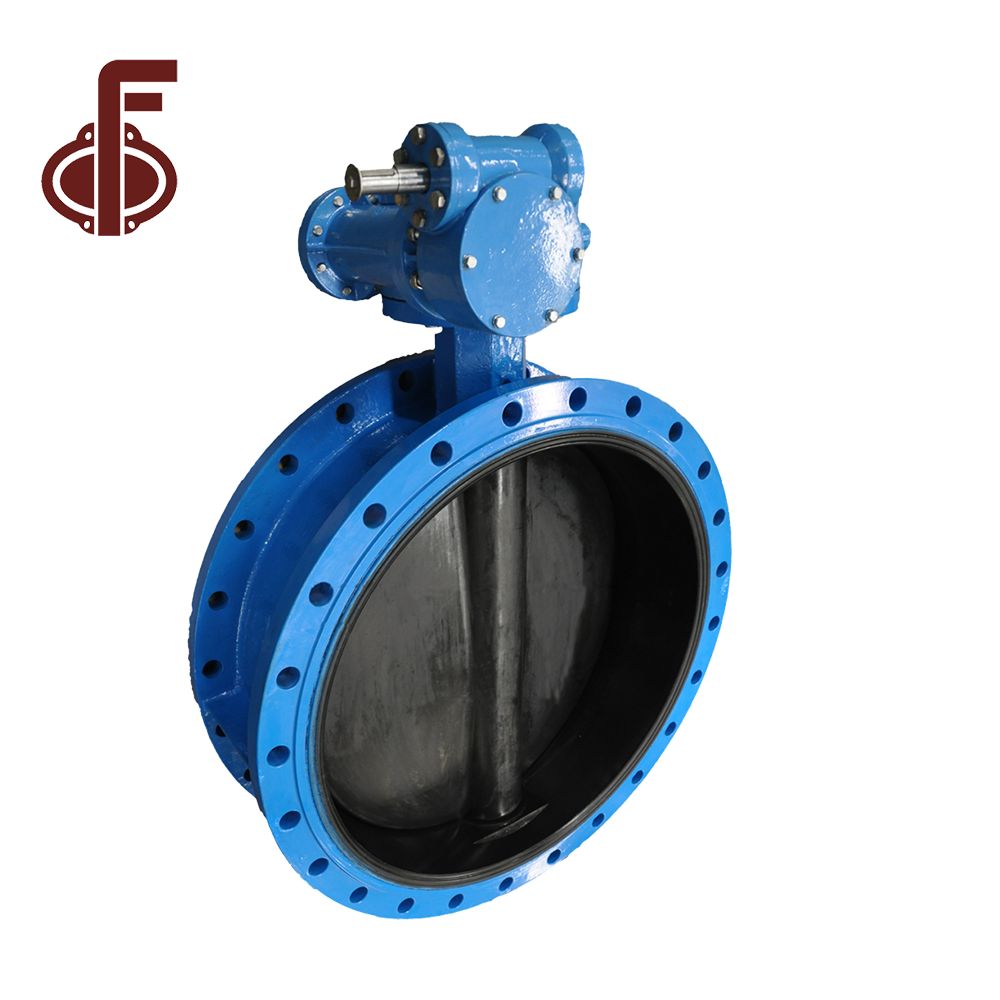
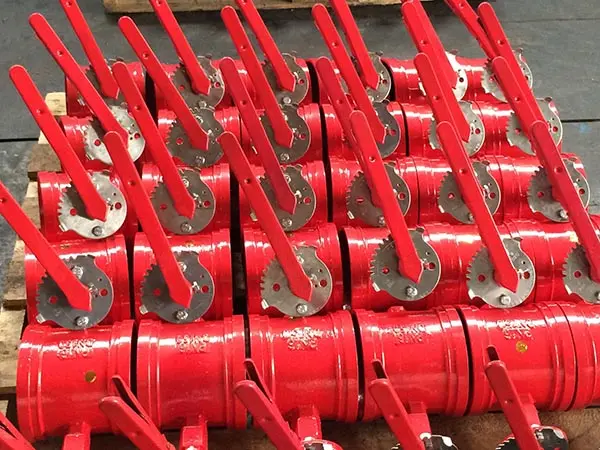
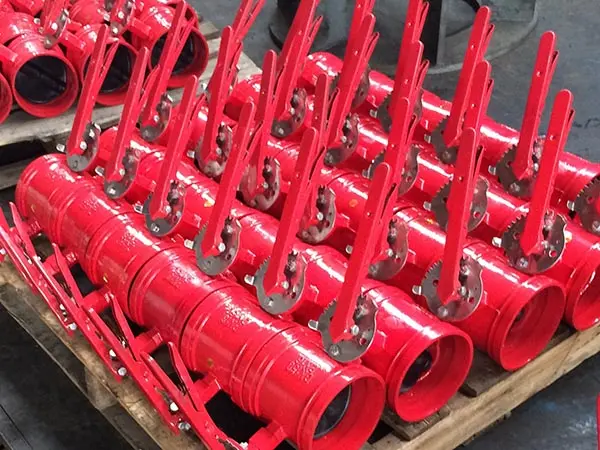
Grooved butterfly valves are beneficial in situations that require frequent maintenance or modifications, including HVAC (heating, ventilation, and air conditioning), fire protection systems, water treatment, and industrial processes.
The grooved butterfly valve has a simple structure and is easy to install. It is suitable for some occasions that require frequent operations.
The grooved butterfly valve is flexible in operation and can be opened or closed quickly. It is suitable for some occasions that require quick response.
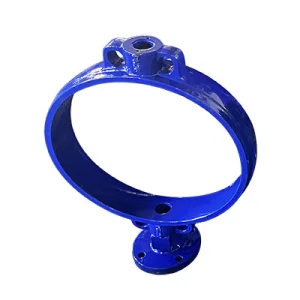
A butterfly valve is a valve that can be used to isolate or regulate flow. The closing mechanism takes the form of a disc. The operation is similar to a ball valve, allowing for quick closure. Butterfly valves are often favored because they are lower cost and lighter than other valve designs, meaning less support is required. The valve disc is located in the center of the pipe, and through the valve disc is a stem that connects to the valve's external actuator. The rotary actuator rotates the valve disc either parallel or perpendicular to the fluid. Unlike ball valves, the disc is always present in the fluid, so there is always a pressure drop in the fluid regardless of valve position.
Technical Specifications
| Size & Pressure Rating & Standard | |
|---|---|
| Size | DN40-DN300 |
| Pressure Rating | PN10, PN16, CL150, JIS 5K, JIS 10K |
| Face to Face STD | API609, BS5155, DIN3202, ISO5752 |
| Connection STD | PN6, PN10, PN16, PN25, 150LB, JIS5K, 10K, 16K, GOST33259 |
| Upper Flange STD | ISO 5211 |
| Material | |
| Body | Cast Iron(GG25), Ductile Iron(GGG40/50), Carbon Steel(WCB A216), Stainless Steel(SS304/SS316/SS304L/SS316L), Duplex Stainless Steel(2507/1.4529), Bronze, Aluminium Alloy. |
| Disc | DI+Ni, Carbon Steel(WCB A216), Stainless Steel(SS304/SS316/SS304L/SS316L), Duplex Stainless Steel(2507/1.4529), Bronze, DI/WCB/SS coated with Epoxy Painting/Nylon/EPDM/NBR/PTFE/PFA |
| Stem/Shaft | SS416, SS431, SS304, SS316, Duplex Stainless Steel, Monel |
| Seat | NBR, EPDM/REPDM, PTFE/RPTFE, Viton, Neoprene, Hypalon, Silicon, PFA |
| Bushing | PTFE, Bronze |
| O Ring | NBR, EPDM, FKM |
| Actuator | Hand Lever, Gear Box, Electric Actuator, Pneumatic Actuator |
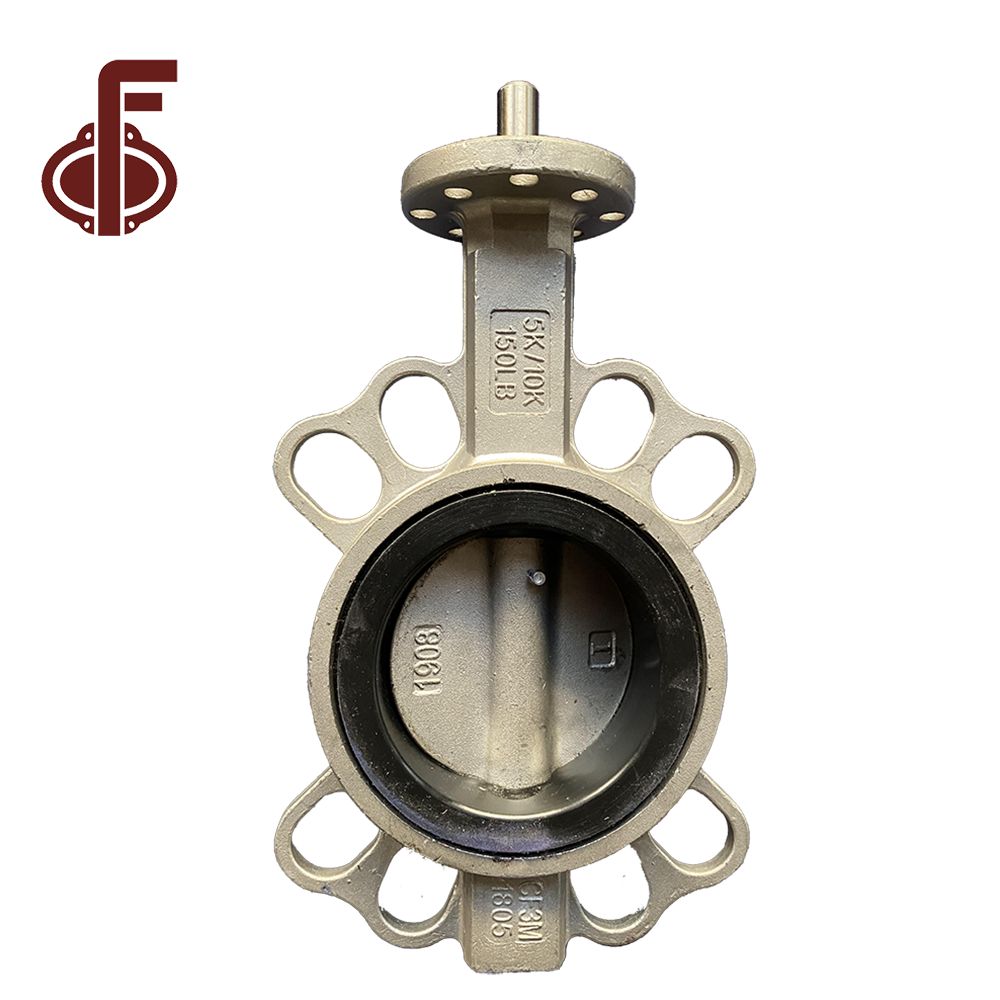
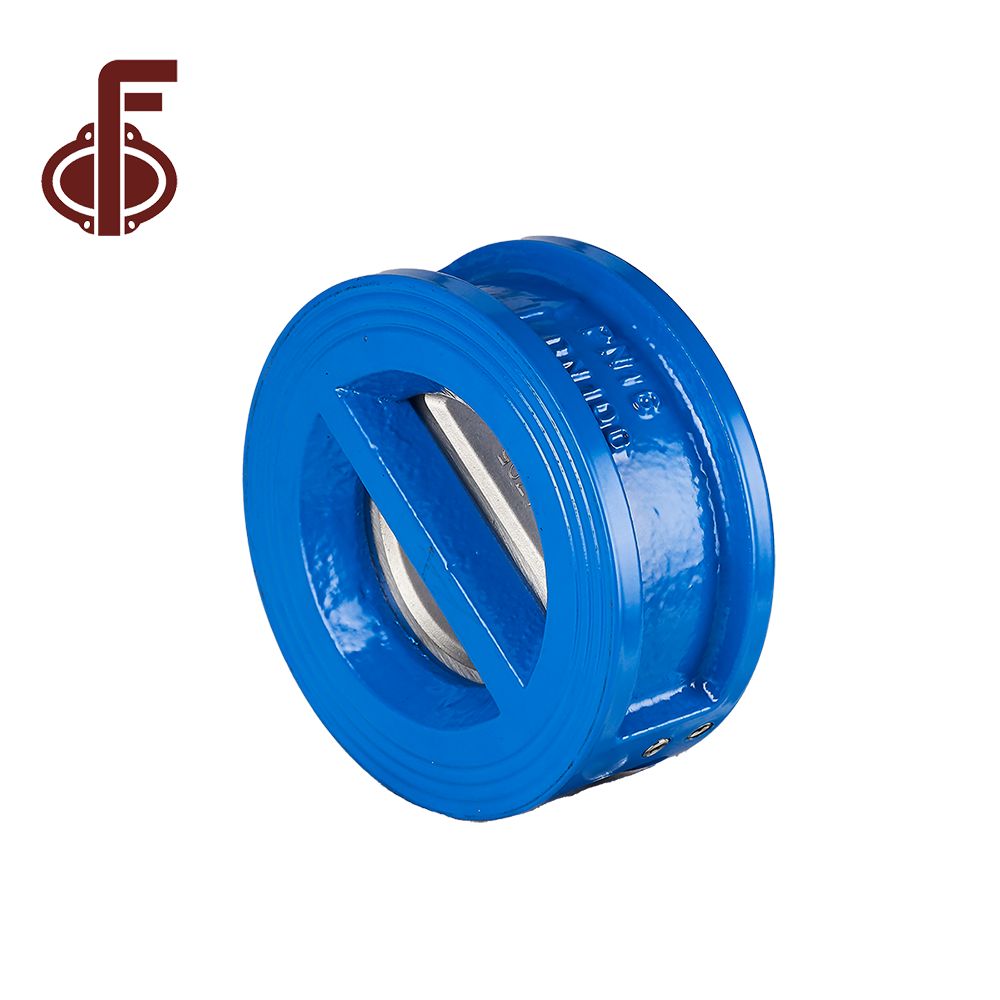
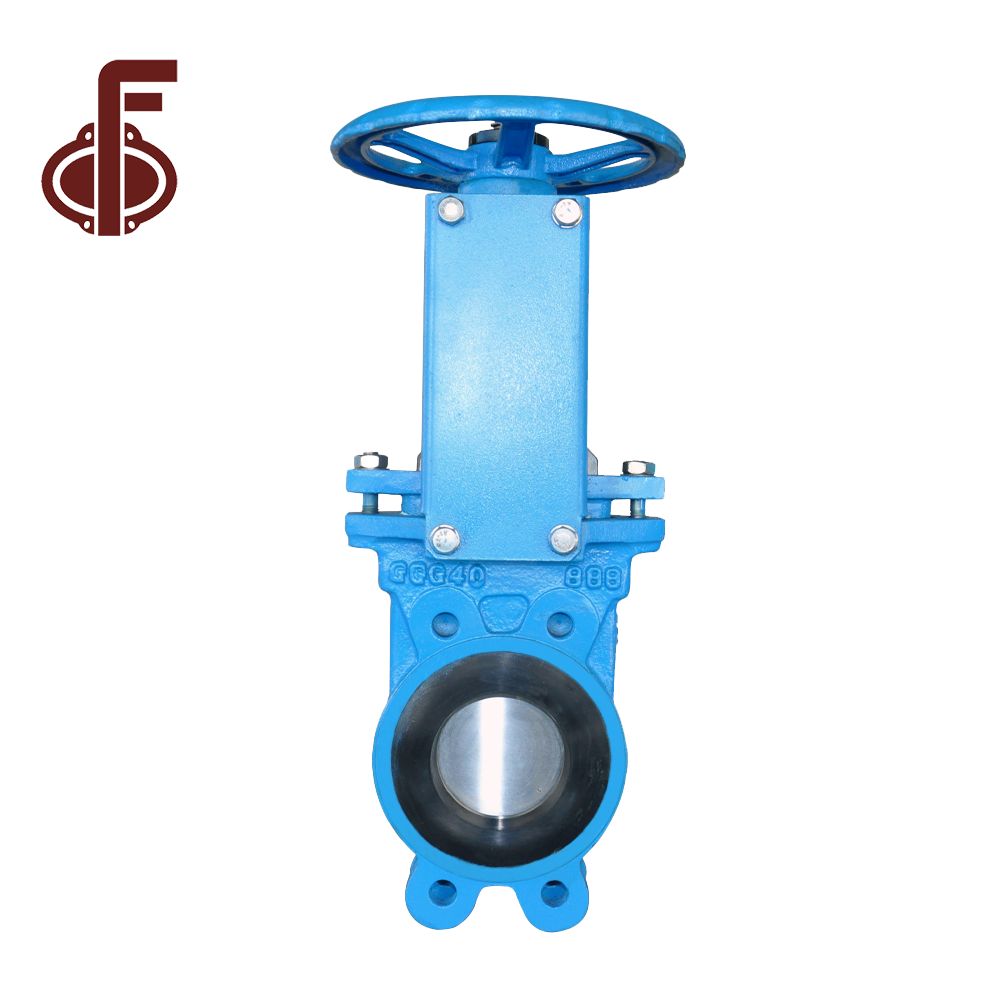
Product Gallery
Frequently Asked Questions (FAQ)
Q What are the main applications for grooved butterfly valves?
They are widely used in HVAC systems, fire protection lines, municipal and industrial water treatment plants, and standard industrial pipelines where rapid setup, space-saving design, and straightforward maintenance are critical.
Q What are the key advantages of a grooved butterfly valve over other valve types?
Grooved butterfly valves offer a lighter footprint and lower cost compared to gate or ball valves, requiring less structural pipe support. Their grooved-end design also ensures fast, reliable installation and easy disconnection during routine pipeline modifications.
Q What sizes and pressure classes are available?
Standard sizes range from DN40 up to DN300. They support various international pressure ratings including PN10, PN16, Class 150 (CL150), and JIS 5K / 10K.
Q What control options and actuators can be mounted?
These valves are built with an ISO 5211 top flange standard, enabling seamless compatibility with manual hand levers, gearboxes, double-acting or spring-return pneumatic actuators, and electric motor actuators.
Q Which disc and seat materials should be selected for aggressive media?
For corrosive or abrasive media, discs made of Stainless Steel (SS304/SS316/Duplex) or coated with Epoxy, Nylon, or PTFE/PFA can be paired with high-performance elastomeric seats like Viton, PTFE, Hypalon, or EPDM.
Q Why does a butterfly valve produce a continuous pressure drop?
Unlike full-port ball valves, the central disc of a butterfly valve remains positioned directly within the flow path even when fully rotated open, creating an inherent, minor pressure drop across the line.