
High-Priority Valve Configurations for Ghana Industrial Projects
Engineered for critical water works, extraction mining pipelines, chemical dosing circuits, and port marine utilities operating across Accra, Kumasi, Takoradi, and the Western Gold Belt.
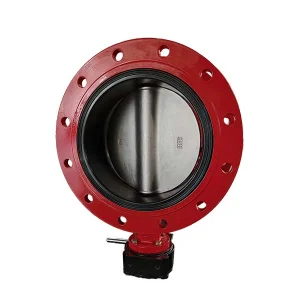
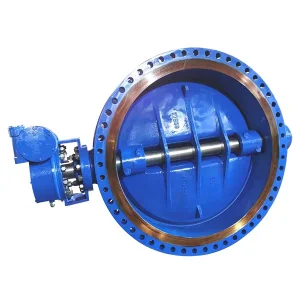
Double Flange Butterfly Valve (Replaceable Seat) for Ghana Utilities
Review Specifications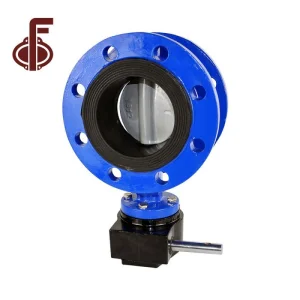
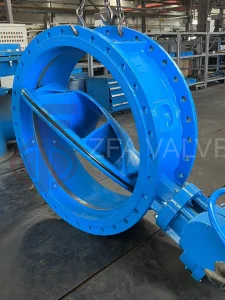
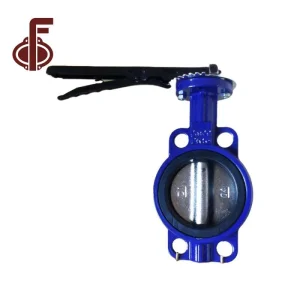
Ductile Iron Worm Gear Flange Butterfly Valve for Irrigation
Review Specifications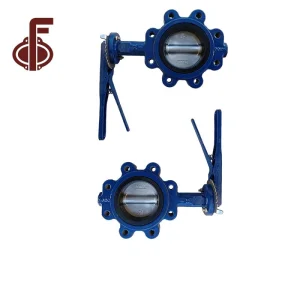
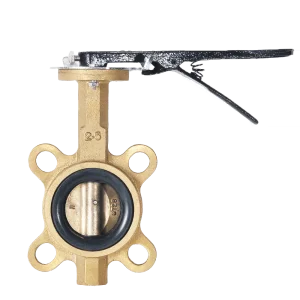
Bronze Wafer Butterfly Valve for Tema & Takoradi Offshore Systems
Review SpecificationsThe Ghana Fluid Handling Ecosystem: Infrastructure Dynamics & Operational Stressors
Analyzing key structural drivers behind the surge in industrial butterfly valve procurement across Ghana's municipal utilities, gold extraction circuits, offshore logistics, and agro-processing corridors.
1. Ghana's Industrial Reality: Water Works, Mining Slurry, and Coastal Salinity
Ghana stands as the premier industrial hub of West Africa, driven by the government's ambitious industrialization initiatives, notably the "One District, One Factory" (1D1F) agenda, vast gold extraction operations across the Birimian rock formations, and expanding deepwater maritime infrastructure in Tema and Takoradi. However, fluid control infrastructure across Ghana operates under aggressive environmental conditions. High ambient temperatures exceeding 35°C, relative humidity hovering above 85%, and coastal aerosol salt concentrations impose rapid external oxidation on improperly coated hardware.
In municipal water transmission, overseen by the Ghana Water Company Limited (GWCL), legacy networks suffer from non-revenue water (NRW) losses, pressure surges, and scaling. Modernization programs at the Kpong, Weija, and Barekese water treatment plants have accelerated the transition from archaic, heavy cast iron wedge gate valves toward double-flanged and wafer-type resilient-seated butterfly valves. Resilient seat geometry, combined with Electrostatic Fusion Bonded Epoxy (FBE) coatings exceeding 250 microns, ensures long-term resistance to biofouling, tropical soil erosion, and internal cavitation.
In the mineral processing domain—anchored by gold mining giants in Obuasi, Tarkwa, Ahafo, and Prestea—the demands on flow control shift drastically from clean water isolation to high-wear, abrasive slurry management. Carbon-in-leach (CIL) circuits, cyanide recovery loops, and tailings storage facility (TSF) piping subject valves to severe mechanical erosion and aggressive pH variations. Specifying standard commercial butterfly valves in these circuits inevitably triggers early elastomer tearing, stem seizure, and unplanned plant downtime. Procurement teams in Ghana require precision-engineered valves with wear-resistant disc alloys (such as CF8M or Duplex 2205) and vulcanized, high-resilience elastomer liners.
GWCL Potable Water Upgrades
Potable water transmission lines in Greater Accra and Ashanti Regions require large-bore (DN300-DN1200) double flanged valves with WRAS/NSF-grade EPDM liners to prevent microbiological contamination and eliminate line leakage.
Gold Extraction Slurries
Tailings circuits in Tarkwa and Obuasi run high concentrations of abrasive quartz tailings. Replaceable, thick-walled natural rubber or polyurethane-lined butterfly valves deliver extended service life against mechanical scour.
Tema & Takoradi Logistics
Petrochemical storage, bunkering facilities, and offshore supply bases demand fire-safe wafer and lug butterfly valves complying with API 607 standards, fitted with corrosion-resistant aluminum bronze or nickel-plated ductile iron discs.
Concentric vs. Double Offset vs. Triple Offset: Lifecycle Economics
How forward-thinking procurement teams replace high-maintenance gate and globe valves with high-performance rotary quarter-turn butterfly valve designs to lower Total Cost of Ownership (TCO).
| Valve Architecture | Sealing Technology | Pressure Class | Optimal Media in Ghana | Lifecycle Cost Factor |
|---|---|---|---|---|
| Concentric Resilient Seated | Rubber Liner (EPDM / NBR / FKM) | PN10 / PN16 / Class 150 | Raw intake water, municipal potable, clean HVAC | Lowest initial CAPEX; low-cost seat renewal |
| Double Eccentric (High Performance) | PTFE / R-PTFE / Metal Seat Ring | PN16 / PN25 / Class 150-300 | Cooling towers, thermal power steam condensates, chemicals | Extended cycle life; minimal seat friction wear |
| Triple Eccentric (TOV) | Laminated SS/Graphite or Stellite Metal | PN25 - PN64 / Class 150-600 | Refinery gas lines, thermal cracking, high-temp steam | Zero leakage (Fugitive Emission ISO 15848); zero rubbing |
| Slurry Lugged / Rubber-Sleeved | Reinforced Thick Elastomer / Urethane | PN10 / PN16 | Gold ore tailings, sand washing, bauxite refining | Maximum resistance to abrasive solids erosion |
2. Metallurgical Selection & Anti-Corrosion Formulations for West Africa
Valve failures across the Gulf of Guinea typically stem from poor metallurgical matching rather than direct mechanical overpressure. The choice of valve body material must balance tensile resilience with electrochemical passivation:
- Ductile Iron (EN-GJS-450-10 / ASTM A536 65-45-12): The benchmark standard for municipal water networks and industrial HVAC across Accra and Kumasi. Offering significantly superior tensile strength and elongation over brittle grey cast iron (GG25), it handles water hammer shocks caused by sudden pump trips during intermittent power supply cycles.
- Carbon Steel (ASTM A216 WCB): The standard for hydrocarbon distribution at the Tema Oil Refinery (TOR) and thermal power plants in Kpone, providing high-temperature ductility and mechanical strength under Class 150 and Class 300 pressure classes.
- Stainless Steel (CF8 / CF8M / Duplex 2205): Indispensable for chemical dosing manifolds (lime slaking, hydrochloric acid, and cyanide dosing) in mining leach plants, as well as marine seawater intake lines along the coastal ports of Takoradi and Tema.
To overcome exterior tropical degradation, leading Chinese valve factories apply an Electrostatic Fusion Bonded Epoxy (FBE) powder coating per EN 14901 and AWWA C550. Applied at preheated substrate temperatures of 200°C to achieve a uniform dry film thickness (DFT) of 250 to 300 microns, this coating eliminates pinhole porosity (tested via 1.5 kV holiday detection) and isolates the ductile iron matrix from external saline mist, acidic topsoils, and tropical humidity.
Source Direct from Certified Chinese Valve Manufacturers
Get comprehensive dimensional drawings, 3.1 material test certificates (MTC), hydrostatic test logs, and CIF Tema/Takoradi shipping quotations within 24 hours.
Engineering Solutions Across Ghana’s Core Commercial Sectors
Tailored flow control architectures resolving operational friction points in West Africa's most demanding operating environments.
Mining & Tailings Facilities
The Challenge: High-density gold tailings slurries in Western Region processing plants chew through standard metal-seated valves in under six months due to particle impingement and turbulent flow erosion.
The Solution: Pinned or pinless lug-type butterfly valves with ductile iron bodies vulcanized with high-abrasion-resistant natural rubber or polyurethane liners. Paired with polished CF8M or hard-chromed ductile iron discs, this ensures zero stem-to-disc fluid ingress and protects body castings against wall thinning.
Agro-Processing & Cocoa Plants
The Challenge: Cocoa processing factories in Tema and Kumasi require hygienic fluid handling for cocoa butter, syrups, and washdown processes, requiring strict elimination of contamination pockets.
The Solution: Stainless steel (SS304/SS316) wafer butterfly valves fitted with virgin PTFE or food-grade silicone liners. The continuous liner design ensures that media never contacts the outer body, allowing CIP (Clean-in-Place) and SIP (Steam-in-Place) sanitation cycles without seal deterioration.
Tema Port Marine & Terminals
The Challenge: Ballast water pipelines, seawater fire mains, and bunkering lines at the MPS Terminal 3 deepwater port encounter intense galvanic corrosion and bio-fouling from warm Atlantic seawater.
The Solution: Nickel Aluminum Bronze (C95800) or Duplex Stainless Steel wafer and lug butterfly valves. Non-sparking, sea-growth resistant, and pressure-tested to API 598 zero-bubble standards, guaranteeing fire suppression readiness and marine pump isolation.
Precision Flow Control Catalog for Ghanaian Importers & Contractors
Manufactured under strict ISO 9001 and CE quality management, backed by EN 10204 Type 3.1 material traceability and bubble-tight pressure certification before port departure.
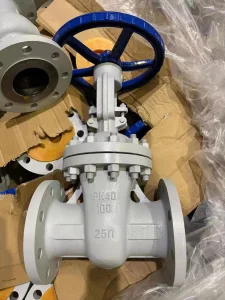
PN16/PN40 Cast Steel Industrial Gate Valve for Downstream Lines
Technical Specs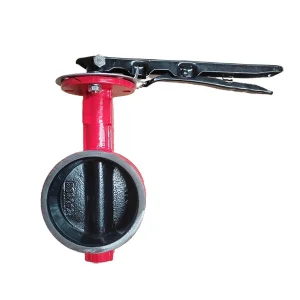
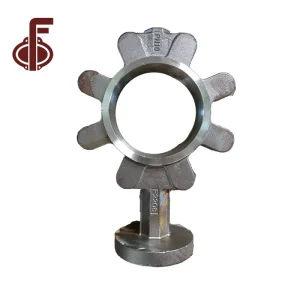
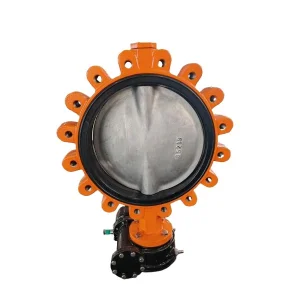
Lug Type Butterfly Valve Body Assembly for Mining Dead-End Isolation
Technical Specs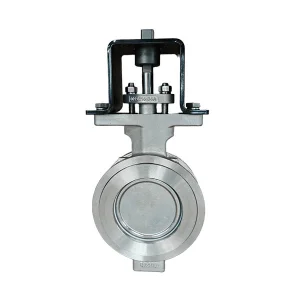
Optimizing China-to-Ghana Direct OEM Valve Procurement
Strategic logistics planning, cargo tracking, standard conformity (GSA & FDA Ghana), and pre-shipment quality audits for risk-free delivery to West African ports.
Direct Ocean Freight Routes
Scheduled departures from Tianjin Port, Qingdao, and Ningbo direct to Tema Port (GH TEM) and Takoradi Port (GH TKD), with standard ocean transit ranging from 32 to 38 days under FCL and LCL container configurations.
Ghana Standards Compliance
Full support for Ghana Standards Authority (GSA) product certification, EasyPass pre-export verification of conformity (PVoC), CTN (Cargo Tracking Note) documentation, and certified Euro-standard fumigated sea crates.
100% Pre-Shipment Testing
Every butterfly valve undergoes hydrostatic shell testing at 1.5× nominal pressure and bi-directional resilient seat leak testing at 1.1× nominal pressure per EN 12266-1 and API 598 prior to seaworthy preservation packaging.
Overcoming Supply Chain Disruption & Spares Inventory Strategy
A recurring challenge reported by Ghanaian mechanical contractors and mining maintenance planners is excessive downtime waiting for European or American OEM replacement components. By partnering directly with tier-one Chinese valve manufacturing facilities, Ghanaian operators slash initial capital expenditure by 35% to 55% while maintaining equivalent metallurgical tolerances and international compliance (ISO 9001, CE, API, BS EN 593).
Furthermore, leading Chinese valve factories support comprehensive OEM parts supply programs—supplying standalone vulcanized EPDM/NBR seats, precision CNC-machined disc assemblies, blowout-proof 410/316 stainless steel stems, and ISO 5211 direct-mount pneumatic/electric actuators. Maintaining localized strategic spares depots in industrial centers like Tema, Kumasi, and Takoradi empowers plant operators to conduct rapid scheduled overhauls without long line shutdowns.
Frequently Asked Questions: Butterfly Valve Sourcing for Ghana
Expert answers addressing sizing, tropical environmental resistance, shipping requirements, and actuator matching.
What valve standards are most universally accepted across Ghanaian water and industrial tenders?
How do Chinese butterfly valve factories prevent corrosion during transit to the humid Port of Tema?
Can your factory supply automated butterfly valves compatible with SCADA systems used in Ghana?
What is the key difference between wafer and lug type butterfly valves in mining maintenance?
How can Ghanaian buyers verify valve quality before the shipment leaves China?
What is the recommended seat material for acidic mine drainage (AMD) in Ghanaian gold mines?
What are the typical sea freight lead times and terms for shipping to Ghana?
Accelerate Your Project with Certified Flow Control Equipment
Connect directly with our engineering division for custom datasheets, bulk project pricing, and specialized valve package configurations for Ghana.
