Heavy-Duty API 609 Industrial Product Series
Factory-direct industrial butterfly valves and precision assemblies built according to rigorous global mechanical tolerances and hydro-testing protocols.
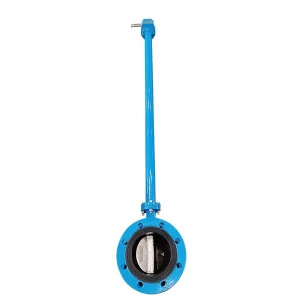
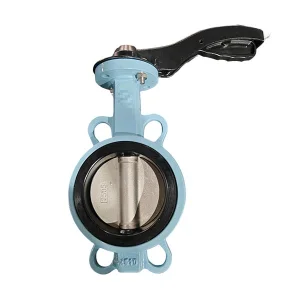
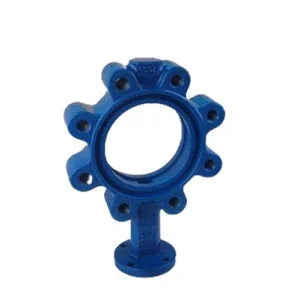
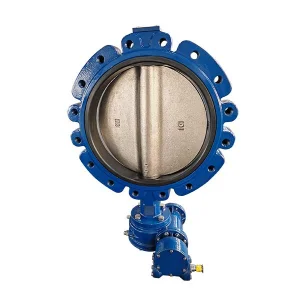
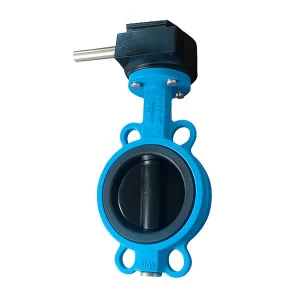
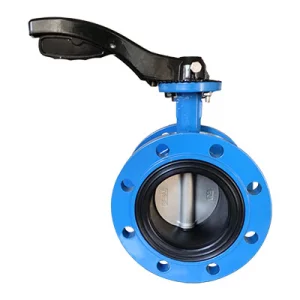
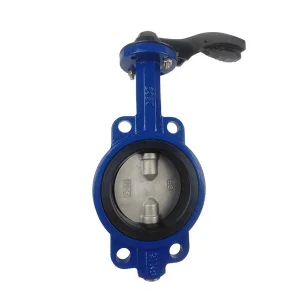
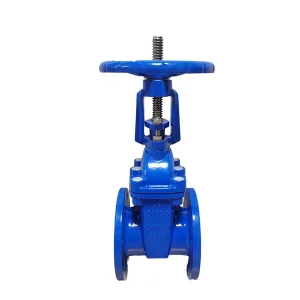
API 609 Standard Architecture: Category A vs. Category B
A comprehensive engineering analysis of mechanical face-to-face dimensions, pressure boundary integrity, shaft blowout prevention, and torque optimization profiles.
| Evaluation Parameter | API 609 Category A (Resilient / Concentric) | API 609 Category B (Offset / High Performance) |
|---|---|---|
| Face-to-Face Standard | ASME B16.10 Short / ISO 5752 Series 20 | ASME B16.10 Long / ISO 5752 Series 16 / MSS SP-68 |
| Pressure Rating | Class 125, Class 150 (PN10 / PN16) | Class 150, Class 300, Class 600 (PN25 - PN100) |
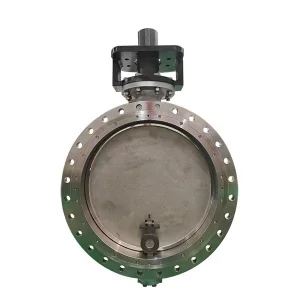
| Disc Geometry | Centric Disc with Elastomer Liner/Sleeve | Double Offset (Eccentric) / Triple Offset (TOV) |
| Stem Blowout Design | Internal shoulder or retaining pin | API 609 / ASME B16.34 blowout-proof stem retention collar |
| Tightness Class | ISO 5208 Rate A (Bubble Tight) | ANSI/FCI 70-2 Class VI / ISO 5208 Rate A Zero Leakage |
| Primary Temperature | -20°C to +150°C (Elastomer / PTFE limited) | -196°C (Cryogenic) up to +650°C (Stellite / Inconel Laminated) |
Shaft Torque & Dynamic Flow Control
By implementing hydrodynamic disc profiling via computational fluid dynamics (CFD), hydrodynamic torque spikes are reduced by up to 23%, minimizing actuator sizing constraints and extending shaft packing integrity under cyclic throttling conditions.
Triple Offset Geometry (TOV)
The non-rubbing, right-angled conical camming action eliminates frictional seat degradation upon opening. The laminated stainless steel and flexible graphite seat configuration guarantees bi-directional, firesafe sealing per API 607 and ISO 10497.
Fugitive Emission Control
Standardized stem sealing features live-loaded Chevron PTFE or die-formed flexible graphite with TA-Luft and ISO 15848-1 Class AH compliance, engineered specifically for hydrocarbon services with stringent fugitive emissions monitoring requirements.
Global Industrial Applications & Market Dynamics
From municipal desalination infrastructure across the GCC to North American petrochemical refining complexes, API 609 butterfly valves serve as high-integrity isolation and control elements.
Desalination & Seawater SWRO
Handling highly saline and corrosive feedstocks necessitates specialized metallurgical configurations: Super Duplex Stainless Steel (2507), Nickel Aluminum Bronze (C95800), and hard rubber vulcanized liners capable of enduring high osmotic pressures.
Chemical & Semiconductor Cleanrooms
Ultra-pure split-body valves utilizing virgin PTFE or PFA linings isolate high-purity acids, alkalis, and aggressively reactive organic solvents without particulate shed or cross-contamination risk, upholding SEMI F57 compliance.
District Energy & Decarbonization
Large-bore double-flanged butterfly valves (up to DN2400) manage high-volume circulating water loops in nuclear, combined-cycle power plants, and urban district heating cooling systems, prioritizing minimal pressure drop and low pump parasitic power draw.
Chinese Manufacturing Resilience & Foundry Integration
Our vertically integrated manufacturing ecosystem in Tianjin combines captive foundry casting, high-precision five-axis CNC machining, and automated hydrostatic testing to drive global cost-efficiencies.
Full Metallurgical Traceability
Every heat of Ductile Iron (QT450-10), WCB, CF8M, and Hastelloy receives full spectrographic material verification with EN 10204 Type 3.1 certification. Traceable material heat codes are permanently cast or hard-stamped on every body shell.
In-House Automated Elastomer Vulcanization
Unlike third-party bonded liners, our direct-vulcanized elastomer seats (EPDM, NBR, Viton) undergo controlled thermal curing directly to the ductile iron body casting, preventing liner migration, collapse during high-velocity flow, or vacuum displacement.
Port & Logistics Strategic Location
Situated within the industrial hub of Tianjin, adjacent to Xingang Port—one of the largest deep-water export gateways in Northern China—guarantees compressed ocean transit cycles, flexible LCL/FCL consolidation, and rapid spare-part air expedited delivery.
Technological Roadmap: The Future of Smart Valves
Progressing valve engineering beyond passive flow isolation. Our R&D trajectory integrates predictive digital diagnostics, low-carbon fabrication, and extreme thermal resilience.
Integrated IoT Sensor Packaging
Direct integration of piezoelectric torque sensors, continuous stem acoustic emission leak monitoring, and temperature transducers for live edge-computed asset health diagnostics.
Additive Alloy Hybrid Seating
Application of laser directed energy deposition (DED) for specialized Stellite and nickel-chromium hardfacing on critical sealing disc perimeters to increase abrasion resistance in slurry operations.
Zero-Fugitive Cryogenic Hydrogen TOVs
Engineering triple-offset valves qualified for liquid hydrogen service (-253°C) featuring extended bonnets, vacuum jacketing interfaces, and ultra-high molecular packing arrays.
Carbon-Neutral Steel Castings
Complete deployment of electric arc furnace (EAF) recycling with green hydrogen reduction methods to provide valves that comply with upcoming European CBAM carbon tax directives.
Localized Compliance & Field Engineering Support
Eliminating deployment risks for global engineering contractors through comprehensive international certification, field commissioning assistance, and strict quality assurance frameworks.
Global Certification Matrix
Our quality management operations hold audited certification for ISO 9001:2015, CE / Pressure Equipment Directive (PED 2014/68/EU), WRAS for drinking water applications, and SIL 3 functional safety certification for safety instrumented shutdowns.
Field Automation & Retrofit Support
All top flanges are engineered strictly compliant with ISO 5211 mounting pads, allowing direct-mount integration with electric, pneumatic, or electro-hydraulic actuators from Rotork, Auma, Honeywell, and Festo without bracket offset misalignment.
Project Documentation Dossiers
Complete project submittal packages accompany every export shipment, including Mill Test Reports (MTR 3.1), Non-Destructive Testing records (RT, UT, MT, PT), Painting Thickness Verification, and Hydrostatic Shell/Seat Pressure Charts per API 598.
Frequently Asked Technical Questions (FAQ)
Direct answers to the most common engineering, procurement, and standard-compliance questions raised by valve piping designers and EPC contractors.
What is the fundamental difference between API 609 Category A and Category B?
API 609 Category A covers concentric, resilient-seated butterfly valves primarily rated up to Class 150 (often wafer or lug type with rubber/PTFE seats). Category B defines offset (double or triple eccentric) valves with extended face-to-face dimensions, higher pressure ratings up to Class 600, and enhanced blowout-proof stem requirements for severe petrochemical service.
How does the pinless disc design compare with pinned disc configurations?
Pinned discs utilize taper pins running through the disc hub and shaft, which are potential galvanic corrosion sites and leak paths. Pinless designs transmit torque via precision square, spline, or keyed connections, keeping the stem completely dry and sealed from the process media, thereby significantly extending valve lifecycle in corrosive environments.
Can lug-type butterfly valves be deployed for dead-end piping isolation?
Yes, lug-type valves manufactured with drilled and tapped bolt threads allow downstream piping removal while holding system pressure upstream. However, per API 609 and ASME specifications, dead-end service pressure limits must be confirmed—typically rated slightly below full bi-directional working pressure unless fitted with a retaining ring.
What testing procedures are conducted prior to valve export shipment?
Every single valve undergoes pressure testing strictly in accordance with API 598 or ISO 5208. This encompasses a hydrostatic shell test at 1.5 times the CWP, a high-pressure hydrostatic seat closure test at 1.1 times CWP, and low-pressure pneumatic air seat leakage testing at 80 psi (6 bar) to verify ISO 5208 Rate A tightness.
Engineered Actuation & Specialized Body Configurations
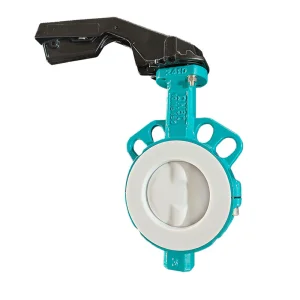
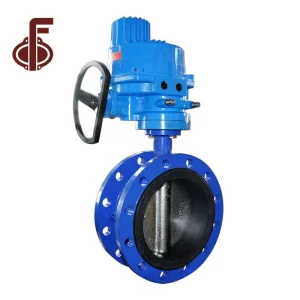
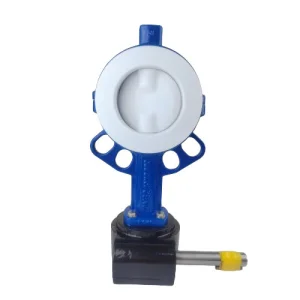
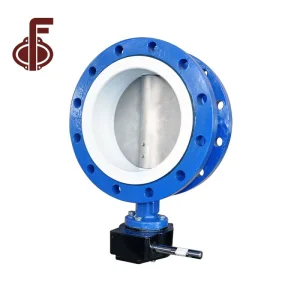
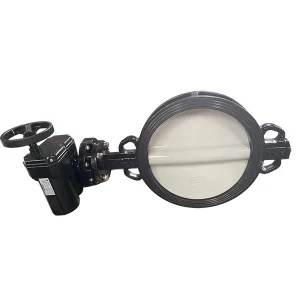
Broad range of PTFE-lined, electric motor-operated, double flanged, and high-performance valves ready for severe chemical, industrial, and high-temperature duties.