
Featured High-Performance Valve Series (Batch 1)
Precision manufactured under strict ISO 9001 and CE compliance routines for high-pressure municipal, marine, and industrial infrastructures.
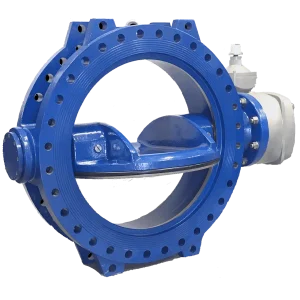
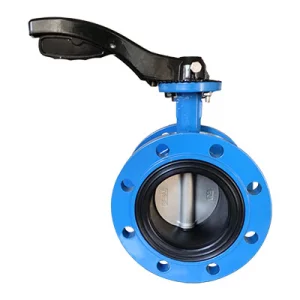
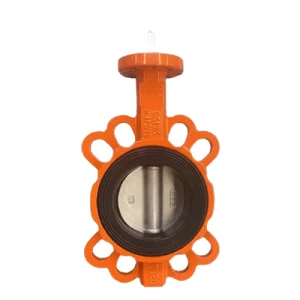
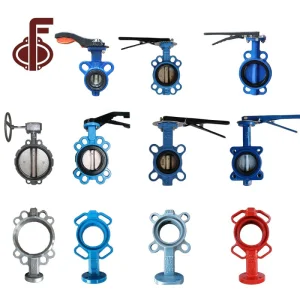
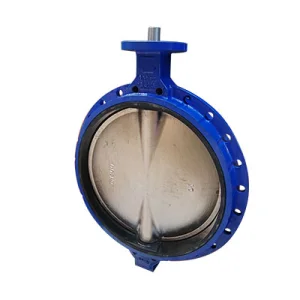
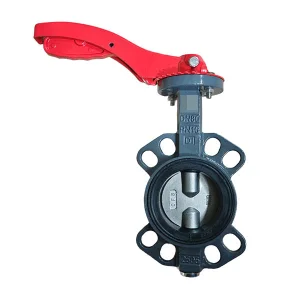
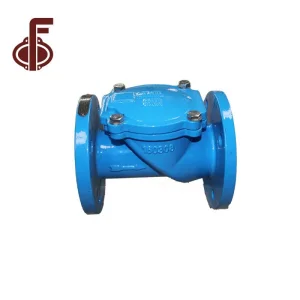
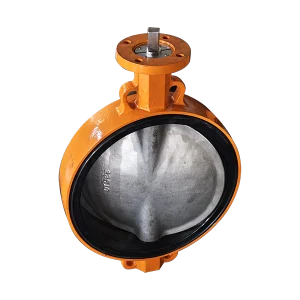
PTFE Sealing Technology: Engineering Architecture & Performance
Polytetrafluoroethylene (PTFE) and chemically modified polymers (such as TFM® 1600 or glass/carbon-reinforced compounds) represent the gold standard for zero-leakage isolation in corrosive media.
Molecular Chemical Inertness
The carbon-fluorine bond in virgin PTFE provides exceptional chemical stability. Butterfly valves lined with virgin or modified PTFE resist attack from aggressive concentrated acids (including hydrochloric, nitric, and sulfuric), halogenated compounds, organic solvents, and caustic alkaline washouts across continuous processes.
Elastomeric Energization
Pure PTFE lacks mechanical elastic memory and can suffer from cold-flow deformation under mechanical load. High-reliability factories implement an engineered EPDM or Silicone energizing cushion behind the PTFE profile. This hybrid design ensures constant seating pressure and bubble-tight bidirectional shut-off across dynamic pressure cycles.
Stem Sealing Dynamics
The primary area of fugitive emission vulnerability in butterfly valves is the stem interface. Our factory utilizes dynamic PTFE V-ring sets combined with spherical disc hubs. The disc-seat interference creates an uninterrupted seal, preventing line media migration into the drive shaft and meeting ISO 15848-1 tightness parameters.
Comparative Polymer Performance: PTFE vs. Conventional Elastomers
| Seat Material Configuration | Continuous Temperature Range | Optimum Media Resistance | Tensile Strength & Mechanical Friction | Typical Industrial Target |
|---|---|---|---|---|
| Virgin PTFE (Pure Polytetrafluoroethylene) | -20°C to +180°C (-4°F to 356°F) | Concentrated acids, strong oxidizers, ultra-pure chemicals, solvents | Extremely low coefficient of friction (μ ~0.04); low cold flow resistance | Pharmaceutical processing, fine chemicals, semiconductor etching acids |
| PTFE on EPDM Energizer (Composite) | -20°C to +150°C (-4°F to 302°F) | Aggressive industrial effluent, saline, chemical blends, washdown | Combines PTFE inertness with elastomeric mechanical memory recovery | Wastewater chlorination, desalination lines, paper & pulp processing |
| Modified PTFE (TFM / RPTFE Carbon/Glass Filled) | -29°C to +200°C (-20°F to 392°F) | Corrosive media with trace solids, mild slurries, steam trace lines | High mechanical resistance to cold flow, enhanced thermal cycle stability | Petrochemical refining, solvent recovery columns, acid mining circuits |
| Standard EPDM / NBR Elastomers | -20°C to +120°C / -10°C to +82°C | Potable water, HVAC chilled loops, general wastewater, oily media (NBR) | High elasticity and abrasion resistance; poor acid/chemical tolerance | Municipal civil infrastructure, HVAC networks, plant cooling water |
Integrated Chinese Supply Chain: Tier-1 Production Efficiency
China's manufacturing ecosystem provides an end-to-end framework that reduces delivery lead times, ensures traceable metallurgy, and maintains competitive unit costs for international engineering buyers.
Tianjin Valve Cluster
Situated within the heavy industrial manufacturing center of Northern China, Tianjin Zhongfa Valve benefits from mature casting foundries, automated induction melting, and direct access to high-purity virgin polymer resins, enabling rapid scaling of custom production runs.
Foundry & CNC Precision
Our facility manages ductile iron (GGG40/50), WCB carbon steel, CF8, and CF8M casting molds with tight dimensional tolerances. Multiaxis CNC turning stations machine the seat bore and stem tunnels to micron accuracy, ensuring uniform torque curves and extended PTFE lifecycle.
Total Cost Optimization
By coupling in-house tooling, high-volume sintering ovens, automated disc polishing, and complete hydrostatic/pneumatic test lines under one roof, we eliminate intermediate vendor markups, directly passing bottom-line savings to overseas distributors and OEMs.
International Sourcing Confidence
Comprehensive EN 10204 3.1 material test certificates, spectral optical metallurgy analysis, elongation verification, and complete spark testing for PTFE lining thickness protect EPC contractors from downline site compliance rejections.
Localized Compliance, Global Standards & QA Verification
Global engineering operators require valves that transition smoothly across international project specifications. We engineer products to satisfy key regional standards without requiring piping retrofits or mechanical re-drilling.
Global Standards Alignment
All butterfly valve bodies and PTFE seats are designed to comply with ASTM, ANSI/ASME B16.34, B16.5, B16.42, DIN EN 593, ISO 5752, BS 5155, JIS B2220, and KS standards. Universal multi-standard flange bolt patterns simplify inventory holding for regional stockists.
European & North American Certification
Operating under audited ISO 9001 quality infrastructure, our products bear the CE mark, complying with the Pressure Equipment Directive (PED 2014/68/EU) Module H. Food contact compliance for our pure PTFE grades includes FDA 21 CFR 177.1550 and EU 1935/2004 compliance.
Factory Acceptance Testing (FAT)
Prior to seaworthy boxing, every valve undergoes hydro testing according to API 598 and EN 12266-1. PTFE seats must verify Zero Leakage Rate A (bubble-tight bi-directional shut-off) under both low-pressure pneumatic air and 1.1x nominal differential hydrostatic pressures.
Localized Field Application Environments
PTFE seated valves provide reliable flow isolation across challenging operating environments where standard rubber seals quickly degrade or seize.
Chemical & Acid Plants
Continuous dosing lines carrying 98% concentrated sulfuric acid, chlor-alkali brine, hydrochloric acid, and hydrofluoric solutions depend on PTFE lining to protect pressure containment boundaries from corrosion and wall degradation.
Desalination & Marine Platforms
High chloride concentrations, brine rejects, and deep-sea suction systems cause rapid pitting in conventional cast irons. Our PTFE seated valves, configured with duplex stainless discs or fluoropolymer-encapsulated gates, eliminate galvanic corrosion.
Food, Beverage & Pharma
Sanitary processes demanding Clean-in-Place (CIP) and Steam-in-Place (SIP) thermal regimes rely on FDA-grade virgin PTFE seats to prevent process contamination, odor transfer, or polymer degradation from 130°C sterilization steam.
Lithium Battery Precursors
Modern gigafactories handling battery cathode precursors, aggressive lithium slurry blends, and nickel/cobalt extractants require the low-friction sliding action and non-reactive properties of pure PTFE seating to maintain operational safety.
Industry Trends: Smart Actuation, Decarbonization & Polymers
The industrial valve market is moving beyond manual isolation. As automation spreads across processing plants, butterfly valve manufacturing is adapting to support lower torques and real-time operational feedback.
Automated Actuation Readiness
Every ZFA valve is built with ISO 5211 direct-mount top flanges. Whether pairing with pneumatic rack-and-pinion actuators, multi-turn electric drives, or 4-20mA electro-pneumatic smart positioners, our low-breakaway PTFE torque profiles enable buyers to downsize actuator frames, decreasing project CAPEX.
Second-Generation Modified PTFE
Adoption of chemically modified TFM® 1600 polymers is rising. These advanced grades retain the chemical properties of PTFE while offering lower permeation rates, reduced micro-porosity, and significantly higher resistance to deformation under mechanical strain.
Environmental Fugitive Reductions
With global sustainability standards becoming stricter under the EU Green Deal and EPA directives, butterfly valve designs are transitioning to ISO 15848 certified packing systems. Low-friction PTFE chevron rings help plants prevent unintended volatile organic compound (VOC) emissions.
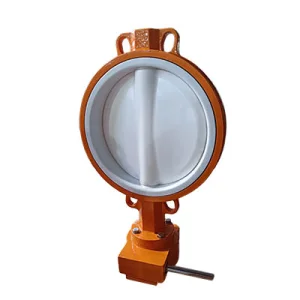
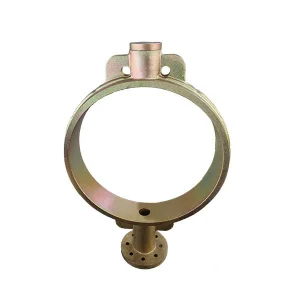
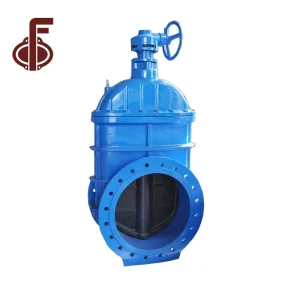
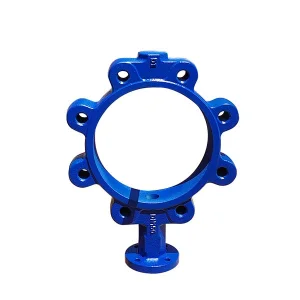
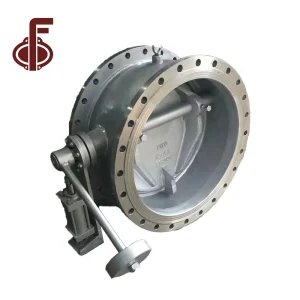
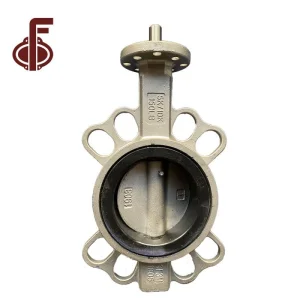
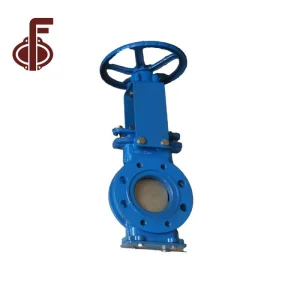
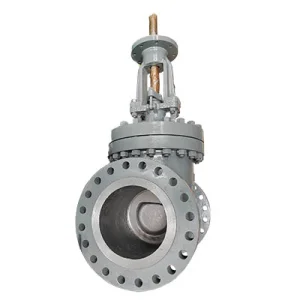
Featured High-Performance Valve Series (Batch 2)
A comprehensive range of butterfly, gate, check, and knife isolation valves, engineered for industrial installations and harsh fluid duties.
Procurement & Engineering FAQ (Technical White Paper Reference)
Detailed responses to critical engineering, installation, and procurement questions for EPC contractors, distributor buyers, and plant operators.
What is the difference between bonded, cartridge, and boot-type PTFE seats?
Boot-type seats are flexible elastomeric-backed liners that slip over the valve body, suited for moderate temperatures and simple field replacements. Cartridge-type (phenolic or hard-backed) seats encase the PTFE inside a rigid ring, preventing cold-flow deformation and simplifying installation between pipe flanges. Bonded seats are molded directly to the valve body, providing maximum vacuum resistance for aggressive chemical suction operations.
How do factory engineers address PTFE cold flow and creep deformation?
Cold flow is mitigated using three engineering approaches: (1) compounding virgin PTFE with 15-25% glass fiber or carbon powder (RPTFE) to improve structural modulus, (2) using secondary elastomeric cushions (such as resilient EPDM or silicone) to provide continuous sealing preload, and (3) machining disc profiles with spherical geometry to distribute contact stress evenly during shut-off.
Which test procedures are used to verify zero leakage in lined valves?
Our testing follows API 598, EN 12266-1, and ISO 5208. We perform high-pressure shell hydrostatic tests at 1.5x nominal rating and bi-directional seat testing at 1.1x nominal pressure. Additionally, low-pressure gas testing (6 bar pneumatic air) is applied underwater to confirm zero bubble emissions over standard hold times. Every PTFE lined valve undergoes high-voltage spark testing (typically 10kV to 15kV) to ensure pinhole-free liner coverage.
How should an engineer choose between concentric and eccentric PTFE butterfly valves?
Concentric butterfly valves are cost-effective and provide dependable zero-leakage shut-off up to 16 bar, making them common in chemical handling, CIP washdowns, and water treatment. Double or triple eccentric designs lift the disc seat away during initial rotation, reducing continuous friction wear. This makes eccentric valves suitable for higher pressures (Class 150/300), elevated temperatures, and frequent cycling services.
What quality documentation accompanies international shipments?
Every export consignment includes EN 10204 Type 3.1 Material Test Reports (MTR) verifying body, disc, and stem metallurgy, factory pressure test certificates, coating thickness logs, and declaration of conformity to CE/PED standards. Traceable batch numbers are cast or stamped directly into each valve body for lifecycle tracking.
