1 / 4
OEM Butterfly Check Valve with Heavy Hammer Manufacturers, Factory
Product Description
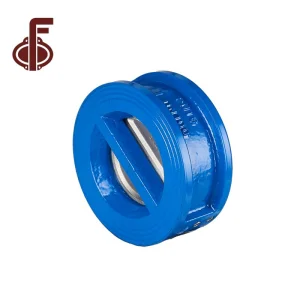
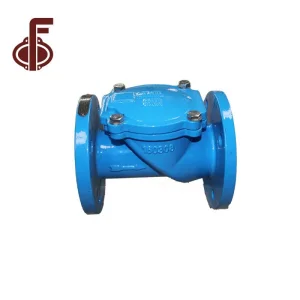
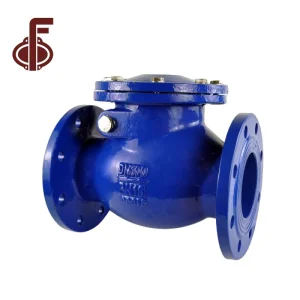
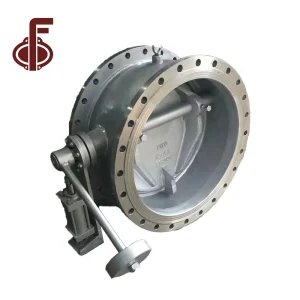
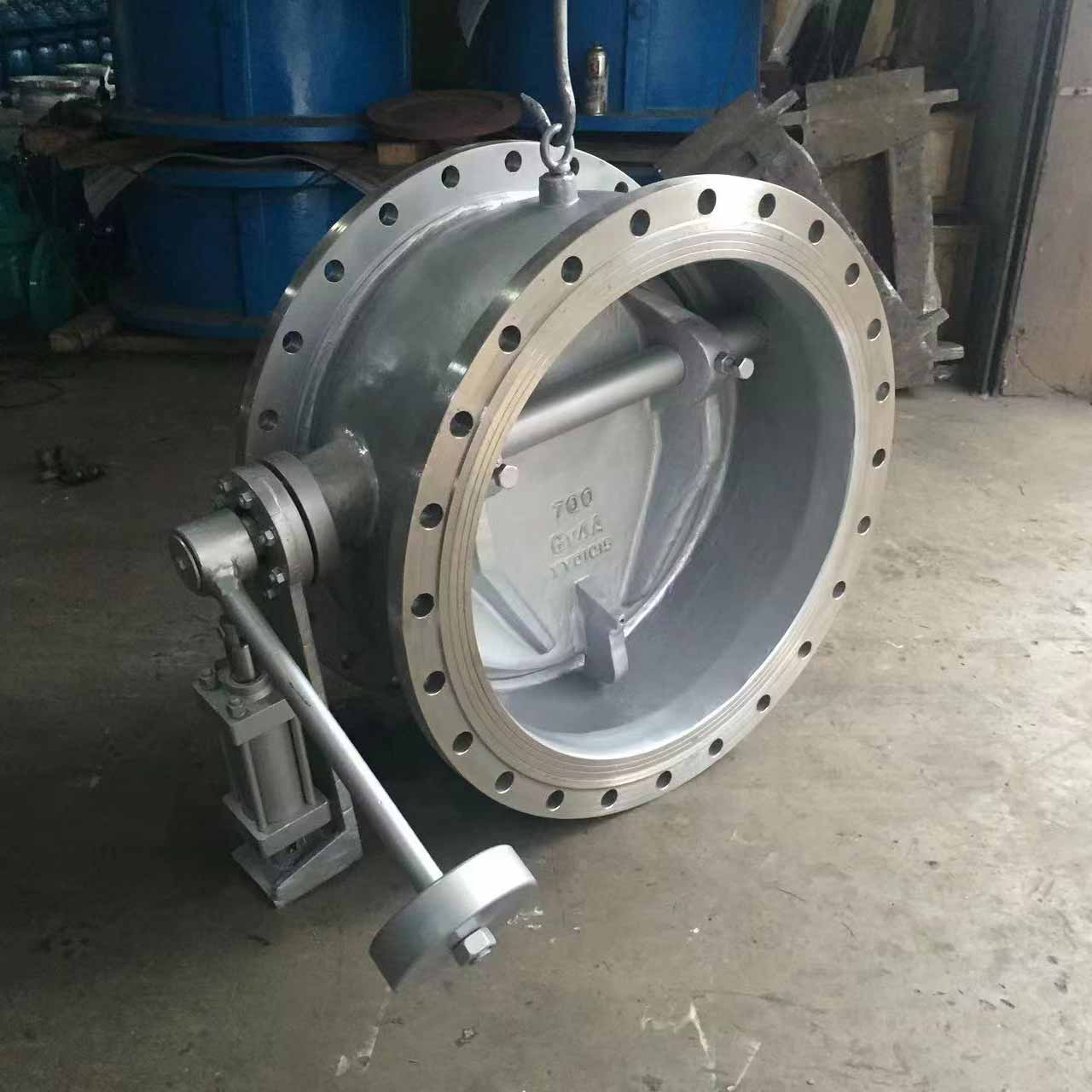
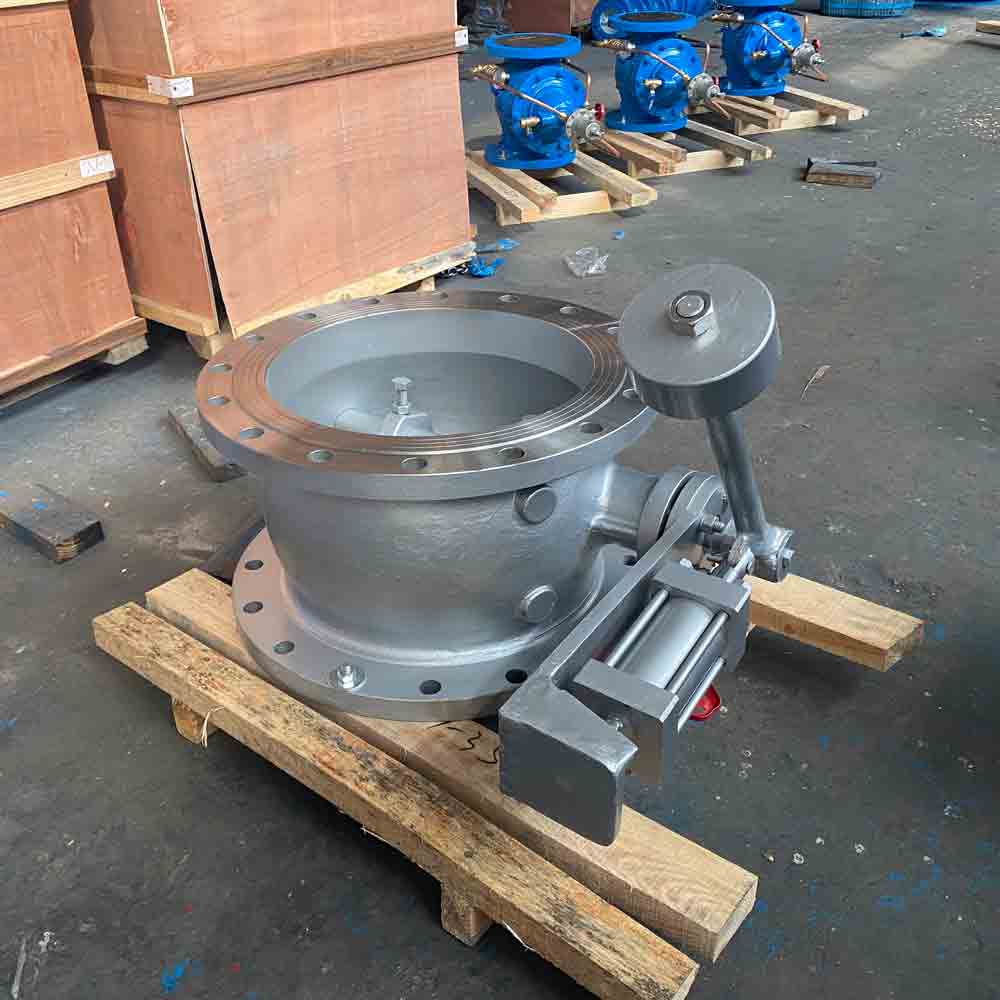
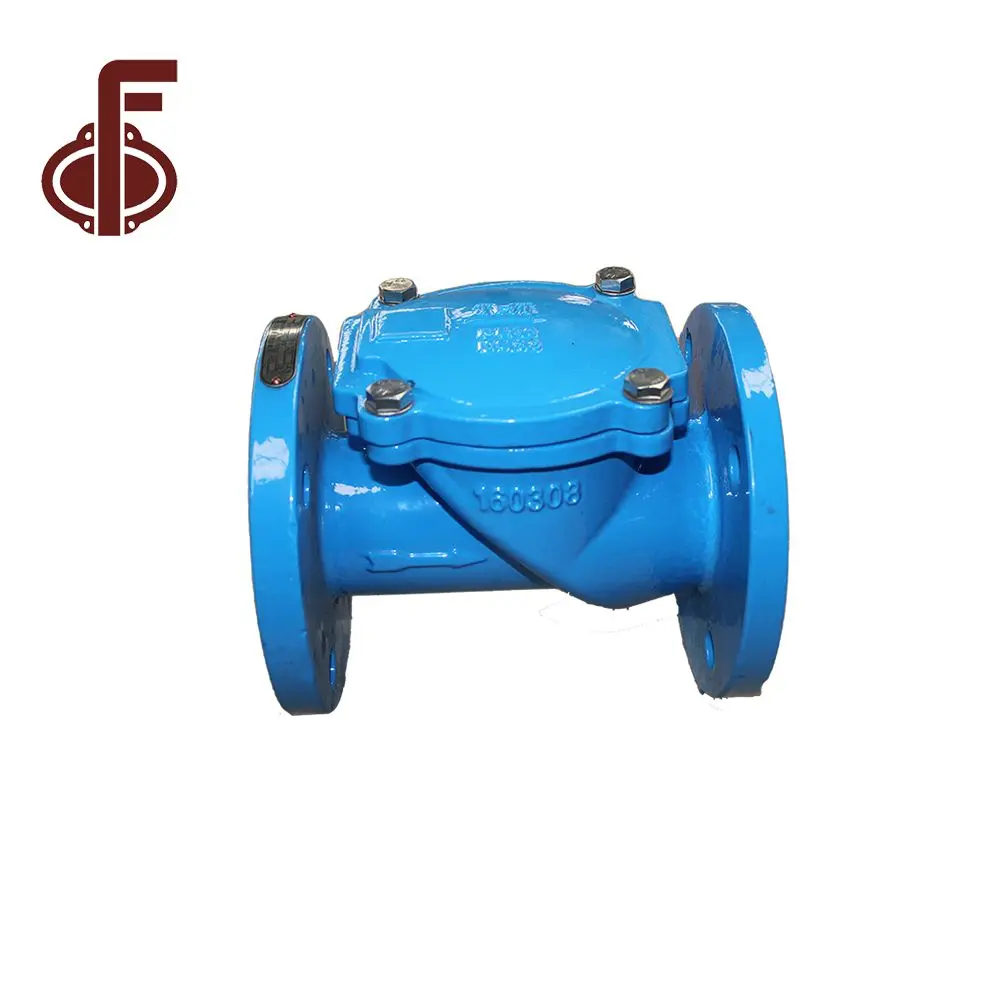
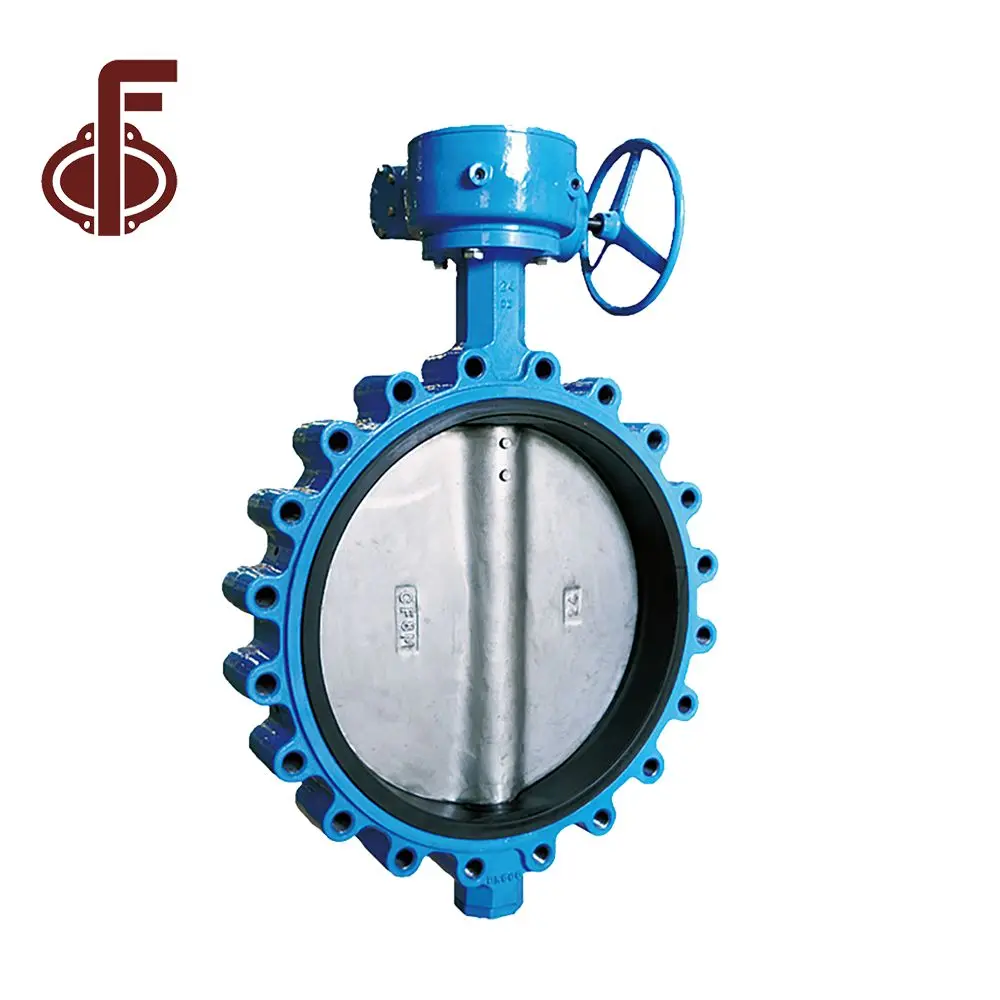
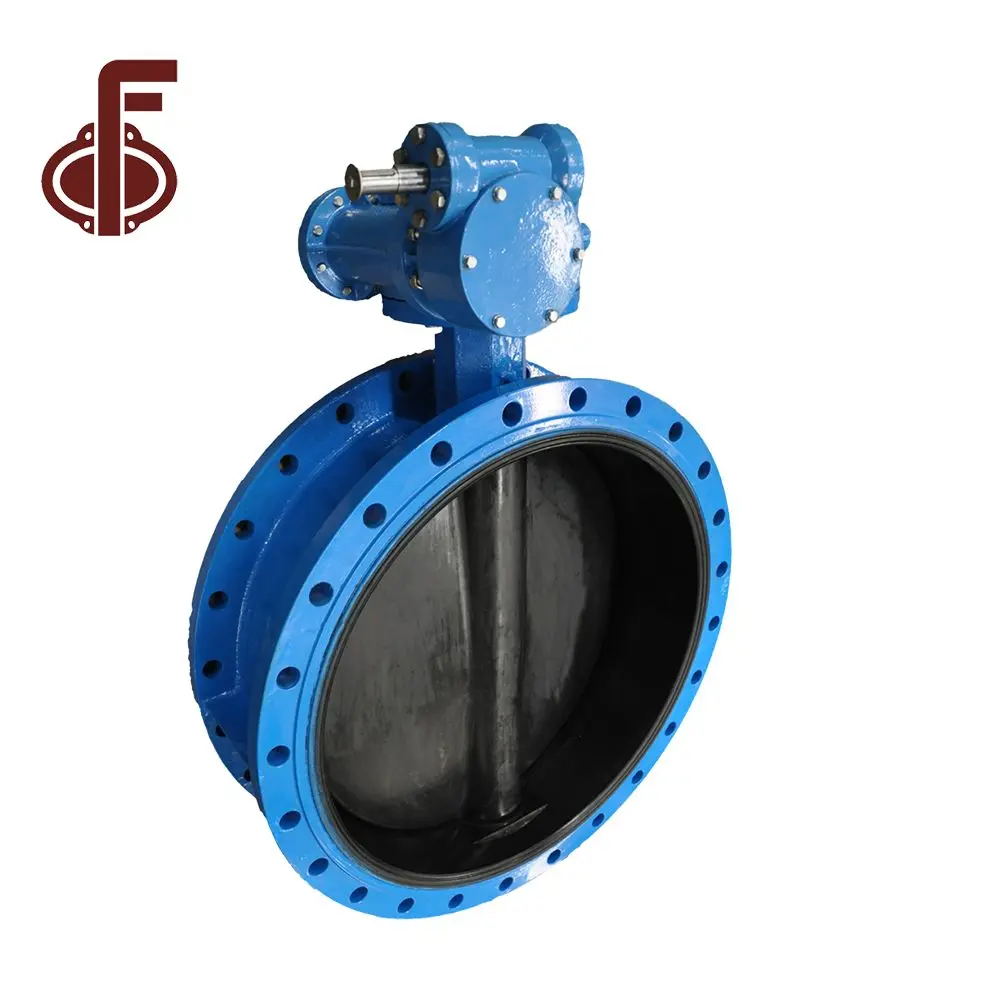
Butterfly Slow Closing Tilting Disc Check Valve
This butterfly non-slam check valve can be used in the drainage pipes of clear water, sewage, seawater, and other media. It effectively prevents backflow while suppressing destructive water hammer to ensure pipeline safety. The micro-resistance slow-closing butterfly check valve features a novel structure, compact profile, lightweight build, low flow resistance, dependable sealing, smooth operation, high wear resistance, extended operational lifespan, and an oil-assisted slow-closing mechanism unaffected by line media, delivering excellent energy savings. It has been extensively installed across heavy industries, municipal projects, and urban pipeline systems with proven performance.
Size & Pressure Rating & Standard
| Size | DN300 - DN1400 |
| Pressure Rating | PN6, PN10, PN16, CL150 |
| Face to Face STD | API609, BS5155, DIN3202, ISO5752 |
| Connection STD | PN6, PN10, PN16, DIN2501 PN6/10/16, BS5155 |
| Upper Flange STD | ISO 5211 |
Material Specifications
| Body | Cast Iron (GG25), Ductile Iron (GGG40/50), Carbon Steel (WCB A216), Stainless Steel (SS304 / SS316 / SS304L / SS316L), Duplex Stainless Steel (2205 / 2507), Bronze, Aluminium Alloy |
| Disc | DI+Ni, Carbon Steel (WCB A216), Stainless Steel (SS304 / SS316 / SS304L / SS316L), Duplex Stainless Steel (2205 / 2507), Bronze |
| Stem / Shaft | SS416, SS431, SS304, SS316, Duplex Stainless Steel, Monel |
| Seat | NBR, EPDM / REPDM, PTFE / RPTFE, Viton, Neoprene, Hypalon, Silicon, PFA |
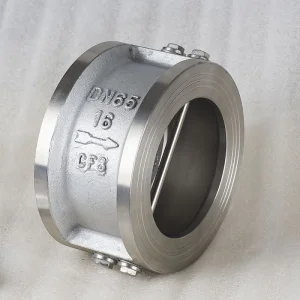
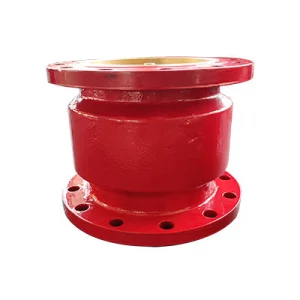
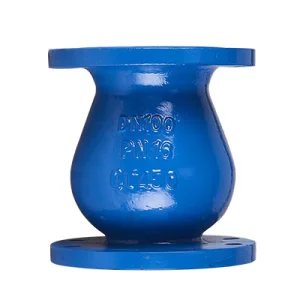
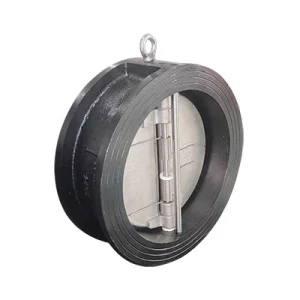
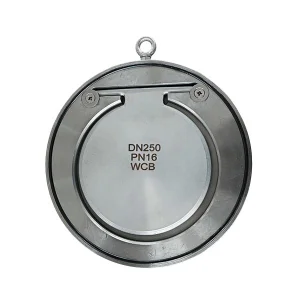
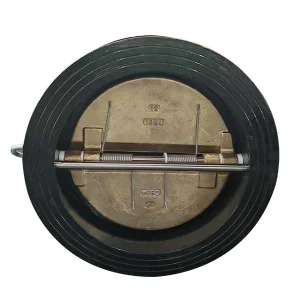
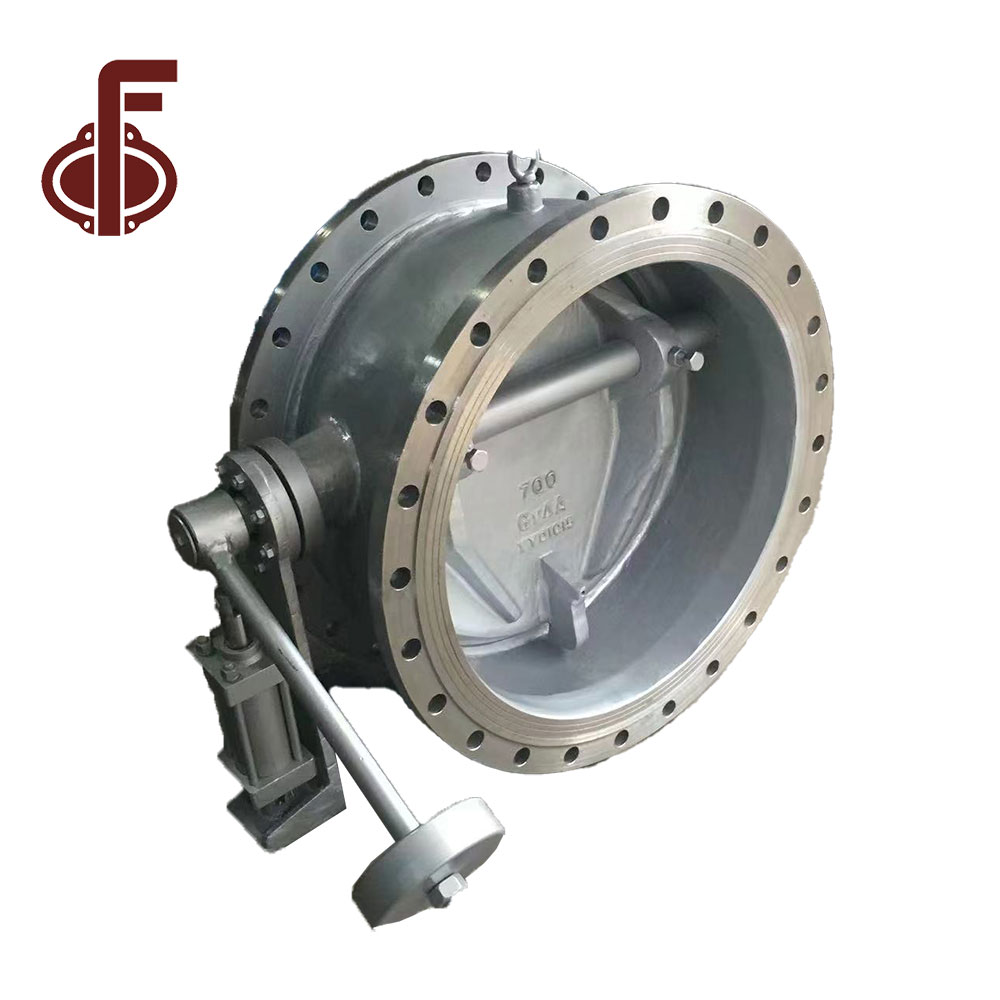
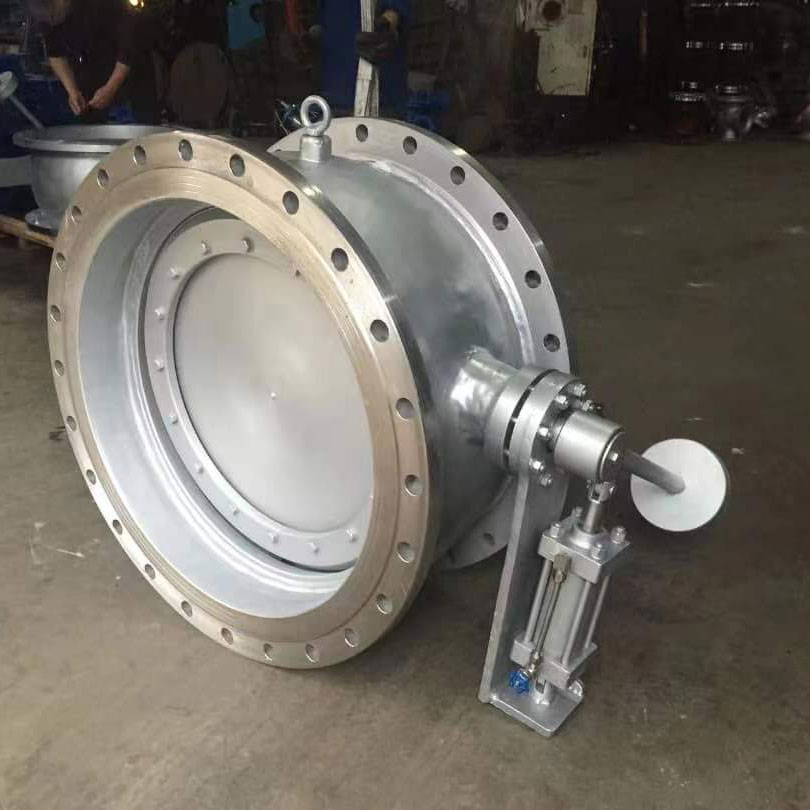
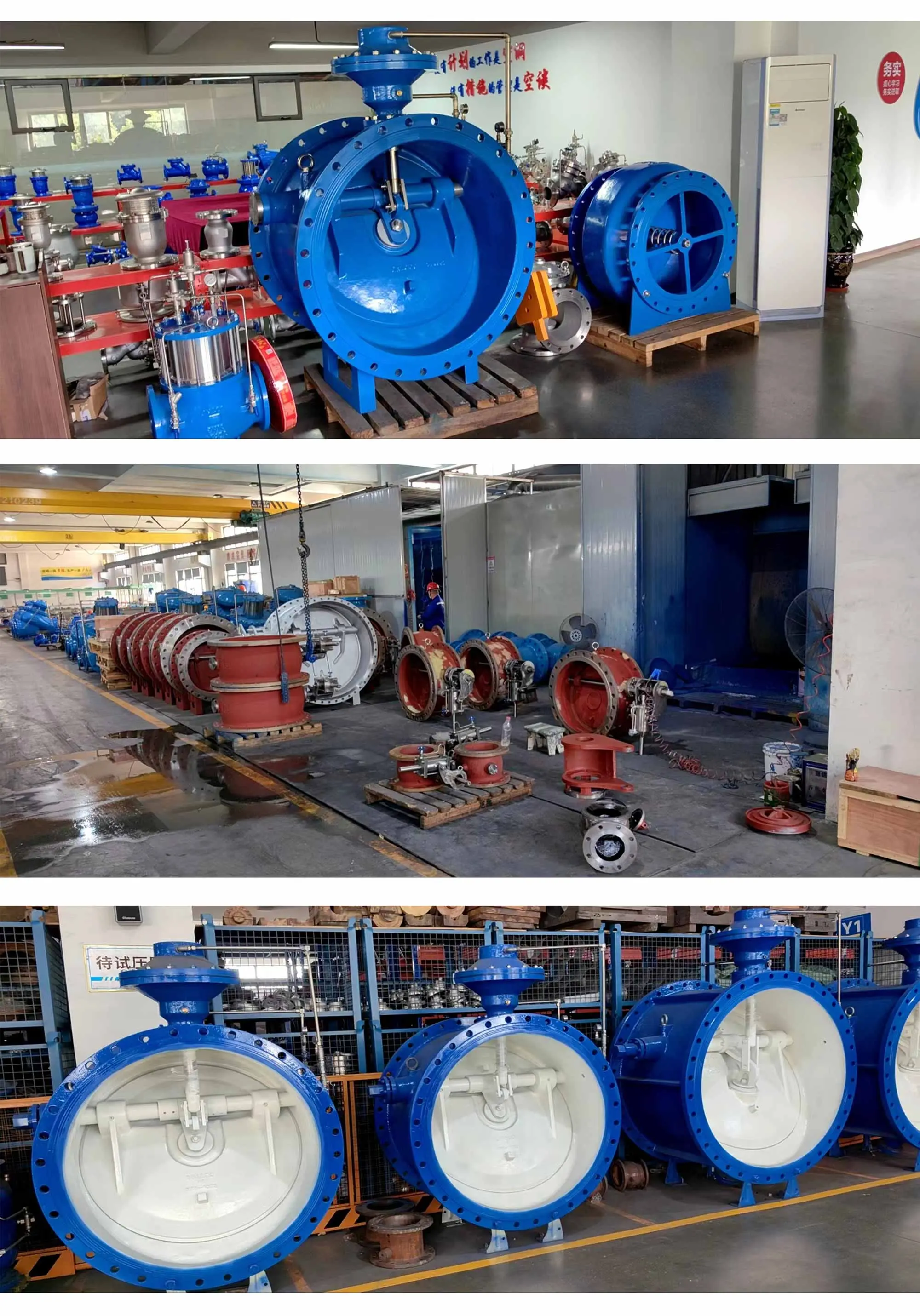
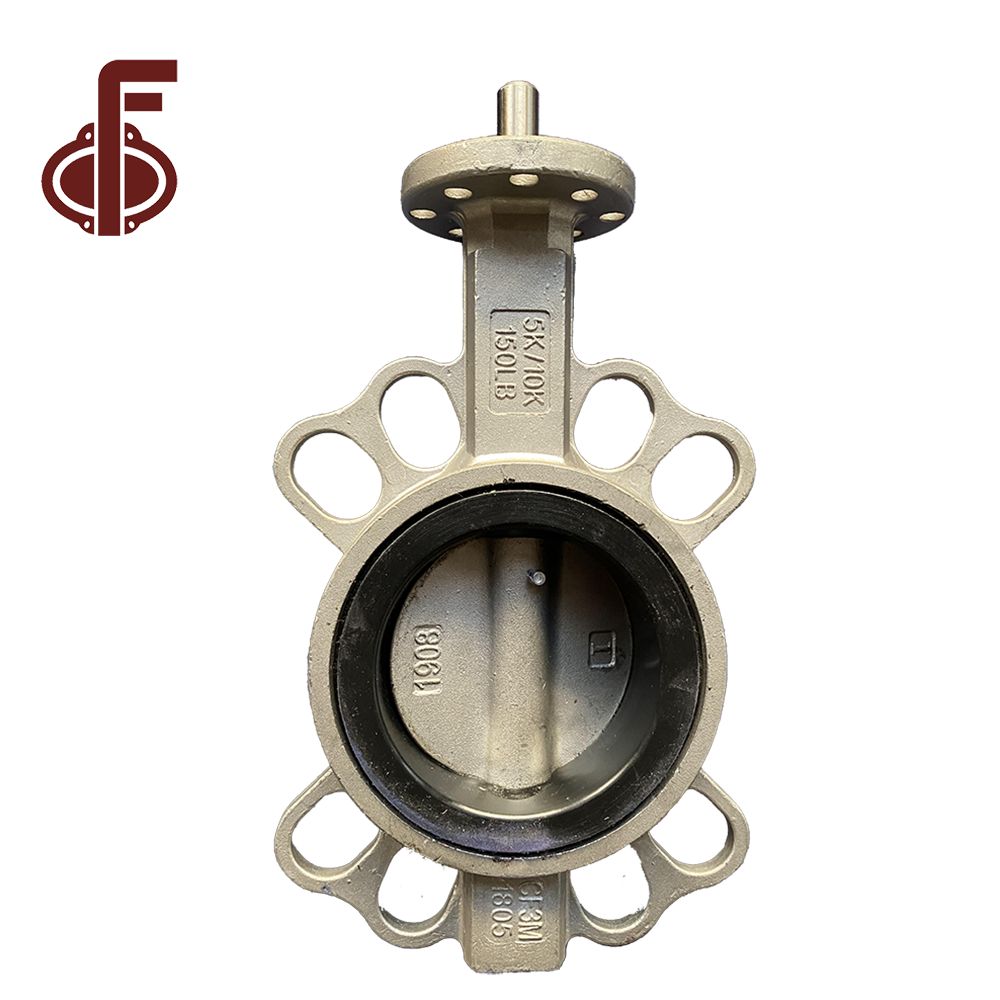
Product Display & Visual Details
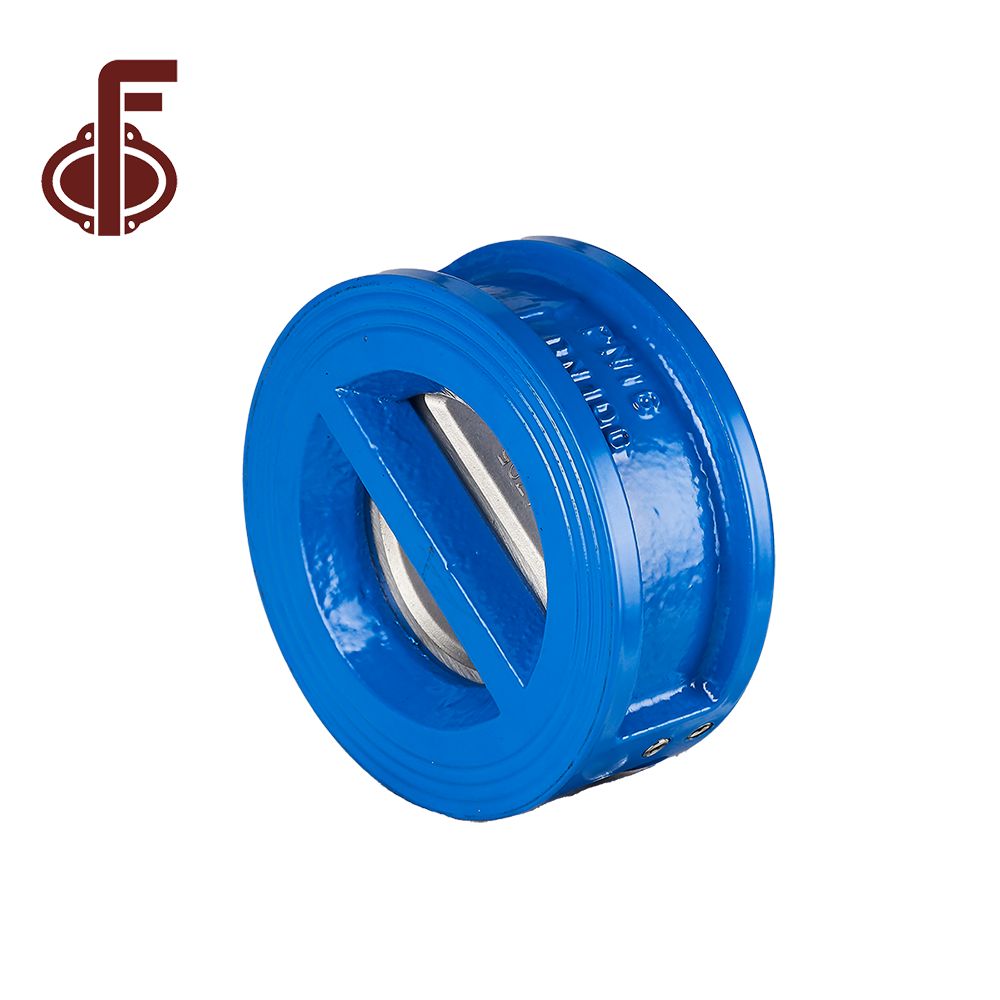
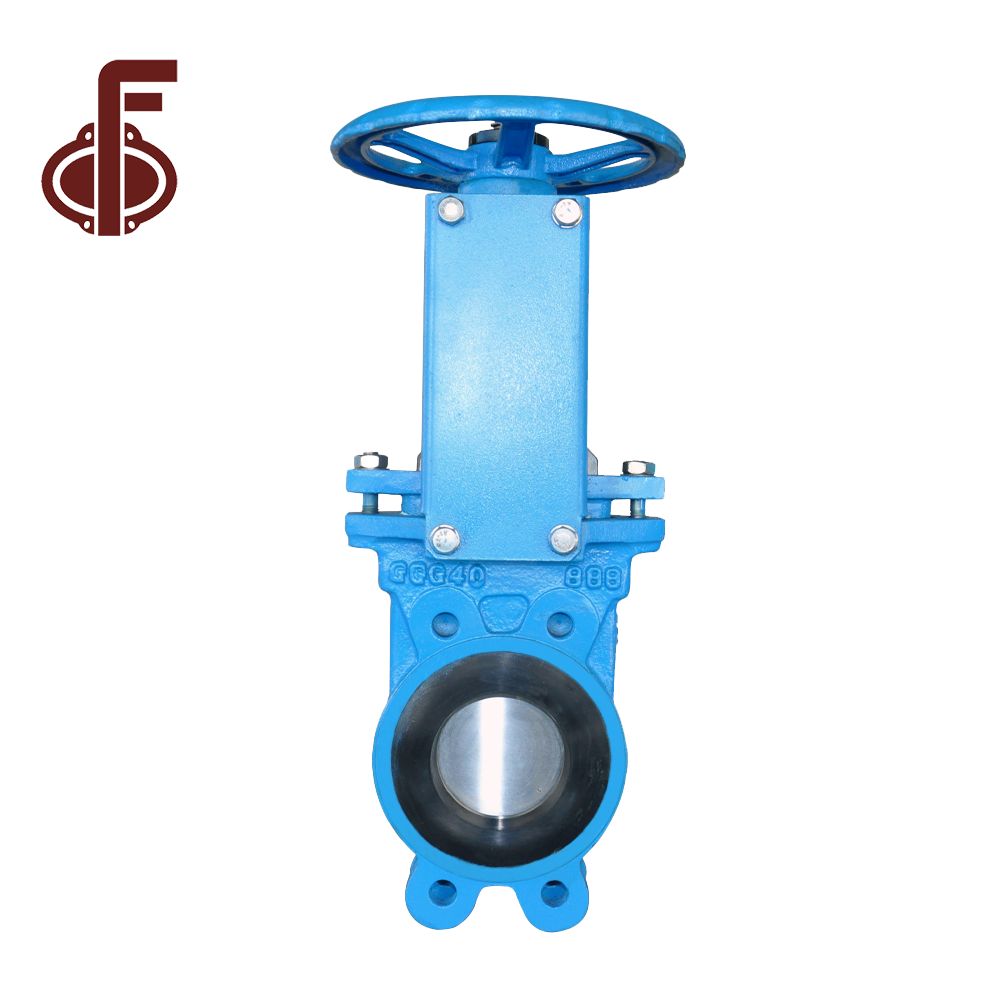
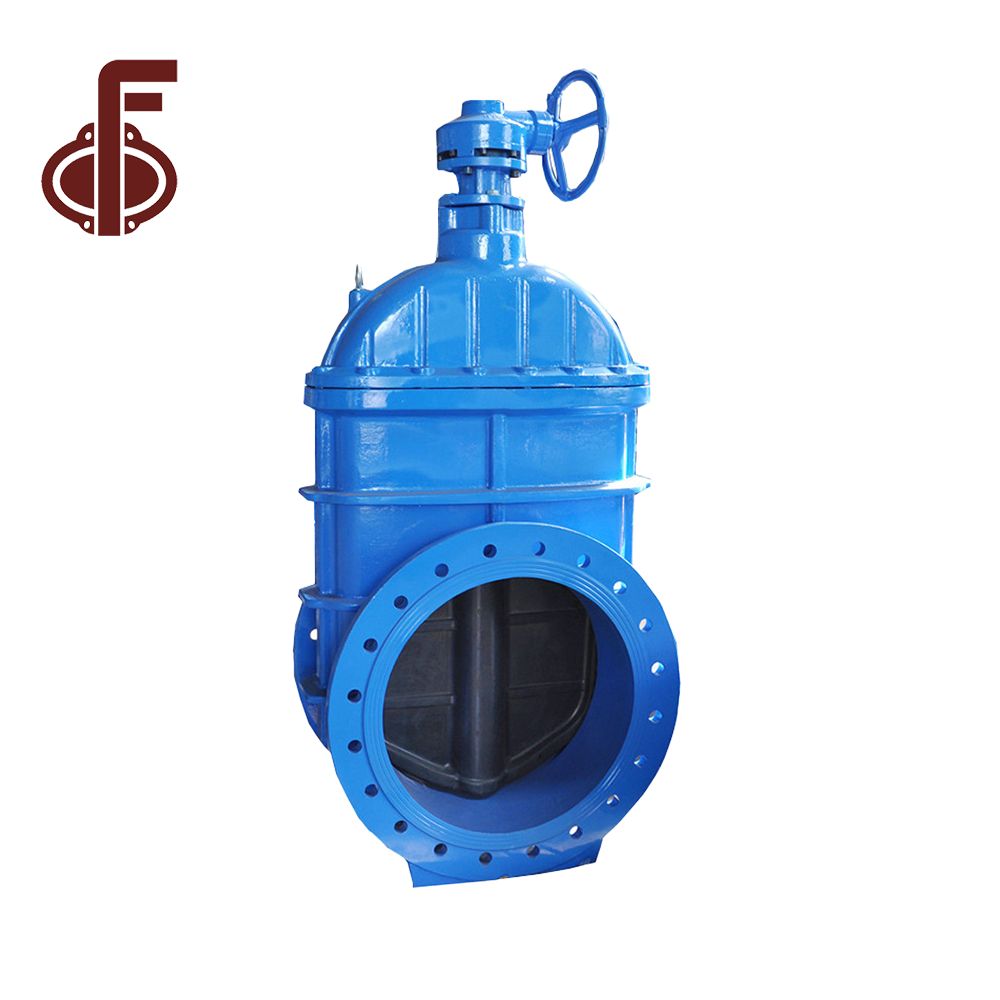
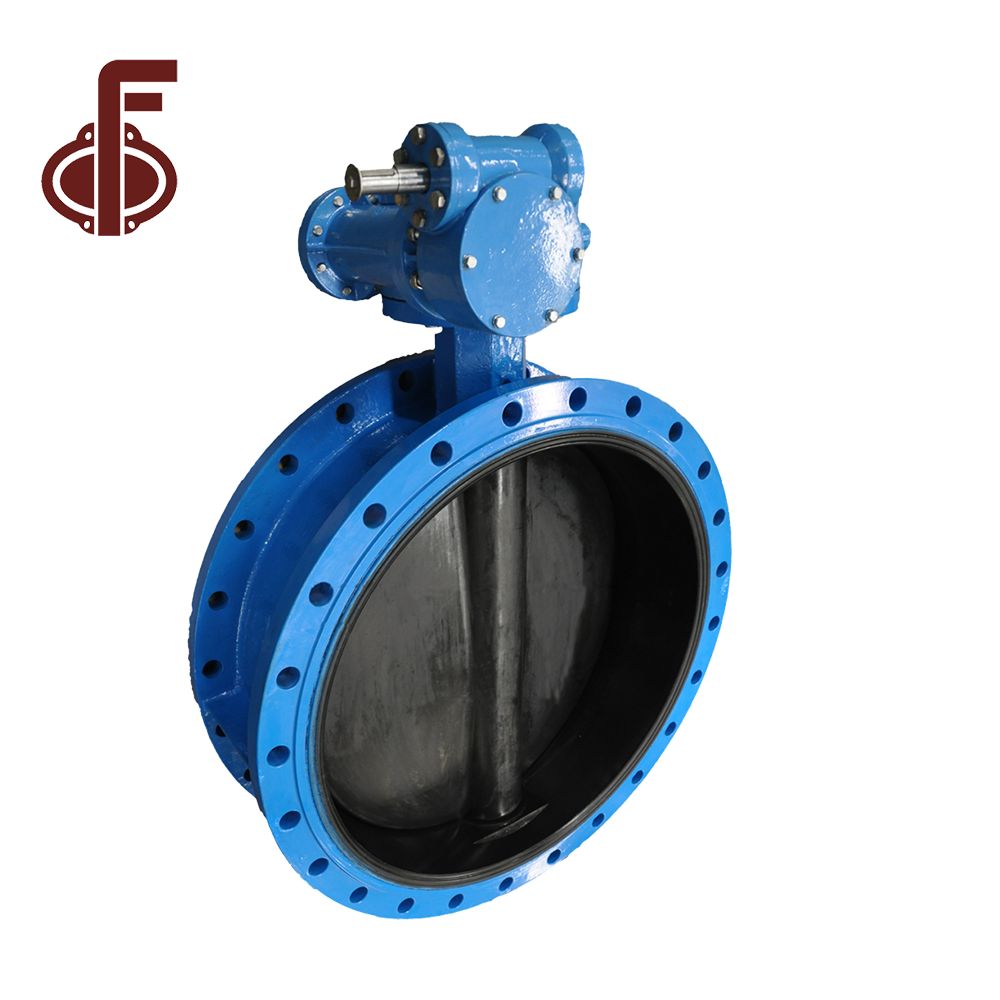
Frequently Asked Questions
Q1
What is the primary function of a butterfly slow-closing tilting disc check valve?
It is designed to prevent medium backflow in piping networks and suppress dangerous hydraulic shock (water hammer) during pump shutdown or sudden flow interruption, safeguarding pumps and pipeline integrity.
Q2
Which media are suitable for this non-slam check valve?
This valve is suitable for clear water, raw water, sewage, seawater, and diverse industrial effluent, thanks to extensive body, disc, and resilient seat material options.
Q3
How does the micro-resistance slow-closing feature work?
The valve uses an integrated damper / slow-closing system where closing action occurs in two stages: a rapid initial close to cut off primary backflow, followed by a controlled slow finish that eliminates slam, noise, and pressure surges.
Q4
What standard size ranges and pressure ratings are supported?
Standard sizes range from DN300 to DN1400. Pressure ratings accommodate PN6, PN10, PN16, and Class 150 (CL150).
Q5
Which flange and face-to-face standards can be matched?
Face-to-face dimensions follow API 609, BS 5155, DIN 3202, and ISO 5752. End connections are compatible with DIN 2501 (PN6/10/16), BS 5155, and top actuation mounts comply with ISO 5211.
Q6
What seat materials are available for corrosive or high-wear fluids?
Available seat compounds include NBR, EPDM/REPDM, PTFE/RPTFE, Viton, Neoprene, Hypalon, Silicon, and PFA, allowing optimal chemical resistance and long cycle life for specific process fluids.