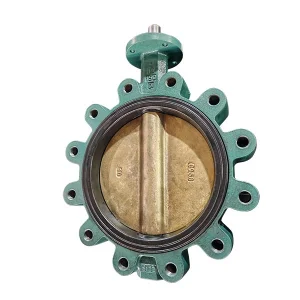
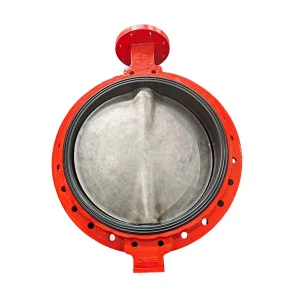
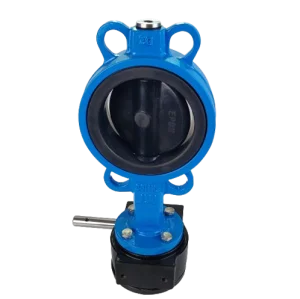
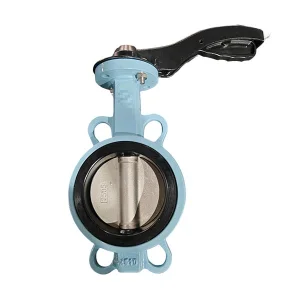
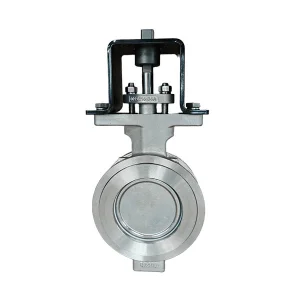
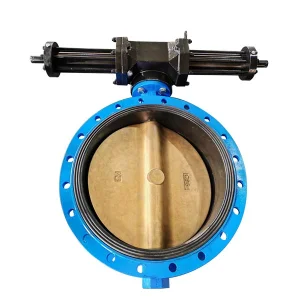
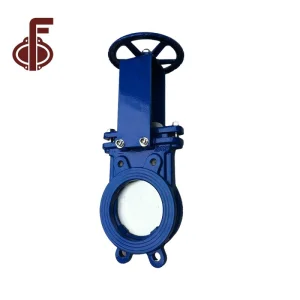
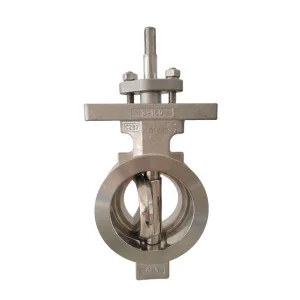
Heavy-Duty Process Valves & Seated Configurations
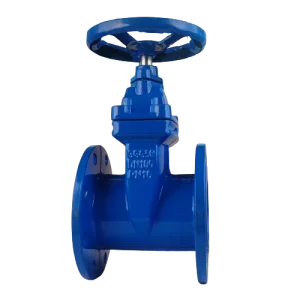
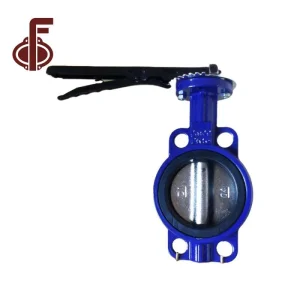
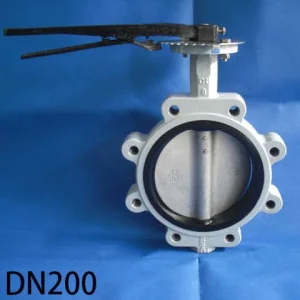
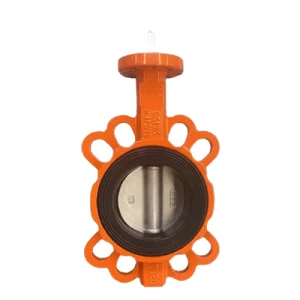
Explore our foundational range of butterfly, gate, and full-lined flow control components precision-machined to global standards.
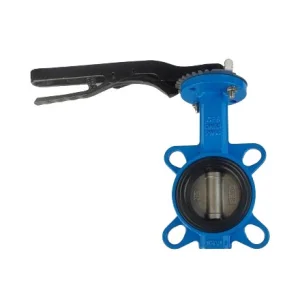
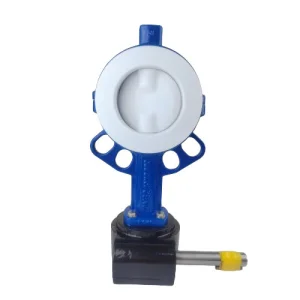
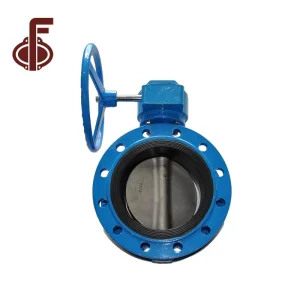
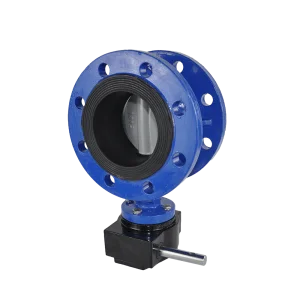
Engineering Evolution: PTFE Seating in Modern Valve Architecture
A rigorous examination of polymer science, sealing micro-mechanics, and metallurgical optimization driving long-term reliability in hazardous flow loops.
Polymer Evolution: Virgin vs. Filled PTFE
Standard virgin PTFE delivers exceptional chemical inertness but remains susceptible to cold flow and mechanical deformation under sustained high-pressure throttling. Next-generation factories deploy chemically modified PTFE (TFM) and glass/carbon-reinforced composites that reduce thermal deformation by over 60%, drastically extending MTBF in continuous-cycling operations.
Resilient Energizer Mechanics
Concentric PTFE lined valves utilize an elastomeric backing cushion (typically high-grade silicone, viton, or peroxide-cured EPDM) encapsulated behind the PTFE seat ring. This bi-layer architecture continuously absorbs mechanical transients, counteracting the natural viscoelastic creep of fluoropolymers and guaranteeing bi-directional bubble-tight shutoff (ISO 5208 Rate A).
Dynamic Stem Sealing Integration
Fugitive emissions at the disc-to-stem boundary remain the primary vector of process contamination. Advanced designs employ dual hemispherical sealing hubs and live-loaded Belleville spring packing sets, dynamically adjusting compression across fluctuating thermal gradients (-29°C to +200°C) without seizing drive torque.
Design Insight: When selecting butterfly valves for pure hydrochloric, nitric, or hydrofluoric acid service, pure PTFE full lining must be combined with a high-integrity PFA encapsulated disc or solid Hastelloy-C internals to prevent micro-permeation through the polymer barrier under vacuum conditions.
Material Performance & Operational Matrix
Comprehensive engineering matrix evaluating seat polymer configurations against media characteristics, operating pressures, and thermal ceilings.
| Seat Configuration | Permissible Media Spectrum | Operating Temp Range | Tensile Strength (MPa) | Permeation Resistance | Recommended Service |
|---|---|---|---|---|---|
| Virgin PTFE (Centerline) | Inorganic acids, alkalis, pure solvents, demi-water | -20°C to +180°C | 22 - 28 | Standard | Chemical dosing, municipal, CIP lines |
| Modified PTFE (TFM / Dyneon) | Aggressive wet chlorine, fluorinated compounds | -40°C to +200°C | 28 - 35 | High (Dense pore structure) | Semiconductor, fine chemical, API synthesis |
| Conductive / Antistatic PTFE | Volatile hydrocarbons, explosive solvents, ethers | -20°C to +180°C | 20 - 24 | Standard | ATEX zones, petrochemical distribution |
| Glass-Filled Reinforced PTFE | High-velocity steam, abrasive particulate slurries | -30°C to +220°C | 32 - 40 | Moderate | Geothermal lines, paper pulp, mining bypass |
Enterprise Supply Framework: Solving Systemic Procurement Friction
Strategic manufacturing integration engineered specifically for EPC contractors, multi-national chemical operators, and fluid automation syndicates.
EPC Turnkey Scaling
Multi-unit engineering packages requiring strict adherence to mixed international piping standards (ANSI, DIN, JIS) produced simultaneously under synchronized batch quality controls.
Semiconductor Purity
Ultra-clean assemblies featuring mirror-polished CF8M/CF3M discs (Ra < 0.4µm) and oil-free ultrasonic degreased cleanroom assembly complying with high-purity microelectronics specs.
Supply Chain Transparency
Full 3.1 Material Test Reports (MTR) covering spectral chemical verification of ductile iron (GGG40/50), stainless alloys, and raw fluoropolymer batch density certificates.
Actuation Compatibility
Direct-mount ISO 5211 top flanges engineered with precision broached square or keyed stems, enabling direct integration of pneumatic, electric, and hydraulic actuators without bracket play.
Global Standards & Quality Assurance Metric
Every valve leaving our manufacturing floor undergoes shell hydrostatic pressure testing at 1.5x PN and low/high-pressure gas seat leakage testing under strict ISO 5208 / API 598 regimens.
Bi-Directional Zero-Leakage Tested
Disc Surface Roughness Finish
Cycle Endurance Validation
CE & Pressure Equipment Directive (PED)
Localized Engineering Support & Global Regulatory Assurances
Bridging Chinese manufacturing velocity with stringent Western operational governance and field compliance.
Third-Party Inspections
Full factory access and uncompromised verification workflows welcoming SGS, TÜV, BV, and Lloyd's Register for witness testing, ultrasonic wall thickness measuring, and PMI alloy verification prior to bill of lading issuance.
Export Protective Packaging
Seaworthy packaging engineered to resist maritime atmospheric condensation. Flange face protectors, volatile corrosion inhibitor (VCI) desiccants, and heat-treated ISPM-15 compliant solid timber crates ensure pristine field readiness.
Technical Documentation Sets
Complete project submittal packages delivered within 48 hours: 2D general assembly dimensional drawings, 3D CAD/STEP models for plant piping integration, valve flow coefficient (Cv/Kv) curves, and comprehensive IOM manuals.
Technical Roadmap: Intelligent Valves & Clean Manufacturing
Pioneering the next decade of fluid handling via smart instrumentation, zero-emission sealing, and circular polymer recycling.
IoT-Enabled Smart Health Sensing
Embedded fiber-optic strain micro-sensors situated behind the PTFE seat ring to detect cold-flow displacement, anomalous stem torques, and seal wear in mission-critical processing lines before cavitation or leakage occurs.
Sustainable Bio-Fluoropolymer Resins
Active research and qualification of non-PFAS synthetic elastomeric cushions and chemically inert recycled fluoropolymer grades to meet upcoming EU REACH restrictions and aggressive global sustainability mandates.
Robotic High-Precision Machining
Full plant conversion to 5-axis CNC multi-tasking centers eliminating secondary setups, driving disc sphericity tolerances down to micron-levels, and slashing actuator breakout torque requirements by up to 30%.
Frequently Asked Questions: Technical & Commercial Specifications
In-depth responses resolving complex queries regarding PTFE seat engineering, cavitation resistance, order fulfillment, and customization.
What are the key technical differences between PTFE seated and rubber (EPDM/NBR) seated butterfly valves?
How does your factory prevent PTFE cold flow and premature leakage during high-cycle service?
Can your valves be configured for full vacuum service without liner collapse?
What international flange standards are compatible with your wafer and lug body castings?
What documentation and quality certificates are provided with export shipments?
High-Performance & Specialized Valve Solutions
Review our specialized configurations including high-performance double-offset designs, aluminum bodies, and knife gate architectures.