
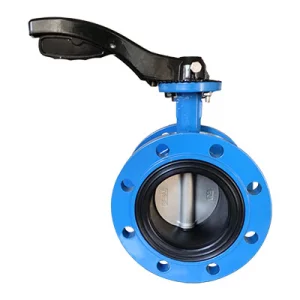
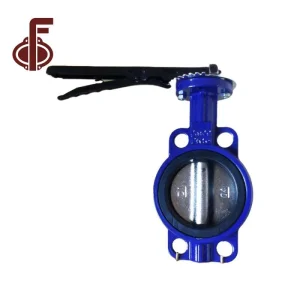
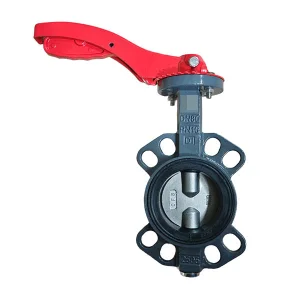
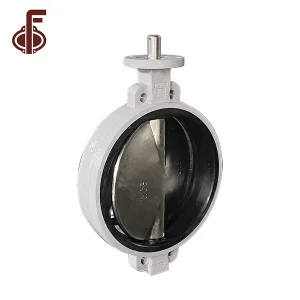
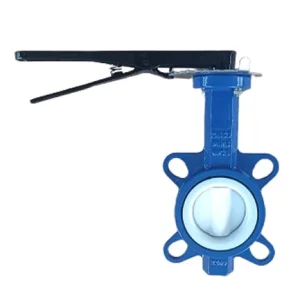
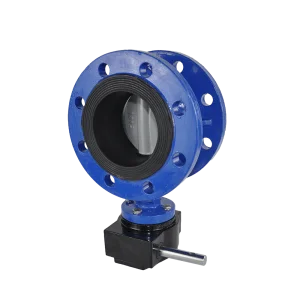
OEM EN593 Replaceable EPDM Seat DI Flange Butterfly Valve
Specification Sheet
Engineered for zero-leakage shutoff in potable municipal systems, chemical transmission, and HVAC circuits. Direct from our automated production lines.
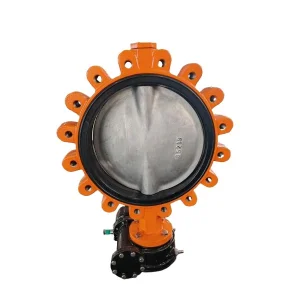
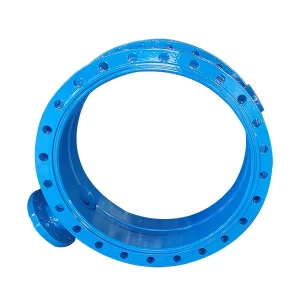
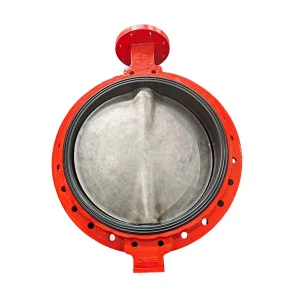
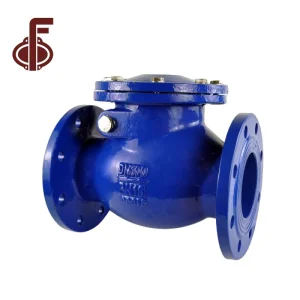
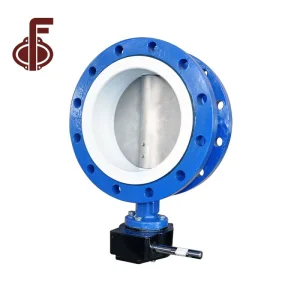
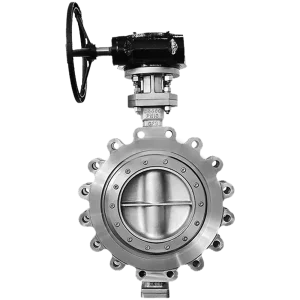
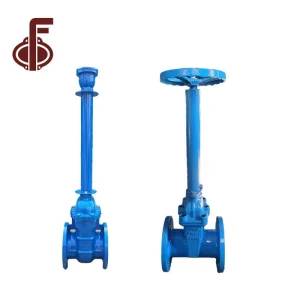
Centerline (concentric) butterfly valves represent the foundational core of modern flow isolation. Featuring a concentric stem oriented directly across the center plane of the disc and valve body, these units provide bi-directional bubble-tight shutoff with optimized hydraulic characteristics.
Established Baseline
Hydrostatic Tested
Bore Span Coverage
API 598 / ISO 5208
Concentric shaft design guarantees uniform 360-degree radial compression across vulcanized or cartridge elastomer seats, delivering zero downstream seepage even in fluctuating pressure gradients.
The polished spherical disc edge mates smoothly with EPDM, NBR, Viton, or PTFE liners. This reduces frictional torque loads by up to 25%, drastically extending automated actuator duty cycles.
Square-drive, splined, or internal hex disc-to-stem engagement eliminates disc penetration pins, eradicating leak pathways through the stem and preventing crevice corrosion around fasteners.
Operating from our integrated manufacturing hub in Tianjin, China, Tianjin Zhongfa Valve Co., Ltd. (ZFA Valve) leverages advanced automation, computerized metallurgy, and digitized testing workflows to provide uncompromising OEM supply stability.
Our Tianjin foundries utilize automated DISA molding lines paired with vertical CNC machining centers. This delivers repeatable body wall thickness tolerances down to ±0.2 mm and mirror-like finishes on sealing chambers.
Every melt batch of Ductile Iron (QT450-10, GGG40/50), WCB, CF8, or CF8M undergoes real-time optical emission spectrometry. Raw material certification (EN 10204 Type 3.1) accompanies every dispatch file.
To insulate overseas clients from regional delivery disruptions, we maintain semi-finished inventories for sizes DN50 to DN600. Common wafer and lug bodies can be assembled, tested, and shipped within 7 business days.
Selecting the exact elastomeric or fluoropolymer liner is the most crucial decision point in centerline butterfly valve longevity. Reference our technical performance chart below.
| Elastomer Liner | Operational Temperature | Applicable Media Classifications | Incompatible Media (Critical Exclusions) |
|---|---|---|---|
| EPDM (Food Grade / Standard) | -20°C to +120°C (-4°F to 248°F) | Potable water, raw sewage, chilled water, sea water, air, glycol | Hydrocarbon solvents, mineral grease, diesel, steam > 130°C |
| NBR (Nitrile / Buna-N) | -10°C to +82°C (14°F to 180°F) | Lubricating oils, kerosene, mineral oil, gasoline, hydraulic oils | Strong oxidizing acids, ozone, acetone, chlorinated aromatics |
| PTFE (Virgin / Modified) | -20°C to +180°C (-4°F to 356°F) | Concentrated sulfuric/nitric acids, aggressive alkali, pure organics | Fluorinated chemicals at high temps, severe abrasive slurries |
| FKM (Viton® Fluoroelastomer) | -15°C to +200°C (5°F to 392°F) | High-temp hydrocarbons, chlorinated solvents, chemical acids | Low-molecular esters, amines, molten alkali metals |
Centerline valves from Tianjin Zhongfa Valve serve mission-critical utility, process, and civil infrastructure deployments across 65+ countries worldwide.
AWWA C504 and EN 593 certified assemblies coated with WRAS-compliant fusion bonded epoxy (FBE ≥ 250 μm). Resistant to cathodic disbondment and aggressive seawater attack in reverse osmosis desalination stages.
Engineered for high-frequency modulating service in district cooling loops. Low actuation breakout torque allows downsized actuator pairings, reducing overall facility power draw and panel footprint.
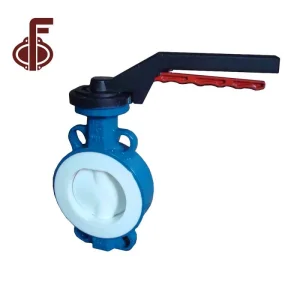
PTFE-lined and Hastelloy-disc centerline solutions capable of withstanding corrosive acid flushes, tailings slurry separation, and aggressive chemical dosing without structural leaching or degradation.
As modern fluid infrastructure demands deeper operational intelligence and lower environmental impact, our R&D pipeline integrates digital monitoring and sustainable materials.
Development of embedded piezoelectric pressure, temperature, and stem vibration transceivers directly inside the actuator mounting pad. Enables predictive maintenance alerts to prevent catastrophic pipeline downtime.
Transitioning toward recyclable and low-emissions elastomer compounding. Formulations meet strict EU REACH directives and minimize volatile organic compounds (VOCs) during vulcanization.
ISO 15848-1 certified stem sealing systems incorporating multi-stage live-loaded dynamic O-rings and secondary backup energizers, reducing atmospheric leakage to below 100 ppmv.
We assist engineering firms, stockists, and contractors with international documentation, customs harmonizations, and multi-standard compliance packages.
Pressure Equipment Directive (PED 2014/68/EU), CE marking, ISO 9001:2015, and WRAS compliance for European and Commonwealth markets.
Mill Test Certificates (MTC EN 10204 3.1), hydro-shell, and high-pressure seat leakage test reports provided with every project valve.
Dedicated nameplate stamping, laser tagging, bespoke valve color-coding, and export-compliant treated wooden crate crating.
Dual-standard body designs accommodating ANSI Class 125/150, PN10, PN16, and JIS 10K connection bolt circles in a single body casting.
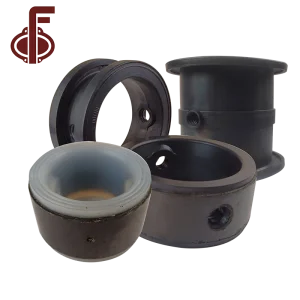
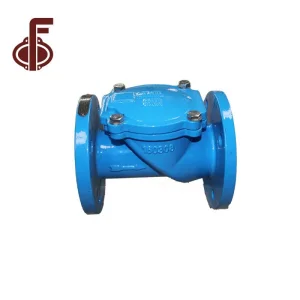
Expanded portfolio configurations covering fully lined designs, AWWA municipal standard designs, and high-efficiency check valves.
Clear, authoritative technical answers to the most common questions raised by engineering consultants, procurement leads, and pipeline contractors.
