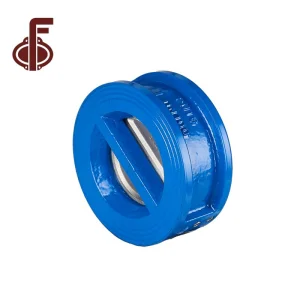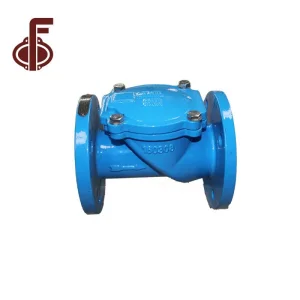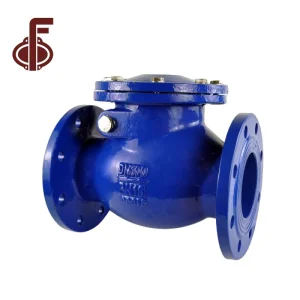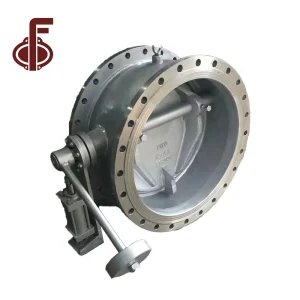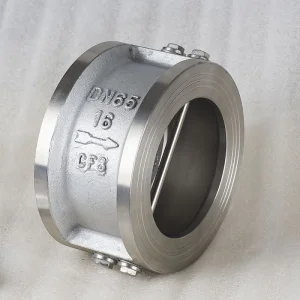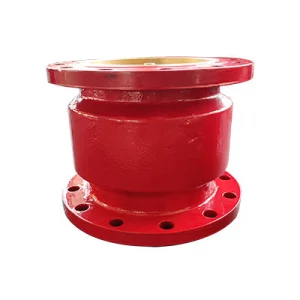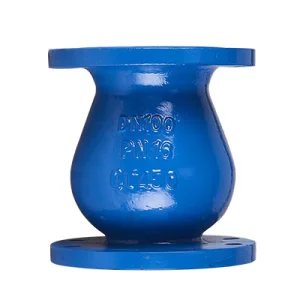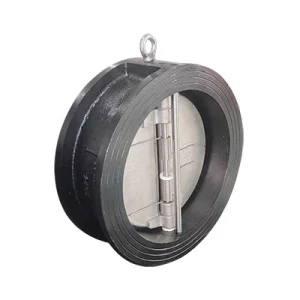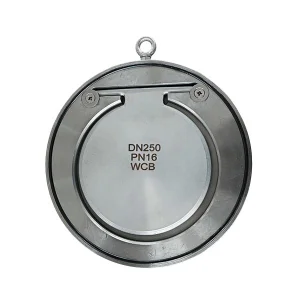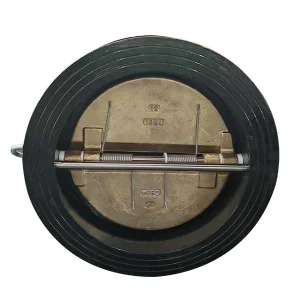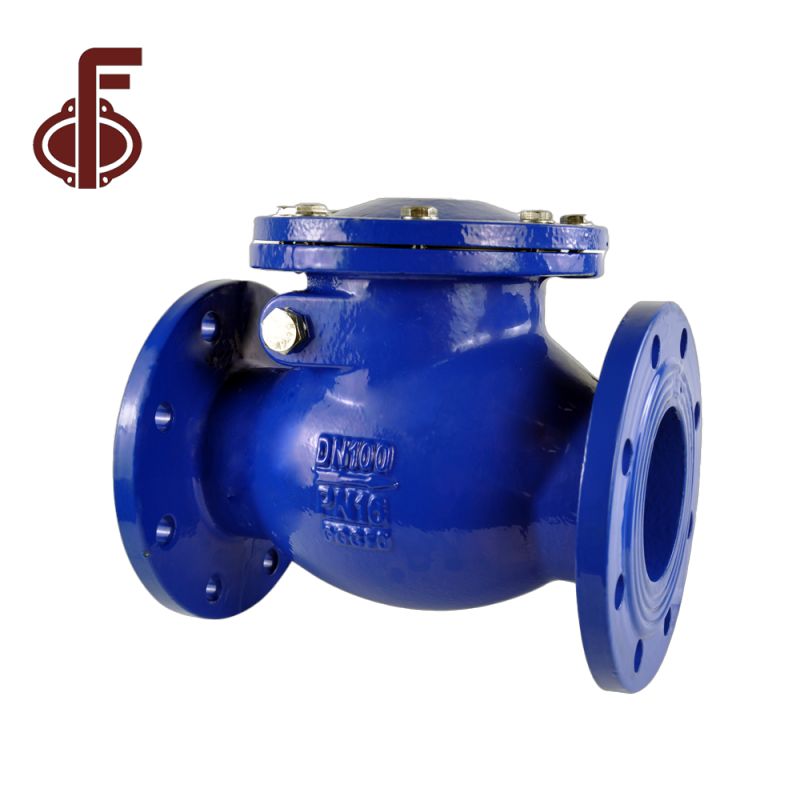
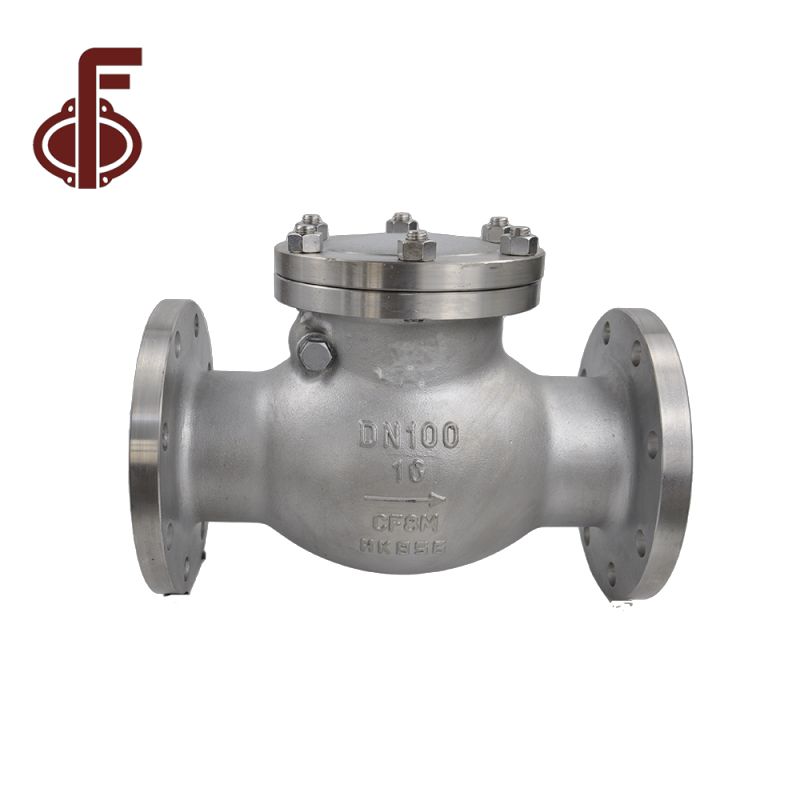
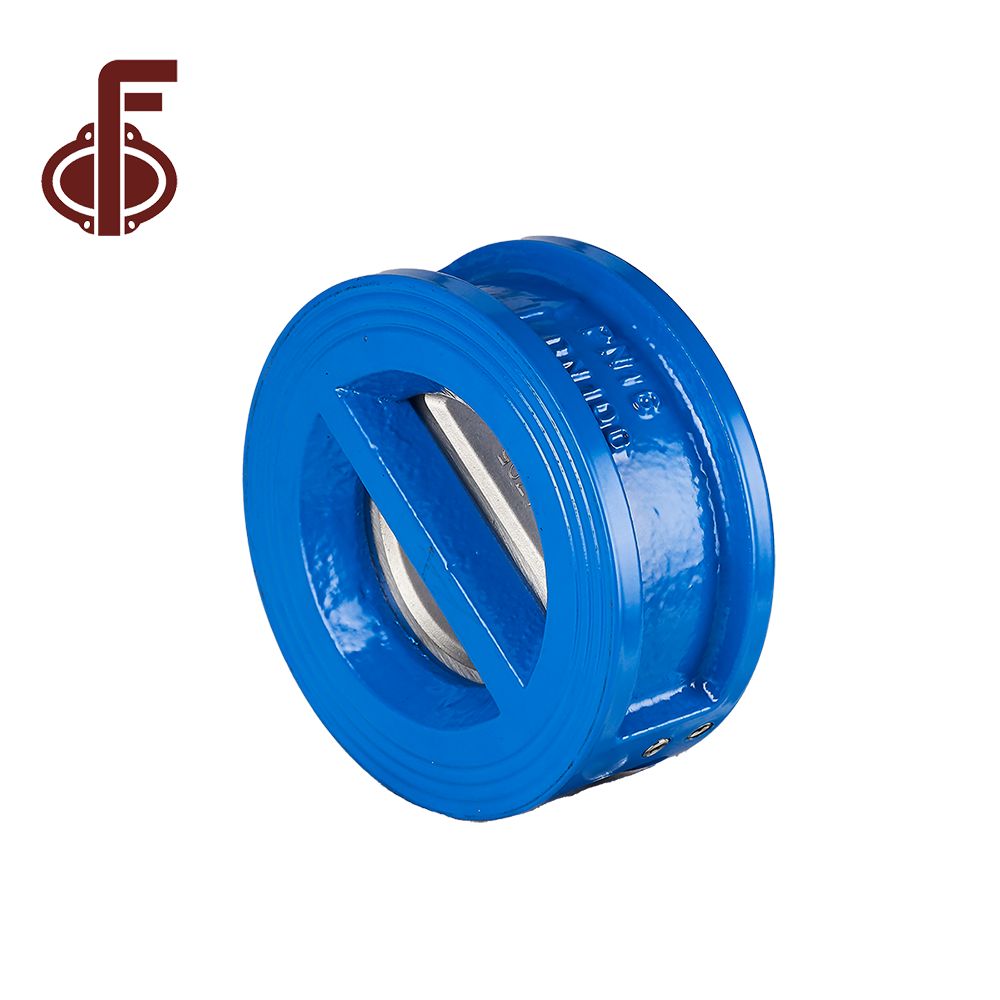
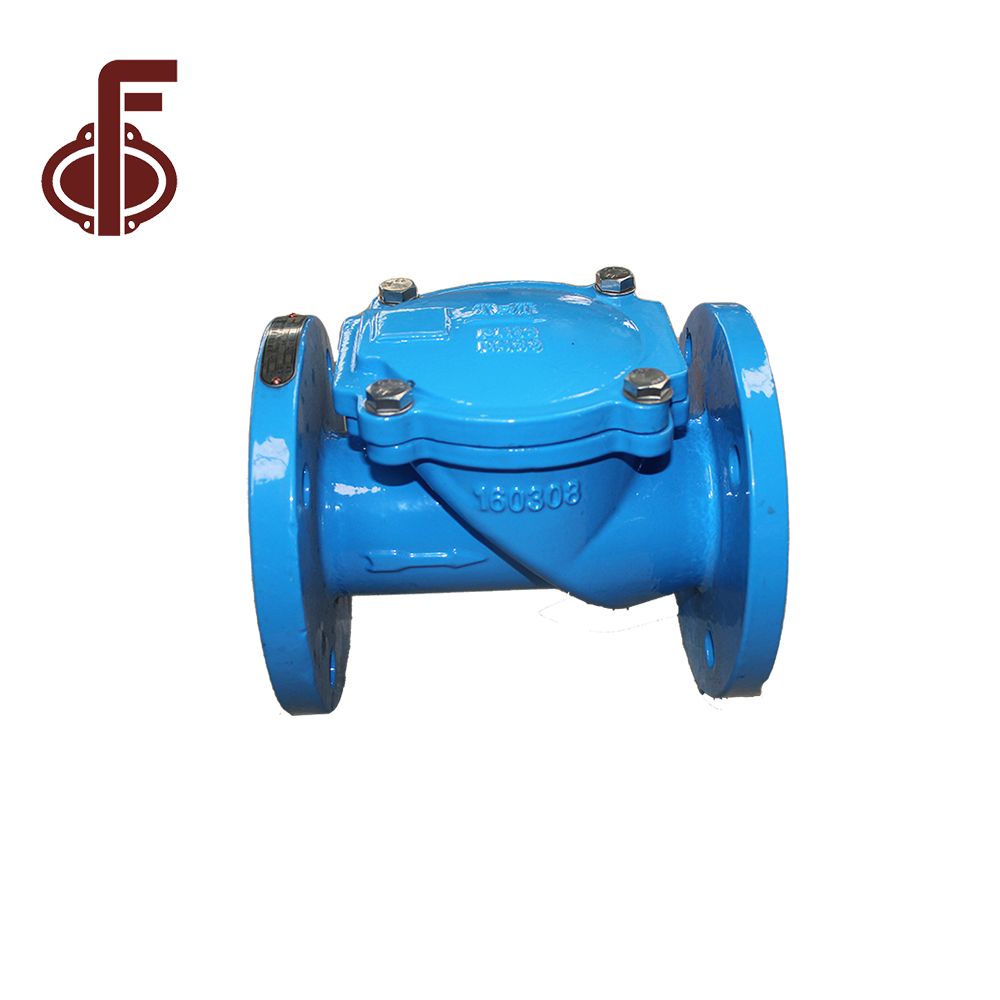
OEM Ductile Iron SS304 SS316 Non-return Swing Check Valve Manufacturer, Manufacturers
Product Description
Product Overview & Operational Principle
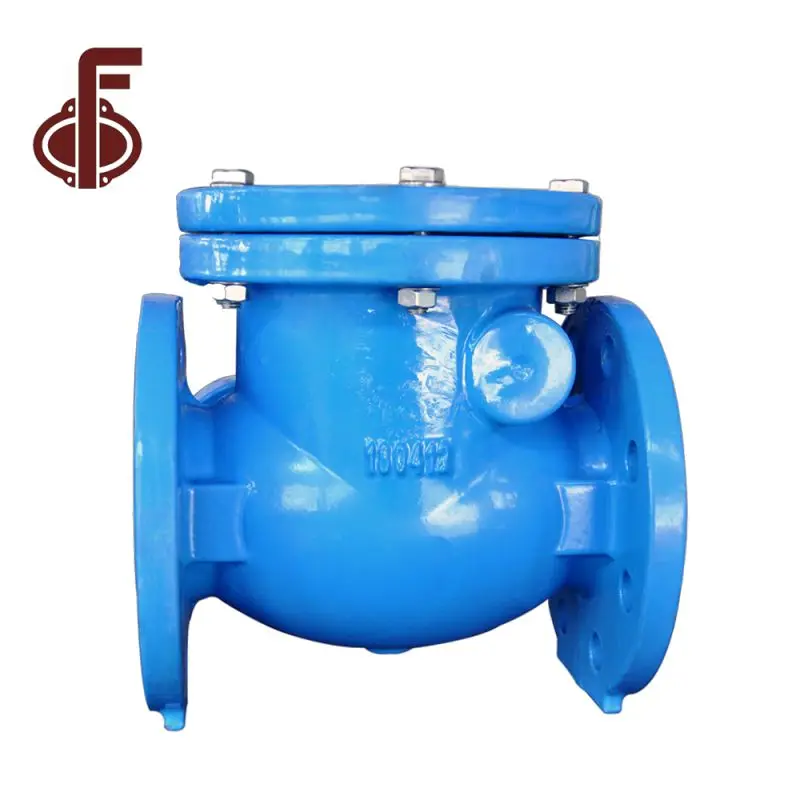
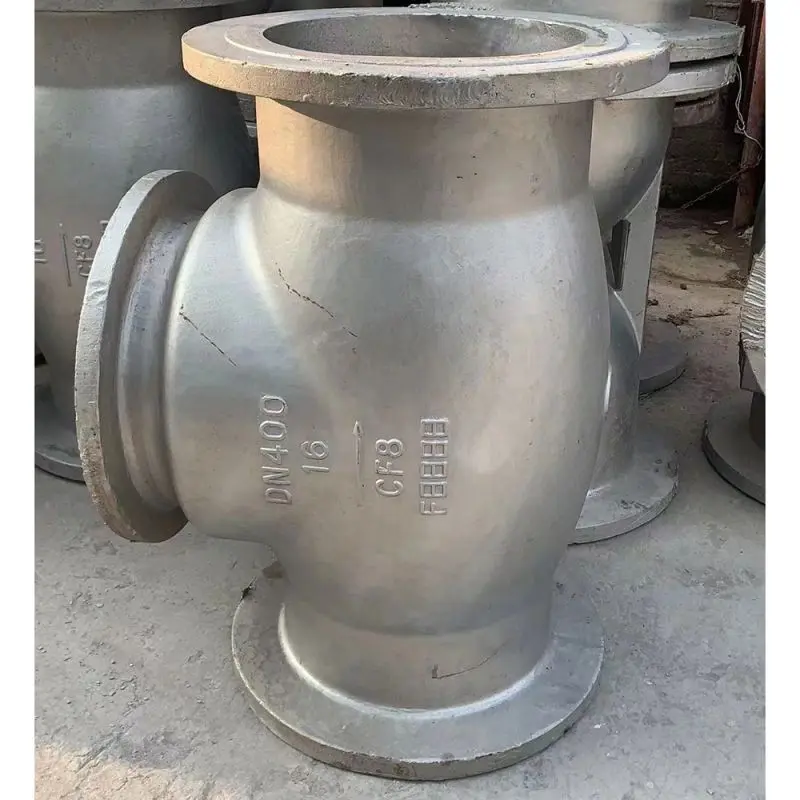
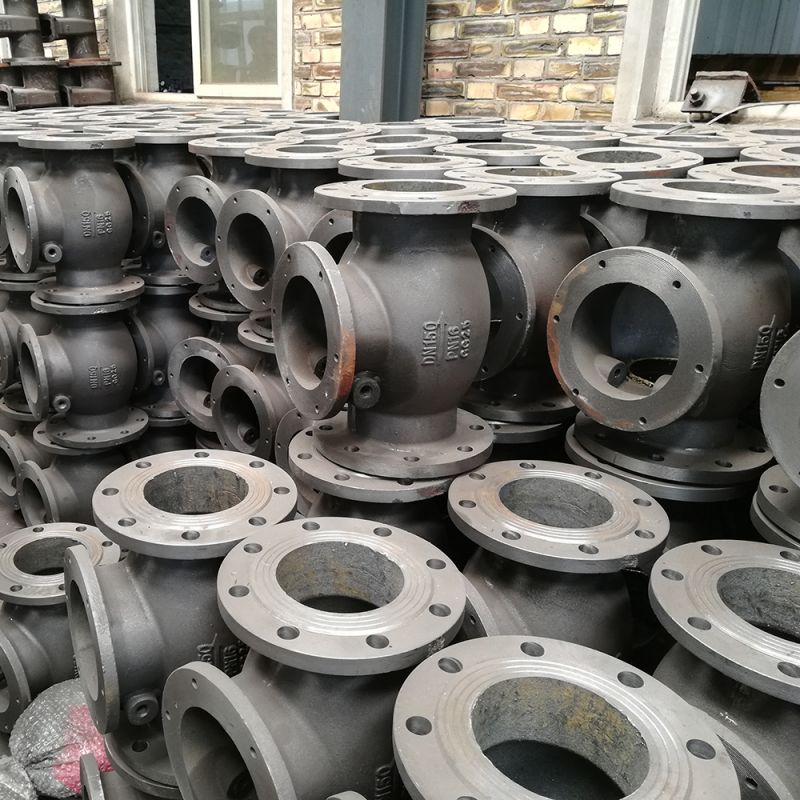
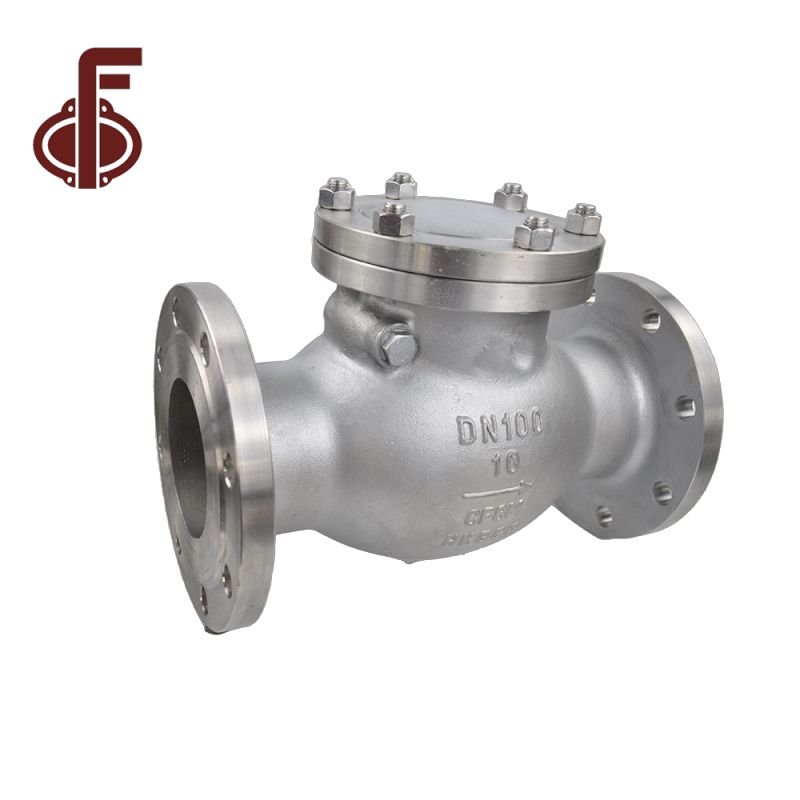
Technical Specifications & Material Standards
| Size & Pressure Rating & Standard | |
|---|---|
| Size | DN50-DN600 |
| Pressure Rating | PN6, PN10, PN16, CL150-600 |
| Face to Face STD | API609, BS5155, DIN3202, ISO5752 |
| Connection STD | PN6, PN10, PN16, DIN 2501 PN6/10/16, BS5155 |
| Material | |
| Body | Cast Iron(GG25), Ductile Iron(GGG40/50), Carbon Steel(WCB A216), Stainless Steel(SS304/SS316/SS304L/SS316L), Duplex Stainless Steel(2507/1.4529), Bronze, Aluminium Alloy. |
| Disc | DI+Ni, Carbon Steel(WCB A216), Stainless Steel(SS304/SS316/SS304L/SS316L), Duplex Stainless Steel(2507/1.4529), Bronze, DI/WCB/SS coated with Epoxy Painting/Nylon/EPDM/NBR/PTFE/PFA |
| Stem/Shaft | SS416, SS431, SS304, SS316, Duplex Stainless Steel, Monel |
| Seat | NBR, EPDM/REPDM, PTFE/RPTFE, Viton, Neoprene, Hypalon, Silicon, PFA |
Frequently Asked Questions (FAQ)
The check valve functions automatically using fluid flow force to prevent medium backflow, protect pumps and driving motors from reverse rotation, and stop the unintended discharge of media from system containers.
Depending on the material configuration chosen, they can be utilized for water, steam, oil, nitric acid, acetic acid, strong oxidizing media, and urea across petrochemical, power, metallurgy, light industry, and food sectors.
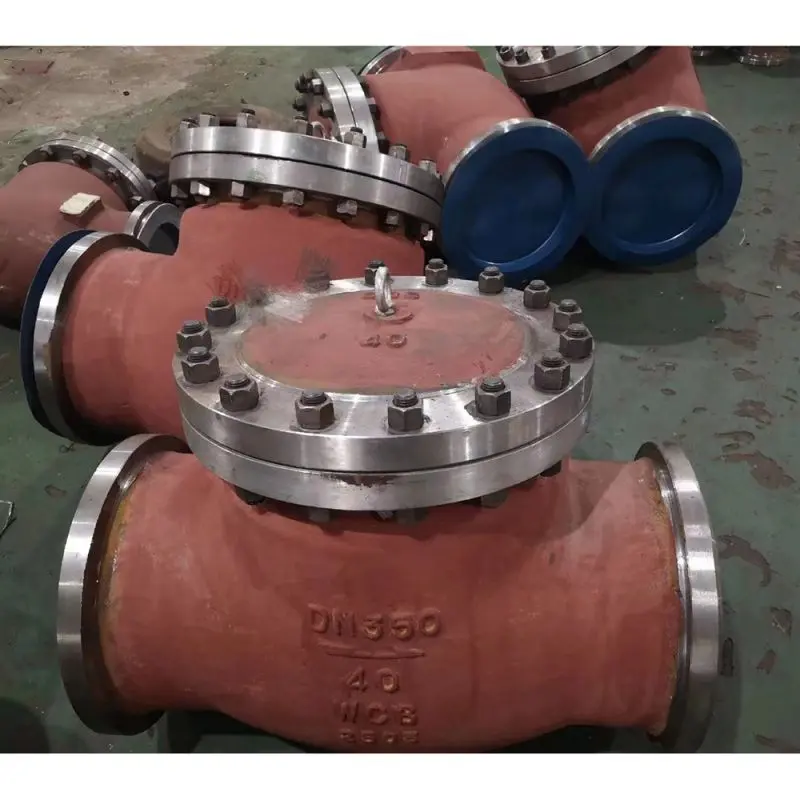
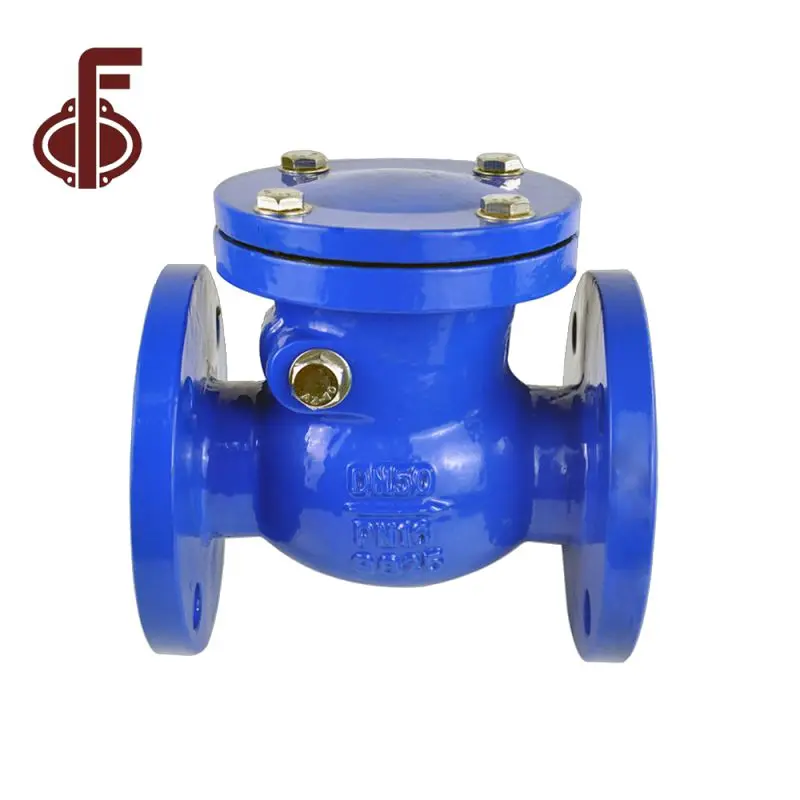
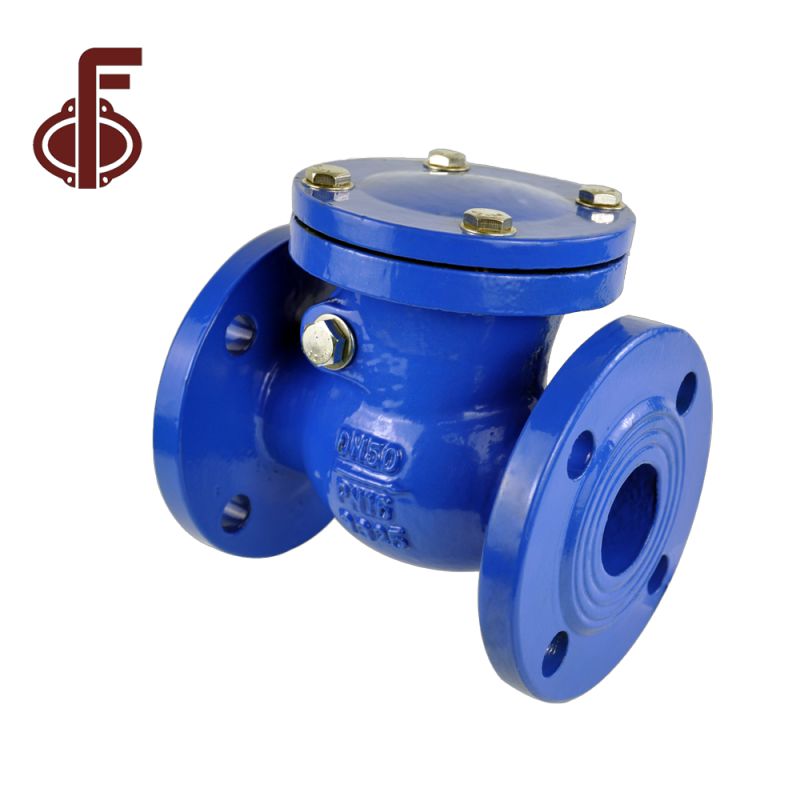
It utilizes a built-in rocker arm swing design where all moving internal components are kept inside without penetrating the valve body. Except for the middle flange gasket and sealing ring, there are no external leakage points.
Swing check valves are engineered specifically for clean media and are not recommended for media containing solid abrasive particles or having high viscosity.
The valves cover nominal dimensions from DN50 to DN600, with operating pressure ratings across PN6, PN10, PN16, and Class 150 to Class 600.
Face-to-face dimensions follow API609, BS5155, DIN3202, and ISO5752, while connection standards conform to PN6, PN10, PN16, DIN 2501, and BS5155.