
Primary Industrial Flow Equipment Showcase
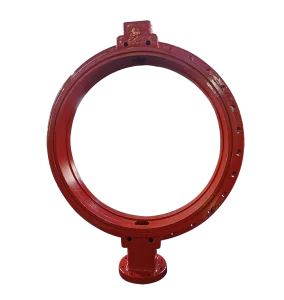
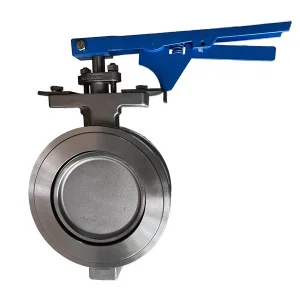
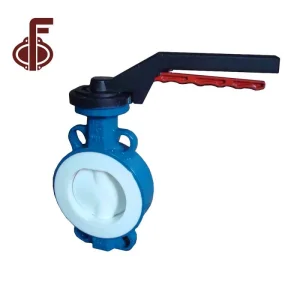
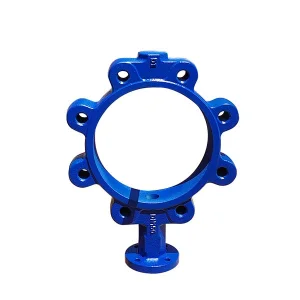
Explore heavy-duty butterfly, gate, and fully welded steel ball valves engineered directly at our modern manufacturing base.
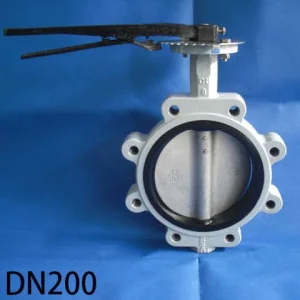
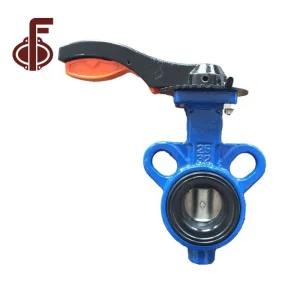
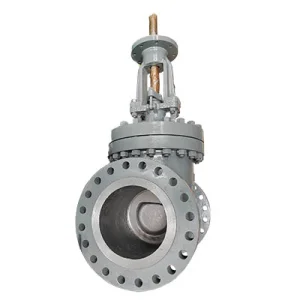
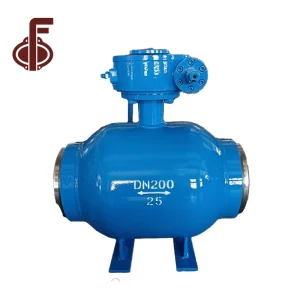
Engineering Architecture of Fully Welded Ball Valves in Modern Energy Grids
In high-pressure natural gas transmission, urban district heating, and hydrogen-blend networks, structural integrity is paramount. Fully welded ball valves replace flanged mechanical body joints with continuous automated welds, eliminating potential leak paths to the environment.
Monolithic Welded Body Architecture
Fabricated carbon steel (ASTM A105, A350 LF2, or A694 F52/F60/F65) bodies are joined via Submerged Arc Welding (SAW) or Narrow Gap TIG. The absence of heavy intermediate body flanges slashes overall weight, prevents pipe stress transfer, and guarantees zero fugitive emissions during thermal cycling.
Trunnion-Mounted Dynamic Sealing
Engineered for high differential pressures, trunnion-mounted balls transfer fluid forces into dedicated upper and lower stem bearings rather than the seat rings. Spring-energized self-relieving seats ensure low operating torque and bi-directional bubble-tight sealing (API 598 / ISO 5208 Rate A).
Corrosion Immunity & Direct Burial
Equipped with extended stems and pre-configured polyurethane or solvent-free epoxy external coatings, these valves are designed for direct underground burial without inspection pits. Redundant emergency sealant injection ports for both stem and seats allow active maintenance under full working pressure.
| Technical Parameter | Gas Transmission Standard | District Heating (HVAC) Standard | Cryogenic / Severe Service |
|---|---|---|---|
| Design Code | API 6D, ISO 14313, ASME B16.34 | EN 488, EN 12266, BS 5351 | BS 6364, MESC SPE 77/200 |
| Nominal Diameter | DN50 – DN1400 (2" – 56") | DN15 – DN1200 (½" – 48") | DN25 – DN600 (1" – 24") |
| Pressure Rating | ASME Class 150 to Class 900 (PN20–PN150) | PN 16 to PN 40 | ASME Class 150 to Class 600 |
| Body Materials | A105, A350 LF2, A694 F52/F60/F65 | P235GH, Carbon Steel ST37.8, WCB | Stainless Steel 316L, Inconel 625 overlay |
| Primary Seat Inserts | Devlon V-API, PEEK, PTFE+C, Metal-to-Metal | PTFE + 20% Carbon, EPDM back-ring | PCTFE (Kel-F), Stellite Hardfaced Metal |
| Testing Protocols | API 6D Annex B, ISO 5208 Rate A (Hydro/Gas) | EN 12266-1 P10, P11, P12 | High-pressure He Mass Spectrometer leak test |
China Factory 4.0: Supply Chain Resilience & Modern Production
How cutting-edge robotics, automated narrow-gap welding, and rigorous metallurgical controls elevate Chinese valve manufacturing to top-tier global compliance.
Integrated Metallurgical Traceability
From raw forging bar stock to body shell plates, all heats undergo automated chemical spectrograph analysis and Charpy V-Notch impact testing at -46°C. Full 3.1 certification per EN 10204 is linked to laser-etched serial identifiers, ensuring digital material visibility for international EPCs.
Automated Narrow-Gap Multi-Wire Welding
Chinese valve production hubs leverage multi-axis automated robotic welders using submerged arc welding (SAW) and flux-cored arc welding (FCAW). Thermal control during seam welding prevents seat distortion, while real-time ultrasonic and phased-array NDT verify defect-free structural fusion.
Strategic Coastal Port Clusters
Headquartered in major valve manufacturing belts such as Tianjin and coastal corridors, manufacturers capitalize on comprehensive local casting, forged flange supply lines, and rapid deep-water container terminal shipping. This eliminates logistic bottlenecks and shortens delivery cycles by up to 35%.
Worldwide Deployment Scenarios: Meeting Critical Infrastructure Demands
Across continents, pipeline engineers choose fully welded construction to withstand ground shifting, severe winter freezing, and long-term corrosive soil conditions.
Cross-Border Gas Trunklines
Mainline block valves designed for high-pressure natural gas lines. Full-bore configuration allows uninterrupted intelligent PIGging inspections and minimal pressure drop across thousands of kilometers.
District Energy & Urban Heating
Pre-insulated, directly buried steam and superheated water lines up to 200°C. Resilient carbon-filled PTFE seats and stem extension spindles allow direct asphalt paving without concrete manhole chambers.
Refinery Tank Farm Manifolds
Crude oil transfer headers and gas fractioning depots requiring fire-safe certification to API 607 / ISO 10497. Monolithic welded shell protects storage assets against uncontrolled thermal expansion leaks.
Hydrogen & Decarbonization Grids
Advanced non-destructive helium tight testing guarantees containment of fugitive hydrogen blends up to 20% vol, supporting future-proof clean energy transition mandates in Europe and North America.
Structural Valve Comparison: Fully Welded vs. Three-Piece vs. Flanged Top-Entry
A technical guide for piping designers, engineering heads, and EPC procurement leads to evaluate mechanical trade-offs.
| Evaluation Vector | Fully Welded Body Valve | 3-Piece Bolted Body Valve | Top-Entry Bolted Valve |
|---|---|---|---|
| External Leakage Risk | Zero Potential Paths (Continuous full penetration weld) | Medium (Requires secondary flange gaskets) | Low-Medium (Bolted bonnet joint seal) |
| Structural Weight | Lightest (No heavy bolting or companion flanges) | Heavy (Bolting, flange thickness required) | Heaviest (Massive one-piece casting/forging) |
| Underground Direct Burial | Optimal (Requires zero civil manhole infrastructure) | Not recommended (Prone to gasket corrosion) | Possible, but requires expensive surface vault |
| Piping Stress Tolerance | Superior (Weld seams match pipe yield characteristics) | Sensitive (Uneven loads induce gasket weeping) | High (Stiff casting structure) |
| Online In-Line Serviceability | Emergency sealant injection; non-rebuildable in ditch | In-line rebuildable after line depressurization | Full in-line internal rebuild capability |
| Total Cost of Ownership (30 Yr) | Lowest (Zero civil maintenance, no gasket changes) | Moderate to High (Periodic seal replacement) | High Initial Capex; Moderate Opex |
Frequently Asked Questions: Global Procurement & Engineering Specs
Key clarifications regarding weld procedures, API compliance, field installation, and material certifications.
What are the key advantages of a fully welded ball valve over bolted bodies for underground installation?
Which international fire-safe and emission standards do your valves comply with?
How does the factory prevent thermal damage to the soft seats during the welding process?
Can these valves support automated double block and bleed (DBB) verification in the field?
What non-destructive examination (NDE) methods are conducted prior to factory release?
Engineered Specialized Industrial Valves
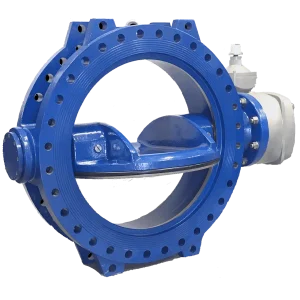
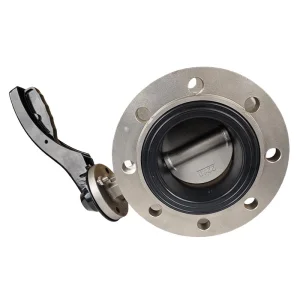
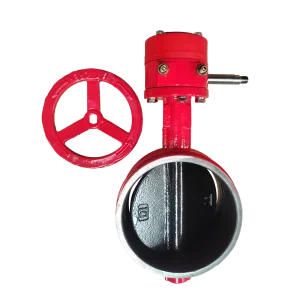
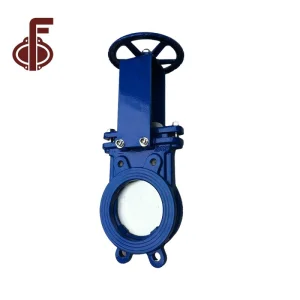
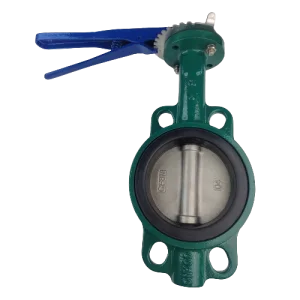
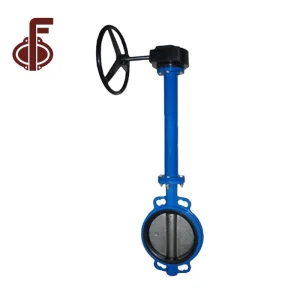
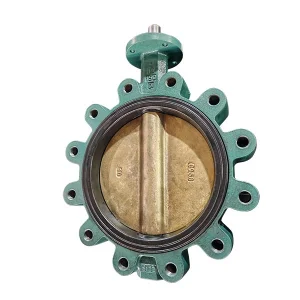
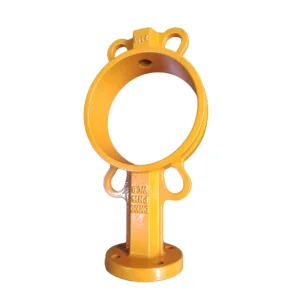
Review additional configurations including double eccentric, marine-grade aluminum bronze, extension stems, and fire signal butterfly valves.
Procuring Fully Welded or Custom Industrial Valves?
Connect directly with our engineering department in Tianjin. Whether preparing EPC tenders for sub-zero gas pipelines or configuring automated butterfly valve actuators, our technical sales specialists furnish detailed GA drawings, 3D models, and comprehensive quotations within 24 hours.
