Precision Flow Isolation & Control Assemblies
Engineered to ASTM, ANSI, DIN, and ISO standards with factory-direct QA verification from our Tianjin production center.
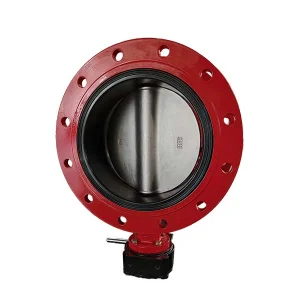
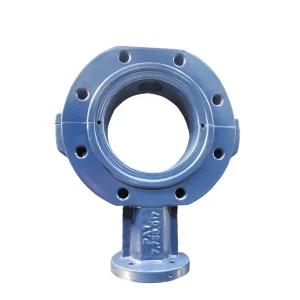
OEM Two Shaft Replaceable Seat Double Flange Butterfly Valve Manufacturers, Exporter
Configure & Quote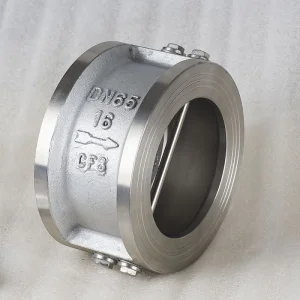
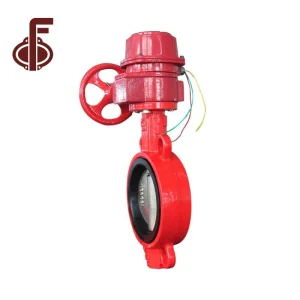
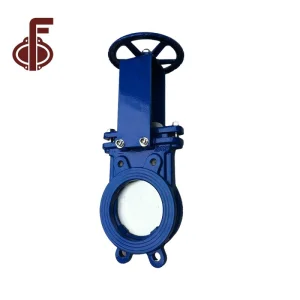

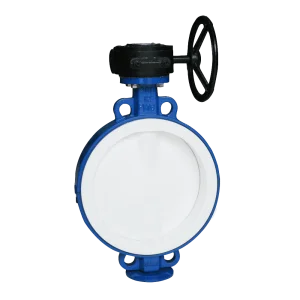
China Ductile Iron Body Worm Gear Flange Type Butterfly Valve Manufacturers, Exporters
Configure & Quote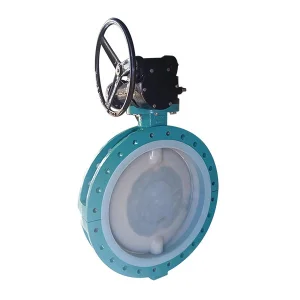
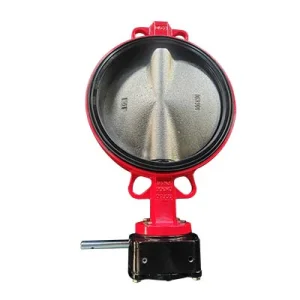
China U type Two-piece Body Silicon Rubber Disc & Seat Flange Butterfly Valve Factories, Exporter
Configure & Quote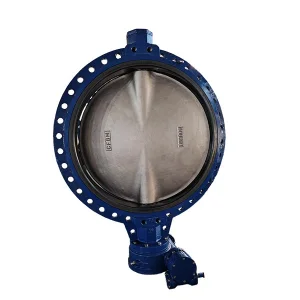
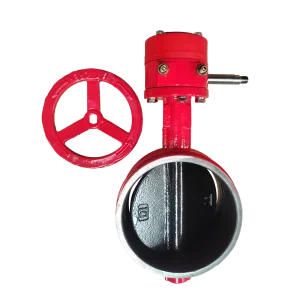
China DN1000 DI Hard Back Seat Mono Flange Butterfly Valve with Worm Gear Exporter, Exporters
Configure & QuoteThe Architecture of Modern Fluoropolymer-Lined Butterfly Valves
Overcoming permeation, vacuum collapse, and mechanical creep in severe chemical and semiconductor processing.
Corrosion Barrier Science
Traditional metallic alloys like Hastelloy C-276, Monel, and Titanium are prohibitively expensive and remain vulnerable to specific oxidizing acidic chemistries. A precision PTFE / PFA lined butterfly valve isolates the structural ductile iron (GGG40.3 / ASTM A395) or carbon steel (WCB) pressure vessel from aggressive media, achieving unmatched chemical inertness at a fraction of exotic alloy life-cycle costs.
- Isostatic compression molded PTFE for uniform crystal density
- Transfer molded PFA disc encapsulation with mechanical interlocking dovetails
- Hydrophobic surface finish preventing crystalline scaling and slurry buildup
Dynamic Dual-Seal Engineering
The primary sealing boundary in our concentric lined butterfly valves is achieved through continuous interference fit between the spherically contoured disc edge and the molded elastomer-energized liner. Secondary dynamic shaft sealing integrates self-adjusting Belleville spring washers and dual O-rings to eliminate fugitive atmospheric emissions.
- Wide radius sealing contour minimizes dynamic operating friction torque
- Resilient elastomer backing (Silicone / FKM / EPDM) compensates for thermal cyclic creep
- Zero-leakage bi-directional shutoff complying with EN 12266-1 Rate A & API 598
Vacuum Anchor Mechanics
In thermal evaporation processes and distillation towers, standard drop-in liners suffer rapid inward buckling under vacuum conditions. Our factory utilizes engineered T-slot dovetail grooves and mechanically knurled disc substrates to lock the fluoropolymer lining in place, ensuring operational integrity under full absolute vacuum down to 10-2 mbar.
- Locked-in disc encapsulation resists negative pressure stripping
- Continuous body liner anchor channels preventing liner deformation
- Thermal cycle stability across -40°C to +200°C continuous operation
Comparative Fluoropolymer & Polymer Liner Thermodynamics
Engineered guidance for valve sizing specialists, EPC pipe designers, and procurement managers.
| Polymer Lining Code | Continuous Operating Temp Range | Tensile Strength & Permeation Resistance | Chemical Compatibility Strengths | Severe Service Limitations |
|---|---|---|---|---|
| Virgin PTFE (Polytetrafluoroethylene) |
-40°C to +180°C (-40°F to +356°F) |
Tensile: 28-35 MPa Moderate permeation resistance; ideal thickness ≥3.5mm |
Universal chemical inertness; 98% Sulfuric acid, Aqua Regia, Nitric acid, Hydrofluoric acid (HF) | Susceptible to plastic cold flow under intense point-load bolt compression; requires live loading. |
| High-Purity PFA (Perfluoroalkoxy) |
-50°C to +200°C (-58°F to +392°F) |
Tensile: 30-40 MPa Extremely low permeation; high melt processability |
Wet Chlorine gas, Ultra-pure acids, Semiconductor wet etch reagents, Chlor-Alkali caustic streams | Higher raw material cost; requires precision multi-cavity transfer molds to avoid thermal voids. |
| Melt-Process FEP (Fluorinated Ethylene Propylene) |
-40°C to +150°C (-40°F to +302°F) |
Tensile: 20-25 MPa High dielectric strength; transparent visual structure |
Hydrochloric acid (HCl), Dilute mineral acids, Industrial bleaching chemicals, pickling lines | Lower continuous thermal ceiling than PFA; lower mechanical wear resistance to abrasive slurries. |
| Ultra-Wear UHMWPE (Ultra-High Molecular Weight PE) |
-30°C to +90°C (-22°F to +194°F) |
Tensile: 40-50 MPa Superior abrasion resistance (exceeds steel by 4x) |
Phosphoric acid slurries, Mining tailings, Titanium Dioxide (TiO₂) processing, Lime slurries | Vulnerable to strong oxidizing acids (Hot concentrated Nitric acid); restricted to low-temperature lines. |
| Polyolefin / PO (Polyolefin Copolymer) |
-20°C to +80°C (-4°F to +176°F) |
Tensile: 18-24 MPa High impact resistance; economical elastomer alternative |
Desalination brine, municipal wastewater, mild acid transfer, raw sewage piping systems | Degrades rapidly in aromatic hydrocarbons, chlorinated solvents, and temperatures above 85°C. |
Spark Testing & Dielectric Integrity QA Protocol
Every single lined butterfly valve produced in our facility undergoes strict 100% non-destructive high-voltage spark testing in compliance with ASTM G62, DIN EN 14430, and ISO 21809. By generating an adjustable direct-current electrostatic potential (14 kV to 20 kV based on liner gauge), our calibrated probes scan the full interior body liner and disc surface. Any microscopic pinhole, inclusion, crack, or thin spot creates an immediate electrical breakdown trigger, isolating defective components prior to assembly.
Isostatic Compression vs. Transfer Injection Molding
Unlike budget valve manufacturers who utilize low-grade scrap regrind or skived sheets, our factory exclusively operates heavy automated isostatic hydraulic compression presses and computer-controlled PFA injection transfer systems. This guarantees maximum molecular weight retention, zero micro-porosity, high flexural fatigue endurance, and exceptional permeation resistance when handling low-molecular-weight gases such as Chlorine (Cl₂), Fluorine (F₂), and anhydrous Hydrogen Chloride (HCl).
Severe Service Mission-Critical Implementations
Engineered installations operating under extreme chemical, thermal, and abrasive stresses across the globe.
Chlor-Alkali & Wet Chlorine
Cell houses and bleach production lines subject valve metals to rapid galvanic destruction and catastrophic pitting. Our PFA fully lined wafer and lug butterfly valves feature non-wetted 17-4PH / Duplex stems and virgin fluoropolymer bodies that completely eliminate chlorine gas permeation, preventing catastrophic shaft seizure and unscheduled line downtime.
Semiconductor Wet Bench Etching
High-purity wet chemical etching lines utilize severe mixtures of Hydrofluoric acid (HF), Hydrochloric acid (HCl), and Nitric acid (HNO₃). Our ultra-clean PFA lined valves are molded in Class 10,000 cleanroom environments, preventing trace metal ion extraction and nanoparticle contamination to maintain 100% compliance with SEMI F57 fluidic standards.
Mining Acid Leaching & Hydrometallurgy
Extracting copper, lithium, and gold requires handling sulfuric acid liquors at elevated temperatures blended with high-velocity abrasive particulate tailings. Our UHMWPE and modified composite PFA lined butterfly valves provide exceptional resistance against dual-mechanism erosion-corrosion, extending service life by over 300% compared to rubber-lined gate valves.
Pharmaceutical & Biotechnology
Fermentation, active pharmaceutical ingredient (API) synthesis, and sanitary CIP/SIP lines require full drainability and zero bacterial traps. Our cavity-free, polished PFA/PTFE full-lined valves comply with FDA 21 CFR 177.1550 and USP Class VI biopolymer cytotoxicity certifications, withstanding rigorous steam sterilization cycles up to 135°C without liner deformation.
FGD Flue Gas Desulfurization
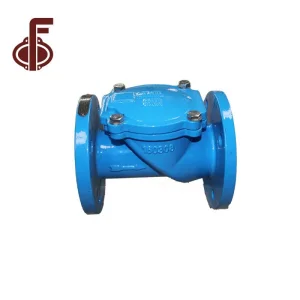
Coal-fired thermal power stations and waste incineration plants scrub exhaust gases using corrosive limestone slurries rich in chlorides, fluorides, and sulfuric acid condensates. Rubber-flap check valves and rubber/PTFE lined butterfly valves provide the vital sealing resilience required to prevent slurry backflow and severe pipeline wall thinning.
SWRO Seawater Desalination
High-pressure seawater reverse osmosis demands corrosion immunity against hyper-saline brine at high operating velocities. Ductile iron bodies encapsulated with EPDM and high-integrity PTFE or Super Duplex 2205 discs deliver resilient cavitation resistance and eliminate galvanic corrosion without the capital expenditure of full duplex alloy piping systems.
Chinese Manufacturing Ecosystem & Cost-Efficiency Superiority
How the Tianjin industrial valve cluster achieves global supply chain resilience, high precision, and accelerated lead times.
Vertical Foundry & Machine Integration
Situated in the heart of Northern China’s premier valve casting corridor in Tianjin, our manufacturing campus integrates captive green sand casting, precision shell molding, and CNC multi-axis machining centers. By producing ductile iron (GGG40, GGG50), WCB, and CF8M valve shells in-house, we eliminate casting porosity, maintain metallurgical batch traceability, and insulate international buyers from foundry sub-tier delays.
High Lead-Time Compression
Western and European valve brands routinely quote 18 to 32 weeks for specialized lined butterfly valves. Leveraging China's complete regional fluoropolymer supply chain—from virgin tetrafluoroethylene resin synthesis to in-house compression sintering—our factory reduces production cycles to 3 to 5 weeks for standard wafer/lug models and 6 to 8 weeks for custom large-diameter (up to DN1200 / 48") engineered packages.
Tianjin Xingang Maritime Logistics Hub
Our proximity to Tianjin Port (Xingang)—the largest comprehensive maritime gateway in Northern China—allows containerized valve shipments to clear customs and dispatch across direct Pacific, European, and Middle Eastern shipping routes with zero inland rail demurrage. Fully seaworthy fumigated timber packing with interior moisture-barrier vacuum foil protects critical valve surfaces throughout international sea transit.
Global Industrial Landscape & Total Cost of Ownership (TCO)
Why Tier-1 EPC contractors and global process operators are transitioning from legacy Western brands to verified Chinese manufacturers.
Capital Expenditure (CAPEX) vs Life Cycle Analysis
Historically, plant engineers specified exotic metallic alloys (Titanium Grade 2, Hastelloy C, Inconel 625) for corrosive process streams, driving piping CAPEX to unsustainable levels. Modern virgin PTFE/PFA lined butterfly valves achieve identical or superior chemical resistance at approximately 25% to 35% of the alloy purchase cost. Furthermore, standardized two-piece split-body designs allow rapid seat and disc replacement during scheduled turnaround outages, slashing lifecycle replacement expenditure by more than 60%.
OEM Private Label & Project Standardization
Global flow control distributors, actuation packaging houses, and international EPC consortiums face intensifying margin compression. As a specialized OEM manufacturer, we provide tailored casting patterns with custom trademark embossing, specialized color polyurethaning/epoxy coatings for marine environments (C5-M certified), direct-mount ISO 5211 actuator top works, and complete mill test certifications (EN 10204 3.1) enabling seamless project-specific compliance under our partners' proprietary branding.
Next-Generation Polymer Flow Technologies
Pioneering smart diagnostic actuation, nanocomposite fluoropolymers, and emissions-free green infrastructure.
Carbon-Nanotube Antistatic Liners
In explosive atmosphere (ATEX Zone 0/1) chemical processing, conventional fluoropolymers build dangerous electrostatic surface charges during high-velocity solvent transfer. Our R&D laboratory has formulated conductive PFA/PTFE blends incorporating dispersed carbon nanotubes, maintaining electrical surface resistivity < 106 Ω without compromising chemical corrosion resistance.
IoT Predictive Torque & Wear Sensors
Integration of embedded micro-strain gauge arrays within the valve stem packing and disc drive square enables real-time torque curve monitoring. By comparing dynamic breakout torque against automated baselines via Modbus / WirelessHART telemetry, plant operators receive automated alerts before seat elastomer crystallization or liner erosion leads to through-valve seat leakage.
Decarbonized Sintering & Clean Foundry
Aligning with global Net-Zero environmental imperatives, our factory has migrated 100% of its curing and sintering furnaces from electric resistance heating to closed-loop induction thermal ovens powered by localized solar microgrids. Zero-effluent closed water cooling for vulcanization systems guarantees compliance with the most stringent global ESG procurement benchmarks.
Engineering Selection Guide: Wafer, Lug, and Flanged Connections
Crucial considerations for piping layout, end-of-line isolation, dynamic water hammer, and actuator torque safety margins.
Wafer Pattern (Concentric)
Clamped securely between matching pipeline flanges using through-stud bolts. Wafer valves are the most economical, lightweight, and compact flow isolation solution. However, piping engineers must note that wafer valves cannot be used for dead-end or pipeline terminal service where downstream equipment requires removal under line pressure.
Full Lug Pattern (Threaded)
Equipped with individual drilled and tapped bolt holes corresponding to ANSI Class 150 or PN10/16 flange ratings. Full-lug lined valves permit dead-end downstream maintenance isolation, allowing downstream pipe dismantling while maintaining full system pressure upstream, crucial for chemical pumping skids and batch reaction vessels.
Double Flange & U-Section
Features integral bolted flanges at both ends. Preferred for large nominal pipe diameters (DN350 through DN1200 / 14" to 48") and heavy wall GRP/FRP plastic pipelines where excessive through-bolt thermal expansion or flange clamping stress must be carefully isolated from the soft polymer liner to prevent flange gasket extrusion.
Actuator Sizing Formula & Safety Factor Recommendation
When pairing pneumatic actuators, electric multi-turn drives, or worm gearboxes with lined butterfly valves, standard catalog hydrodynamic torques must be adjusted. Because fluoropolymer-to-fluoropolymer seat interference generates higher static friction than lubricated elastomer-to-metal seating, specify the minimum actuator output torque ($T_{\text{act}}$) using:
For dry gases, crystallizing lime slurries, or low-frequency operation (cycles > 30 days apart where PTFE cold creep increases static breakaway friction), always specify a safety factor of no less than 1.45.
Frequently Asked Questions (FAQ)
Authoritative technical responses to the most critical inquiries raised by global engineering teams and valve procurement directors.
1. How does our factory prevent fluoropolymer liner collapse under continuous vacuum service?
2. What is the fundamental operational difference between virgin PTFE and PFA in lined butterfly valves?
3. Which international testing standards govern the inspection of ZFA lined valves prior to export?
4. How does the factory eliminate stem leakage and satisfy zero fugitive emission standards?
5. Can your lined butterfly valves be directly retrofitted with pneumatic or electric actuators?
6. What material options are available for the inner metallic core of the encapsulated disc?
7. What is the typical lead time for custom OEM brand orders and project documentation?
8. Why is a two-piece split body construction preferred for lined butterfly valves?
9. How does our factory ensure compliance with FDA and pharmaceutical sanitary standards?
10. What packing and anti-corrosion protection are utilized for international sea container shipments?
Specialized Industrial Valves & Actuation Packages
Expanded configurations engineered for specialized chemical, fire, marine, and high-velocity piping infrastructures.
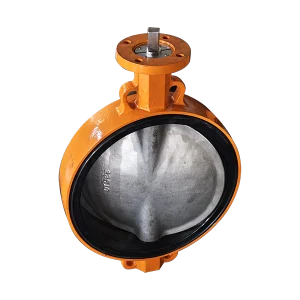
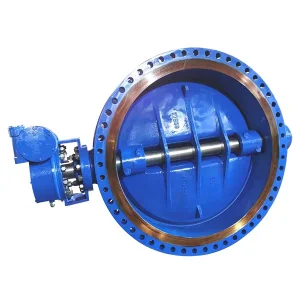
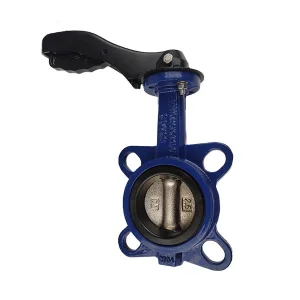
China Casting Iron Body EPDM Hard Back Seat Wafer Butterfly Valve Manufacturers, Exporter
Configure & Quote