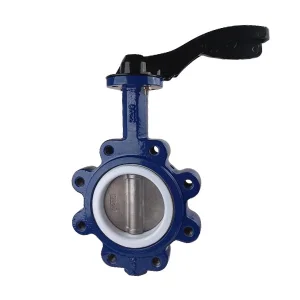
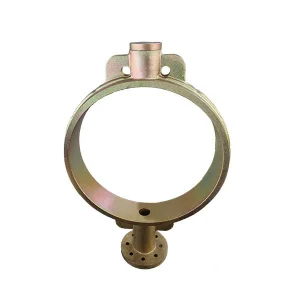
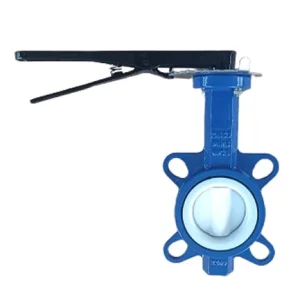
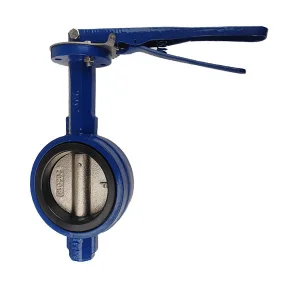
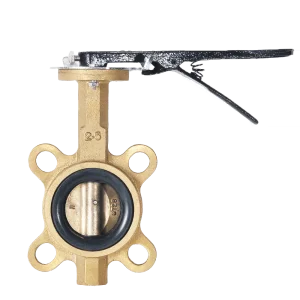
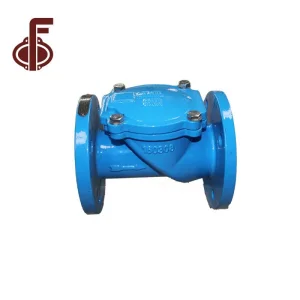
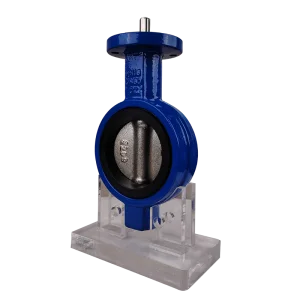
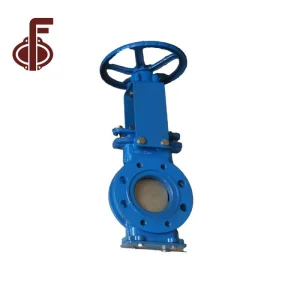
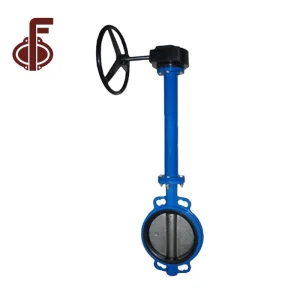
Standard & Heavy-Duty Resilient Seated Valves
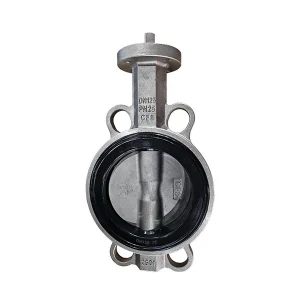
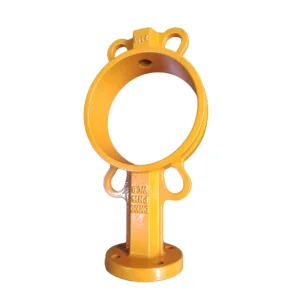
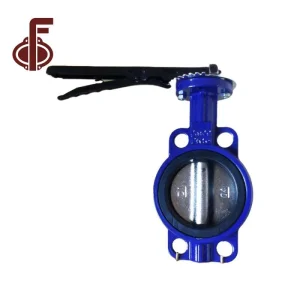
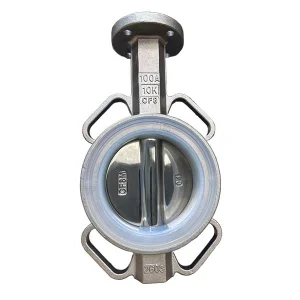
Explore initial core series configurations built for municipal pipelines, HVAC loops, and continuous chemical handling.
Commercial Status of Low-Pressure (LP) Butterfly Valves
Navigating the transition toward high-reliability, zero-emission fluid handling in energy, cooling, and water sectors.
Supply Chain Realignment
Global engineering procurement teams in North America, Western Europe, and the Middle East are re-evaluating sourcing channels. Factory-direct partnerships with certified Chinese valve manufacturers deliver decisive advantages in procurement cost-efficiency without compromising metallurgical integrity.
- Elimination of multiple intermediaries in project bidding
- Direct oversight on raw iron and stainless ingot melt certifications
- Guaranteed batch uniformity for civil engineering tenders
Fugitive Emission & Sealing Demands
Environmental accords such as ISO 15848-1 and TA-Luft are driving significant structural modifications in low pressure (LP) concentric and eccentric butterfly valves. Concentric resilient-seated configurations are engineered to prevent stem leakage under fluctuating thermal loads.
- Secondary elastomeric stem O-rings to stop atmospheric ingress
- Blowout-proof stem architectures as standard baseline
- Precision spherical-disc machining to reduce seat abrasion
Actuation & Smart Infrastructure
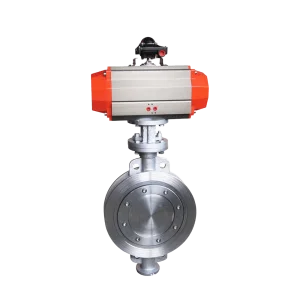
Manual lever and worm gearbox operations are increasingly superseded by low-voltage brushless electric actuators and digital fieldbus-enabled pneumatic positioners, integrating valves seamlessly into plant DCS and SCADA networks.
- Direct ISO 5211 top flange mounting eliminating custom brackets
- Modbus, Profibus, and 4-20mA HART analog control protocols
- Real-time torque monitoring to provide early wear alerts
Localized Engineering Scenarios & Environments
LP Butterfly valves serve critical isolation and modulating functions across demanding operational infrastructures.
District Cooling & Industrial HVAC
Chilled water systems (6°C to 12°C supply/return) require high-Cv wafer and lug butterfly valves that resist condensation corrosion and cavitation. Ductile iron bodies coated with electrostatically applied epoxy (min. 250 microns) paired with resilient EPDM boots prevent energy loss.
- High flow coefficients (Cv/Kv) minimizing pumping head losses
- Anti-condensation extended neck design for thermal insulation
- Bi-directional bubble-tight shutoff against dynamic surges
Municipal Water Treatment & Desalination
Potable water distribution demands strict WRAS/NSF compliance. In RO (Reverse Osmosis) desalination plants, raw seawater intake stages necessitate aluminum bronze (C95800) or duplex stainless steel (2205/2507) discs paired with high-grade vulcanized EPDM or Viton seats.
- Certified zero toxic leach for drinking water safety
- Exceptional resistance against chloride pitting and crevice corrosion
- Hard-backed seat ring construction to avoid liner collapse
Aggressive Chemicals & Microelectronics
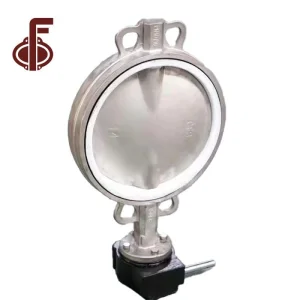
Semiconductor ultra-pure water (UPW) lines, battery electrolyte plants, and acid-chlor-alkali processes rely on fully fluoropolymer-lined butterfly valves. Thick virgin PTFE/PFA linings isolate metal casings entirely from the flowing media.
- Pure virgin PTFE lining with minimum 3mm thickness
- Mirror-polished CF8M disc encapsulated with high-density PFA
- Silicone rubber or Viton energizers ensuring continuous seat loading
Technical Roadmap & Metallurgy Horizons
Anticipating next-generation flow control challenges through continuous mechanical and materials science innovation.
Polymer & Elastomer Nano-Composites
Traditional EPDM and NBR liners exhibit degradation when subjected to combined chloramine treatment and high thermal cycling. R&D efforts focus on graphene-enhanced elastomer formulations yielding double the cycle life, reduced compression set, and improved tensile retention across 100,000 actuations.
Low-Torque Computational Hydrodynamics
By running comprehensive transient CFD (Computational Fluid Dynamics) simulations, valve disc profiles are continuously refined to minimize drag and cavitation vortices. A 15% to 25% reduction in dynamic operating torque permits downsized actuators, reducing total CAPEX and electrical footprint in large-scale plants.
Embedded IoT Predictive Analytics
Next-generation smart LP butterfly valves incorporate wireless edge sensors within the yoke area. Real-time vibration, torque signatures, and ambient thermal gradients are processed on-premise, allowing plant operators to implement predictive maintenance routines before sealing degradation occurs.
Turnkey Manufacturing & EPC Frameworks
From foundry metallurgical verification to documented non-destructive examination (NDE).
Quality Control & Testing Traceability
Every LP butterfly valve order manufactured in Tianjin is subjected to hydro-testing adhering strictly to EN 12266-1 and API 598. Shell tests at 1.5x nominal pressure and seat leak tests at 1.1x nominal pressure are documented with EN 10204 3.1 material test certificates (MTR) covering spectral chemical composition and mechanical tensile stress tests.
Global Export Logistics & Packaging
Valves are fitted with flange face protectors, bagged against marine salt mist corrosion, and secured in fumigated multi-layer plywood cases designed to endure long-distance ocean voyages. Standardized production scheduling guarantees 20 to 35-day dispatch turnaround for volume orders.
OEM Private Labeling & Sourcing Flexibility
Supporting international valve brands with turnkey OEM solutions: customized pattern casting, laser body engraving, tag plate personalization, and project-specific ral-color epoxy finishes. Spare components such as loose liners, disc-stem assemblies, and handles are maintained in stock for prompt supply.
Frequently Asked Technical Questions (FAQ)
Expert answers addressing the selection, engineering tolerances, and compliance of LP butterfly valves.
In industrial piping systems, Low Pressure (LP) typically refers to systems operating within PN6, PN10, PN16, and ASME Class 125/150 standards (up to 20 bar / ~285 psi). Concentric resilient-seated butterfly valves excel in this range by providing bubble-tight shutoff with lower operational torque and reduced weight compared to heavy gate or ball valves.
Wafer bodies are clamped between two pipe flanges and are the most lightweight and economical option. However, Lug type butterfly valves feature drilled and tapped lugs, enabling dead-end service where downstream pipe sections can be detached for equipment maintenance while line pressure is maintained upstream.
Precision spherical disc edge machining and mirror-polishing reduce the coefficient of friction against the elastomer seat liner during sealing engagement. This minimizes seat tearing, prevents rubber vulcanization blistering, and reduces operating break-torque by up to 25% over extended lifecycle cycling.
Standard configurations (Ductile Iron + EPDM/NBR in sizes DN50 to DN600) ship within 15 to 25 days. Customized requirements, such as special bronze or duplex discs, pneumatic automation packages, or private-label custom castings, normally complete factory acceptance testing within 30 to 45 business days.
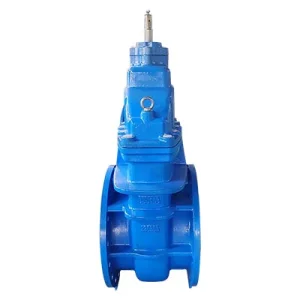
Heavy-Duty Process & Specialty Isolation Valves
High-integrity solutions engineered for abrasive slurries, hot oils, and corrosive industrial infrastructure.