Integrated Strainer & Pipeline Valve Portfolio
Combining heavy-duty mechanical filtration systems with full-spectrum pipeline control valves to extend pump life, prevent nozzle fouling, and ensure zero-unplanned downtime.
The Critical Role of Strainers in Modern Fluid Dynamics
In automated industrial processing, particulate contaminants such as weld slag, rust scale, pipe sediment, and precipitates present severe operational hazards to metering orifices, mechanical seals, and dynamic control valve trims.
Asset Protection Economics
Unfiltered pipeline particulates are the primary cause of premature valve seat erosion, impellor imbalance, and heat exchanger micro-channel blockage. Industrial facilities utilizing high-integrity Y-strainers and basket filters report up to a 68% decrease in unscheduled pump downtime and significantly lower maintenance overhead.
Stringent Regulatory Mandates
Global decarbonization initiatives and water conservation policies demand leak-proof operations under standards like ISO 15848-1 and API 622. ZFA manufactures strainers and valves that maintain micro-bubble seal tight performance while delivering negligible hydraulic resistance across demanding continuous-flow loops.
Integrated Process Flow loops
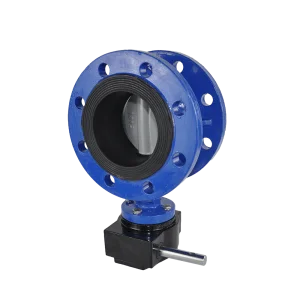
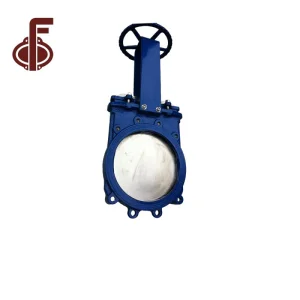
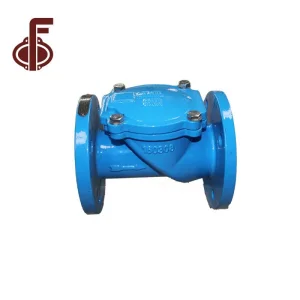
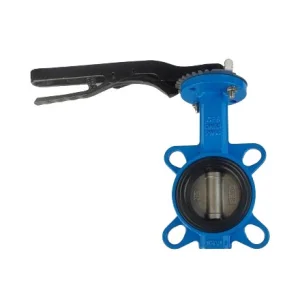
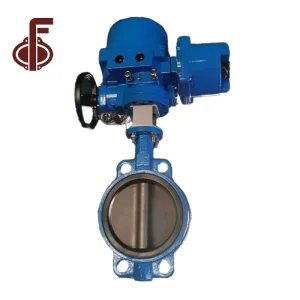
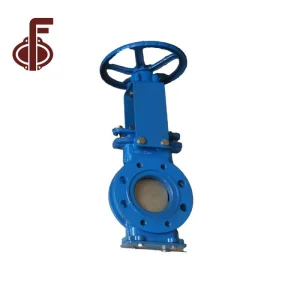
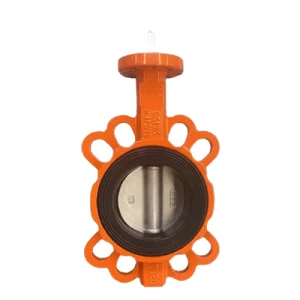
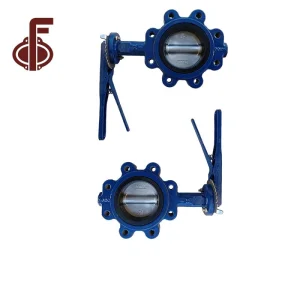
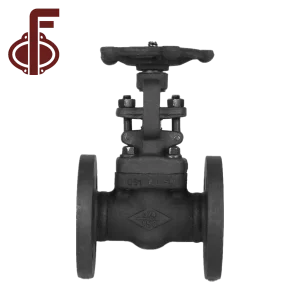
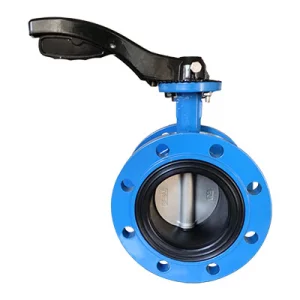
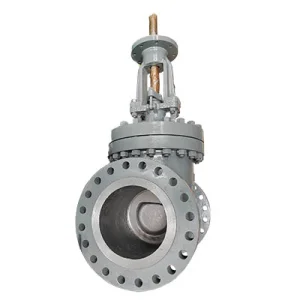
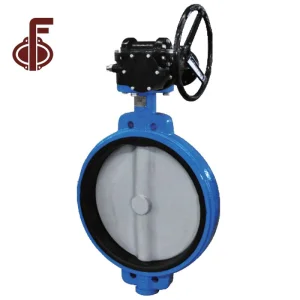
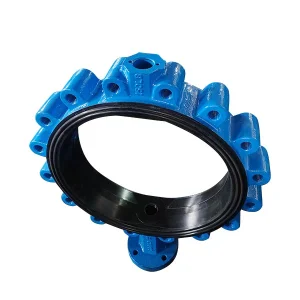
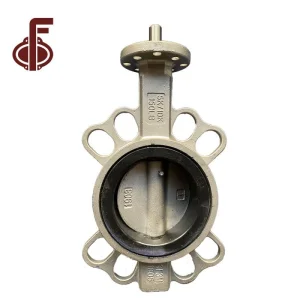
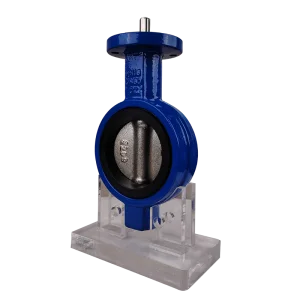
A strainer cannot operate in isolation. Peak hydraulic efficiency requires harmonic integration between Pipeline Strainers, Gate Isolation Valves, Check Valves, and Throttling Butterfly Valves. ZFA supplies end-to-end engineered assemblies from one manufacturing core.
Industrial Pipeline Strainer Engineering Specifications
Compare hydrodynamic profiles, mesh configurations, body materials, and operational envelopes to optimize filtration efficiency and minimize line pressure drops.
| Strainer Configuration | Nominal Sizes & Pressure | Body Materials | Screen Mesh Range | Optimal Media & Applications |
|---|---|---|---|---|
| Y-Type Strainer Compact In-line Filtration |
DN15–DN600 (1/2"–24") PN10 to PN40 / Class 150–600 |
Ductile Iron (GGG40/50), WCB, CF8, CF8M, Duplex SS | 20 Mesh to 400 Mesh (Perforated Sheet + Wire Mesh) | Steam lines, clean gases, compact liquid pipelines with low particulate loads; ideal upstream of control valves. |
| Simplex Basket Strainer High Solid Capacity |
DN50–DN1000 (2"–40") PN6 to PN25 / Class 125–300 |
Cast Iron, Ductile Iron, Carbon Steel, Stainless Steel | 10 Mesh to 200 Mesh (Heavy duty internal basket) | Cooling towers, pump suction lines, seawater intake, raw industrial water where debris volume is elevated. |
| Duplex Basket Strainer Continuous Operation |
DN25–DN400 (1"–16") PN10 to PN25 / Class 150 |
WCB Cast Steel, Stainless Steel 304/316 | 40 Mesh to 325 Mesh (Dual chamber diverter) | Chemical processing plants, shipboard fuel distribution, continuous lubrication loops with zero shutdown tolerance. |
| T-Type & Temporary Strainers Low Pressure Drop |
DN50–DN1200 (2"–48") Class 150 to Class 900 |
Forged Steel, Cast A216 WCB, SS316L | Perforated plates (1mm–8mm) + woven screens | Pipeline commissioning, oil & gas transport headers, power generation turbine protective inlets. |
Localized Engineering Use Cases & Application Scenarios
ZFA valve and strainer configurations are customized to regional climatic conditions, local water chemometrics, and sector-specific industrial codes across the globe.
District HVAC & Smart Cities (Europe & Central Asia)
Extreme winter conditions in European and CIS district heating grids demand ductile iron Y-strainers rated to EN1092 PN16/25 with high cyclic thermal resilience. Our strainers feature synthetic blowout gaskets and magnetic debris arrestors designed to capture iron oxide scale, protecting variable-speed circulator pumps and energy sub-meters.
Desalination & Marine Coastal Systems (Middle East & GCC)
High salinity, elevated ambient temperatures, and abrasive suspended silts in the Arabian Gulf necessitate strainers cast with Nickel-Aluminum Bronze or internally coated with high-build electrostatic epoxy. Paired with our vulcanized EPDM Seat Butterfly Valves, these units withstand crevice attack and cavitation.
Chemical Processing & Mining (North America & Australasia)
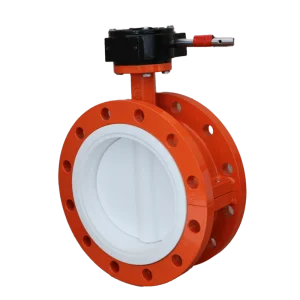
Processing acidic leachates, fine slurries, and aggressive chemicals requires specialized PTFE-lined split-body valve technology and Hastelloy/CF8M mesh screens. ZFA supplies fully integrated sets engineered to ASME B16.34 and AWWA standards that ensure total seal integrity and zero volatile emissions.
China Factory Direct: Unrivaled Supply Chain Resilience & Precision
Operating out of the premier valve manufacturing hub in Tianjin, China since 2006, Tianjin Zhongfa Valve Co., Ltd. (ZFA) integrates raw foundry capabilities, automated CNC machining, and digitized hydro-testing under unified quality governance.
Complete Foundry-to-Port Integration
Situated within 40 kilometers of Tianjin Xingang Port, our facility ensures rapid maritime logistics and complete supply chain transparency. From spectrographic melt validation to robotic electrostatic epoxy powder coating (thickness ≥ 250 μm), every operational phase is managed without third-party intermediary delay.
Full In-House Quality Verification
Every casting heat batch is examined via direct-reading spectrometers to guarantee proper nodularity in ductile iron (min 85%) and precise molybdenum ratios in SS316. Strainers and pipeline valves undergo shell pressure testing at 1.5x nominal rating and seat testing under ISO 5208 Rate A conditions before packaging.
Agile OEM & Engineering Customization
We provide full-spectrum engineering adaptations: custom screen perforations (from fine 400 mesh filtration to coarse 10mm rock arrestors), differential pressure tap ports, flanged ends drilled to EN1092, ANSI B16.5, or JIS B2238, as well as customized corporate laser tagging and packaging.
Technical Roadmap & Future Outlook: Smart Filtration Architecture
Industrial piping engineering is transforming. At ZFA, our research and development programs focus on smart monitoring, advanced metallurgy, and zero fugitive emissions to meet tomorrow's industrial standards.
IoT-Enabled Predictive Filtration
Traditional strainers require manual maintenance inspection. ZFA is developing integrated smart DP (Differential Pressure) sensor modules that link directly with plant SCADA and distributed cloud networks, autonomously triggering alarm limits when particulate buildup hits critical levels before pressure drops harm upstream pumping systems.
Computational Fluid Dynamics (CFD) Screen Geometries
Using high-resolution CFD simulation, our design engineers optimize fluid approach vectors within Y-body cavities. The newly patented parabolic contour basket reduces turbulent eddy creation, delivering a 22% reduction in hydrodynamic pressure drop compared to legacy cast iron designs.
Advanced Anti-Microbial & Anti-Erosion Coatings
Future green buildings and municipal water networks demand non-leaching, antibacterial surface passivation. We are pioneering cold-applied ceramic hybrid linings and thermal fusion-bonded epoxies that eliminate microbial colonization while offering resistance to aggressive particulate sand scoring.
Localized Engineering Support & Compliance Assurance
Deploying flow systems globally requires strict alignment with national statutory standards, structural codes, and engineering specifications. ZFA ensures seamless international compliance.
Complete EN 10204 3.1 Traceability
Every shipment is accompanied by comprehensive quality dossiers containing EN 10204 Type 3.1 material test certificates (MTRs), chemical spectral readouts, mechanical tensile evaluations, hydrostatic test charts, and coating thickness adhesion reports to support EPC tender documentation.
International Pressure Directives
Our entire industrial strainer and valve product line meets the requirements of the European Pressure Equipment Directive (PED 2014/68/EU), CE marking, WRAS sanitary compliance for potable water supply, and North American ANSI/AWWA C504 parameters.
Dedicated Engineering Project Teams
Our sales and mechanical engineers reply to detailed technical inquiries within 24 hours. We offer complete 2D/3D CAD and Revit BIM design files, custom flanged drillings, specific mesh fabrication, and project staging services tailored to your logistical timeframe.
Strainer & Pipeline Valve Technical Consultation
In-depth engineering answers addressing mesh sizing, hydrodynamic parameters, piping placement, and factory manufacturing options.
Which international engineering standards do ZFA strainers and valves comply with?
What is the difference between a Y-strainer and a Basket strainer in pipeline design?
How do engineers correctly specify the mesh or perforation size for a strainer?
How do you choose between EPDM, NBR, and PTFE seating materials across industrial valves?
Does ZFA Valve provide complete OEM and private-label contract manufacturing?
Heavy-Duty Isolation, Check & Control Solutions
Explore our heavy-duty industrial valves built to pair seamlessly with pipeline strainers in water networks, fire safety systems, and process lines.