
Precision Actuation Systems & Engineered Valves
Explore standard and customized quarter-turn flow control assemblies designed for industrial integration, extreme conditions, and continuous automation loops.
-
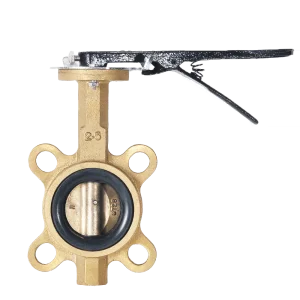
OEM Brass Bronze Wafer Butterfly Valve Manufacturer, Manufacturers
-
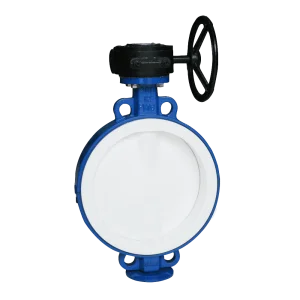
OEM PTFE Full Lined Wafer Butterfly Valve Exporter, Exporters
-
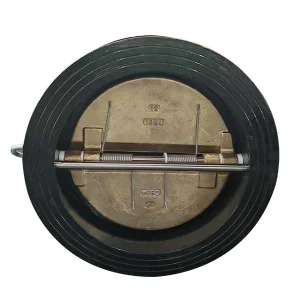
China Double Doors C594 Disc One Way Valve DN300 12INCH Factory, Exporter
-
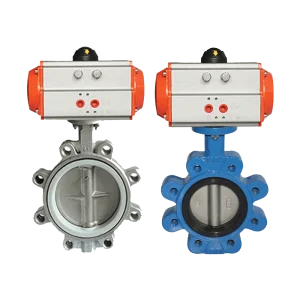
China Pneumatic Soft Seal Lug Butterfly Valve OEM Factory, Factories
-
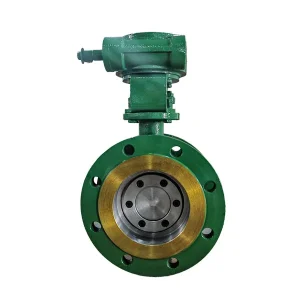
OEM WCB Double Flanged Triple Offset Triple Eccentric Butterfly Valve Exporter, Exporters
-
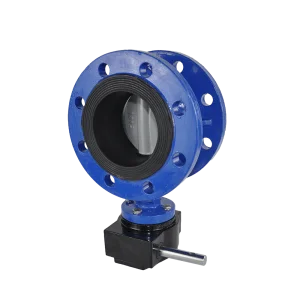
China AWWA C504 Centerline Butterfly Valve Factory, Exporter
-
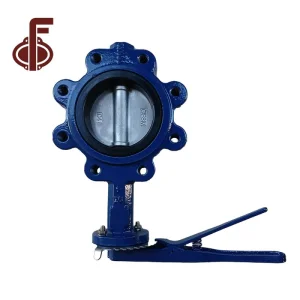
China Hand Lever Actuated Ductile Iron Lug Type Butterfly Valves Manufacturer, Exporters
-
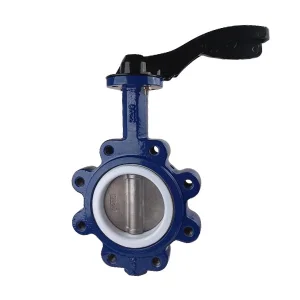
China CF8M Disc PTFE Seat Lug Butterfly Valve Factories, Exporters
Integrated Engineering from Foundry to Automated Assembly
Tianjin Zhongfa Valve Co., Ltd. (ZFA Valve) leverages vertically integrated casting, machining, and actuator pairing capabilities to provide robust quarter-turn automation.
Integrated Casting & CNC Machining
By operating unified metallurgy control in Tianjin, our foundry manages chemical composition and tensile integrity across ductile iron (GGG40/GGG50), carbon steel (WCB), and stainless steel (CF8/CF8M).
Multi-axis CNC lines guarantee precise stem machining, ISO 5211 top flange positioning, and keyway tolerances to eliminate actuator backlash during dynamic modulation.
ISO 5211 Direct Actuation Mounting
Every actuated butterfly valve features a standardized ISO 5211 top flange and standardized drive shafts (double-D, square, or keyed). This allows universal coupling with pneumatic rack-and-pinion units, scotch yoke actuators, and multi-turn electric drives without custom brackets.
Direct mounting reduces hysteresis, minimizes mechanical wear, and protects against side-load seal degradation.
Rigorous Dynamic Torque Calibration
Actuator sizing requires calculating breakaway, run, and reseat torque under maximum differential pressure. We run multi-point digital torque testing to optimize safety factors (typically 25%–35%), ensuring motors and air pistons operate without stalling or over-stressing stems.
This verification prevents field failures across cyclical HVAC and industrial pipelines.
Comparative Analysis: Butterfly Valve Actuator Architectures
Choosing the correct quarter-turn drive topology depends on duty cycle, fail-safe demands, speed of closure, and local utility availability.
| Actuator Type | Operating Principle | Response Time | Fail-Safe Options | Optimal Pipeline Applications |
|---|---|---|---|---|
| Pneumatic Rack & Pinion | Compressed air (3–8 bar) drives opposing pistons with integrated gearing | Fast (0.5 – 3 sec) | Spring Return (Single Acting) or Double Acting | Chemical batching, emergency shutoff, refinery utilities, hazardous plants |
| Pneumatic Scotch Yoke | High torque output at rotation endpoints (0° & 90°) via sliding yoke mechanism | Medium to Fast (1 – 5 sec) | Heavy mechanical fail-safe return springs | Large-diameter pipelines, high-pressure triple offset butterfly valves (DN300–DN2000) |
| Intelligent Electric Actuator | Brushless servo / induction motor with planetary or worm gearing | Modulated (10 – 60 sec) | Supercapacitor pack, battery backup, or manual declutch override | District cooling, municipal water distribution, HVAC balancing, scada telemetry |
| Electro-Hydraulic Drive | Self-contained hydraulic power unit pressurized on-demand | Ultra-responsive or smooth dampening | Hydraulic accumulator fail-safe positioning | Hydroelectric power dams, high-inertia pipeline surge isolation, remote subsea tie-ins |
Addressing Global Engineering Procurement Demands
Engineering, Procurement, and Construction (EPC) teams and global industrial distributors evaluate valve manufacturers beyond baseline price.
Material Traceability (EN 10204 3.1)
Global operators demand full spectroscopic analysis, heat numbers, and mechanical tensile documentation for pressure-containing castings to mitigate catastrophic ductile fracture risk.
Total Cost of Ownership (TCO)
Procurement teams prioritize vulcanized seat retention, corrosion-resistant coatings, and cycle ratings exceeding 50,000 cycles to reduce replacement downtime and labor costs.
Universal Flange Accommodation
Multi-standard bolt circle geometries (wafer/lug) eliminate inventory fragmentation by allowing one valve body to mate seamlessly across ANSI Class 150, PN10, PN16, and JIS 10K flanges.
Factory-Integrated Actuation
Sourcing pre-commissioned valve-actuator packages eliminates coordination disputes between mechanical valve makers and third-party instrumentation suppliers.
Localized Support & Global Compliance Framework
Industrial flow control demands adherence to regional codes, environmental mandates, and technical export safety protocols.
European Pressure Directives (CE / PED)
Our actuated assemblies comply with Pressure Equipment Directive 2014/68/EU (PED) requirements, including hydrostatic shell integrity tests at 1.5x nominal pressure and low-pressure pneumatic seat testing according to EN 12266-1 Rate A standards (zero visible leakage).
Explosion-Proof Actuator Integration
For installations involving combustible gases, coal dust, or volatile organic solvents, we provide actuator configurations rated for ATEX Zone 1/2 and Class I, Div 1 environments, equipped with certified flameproof junction boxes and intrinsic limit switches.
Regional Engineering Support
ZFA Valve collaborates with regional valve service shops, valve automation centers (VAC), and local field engineers throughout Europe, the Middle East, Southeast Asia, and the Americas to supply complete repair kits, seat rings, stems, and replacement solenoid accessories.
Mission-Critical Automation Applications
From municipal utilities to harsh marine environments, our automated quarter-turn units operate in demanding conditions worldwide.
Water Distribution & Desalination
Challenge: Pitting corrosion from seawater, abrasive scale, and water hammer damage.
Solution: Nickel-aluminum bronze or duplex stainless steel (CF8M/1.4408) disc configurations with high-grade EPDM vulcanized liners. Modulating electric actuators ensure controlled open-close ramp cycles to protect pumping infrastructure.
Chemical & Corrosive Fluids
Challenge: Acidic erosion, permeation by aggressive chemicals, and fugitive emissions.
Solution: Fully PTFE/PFA lined wafer butterfly valves combined with dual-acting pneumatic actuators. Chemically inert linings completely isolate the metallic body from strong acids, alkaline washes, and oxidizing agents.
District Energy & Industrial HVAC
Challenge: High cycle counts, constant modulation, and continuous thermal variation.
Solution: Concentric ductile iron butterfly valves with aluminum handles or smart 4–20mA modulating electric actuators. Modbus/BACnet integrations streamline central building management automation.
Emerging Trends in Valve Actuation & Pipeline Automation
The transition toward autonomous smart factories is transforming quarter-turn actuators into intelligent edge devices.
Predictive Diagnostics & Edge Sensing
Next-generation valve actuators integrate digital torque profiling sensors, temperature probes, and cycle counters. By analyzing breakaway torque trends over time, systems can detect seat degradation, cavity scale buildup, or packing friction before an unplanned trip occurs.
Industrial IoT & Wireless Protocols
HART, Foundation Fieldbus, Profinet, and LoRaWAN connectivity are increasingly standard in remote infrastructure, allowing municipal and remote chemical installations to calibrate valve stroke endpoints digitally without physical enclosure entry.
Low-Power Actuation & Fugitive Emission Control
Decarbonization initiatives are driving adoption of high-efficiency brushless DC motors and zero-bleed pneumatic positioners. Coupled with ISO 15848-1 certified live-loaded stem seals, modern automated packages minimize fugitive greenhouse gas emissions.
Frequently Asked Questions on Valve Actuation
Detailed technical answers for pipeline designers, instrument engineers, and procurement teams.
How is torque calculated for pneumatic and electric actuator sizing?
What is the difference between concentric, double eccentric, and triple eccentric butterfly valves?
How does an ISO 5211 mounting flange simplify OEM actuator integration?
How do you prevent water hammer when actuating large-diameter butterfly valves?
What quality inspection reports are included with bulk OEM export shipments?
Industrial Pipeline Components & Actuation Series
Complete your plant installation with factory-matched wafer, lug, and double-flanged butterfly valves, resilient gate valves, and replacement components.
-
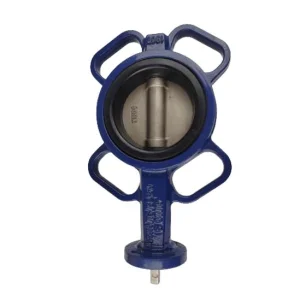
China DN80 PN10/PN16 Ductile Iron Wafer Butterfly Valve Manufacturers, Exporters
-
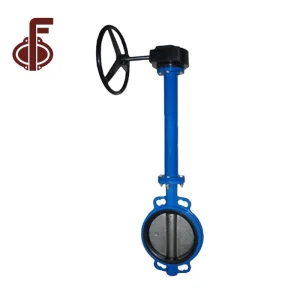
China Extention Stem Wafer Butterfly Valve Manufacturer, Exporters
-
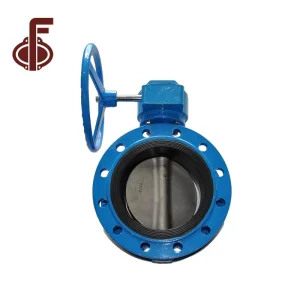
China DI SS304 PN10/16 CL150 Double Flange Butterfly Valve Factories, Exporters
-
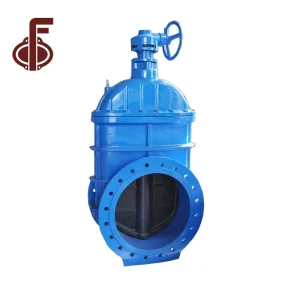
OEM DI PN10/16 class150 Soft Sealing Gate Valve Manufacturers, Exporter
-
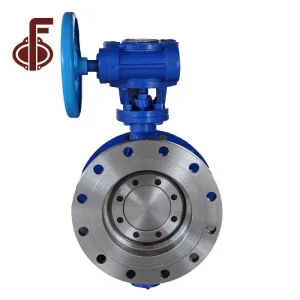
China Double Flanged Triple Offset Butterfly Valve Manufacturer, Factories
-
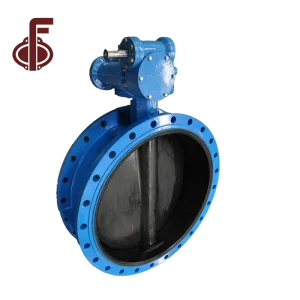
China PN16 CL150 Pressure Flange Type Butterfly Valves Manufacturers, Exporters
-
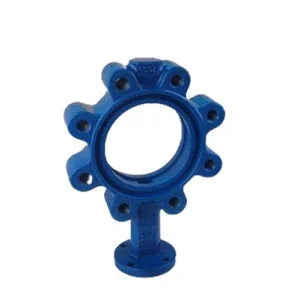
China DN100 PN16 Butterfly Valve Lug Body Manufacturers, Factory
-
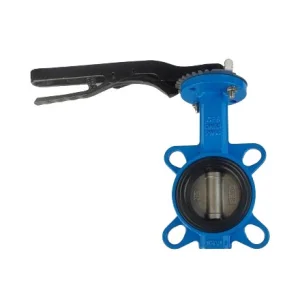
China GGG50 Body CF8 Disc Wafer Style Butterfly Valve Factories, Exporter
