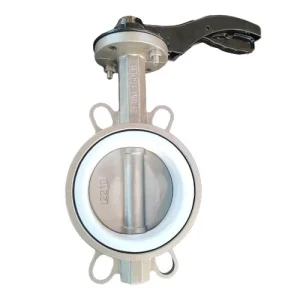
Featured Industrial Butterfly Valve Inventory
Engineered for absolute tight shut-off, high velocity flow conditions, and extreme medium tolerance.
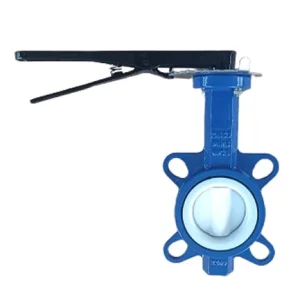
OEM PTFE Seat & Disc Wafer Centerline Butterfly Valve
Explore Model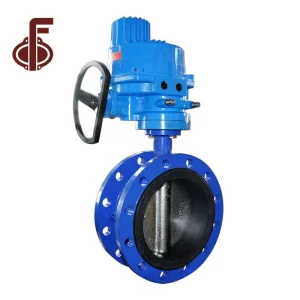
OEM Electric Actuator Flange Type Butterfly Valves
Explore Model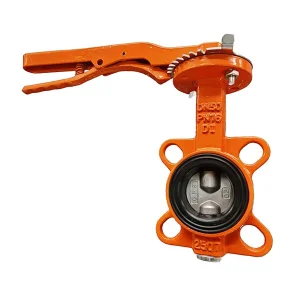
OEM DN50 Dovetail Seat Double Shaft Wafer Butterfly Valve PN16
Explore Model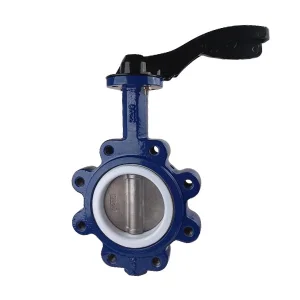
China CF8M Disc PTFE Seat Lug Butterfly Valve
Explore Model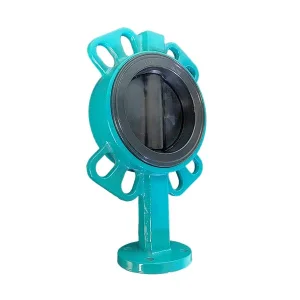
China DN100 EPDM Fully Lined Wafer Butterfly Valve Multi-standard
Explore Model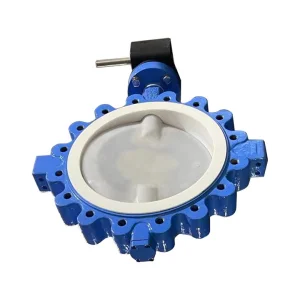
China Silicon Rubber Disc PTFE Lug & Flange Butterfly Valve Split Body
Explore Model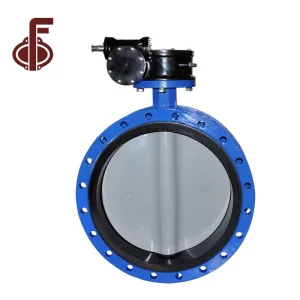
OEM NBR Seat Flange Butterfly Valve
Explore Model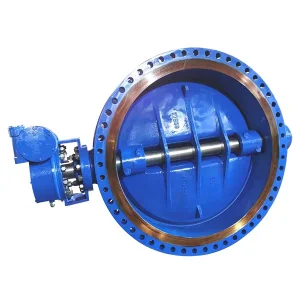
OEM Short Pattern U Shape Double Eccentric Butterfly Valve
Explore ModelIndustrial Status of Copper Alloy Valves Worldwide
Strategic deployment in saltwater cooling, corrosive maritime conditions, commercial construction, and subsea pipelines.
Maritime & Offshore Dominance
Due to severe biological fouling and aggressive chloride ion pitting, standard ductile iron or generic carbon steel fails quickly. Copper-nickel and aluminum bronze (Nickel Aluminum Bronze - NAB) valves maintain self-passivating oxide layers that naturally repel barnacles, algae, and micro-organisms in oceanic ballast and seawater cooling circuits.
Severe Cavitation Resistance
Aluminum bronze butterfly valve components (such as ASTM B148 C95800) demonstrate outstanding cavitation resistance up to 3 to 4 times higher than standard austenitic stainless steels, making them indispensable for high-velocity throttling discharge ports and offshore firewater monitor deluge skids.
Potable Water Safety & NSF/ANSI
With tightening municipal environmental codes (such as US Safe Drinking Water Act / Lead-Free standards and European EN 12165 directives), lead-free brass (e.g., C89833 / DZR CW602N) is mandated for domestic drinking lines, balancing antimicrobial purity with zero toxic leaching.
Copper Alloy Valve Material Specification Matrix
Precision engineering datasheets comparing standard casting alloys used across our wafer, lug, and double-flanged butterfly valves.
| Alloy Designation | Standard Reference | Chemical Profile | Tensile / Yield (MPa) | Primary Application Fields |
|---|---|---|---|---|
| Nickel Aluminum Bronze (C95800) | ASTM B148 / EN 1982 CC333G | Cu 79% min, Al 8.5-9.5%, Fe 3.5-4.5%, Ni 4.0-5.0% | Tensile: ≥ 585 / Yield: ≥ 240 | Seawater cooling, naval systems, desalination plants, subsea manifolds. |
| Aluminum Bronze (C95400) | ASTM B148 / JIS H5120 CAC702 | Cu 83% min, Al 10.0-11.5%, Fe 3.0-5.0% | Tensile: ≥ 515 / Yield: ≥ 205 | High-load industrial wear plates, heavy-duty butterfly valve stems, abrasive fluids. |
| Tin Bronze / Gunmetal (C83600) | ASTM B62 / BS 1400 LG2 | Cu 85%, Sn 5%, Pb 5%, Zn 5% (Ounce Metal) | Tensile: ≥ 205 / Yield: ≥ 95 | Low-pressure commercial HVAC lines, plumbing fittings, low-velocity marine lines. |
| Lead-Free DZR Brass | EN 12165 CW602N / CW511L | Cu 61-63%, Zn bal., As 0.02-0.15%, Pb < 0.2% | Tensile: ≥ 380 / Yield: ≥ 180 | Potable urban water grids, food processing lines, anti-dezincification infrastructure. |
Localized Application Engineering Scenarios
How our tailored copper butterfly valve configurations solve regional structural and chemical challenges.
Middle East Desalination Projects
Thermal and Reverse Osmosis (RO) plants in the Persian Gulf encounter high salinity combined with operating temperatures exceeding 45°C. Utilizing C95800 disc castings matched with vulcanized EPDM or bonded PTFE liners prevents pitting, galvanic cell degradation, and disc erosion over decades of continuous operational cycle duty.
North Sea Offshore Drill Platforms
Severe wave mechanics and saline atmospheres necessitate valves that survive explosive decompression and fire-safe operations. Our double eccentric lug-style aluminum bronze valves provide bi-directional dead-end isolation capabilities complying strictly with API 607 / ISO 10497 fire safety test norms.
Urban District Cooling Systems
Chilled water risers in high-density tropical metropolises (e.g., Singapore, Hong Kong) require zero-sweating and rust-proof properties. Lightweight copper-alloy wafer bodies minimize skyscraper structural line stress while offering zero condensation-driven exterior pipe degradation.
Technical Roadmap & Future Outlook
Pioneering additive manufacturing, digital twin torque integration, and sustainable metallics.
Grain-Refined Precision Castings
Implementation of vacuum-assisted centrifugal casting and micro-alloy titanium inoculation to eliminate internal pinhole porosity in thick-walled C95800 valve discs, boosting tensile endurance by 25% under heavy hydrostatic backpressure.
IoT-Enabled Predictive Actuation
Embedding smart piezo-resistive torque sensors directly onto high-nickel copper valve stems. Through Modbus and IO-Link wireless nodes, engineering operators monitor hydrodynamic packing friction and predict seat wear months before critical failure.
Closed-Loop Circular Recycling
Pioneering 100% recycled scrap return ecosystems in our foundry. High-purity copper swarf and sprues from CNC machining centers are re-melted via induction furnaces under argon shielding, lowering product embedded carbon by over 40%.
Holistic Turnkey Valve Supply Chain
From drawing design to hydraulic stress certification, we supply dependable EPC solutions across multiple sectors.
100% Pressure Shell & Seat Testing
Every individual unit undergoes rigorous hydrostatic and low-pressure air tests conforming to ISO 5208 and API 598 standards to guarantee zero leakage prior to packing.
Full OEM Customization
Tailored body branding, specialized face-to-face dimensions (DIN 3202, API 609, ISO 5752), specific stem top works (ISO 5211), and custom epoxy or marine polyurethane coatings.
International Multi-Standard
Standardized drilled bolt circles compatible with DIN PN10/PN16, ASME Class 150, JIS 5K/10K, and GOST 12820-80, simplifying global contractor stocking and field installations.
Complete Material Traceability
EN 10204 3.1 chemical inspection certificates, spectral batch assays, mechanical tensile test reports, and non-destructive examination (PT/UT) supplied with every sea shipment.
Frequently Asked Questions
In-depth technical answers addressing questions from pipeline engineers, procurement managers, and plant operators.
Why specify Aluminum Bronze (C95800) over 316 Stainless Steel for seawater?
While 316 Stainless Steel is prone to crevice corrosion and pitting under stagnant seawater conditions due to chloride ion penetration beneath biofilm deposits, Nickel Aluminum Bronze (C95800) forms a continuous, self-healing copper oxide/aluminum oxide surface film. Furthermore, copper alloys naturally prevent micro- and macro-fouling, eliminating biological settlement that causes localized acidic micro-environments.
What is the typical lead time for custom OEM casting and testing?
For standard dimension wafer or lug patterns with existing patterns, batch production cycles average 25–35 days, including casting, precision CNC machining, seat vulcanization, hydrostatic testing, and export palletizing. Custom OEM valve patterns requiring new CAD modeling, simulation, and foundry tooling take approximately 45–60 days from approved dimensional drawings.
How do you guarantee prevention of dezincification in brass valves?
Dezincification occurs when zinc is selectively leached from copper-zinc brass, leaving a fragile porous copper residue. We strictly deploy Dezincification-Resistant (DZR) grades conforming to ISO 6509 and EN 12165 (such as CW602N). By maintaining precise arsenic (As) stabilization (0.02%–0.15%) and performing controlled post-casting annealing, the vulnerable beta-phase is suppressed, ensuring immunity in aggressive acidic and municipal soft-water regimes.
What are the primary differences between concentric, double eccentric, and triple eccentric designs?
Concentric butterfly valves feature a centered stem and disc, relying on continuous resilient seat interference (EPDM, NBR, or PTFE) ideal for moderate pressures up to PN16/250 PSI. Double eccentric valves offset the stem from the pipe center and disc plane, camming the disc away from the seat on opening to minimize mechanical wear. Triple eccentric valves utilize a third conical seal angle for friction-free metal-to-metal seating under high temperatures and pressures up to Class 600.
Explore Additional Industrial Flow Solutions
Heavy-duty gate valves, basket strainers, large-diameter flange systems, and split body designs for complete pipeline architecture.
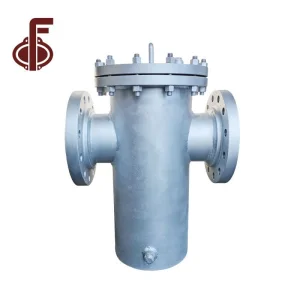
China PN10/16 150LB DN50-600 Basket Strainer Manufacturers
Explore Model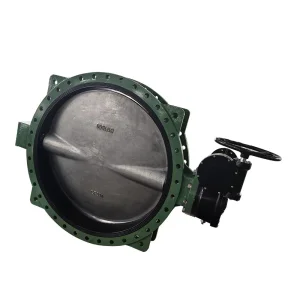
OEM DN1500 Vulcanized EPDM Seat Large Flange Butterfly Valve
Explore Model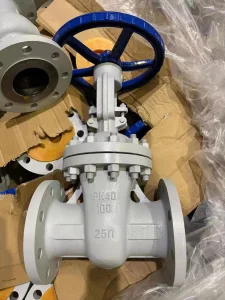
OEM 30s41nj GOST 12820-80 20Л/20ГЛ PN16 PN40 Gate Valve
Explore Model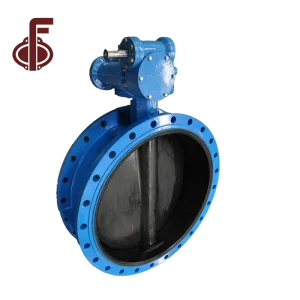
China PN16 CL150 Pressure Flange Type Butterfly Valves
Explore Model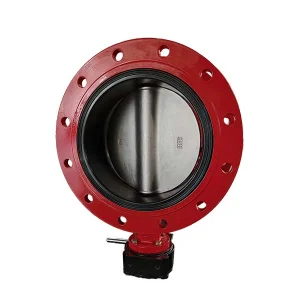
OEM Two Shaft Replaceable Seat Double Flange Butterfly Valve
Explore Model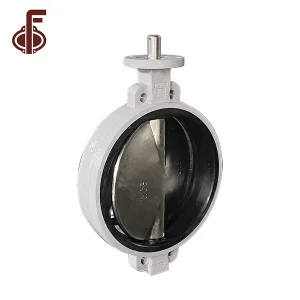
China WCB Wafer Type Butterfly Valve
Explore Model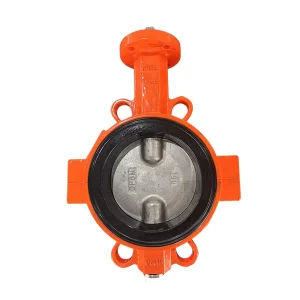
OEM 5" WCB Two PCS Split Body Wafer Butterfly Valve
Explore Model