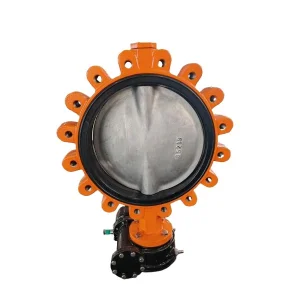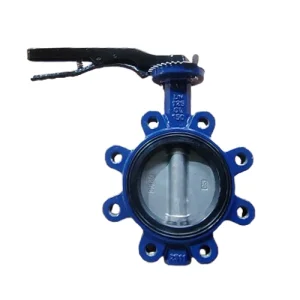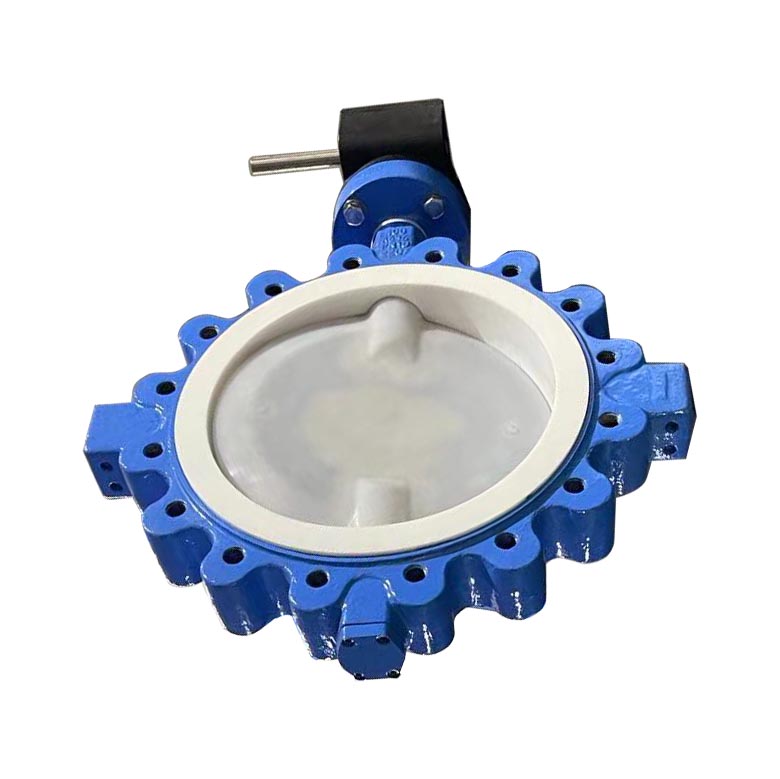
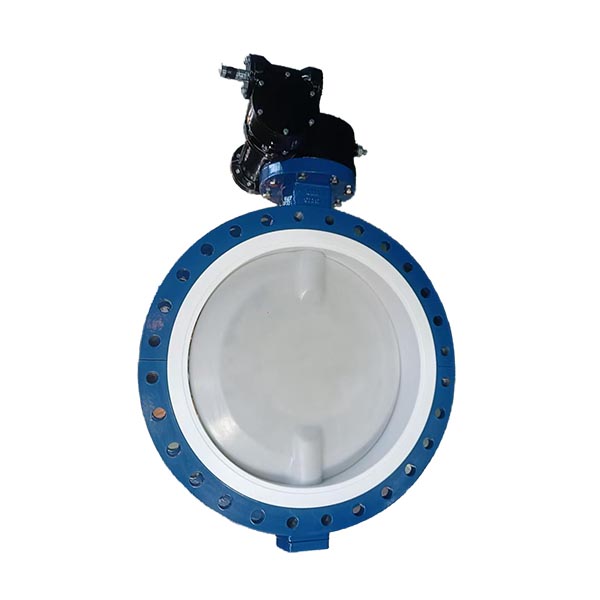
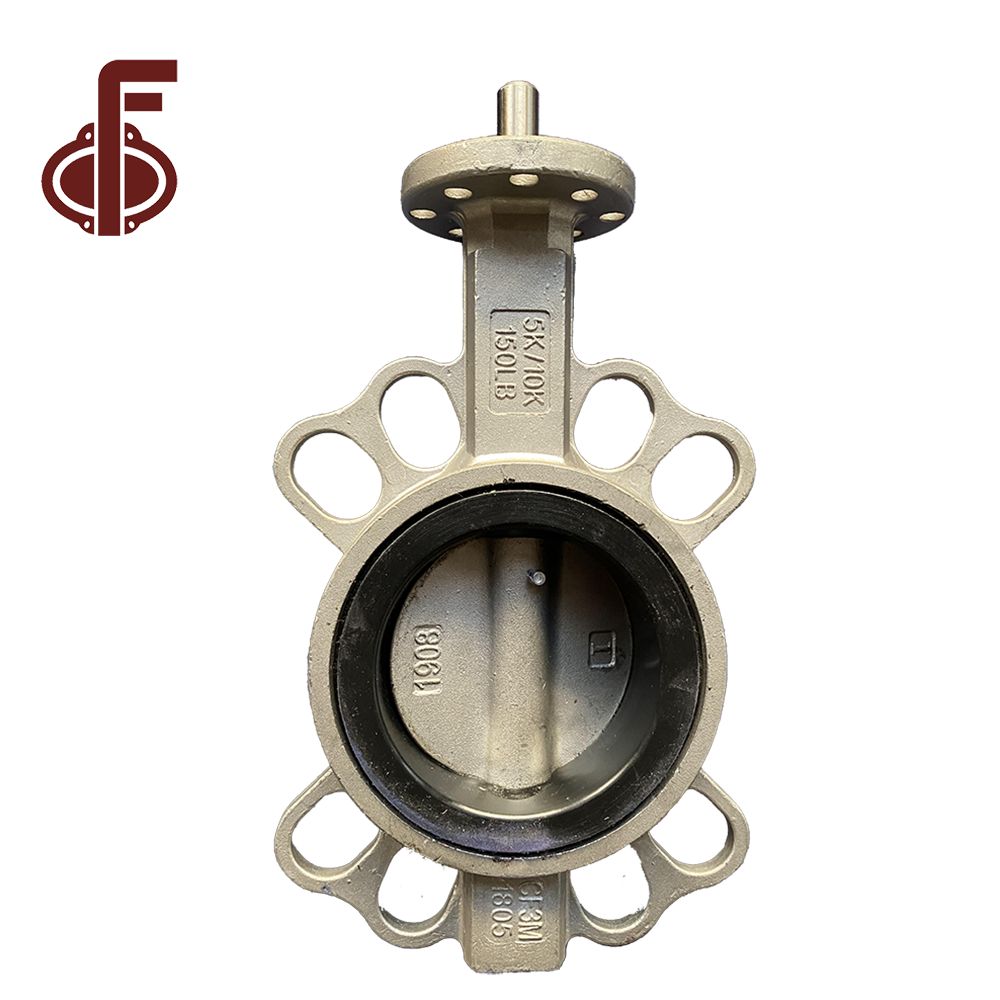
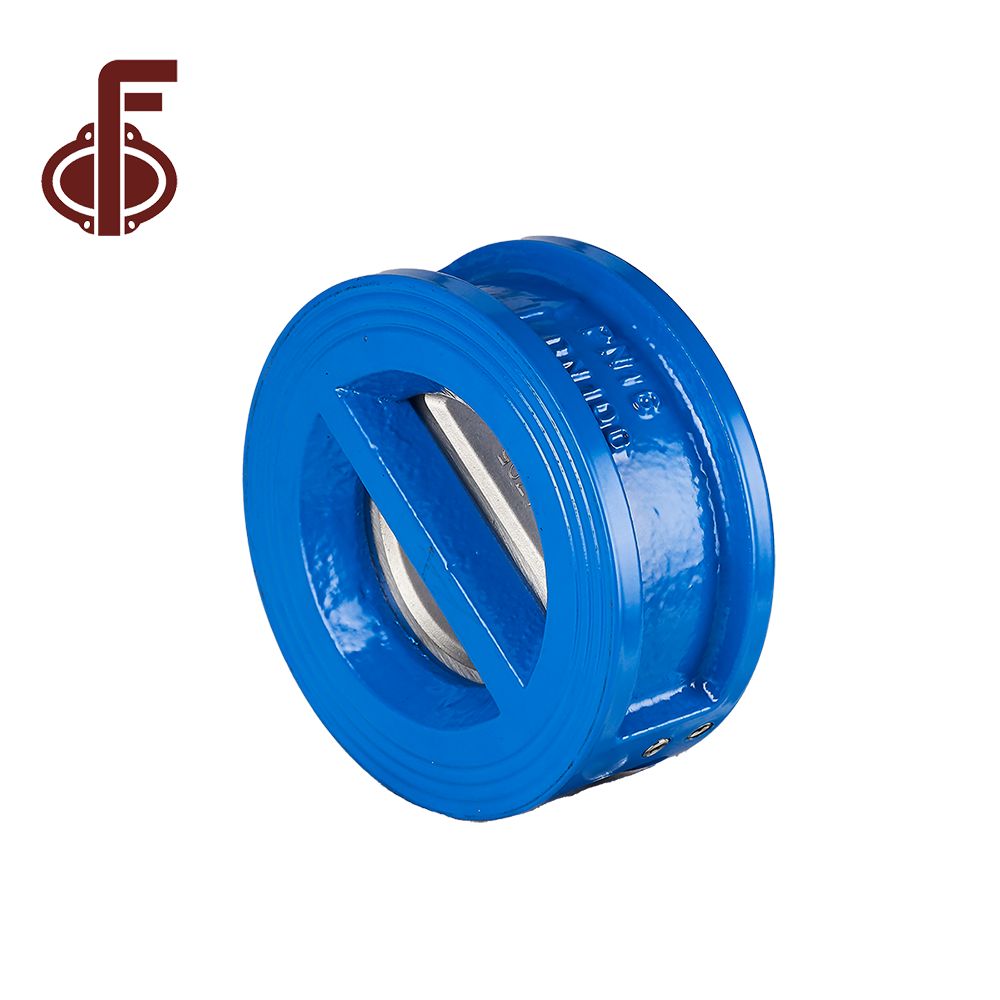
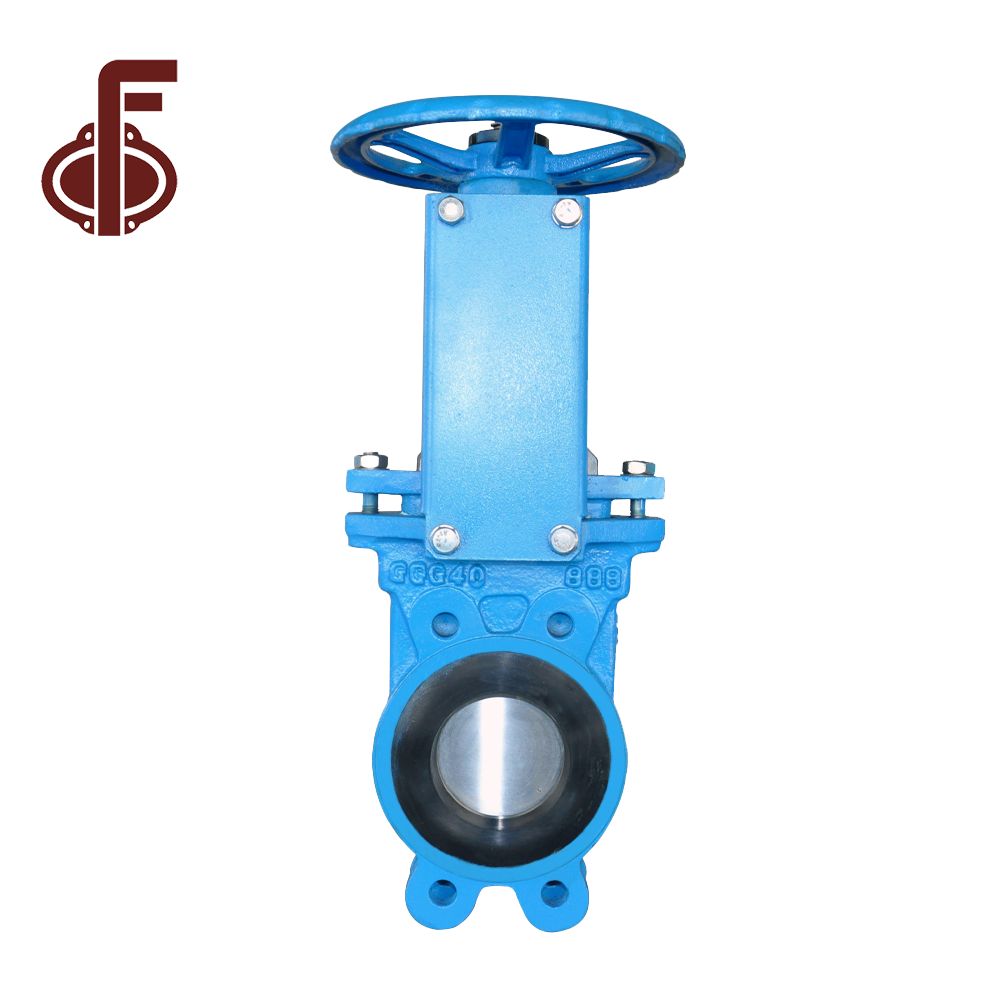
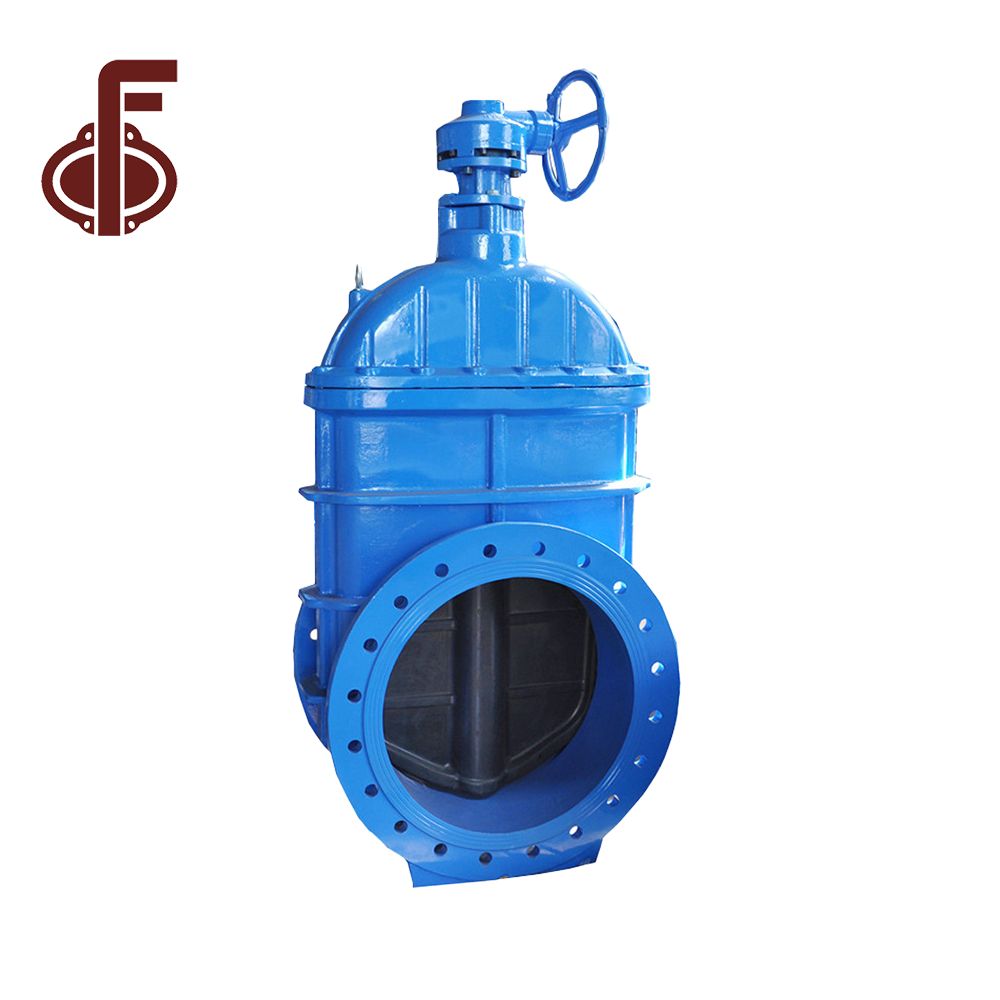
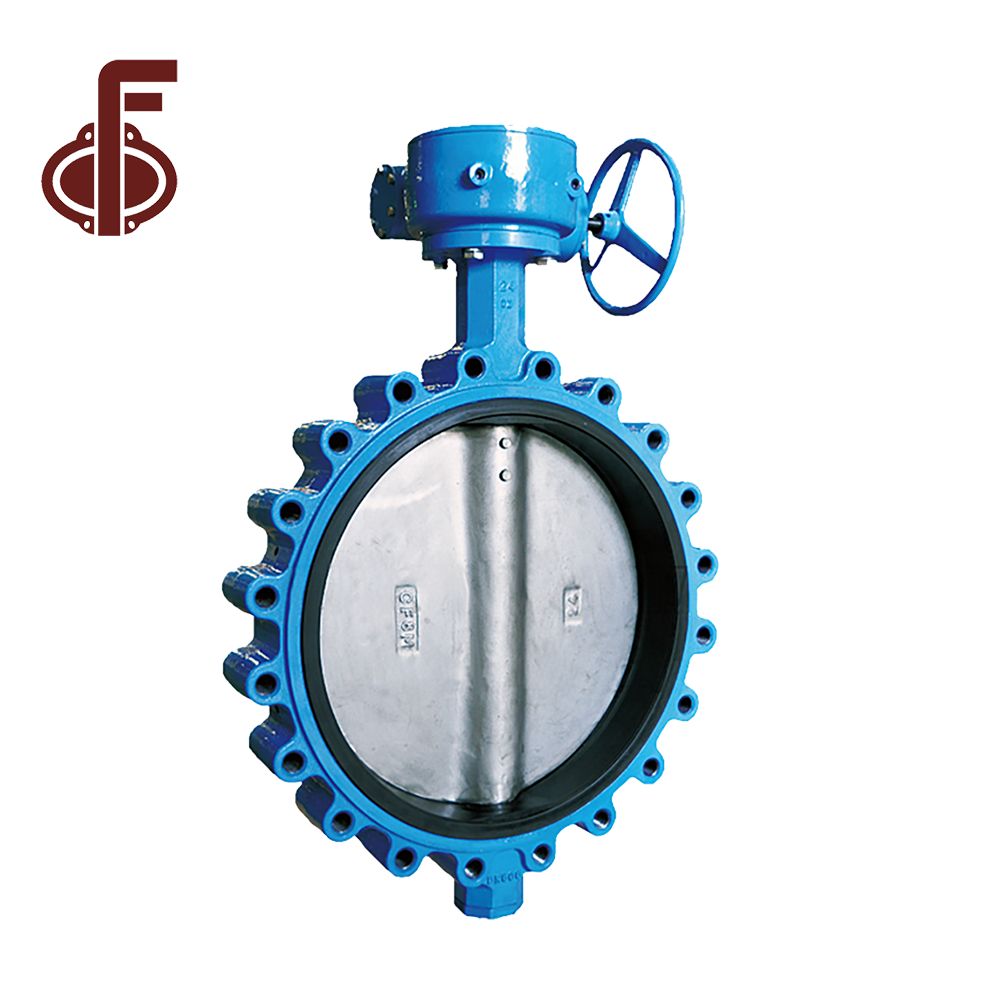
China Silicon Rubber Disc PTFE Lug & Flange Butterfly Valve Split Body type Manufacturer, Factories
Product Description
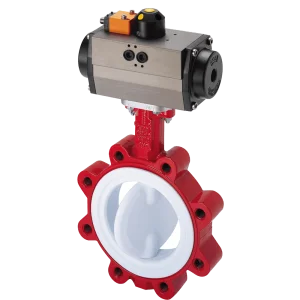
Corrosive Media Resistance: PTFE Lug Butterfly Valve seats offer excellent resistance to acids, alkalis, solvents, and corrosive media, making them ideal for chemical processing, water treatment, and corrosive fluid applications.
Broad Temperature Range: Silicone rubber valve discs perform well at both low and medium-high temperatures (typically -20°C to 180°C, depending on the rating). Silicone rubber retains its elasticity even when EPDM or NBR may harden or degrade.
Superior Sealing Performance: The high elasticity and compression resilience of silicone rubber ensure a tight seal when interacting with the PTFE valve seat.
Hygienic & Non-Stick: PTFE's non-stick properties make it suitable for applications requiring minimal contamination, such as food, pharmaceutical, and hygiene applications.
Environmental Stability: Silicone rubber disc butterfly valve offers greater resistance to ozone, UV radiation, and weathering than many conventional elastomers.
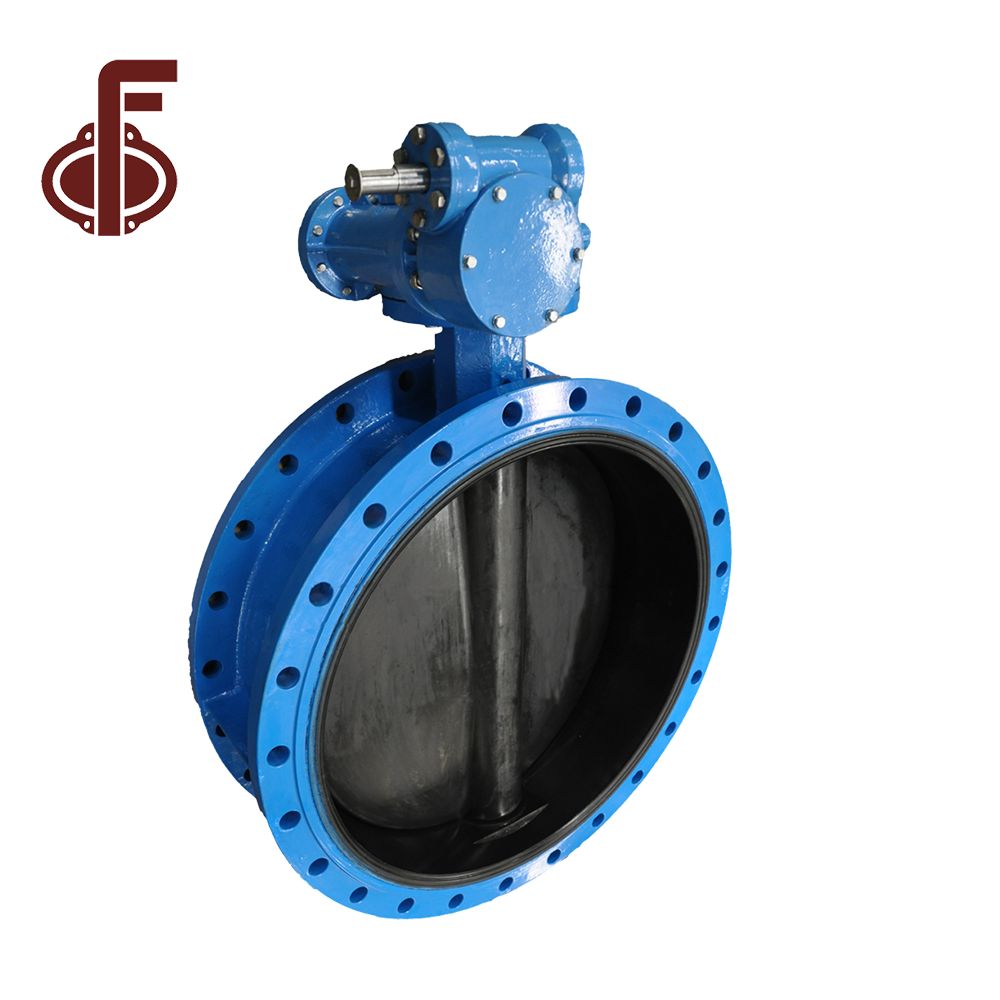
Technical Specifications & Material Standard
| Size & Pressure Rating & Standard | |
|---|---|
| Size | DN40 - DN1200 |
| Pressure Rating | PN10, PN16, CL150, JIS 5K, JIS 10K |
| Face to Face STD | API609, BS5155, DIN3202, ISO5752 |
| Connection STD | PN6, PN10, PN16, PN25, 150LB, JIS5K, 10K, 16K, GOST33259 |
| Upper Flange STD | ISO 5211 |
| Material | |
| Body | Cast Iron (GG25), Ductile Iron (GGG40/50), Carbon Steel (WCB A216), Stainless Steel (SS304/SS316/SS304L/SS316L), Duplex Stainless Steel (2507/1.4529), Bronze, Aluminium Alloy |
| Disc | DI+Ni, Carbon Steel (WCB A216), Stainless Steel (SS304/SS316/SS304L/SS316L), Duplex Stainless Steel (2507/1.4529), Bronze, DI/WCB/SS lined with PTFE |
| Stem/Shaft | SS416, SS431, SS304, SS316, Duplex Stainless Steel, Monel |
| Seat | EPDM |
| Bushing | PTFE, Bronze |
| O Ring | NBR, EPDM, FKM |
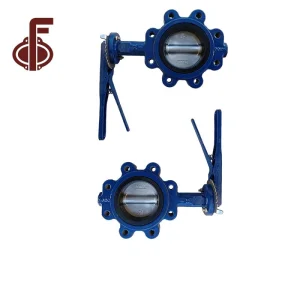
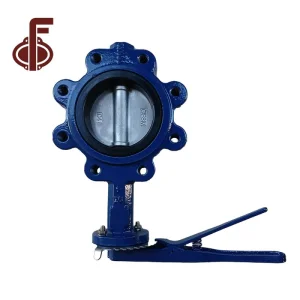
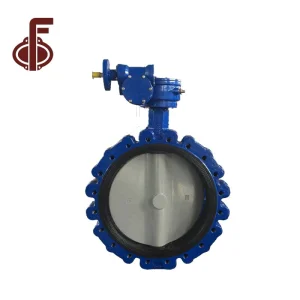
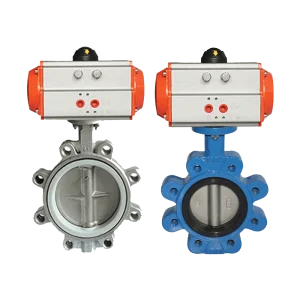
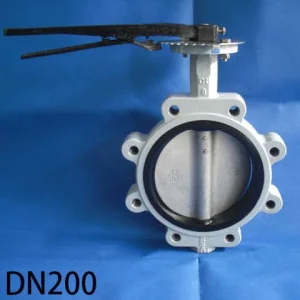
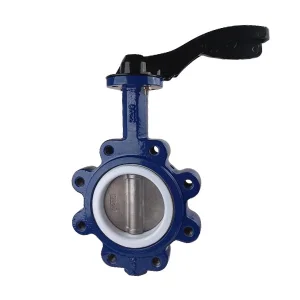
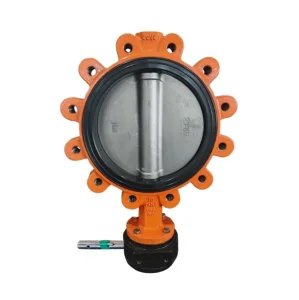
| Actuator | Hand Lever, Gear Box, Electric Actuator, Pneumatic Actuator |
Frequently Asked Questions (FAQ)
What are the main advantages of using a PTFE valve seat?
PTFE seats offer superior chemical inertness against acids, alkalis, and aggressive solvents. They also provide minimal friction and non-stick hygienic surfaces suitable for chemical, pharmaceutical, and food-grade operations.
What is the typical working temperature range for silicone rubber discs?
Silicone rubber valve discs typically perform reliably within a wide range of -20°C to 180°C, maintaining elasticity and sealing integrity where standard elastomers like EPDM or NBR might degrade or harden.
Which flange connection standards are supported?
The valves are compatible with multiple international standards including PN6, PN10, PN16, PN25, ANSI 150LB, JIS 5K, 10K, 16K, and GOST 33259, ensuring seamless pipe integration across various regions.
Can these valves be automated with actuators?
Yes, with a standardized ISO 5211 upper flange mounting design, these valves easily accommodate manual hand levers, worm gearboxes, electric actuators, and pneumatic actuators.
What body and disc materials can be selected for corrosive environments?
For corrosive media, body and disc options include 304, 316, and 316L Stainless Steel, Duplex Stainless Steel (2507/1.4529), Monel, or ductile iron/carbon steel/stainless steel fully lined with PTFE.
What size ranges are available for this series?
This butterfly valve series is engineered to cover piping configurations ranging from DN40 up to DN1200, meeting both compact system requirements and large-scale utility pipelines.