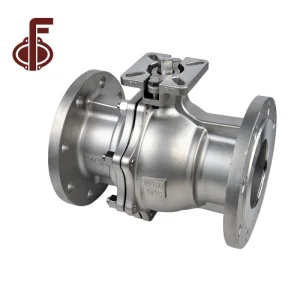
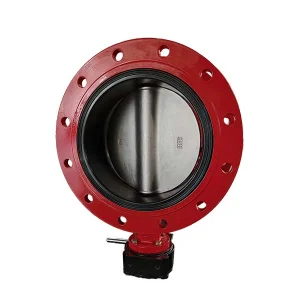
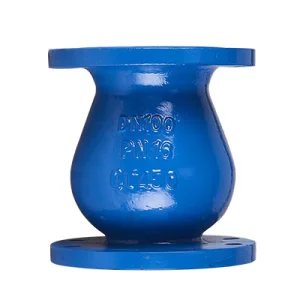
Precision Flow Control Hardware Portfolio
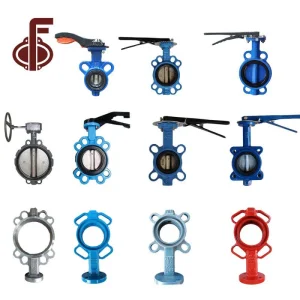
Explore standard, double eccentric, and triple offset butterfly solutions engineered at our Tianjin manufacturing hub.
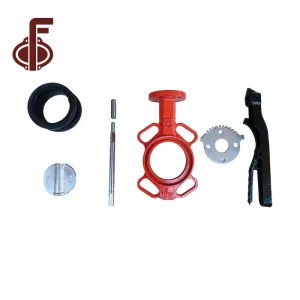
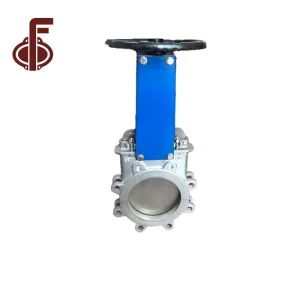
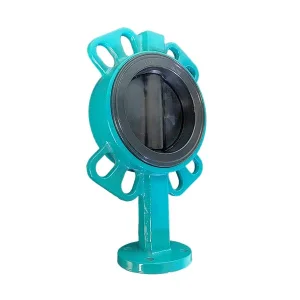
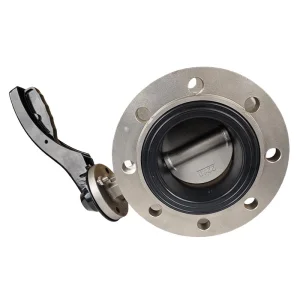
Engineering Geometry: Double Eccentric vs. Triple Eccentric
Understand the precise mechanical offset configurations that govern seat contact, disc scrubbing, operational torque, and overall valve life.
Double Offset Butterfly Valve (DOBV)
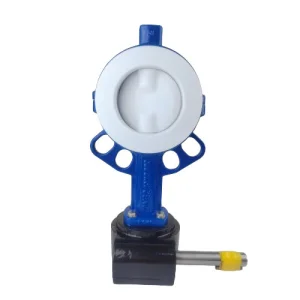
Commonly classified as high-performance butterfly valves. The shaft is displaced across two deliberate geometric axes:
- Offset 1: Shaft positioned behind the plane of the sealing surface to allow unbroken 360-degree contact.
- Offset 2: Shaft center set slightly off the pipe bore centerline, producing an eccentric cam stroke.
- Operation: The disc lifts off the seat within the first 10-15 degrees of rotation, reducing early wear.
- Seating Technology: Resilient elastomeric (EPDM/NBR), virgin or modified PTFE/RPTFE, or flexible fire-safe metal seats.
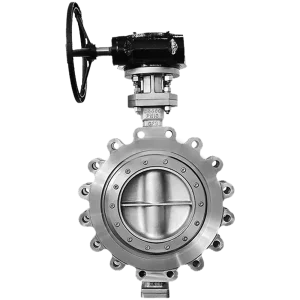
Triple Offset Butterfly Valve (TOBV)
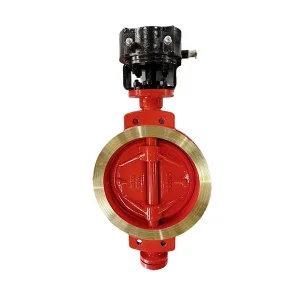
Engineered for extreme operating envelopes, adding a distinct conical seating geometry on top of the initial two offsets:
- Offset 3 (Angular Conical Offset): The sealing cone axis is tilted away from the pipe bore axis.
- Frictionless Camming: Contact happens only at the terminal closure point without mechanical sliding or galling.
- Seat Geometry: Elliptical cone seat matched with laminated graphite/stainless steel or solid hardfaced alloy (Stellite).
- Torque-Seated Sealing: Tight shutoff depends on mechanical actuation torque rather than line pressure energization.
Mechanical & Physical Disparity
A direct side-by-side technical evaluation reveals critical trade-offs between pressure ratings, maintenance, and operating cost:
- Friction: DOBV experiences residual sliding during the final 10°; TOBV achieves pure 0° frictionless contact.
- Thermal Resistance: DOBV handles up to 200°C (PTFE); TOBV handles up to 450°C - 650°C and cryogenic -196°C.
- Leakage Standards: DOBV reaches ISO 5208 Rate A (soft seat); TOBV meets API 598 & ANSI/FCI 70-2 Class VI metal sealing.
- Torque Demands: TOBV needs higher rotational closing torque, requiring precisely matched actuators.
| Performance / Design Parameter | Double Offset Butterfly Valve (DOBV) | Triple Offset Butterfly Valve (TOBV) | Engineering Selection Rule |
|---|---|---|---|
| Primary Sealing Mechanism | Position-seated with elastic interference on soft/RPTFE seat | Torque-seated with angular metal-to-metal wedge fit | Choose TOBV for non-elastomeric high fire hazard zones |
| Seat Friction Arc | Rubbing occurs over the final 0° to 12° of stroke | 0° friction; true contact only at 100% mechanical closure | TOBV extends seat cycle life in frequent throttling lines |
| Working Pressure Limits | ASME Class 150 to Class 300 (PN10 to PN50) | ASME Class 150 up to Class 900 / 1500 (PN10 to PN250) | TOBV replaces gate/ball valves in Class 600+ steam or gas |
| Operating Temperature Bounds | -40°C to +200°C (subject to fluoropolymer degradation) | -196°C (Cryogenic) up to +650°C (Thermal Superheat) | TOBV is mandatory for superheated steam and LNG terminals |
| Bidirectional Shutoff | Preferred upstream flow; bidirectional with special seats | True bidirectional sealing with zero allowable leakage | Use bidirectional TOBV for manifold and storage reversal lines |
| Procurement & Lifecycle Cost | Moderate initial capex; occasional elastomer replacement | Higher initial capex; virtually zero routine seat overhaul | DOBV is cost-optimal for commercial HVAC and municipal lines |
Macro Industry Solutions & Operational Architecture
Strategic deployment frameworks across energy networks, petrochemical processing, municipal infrastructure, and marine systems.
LNG & Cryogenic Chains
For liquefied gas processing down to -196°C, resilient seats crack and lose elasticity. Extended-bonnet triple offset valves with Stellite hardfacing prevent fugitive boil-off gas emissions across vaporizers, transfer skids, and marine bunkering stations.
Thermal Power & Steam
High-pressure steam bypass, turbine isolation, and boiler feed systems operate under severe thermal cycling. TOBV units deliver repeatable bubble-tight shutoff without thermal binding or jamming, replacing bulky gate valves.
Desalination & Water
Seawater reverse osmosis (SWRO) and high-volume urban transmission networks demand durable, cost-effective isolation. High-performance double offset butterfly valves with nickel aluminum bronze (NAB) or duplex discs offer the optimal balance of corrosion resistance and capital budget control.
Refining & Hydrocarbons
Fugitive emission control (API 641 / ISO 15848-1) and fire safety (API 607) are critical in hydrocracker units, tank farm manifolds, and flare gas systems. Precision-machined triple offset designs ensure line integrity even under external fire exposure.
Global Commercial Dynamics & Manufacturing Realities
How international trade flows, carbon footprint mandates, and supply chain consolidations impact industrial valve procurement.
Weight & Space Optimization
Modern offshore platforms, floating LNG units (FLNG), and compact skid systems prioritize reduced piping footprints. A triple offset butterfly valve weighs up to 70% less than an equivalent-bore API 6D wedge gate or lubricated ball valve, delivering dramatic structural savings.
Direct Sourcing Economics
Tier-1 EPC projects face rising material input costs and tightening schedules. By partnering directly with Chinese OEM exporters operating dedicated foundries, buyers cut out distributor markups while securing verified EN 10204 3.1 chemical and mechanical inspection certs.
Environmental Mandates (ESG)
Global fugitive emission rules (EPA Method 21, TA-Luft) now penalize dynamic packing stem leaks. Current quarter-turn double and triple eccentric butterfly valves use live-loaded PTFE or die-formed graphite rings, minimizing greenhouse emissions across oil, gas, and chemical corridors.
Localized Support & Comprehensive Compliance
Engineering compliance backed by rigorous quality assurance, customized field service documentation, and regional standard alignments.
Multi-Standard Compliance
Valves are engineered to comply with target market codes:
- Americas: ASME B16.34, API 609 (Category A & B), MSS-SP-68, AWWA C504.
- Europe / UK: EN 593, EN 12516, PED 2014/68/EU Module H, ATEX.
- Asia / Middle East: JIS B2062, ISO 10631, Saudi Aramco 9-SAMSS specifications.
OEM Customization Packages
Full customization covering exact customer drawing reviews, customized face-to-face dimensions (ISO 5752 short/long series), specialty alloys (Hastelloy, Inconel, Super Duplex), anti-corrosion marine epoxy coatings, and third-party witnessed hydrotesting (DNV, Lloyds, Bureau Veritas).
Dedicated Export Logistics
Custom packaging built to international export phytosanitary criteria (ISPM-15), paired with sealed desiccants, protective flange face covers, and clear traceability tagging. Project shipments arrive intact and immediately ready for installation at project sites worldwide.
Technology Roadmap & Smart Plant Integration
Where advanced material science meets digital industrial control architectures.
Digital Smart Sensing
Integration of wireless IIoT acoustic sensors and digital stem position transmitters directly into the valve yoke. Real-time torque signature analysis predicts seat degradation and alerts maintenance teams ahead of uncontained line leakage.
Hydrogen Service Preparedness
As green hydrogen networks expand, triple offset metal-to-metal designs are engineered to prevent micro-scale hydrogen embrittlement. This is achieved through specialized 316L/Hastelloy weld overlays, low-stress packing geometries, and ultra-tight helium mass spectrometer leakage verification.
Advanced Surface Hardening
High-velocity oxygen-fuel (HVOF) spraying of chromium carbide and tungsten carbide powders onto the cone contact profile allows our triple offset valves to resist slurry erosion and severe abrasive catalyst carryover up to Class 900 operating envelopes.
Frequently Asked Questions on Valve Specification
Straightforward answers from experienced valve application specialists to assist project designers and procurement teams.
Why choose a Double Offset Butterfly Valve instead of a Triple Offset design?
Can a Triple Offset Butterfly Valve achieve true bidirectional bubble-tight shutoff?
How does the third offset eliminate seat friction and prevent galling?
What seat materials are recommended for double offset valves handling aggressive chemicals?
What documentation is provided by OEM exporters for valve qualification?
High-Performance Isolation & Control Hardware
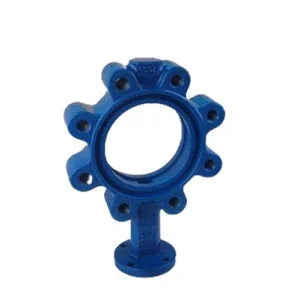
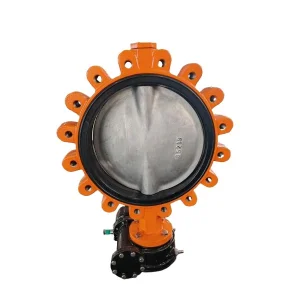
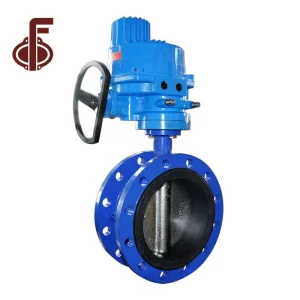
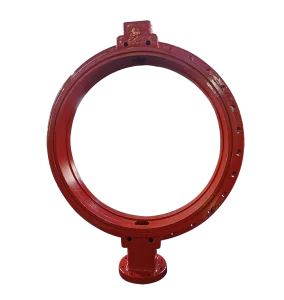
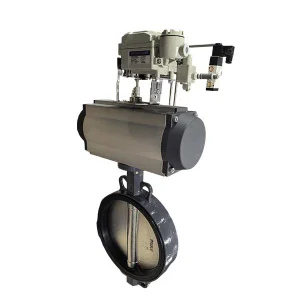
Complete project-ready valves with manual, pneumatic, and electric actuation configurations.