1 / 5
China Body Models for Butterfly Valve Manufacturer, Factory
Product Description
Engineering Highlights & Quality Control
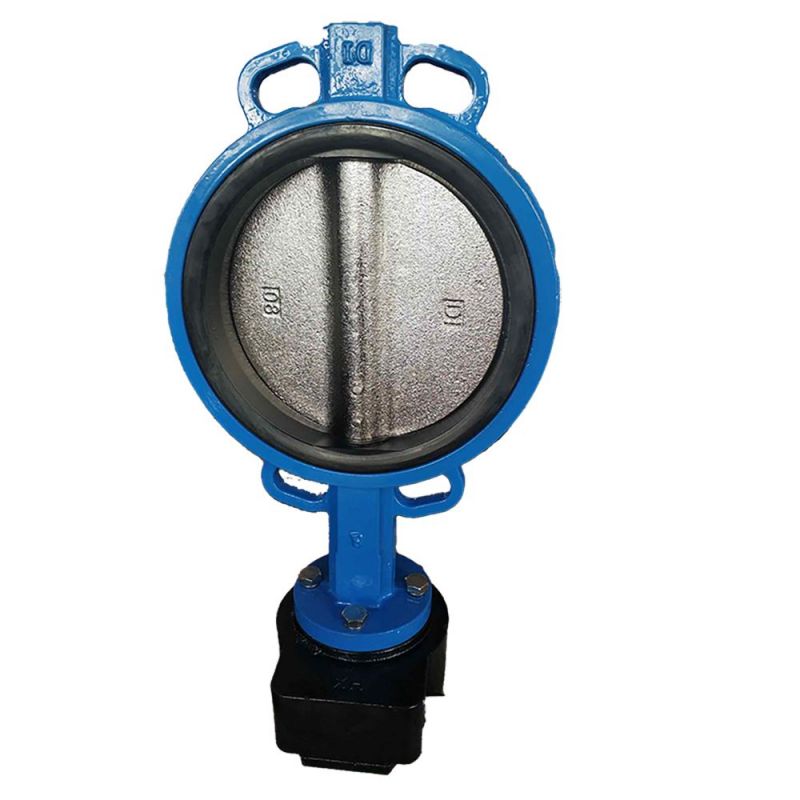
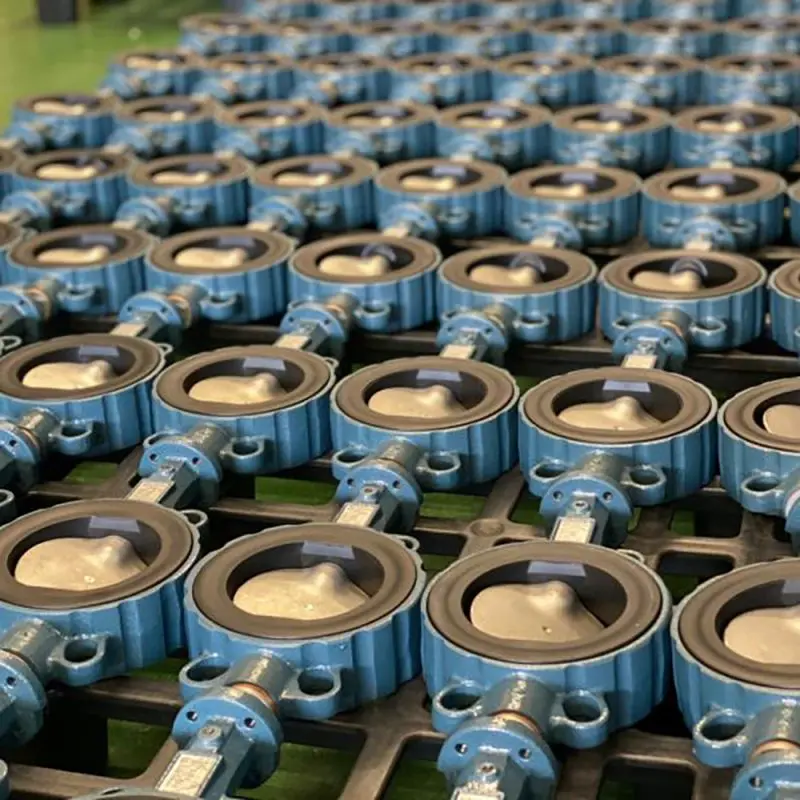
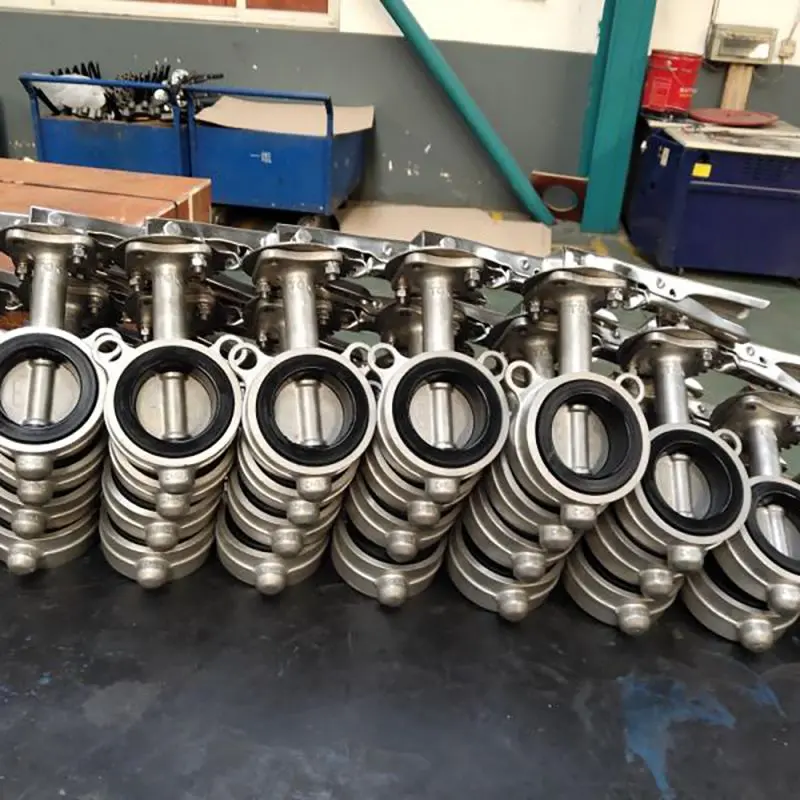
Our valve seat use imported nature rubber, with more than 50% of rubber inside. The seat has a good elasticity property, with long service life. It can be open and close more than 10,000 times with no damage for the seat.
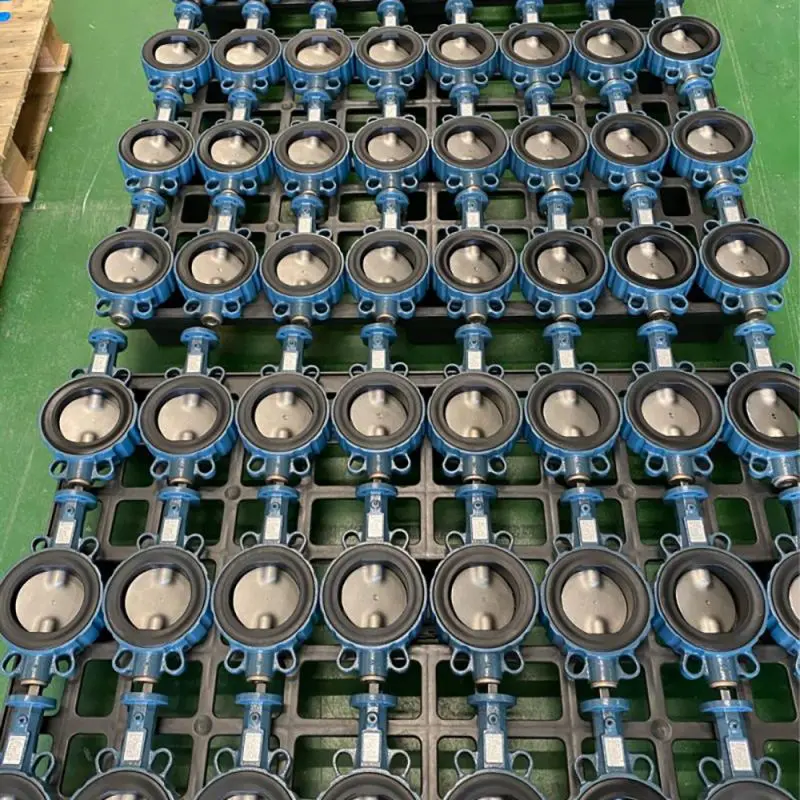
Each valve should be cleaned by ultra-sonic cleaning machine, in case of contaminant left inside, guarantee the cleaning of the valve, in case of pollution to the pipeline.
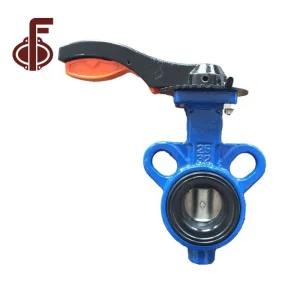
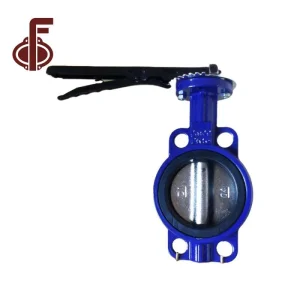
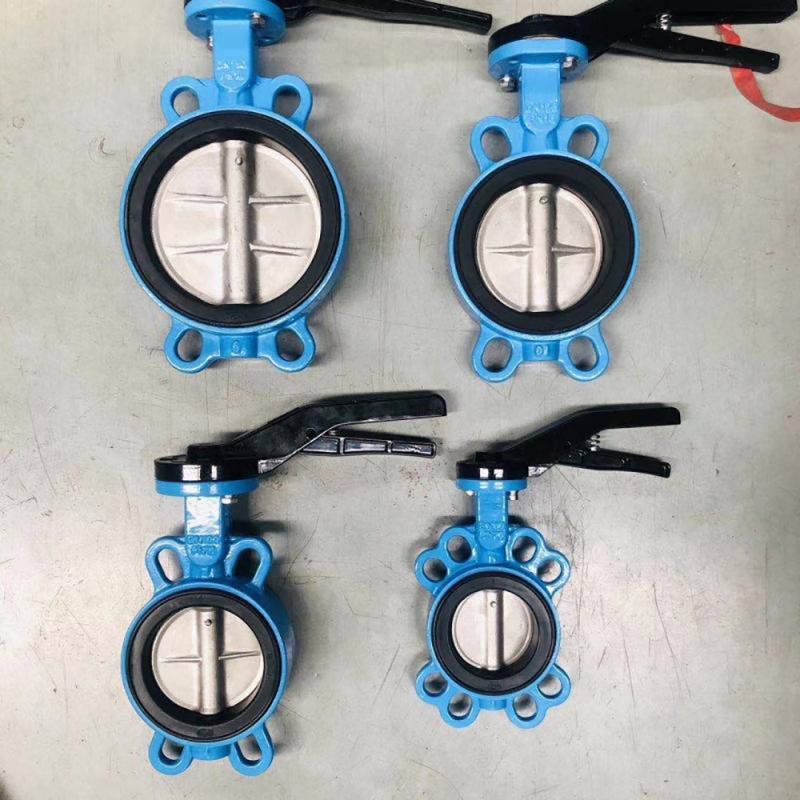
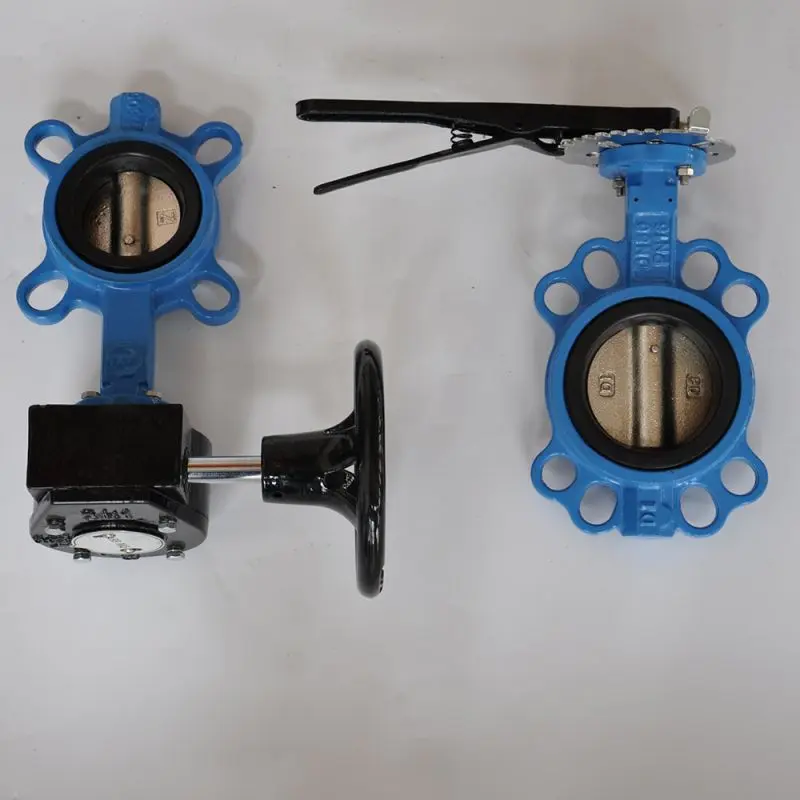
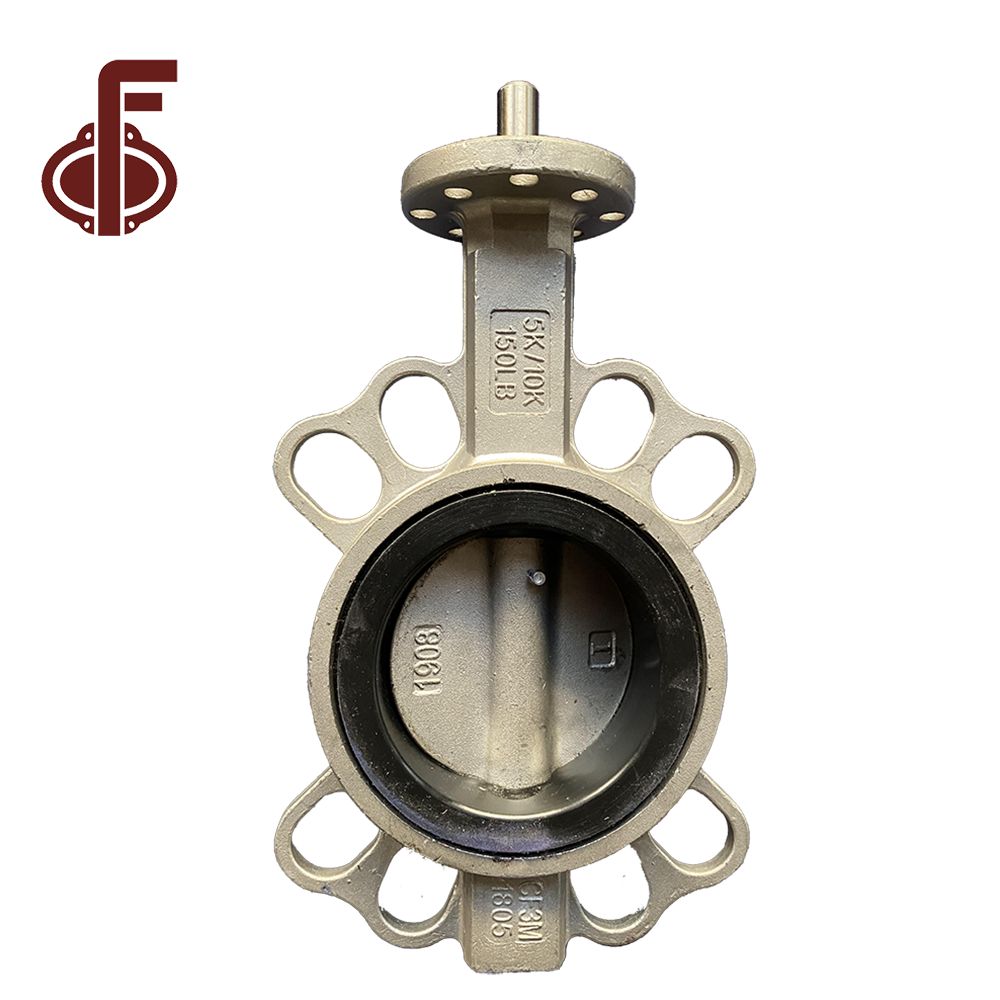
Handle of the valve use ductile iron, is anti-corrosion than regular handle. Spring and pin use ss304 material. Handle part use semicircle structure, with good touch feeling.
The valve adopt epoxy powder painting process, thickness of tht powder is 250um at least. Valve body should be heating 3 hours under 200℃, powder should be solidify for 2 hours under 180℃.
Our valve has standard thickness according to GB26640, makes it capable of holding high pressure when needed.
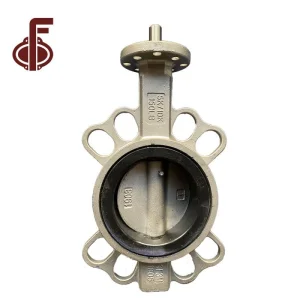
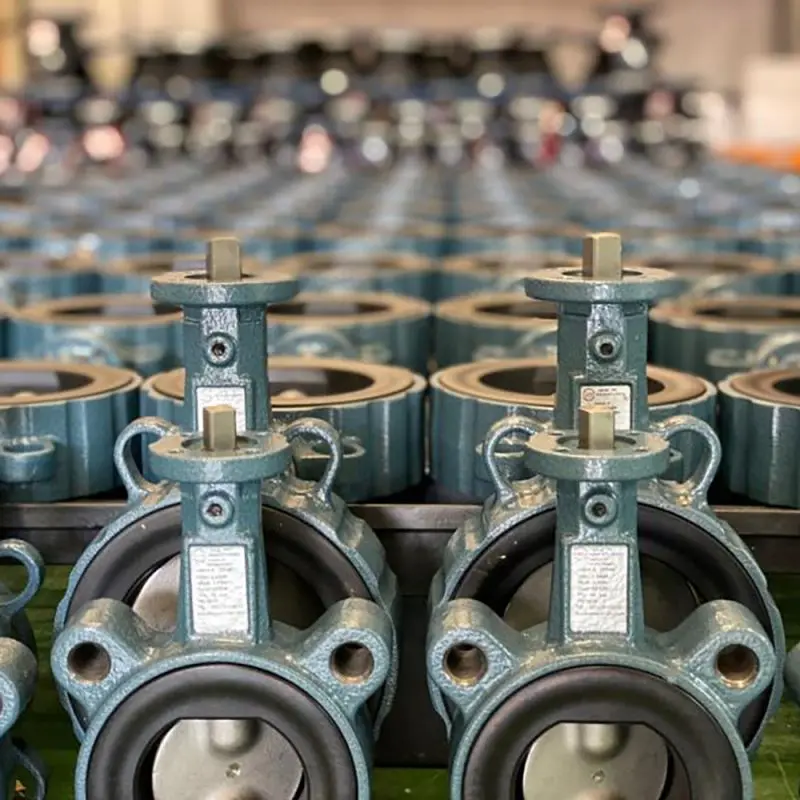
Marker Plate located on body side of the valve, easy to watch after installation. Material of the plate is SS304, with laser marking. We use stainless steel rivet to fix it, makes it cleaning and tighting.
Technical Specifications & Standards
| Size & Pressure Rating & Standard | |
|---|---|
| Size | DN40-DN1200 |
| Pressure Rating | PN10, PN16, CL150, JIS 5K, JIS 10K |
| Face to Face STD | API609, BS5155, DIN3202, ISO5752 |
| Connection STD | PN6, PN10, PN16, PN25, 150LB, JIS5K, 10K, 16K, GOST33259 |
| Upper Flange STD | ISO 5211 |
| Material | |
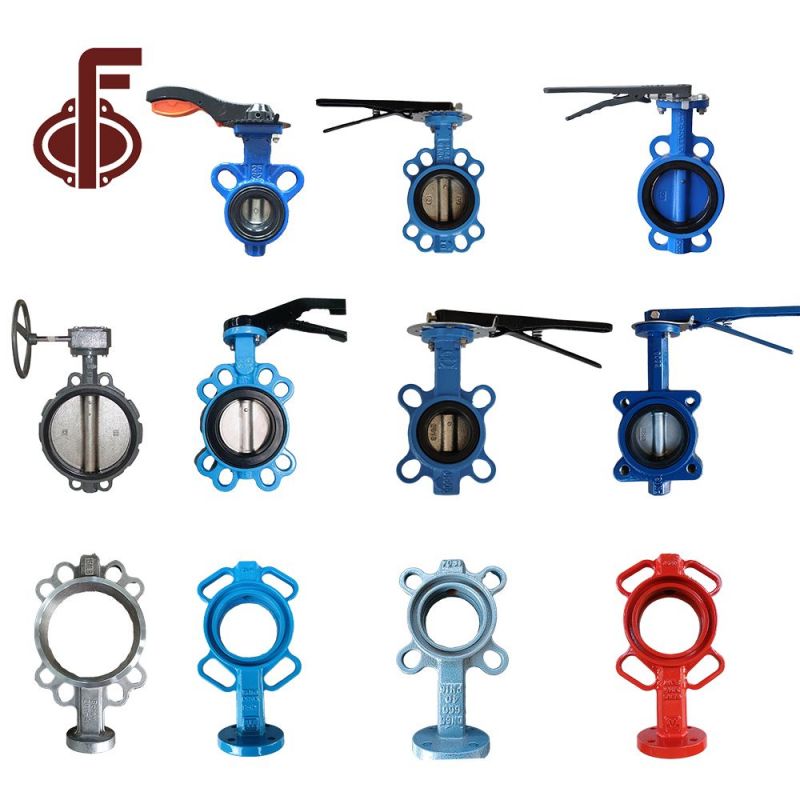
| Body | Cast Iron(GG25), Ductile Iron(GGG40/50), Carbon Steel(WCB A216), Stainless Steel(SS304/SS316/SS304L/SS316L), Duplex Stainless Steel(2507/1.4529), Bronze, Aluminium Alloy. |
| Disc | DI+Ni, Carbon Steel(WCB A216), Stainless Steel(SS304/SS316/SS304L/SS316L), Duplex Stainless Steel(2507/1.4529), Bronze, DI/WCB/SS coated with Epoxy Painting/Nylon/EPDM/NBR/PTFE/PFA |
| Stem/Shaft | SS416, SS431, SS304, SS316, Duplex Stainless Steel, Monel |
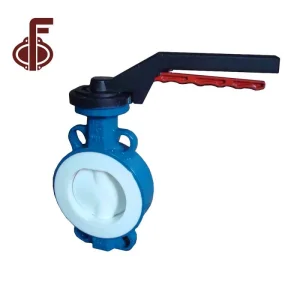
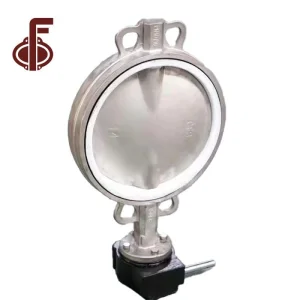
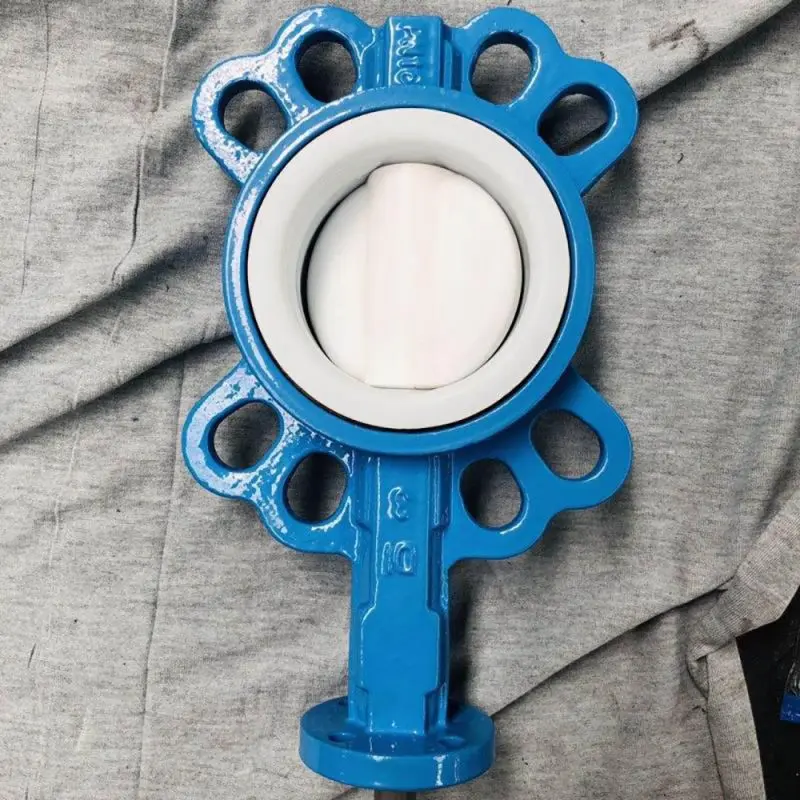
| Seat | NBR, EPDM/REPDM, PTFE/RPTFE, Viton, Neoprene, Hypalon, Silicon, PFA |
| Bushing | PTFE, Bronze |
| O Ring | NBR, EPDM, FKM |
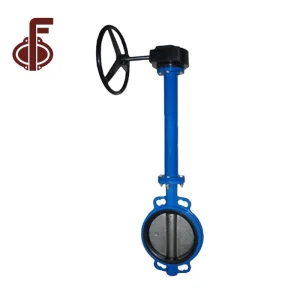
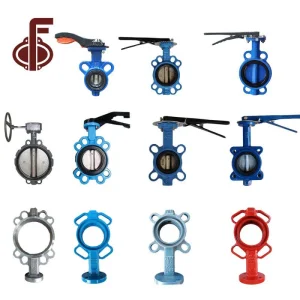
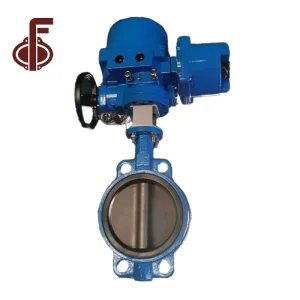
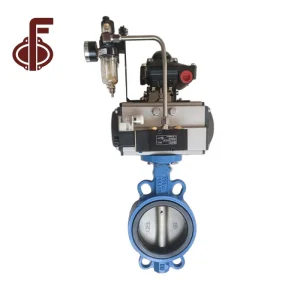
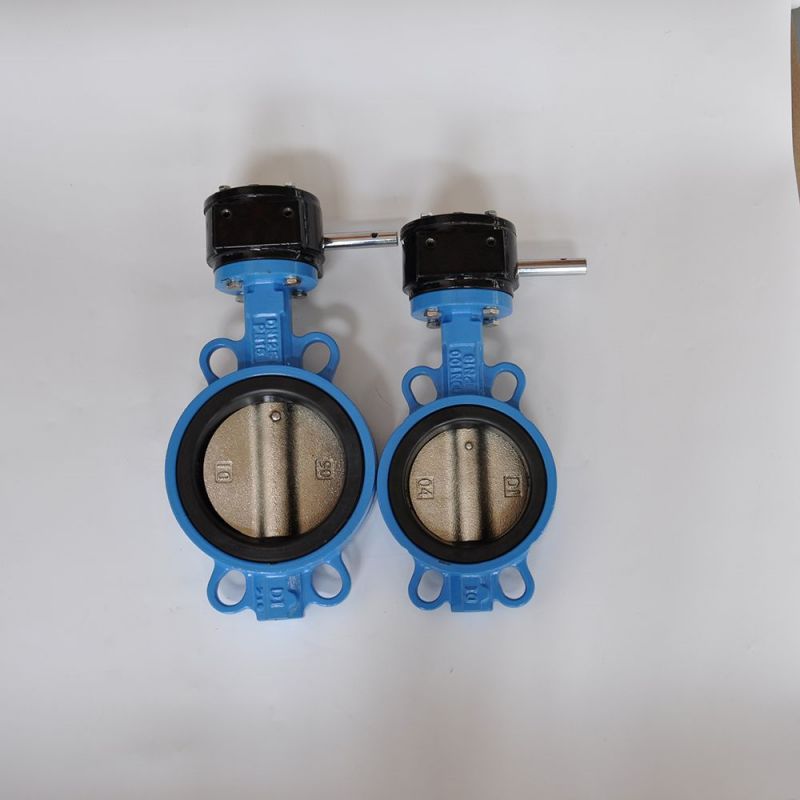
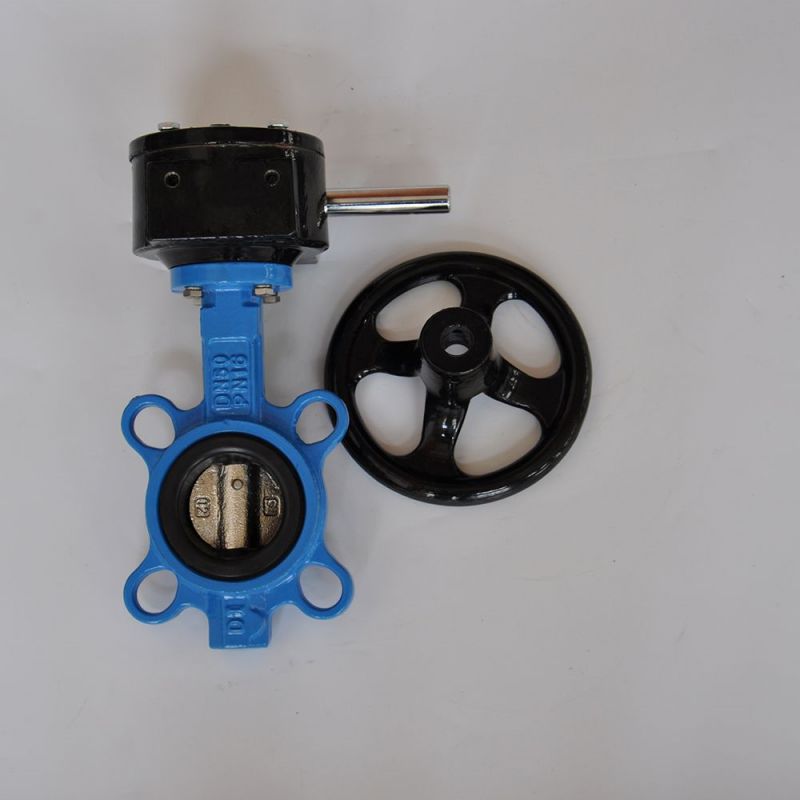
| Actuator | Hand Lever, Gear Box, Electric Actuator, Pneumatic Actuator |
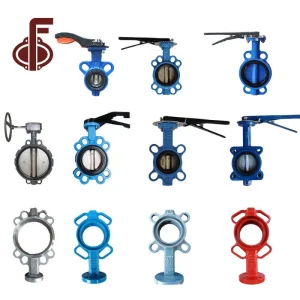
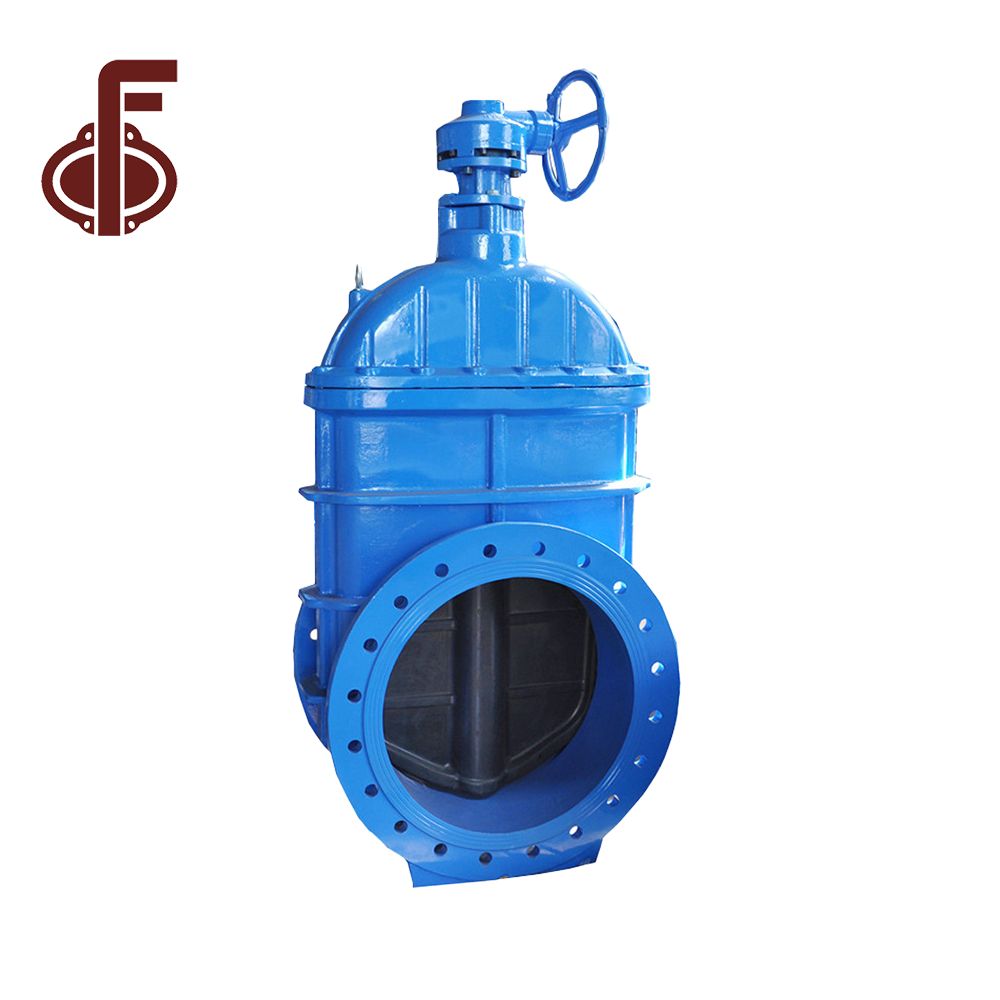
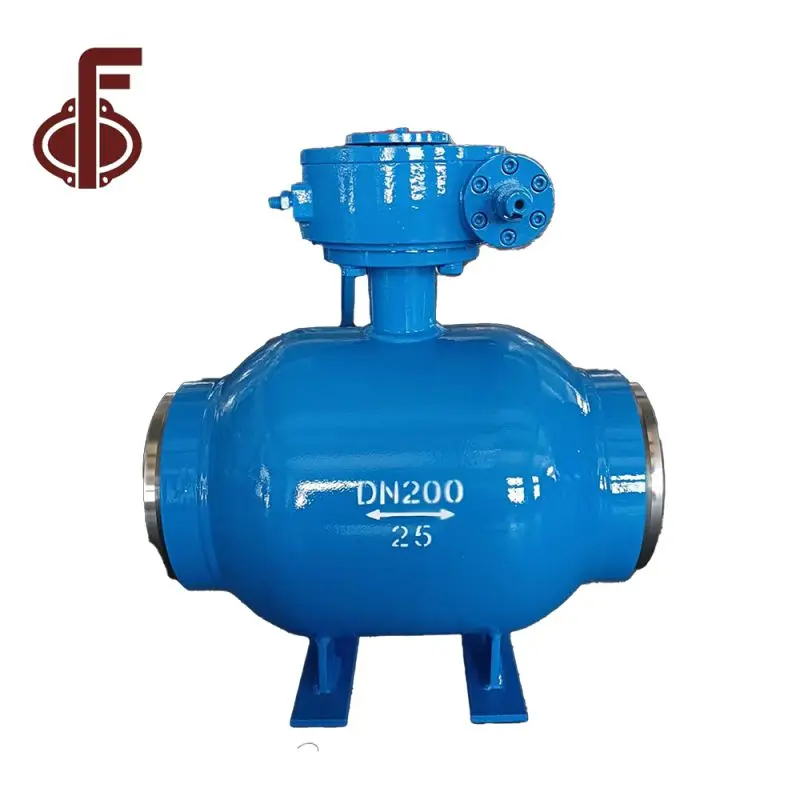
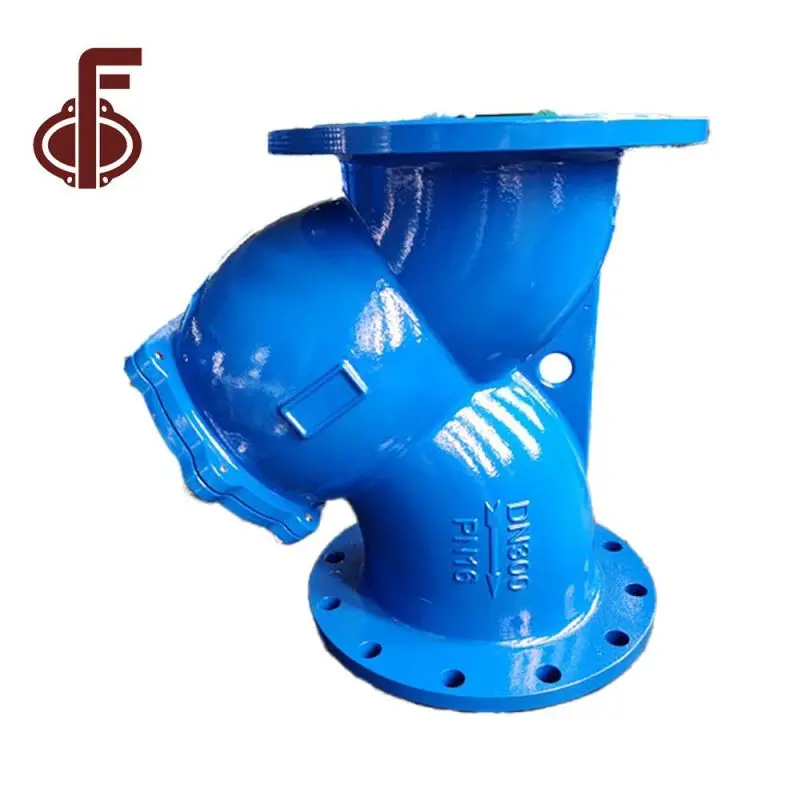
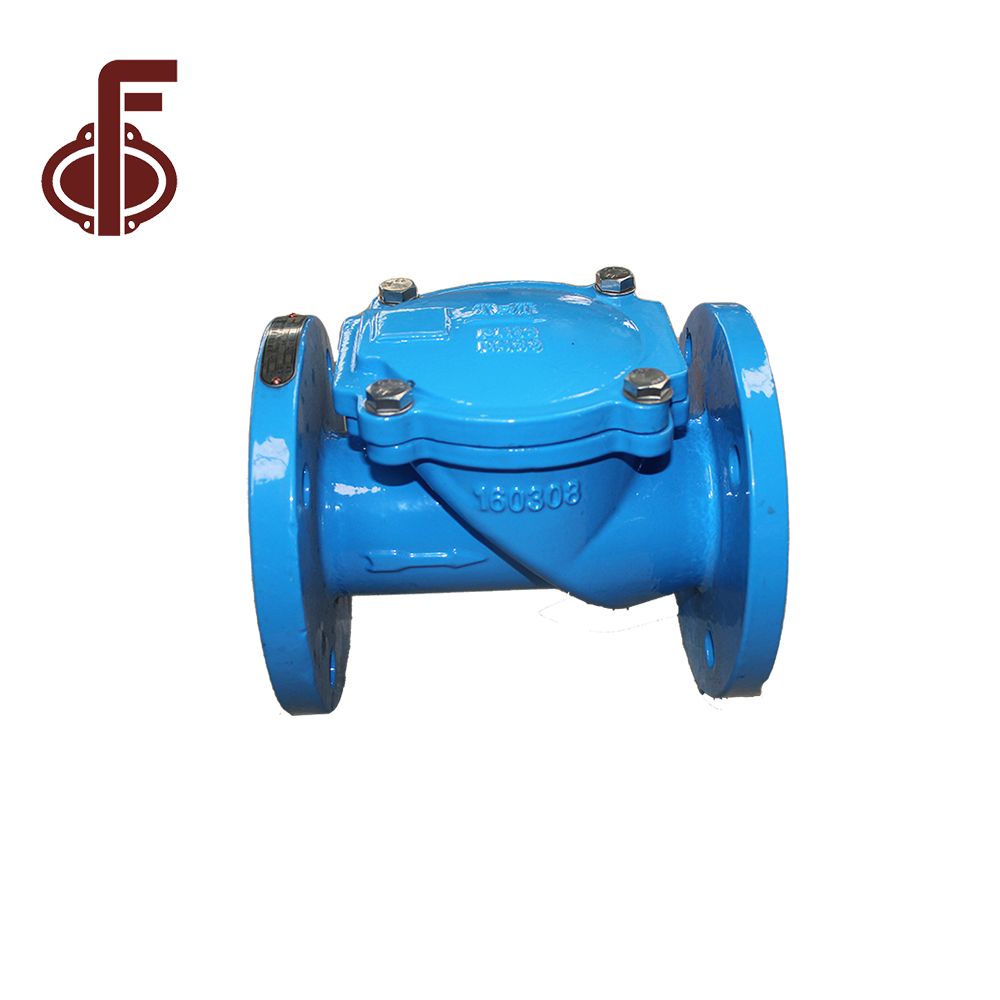
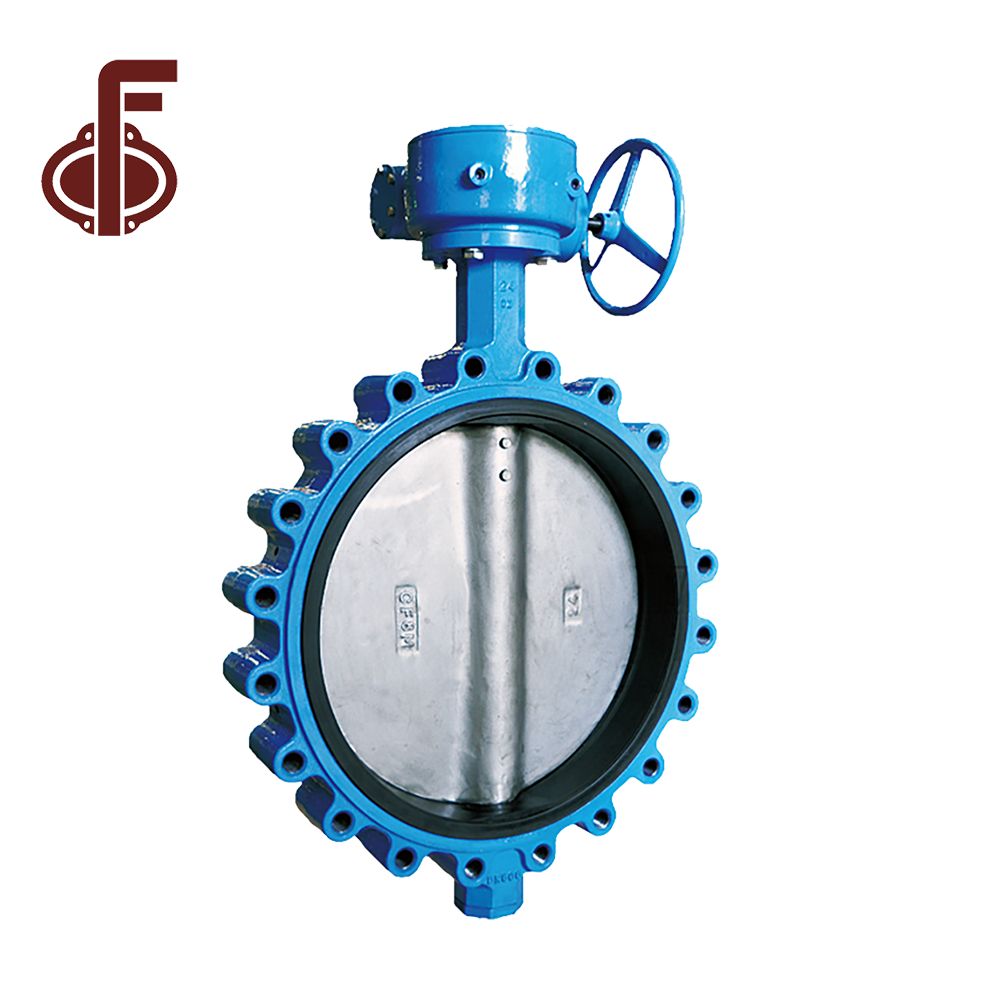
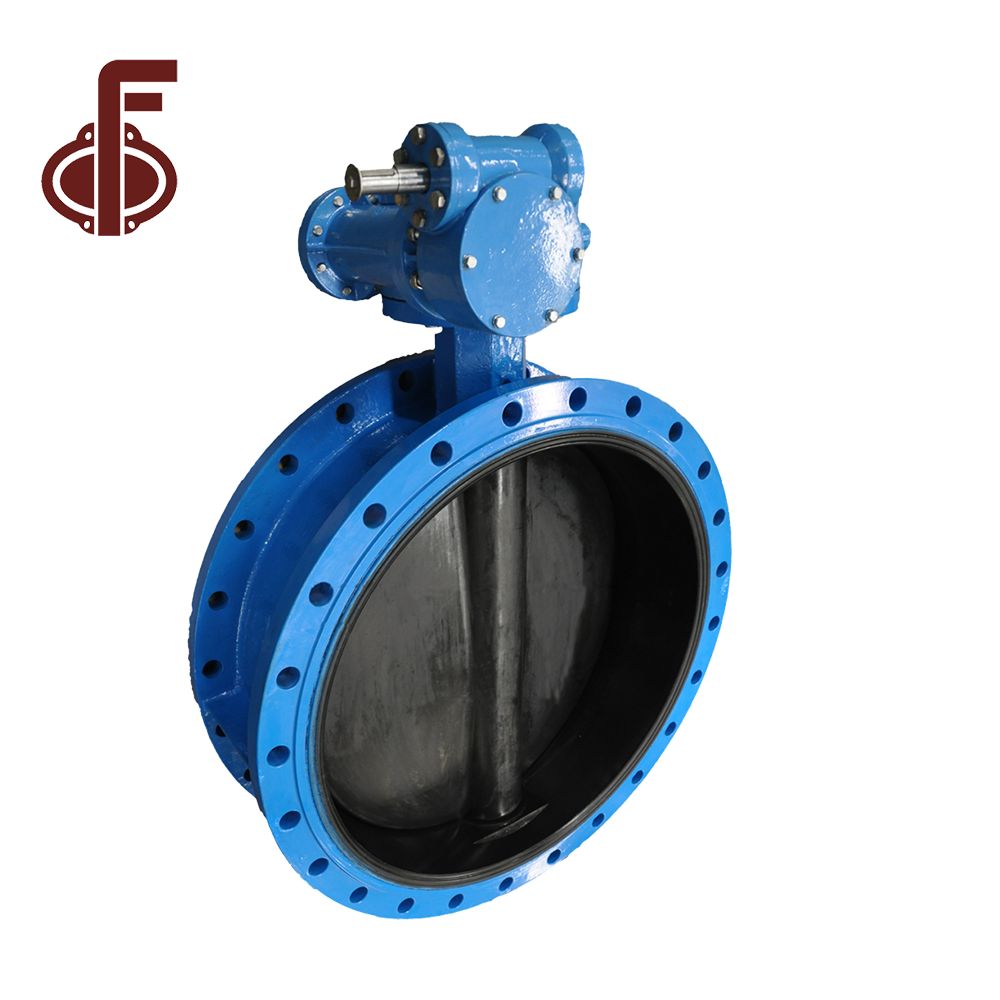
Product Gallery & Detail Showcase
Frequently Asked Questions (FAQ)
What material is used for the valve seat, and what is its expected lifespan?
The valve seat utilizes imported natural rubber with more than 50% rubber content, offering superior elasticity and long operational life. It is engineered to withstand more than 10,000 opening and closing cycles without damage.
How is the valve cleaned prior to delivery to prevent pipeline pollution?
Each valve undergoes rigorous ultrasonic cleaning in a specialized machine to thoroughly eliminate residual contaminants and particles, ensuring optimal cleanliness and avoiding system line pollution.
What are the epoxy powder coating specifications and baking procedures?
The valve uses an epoxy powder painting process with a minimum layer thickness of 250 µm. The valve body is preheated for 3 hours at 200°C, followed by powder solidification for 2 hours at 180°C to guarantee high corrosion resistance and adhesive strength.
Which standard governs the body thickness and pressure resistance of the valves?
Our valves are manufactured with standard wall thickness compliant with GB26640, ensuring robust structural integrity and the capability to reliably hold high pressures during critical service.
What standards and sizes are available for connection and mounting?
Sizes range from DN40 to DN1200 across PN10, PN16, CL150, JIS 5K, and JIS 10K pressure ratings. Face-to-face dimensions follow API609, BS5155, DIN3202, and ISO5752, while upper flange mountings comply with the ISO 5211 actuator interface standard.
What materials are used for the marker plate and manual handle assembly?
The manual handle is crafted from corrosion-resistant ductile iron with an ergonomic semicircle grip, coupled with an SS304 spring and pin. The side marker plate is laser-marked SS304 secured with stainless steel rivets for clean and durable identification.