
Industrial Double & Flanged Butterfly Valve Catalog (Part I)
Engineered to handle harsh industrial water, seawater, chemical, and HVAC services. Explore our precision CNC-machined configurations backed by factory direct traceability.
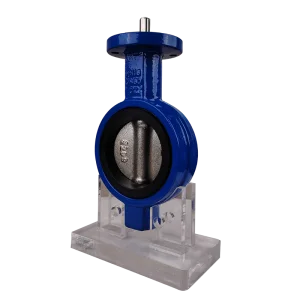
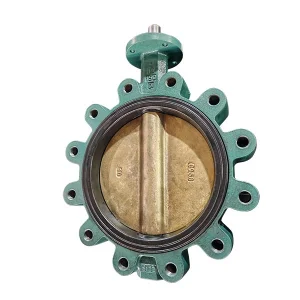
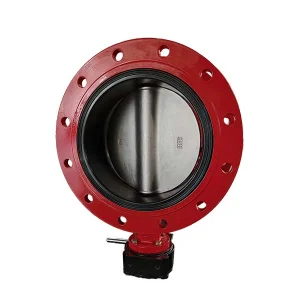
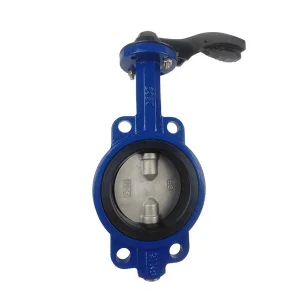
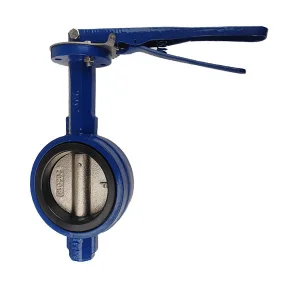
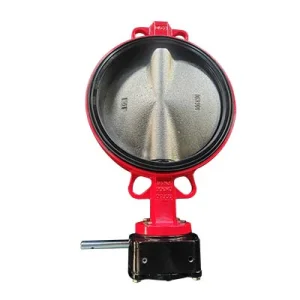
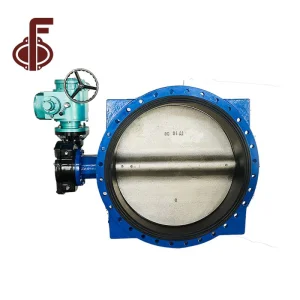
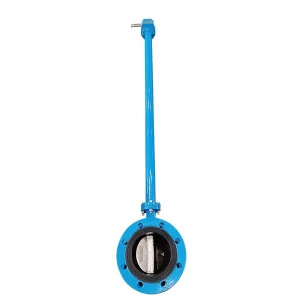
Empowering Global Critical Pipelines Since 2006
Operating from Tianjin's premier industrial valve manufacturing corridor, Tianjin Zhongfa Valve Co., Ltd. (ZFA Valve) engineers dependable high-flow fluid isolation technologies backed by ISO 9001 and CE compliance.
Year Founded & Engineering Heritage
Bidirectional Pressure Testing (API 598)
Global Flange Standards Covered
Direct OEM Technical Engineering Response
The Global Industrial Shift to Double Butterfly Valve Architecture
In modern industrial fluid handling, the term "Double Butterfly Valve" encapsulates three distinct yet interconnected engineering classifications: Double Eccentric (High-Performance) Butterfly Valves, Double Flanged Resilient Seated Valves, and Double Shaft / Dual Plate flow configurations. Over the last decade, heavy process industries—including municipal water desalination, district thermal heating, chemical refining, and marine ballast management—have rapidly decommissioned legacy cast iron gate valves and non-offset concentric valves in favor of advanced double offset geometries.
Kinematics of the Double Offset (Eccentric) Mechanism
The operational longevity of a double butterfly valve hinges on its dual-offset shaft kinematics:
- Offset 1 (Structural Offset): The rotational axis of the shaft is positioned behind the sealing plane of the valve disc. This arrangement provides a continuous 360-degree sealing surface without requiring the disc stem to penetrate through the elastomer or PTFE seat liner, preventing catastrophic stem leakage paths.
- Offset 2 (Hydrodynamic Centerline Offset): The stem axis is offset from the longitudinal centerline of the pipe diameter. During opening, this secondary eccentric geometry acts like a cam. The disc lifts instantly away from the body seat within the first 1 to 3 degrees of rotation, completely eliminating circumferential friction and seat gouging.
This camming motion preserves the physical integrity of EPDM, NBR, Viton, or PTFE seat rings over hundreds of thousands of duty cycles, guaranteeing bubble-tight bidirectional isolation (ISO 5208 Rate A) even across severe vacuum and high-pressure differentials up to Class 300 / PN40.
| Performance Parameter | Concentric (Zero Offset) | Double Offset (Double Butterfly) | Triple Offset (TOV Metal Seat) |
|---|---|---|---|
| Disc-Seat Contact | Continuous rubbing through 90° travel | Cam action: contact only at final 1°–3° | Zero friction: purely conical angular contact |
| Operational Torque Profile | High (Elastomer compression friction) | Medium-Low (30–40% torque reduction) | Lowest breakaway torque requirement |
| Pressure Rating Scope | PN6 – PN16 (Class 125/150) | PN10 – PN40 (Class 150/300) | PN10 – PN100 (Class 150/300/600/900) |
| Temperature Spectrum | -20°C to +120°C (Elastomer limited) | -50°C to +260°C (PTFE / RTFE / Metal) | -196°C (Cryogenic) to +650°C (Extreme Heat) |
| Primary Target Application | Low pressure HVAC, building water | Industrial water, District cooling, Desalination | Refinery steam, Hydrocarbons, High pressure gas |
Why Global EPCs & Brand Owners Choose China OEM Foundries
High capital plant investments require valves that balance rigorous ASME/EN metallurgical standards with scalable, cost-competitive manufacturing cycles. Here is how our production cluster achieves industry-leading efficiency.
Vertically Integrated Foundries
By co-locating automatic resin-sand molding lines and induction melting furnaces in Tianjin, our casting facilities eliminate external sub-tier logistics. Ductile Iron GGG40/GGG50, Cast Steel WCB, and Stainless CF8/CF8M melts are monitored using optical emission spectrometers for zero metallurgical deviance.
5-Axis CNC Machining Accuracy
Disc profile geometry and stem bores are machined on automated horizontal CNC work centers. This preserves concentricity to within ±0.015mm, guaranteeing identical seating torque and eliminating seal deformation under prolonged dynamic hydrodynamic loading.
Electrostatic Fusion Coating
Valves are coated with non-toxic, drinking water-approved (WRAS/NSF) electrostatic epoxy powders cured at 200°C. Standard coatings exceed 250μm dry film thickness (DFT), tested at 3000V holiday spark detection for total pore-free subterranean and seawater corrosion immunity.
Mission-Critical Application Scenarios
Custom-trimmed double butterfly valves are deployed globally where catastrophic valve failure is unacceptable. Explore our tailored configurations across 4 critical industrial sectors.
Seawater Desalination (SWRO)
Challenge: High chloride pitting (PREn > 40) and galvanic corrosion in high-pressure reverse osmosis membranes.
Engineered Solution: Double flanged double eccentric valves with ASTM B148 C95800 Nickel Aluminum Bronze or Super Duplex 2507 discs, vulcanized hard-back EPDM seats, and Monel K500 splined shafts.
District Thermal Heating (HVAC)
Challenge: High continuous water temperatures (120°C - 160°C) with periodic pressure surges and chemical scale build-up.
Engineered Solution: High-performance double offset butterfly valves with carbon steel WCB bodies, 316SS discs, and self-energizing RPTFE or flexible graphite/metal composite seats rated up to 220°C.
Municipal Water Trunk Mains
Challenge: Massive flow volumes (DN600 up to DN2400) requiring minimal line resistance and zero dead-end water hammer.
Engineered Solution: EN 593 double flanged eccentric butterfly valves with ductile iron GGG50 body, welded stainless steel 304/316 body seat ring, streamlined tear-drop disc, and multi-turn IP68 worm gearboxes.
Marine & FPSO Ballast Control
Challenge: Confined space constraints, heavy salt-mist atmospheric corrosion, and stringent DNV/ABS class compliance.
Engineered Solution: Compact wafer and lugged two-shaft double butterfly valves with aluminum-bronze bodies, vulcanized NBR liner resistant to crude residual hydrocarbons, and hydraulic actuators.
Future Engineering Trends in Butterfly Valve Manufacturing
The valve manufacturing sector is currently undergoing an unprecedented technological transition driven by global ESG criteria, low-emission mandates, and digital pipeline intelligence:
Fugitive Emission Compliance
Under ISO 15848-1 and TA-Luft Class B requirements, traditional packing glands are replaced by live-loaded PTFE cup-and-cone rings energized by Belville springs, reducing atmospheric VOC emissions to under 50 ppmv across 100,000 thermal-mechanical cycles.
CFD-Optimized Disc Geometry
Using 3D Computational Fluid Dynamics (CFD), OEM engineers sculpt aerodynamic disc contours that cut the local drag coefficient by 18%, reducing cavitation erosion downstream and raising the inherent Flow Coefficient (Cv) across intermediate angles.
Digital Smart Actuation Loops
Double butterfly assemblies are increasingly paired with intelligent electro-hydraulic and modulating smart electric actuators featuring integrated Modbus, Profibus, or WirelessHART protocols that transmit real-time torque degradation and cycle telemetry.
EPC Sourcing Protocol & Inspection Matrix
When selecting an OEM butterfly valve manufacturer in China, procurement teams must enforce stringent inspection procedures to guarantee zero on-site non-conformities.
Material Traceability (EN 10204 3.1)
Every structural valve casting (body, disc, retaining flange) must be heat-traceable with certified mill test reports documenting chemical melt breakdown and Charpy V-notch impact toughness values at ambient and sub-zero temperatures.
Pressure Proofing (API 598 / EN 12266)
Hydrostatic shell test must be sustained at 1.5× PN rating, with high-pressure hydrostatic seat sealing test at 1.1× PN and low-pressure pneumatic air test at 0.6 MPa, verified for absolute zero leakage (Rate A) in both upstream and downstream directions.
Export Packaging & Preservation
Flange faces are shielded with UV-stabilized heavy polyethylene protective end caps and internal contact surfaces treated with vapor corrosion inhibitor (VCI) desiccants, housed in IPPC heat-treated, fumigated multi-ply export wooden crates.
Frequently Asked Questions (Technical & Procurement FAQ)
Direct engineering insights answering the most critical questions posed by project contractors, distributors, and pipeline operators.
Industrial Double & Flanged Butterfly Valve Catalog (Part II)
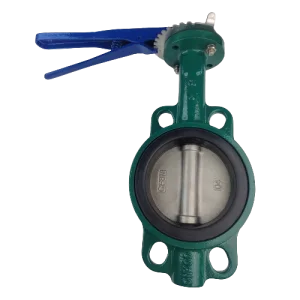
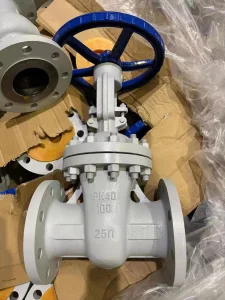
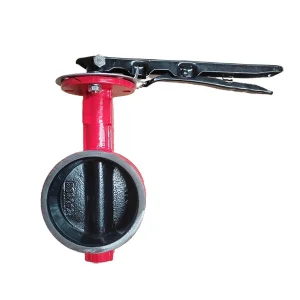
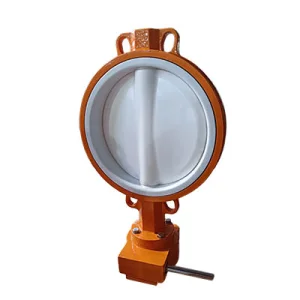
Complete your pipeline specifications with our advanced high-pressure gate, grooved firefighting, PTFE corrosive media, and triple offset metal seated solutions.
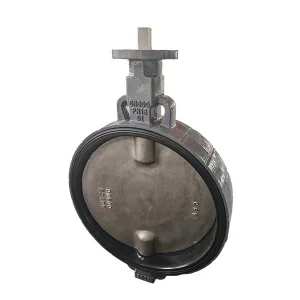
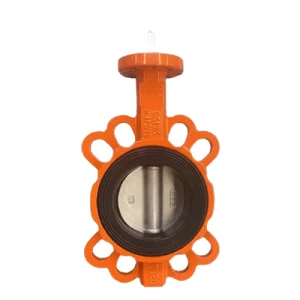
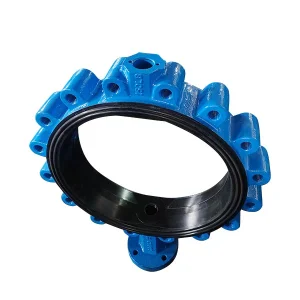
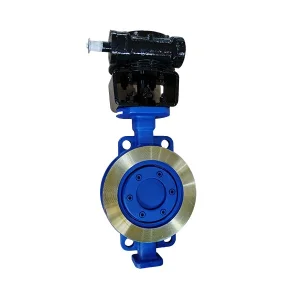
Initiate Your Custom Double Butterfly Valve Engineering Specification
Whether you require custom OEM valve branding, special alloy trims (C95800 / 2507 Super Duplex), or bespoke actuation packages (Pneumatic / Modulating Electric / IP68 Submersible), our senior valve application engineers will review your datasheet and respond within 24 hours.
