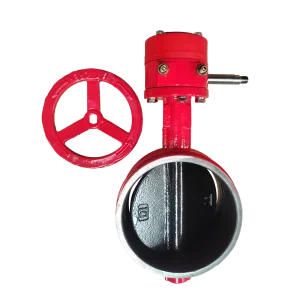
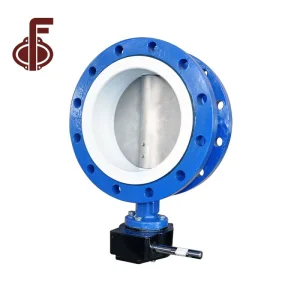
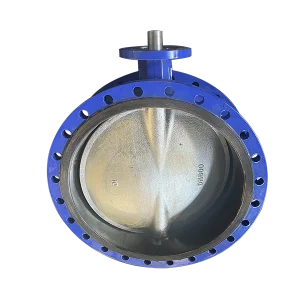
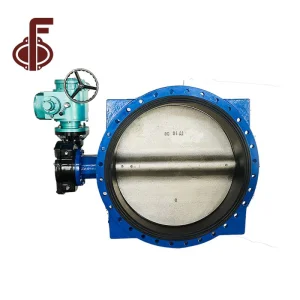
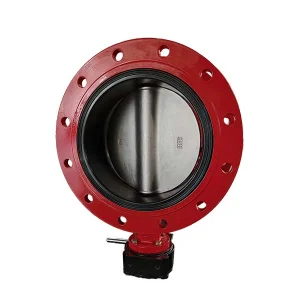
Engineered Butterfly & Process Isolation Valves (OEM Tier-1)
Manufactured according to EN 593, AWWA C504, and API 609 standards with hydrostatic zero-leakage factory acceptance testing.
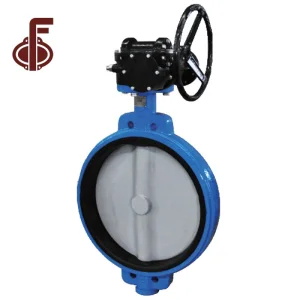
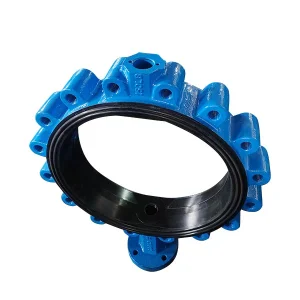
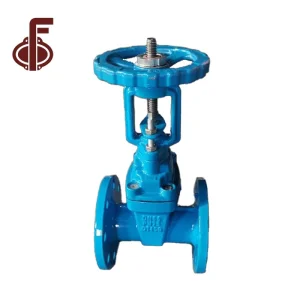
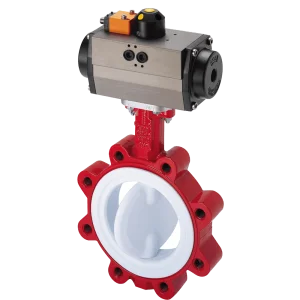
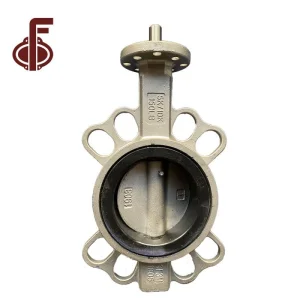
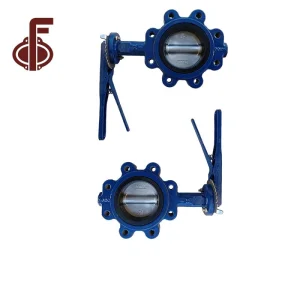
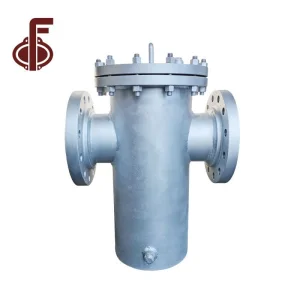
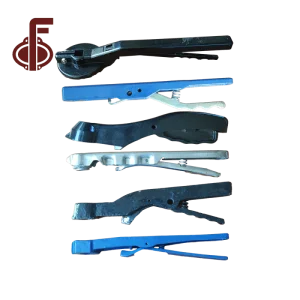
Year Established (Tianjin, China)
Double Flange Size Spectrum
Bidirectional Zero-Leakage Tested
Rapid Technical EPC Response
Engineering Superiority: Double Flange Geometry Over Wafer & Lug Styles
In mission-critical municipal pumping stations, thermal cooling circuits, and high-pressure desalination facilities, pipe stress and hydrodynamic moments present severe failure vectors for flow infrastructure. While concentric wafer and lug designs provide lightweight installation for compact spaces, they lack the inherent tensile and bending resistance required for high mechanical loads. Double flanged butterfly valves incorporate dedicated integral flanges at both ends, conforming to EN 1092-2, ASME B16.5, and AWWA C207 specifications.
Critical Engineering Distinctions in Dead-End Installation
Unlike wafer valves clamped via long through-bolts that expand under heat cycles, double flanged butterfly valves feature independent end bolting. This allows full rated downstream line blanking and inline pipe disassembly without disturbing the upstream pressure barrier, eliminating accidental system drain-downs during pump maintenance.
Comprehensive Structural & Material Matrix
Precision-tailored metallurgy, elastomeric polymers, and actuation profiles designed for extended 30-year design cycles.
| Component Parameter | Standard Specification | Severe Service / High-Temperature Option | Test & Inspection Norms |
|---|---|---|---|
| Nominal Diameter | DN50 – DN1200 (2" – 48") | DN1400 – DN3200 (56" – 128") Fabricated/Cast | ISO 5752, EN 558 Series 13 / 14 |
| Pressure Rating | PN10, PN16, Class 150 (AWWA Class B) | PN25, PN40, Class 300, 600 | EN 12266-1, API 598, ISO 5208 |
| Body Materials | Ductile Iron (EN-GJS-400-15 / 500-7 / ASTM A536) | Carbon Steel WCB, Duplex 2205, SS316, Super Duplex | EN 10204 3.1 MTR, RT/UT NDT Verification |
| Disc Profiles | Ductile Iron (Nylon-11 / Epoxy coated), CF8, CF8M | Nickel Aluminum Bronze (C95800), Monel, Hastelloy | CFD Hydrodynamic Contoured Streamline |
| Sealing Mechanisms | Bonded/Vulcanized EPDM, NBR, FKM (Resilient) | Laminated SS316 + Graphite, Stellite hardfaced metal seat | ISO 5208 Rate A (Zero Leakage, Bidirectional) |
| Stem Architecture | Two-Shaft Pinless (SS410, SS420, SS431) | Single Through-Shaft Monel K500, 17-4PH Precipitation | Anti-Blowout Design complying with API 609 |
Concentric Soft-Seated Design
Engineered for potable water distribution, HVAC, and civil irrigation lines where cost-efficiency and reliable bubble-tight shutoff are vital.
- Vulcanized or easily field-replaceable seat profiles
- EPDM liner prevents galvanic contact with iron body
- Low actuation torque reducing gearhead cost
Double Eccentric (High-Performance)
Features an offset stem axis and disc profile that disengages from the seat within the first few degrees of opening to minimize friction.
- Extended seat lifespan over 100,000 cycles
- Ideal for raw intake, sludge handling, and district heating
- Reduced seal deformation under constant dynamic flow
Triple Eccentric Metal-to-Metal
Geometry incorporates an angled conical sealing plane producing frictionless camming action, purpose-built for extreme heat and high pressures.
- Inherently fire-safe tested to API 607 / ISO 10497
- Temperature thresholds reaching -196°C to +550°C
- Zero rubbing action across seat during rotation
Macro-Industry Solutions & Infrastructure Engineering
Deployment frameworks verified across international mega-projects, petrochemical utilities, and desalination facilities.
Municipal Water Transmission & Desalination
Potable trunk lines, seawater intake headers, and RO brine rejection conduits demand ultra-durable, corrosion-proof materials to eliminate biofouling and cavity wear.
- WRAS & NSF/ANSI 61 approved fusion-bonded epoxy (min 300μm)
- Super Duplex (2507) and Nickel-Alu Bronze trims for marine salinity
- Flanged rigid body eliminates bolt stress under buried soil loads
Thermal, Nuclear & Hydro Power Generation
Condenser cooling loops, circulating CW lines, and penstock inlet isolation experience constant high flow velocities up to 5 m/s and severe water hammer events.
- Heavy-duty anti-cavitation trim plates mitigate pressure spikes
- Electric rotary multi-turn actuators with fail-safe counterweights
- Dual-shaft pinless construction eliminates flow turbulence
Petrochemical & Refinery Utilities
Flanged butterfly valves deployed in cooling water headers, sour gas flare piping, and utility air systems where safety against fugitive emissions is critical.
- ISO 15848-1 certified low-emission dynamic gland packing
- Fire-tested certifications to API 607 for flammable atmospheres
- Complete traceability via EN 10204 Type 3.1 chemical certification
China Factory 4.0: Supply Chain Resilience & Modern Cost Advantages
How automated production, advanced metallurgy control, and deep regional integration in Tianjin de-risk international procurement.
Automated Sand Casting
Automated static and resin-sand molding lines produce uniform body thickness, preventing wall porosity and mechanical stress concentrations.
5-Axis CNC Machining
Flange bolt holes, raised face serrations, and disc sealing edges are machined in a single setup to achieve tight concentricity tolerances within ±0.02mm.
Integrated Spectrometry & Testing
Direct-reading optical emission spectrometers verify carbon and alloy ratios in every heat, accompanied by full ultrasonic and radiographic non-destructive examination.
Logistical Proximity to Tianjin Port
Located in the heart of northern China's industrial valve corridor, offering fast container handling and lower inland transportation costs for sea exports.
Global Enterprise Procurement Needs & Localized Compliance
Eliminate project execution risks with comprehensive international certification packages, digital inspection records, and fast warranty support.
International Certification Compliance
All double flanged butterfly valves conform to pressure equipment safety directives and drinking water hygiene requirements.
- European CE / PED 2014/68/EU Module H verification
- ISO 9001:2015, ISO 14001, and ISO 45001 management
- Drinking water standards: WRAS, DVGW, and ACS compliant
Global Engineering Documentation
Comprehensive technical dossier supplied with each production batch, easing engineer-of-record signoffs for EPC contracts.
- Complete 2D/3D CAD and Revit/BIM parameter blocks
- Full EN 10204 Type 3.1 certification covering chemistry and tensile properties
- Witnessed factory acceptance testing (FAT) video feeds
Heavy Export Packing Standards
Engineered shipping protection prevents structural deflection, stem misalignment, and paint abrasion during maritime transit.
- IPPC ISPM-15 heat-treated solid timber casing
- Flange face protective blanking covers and desiccants
- Moisture-barrier vacuum shrink wrapping for sea freight
Technological Roadmap & Future Flow-Control Innovations
Where advanced material science meets industrial digitalization: how double flanged valves are evolving for autonomous processes.
IoT-Enabled Smart Valve Nodes
Integrating non-invasive acoustic sensors, wireless vibration pickups, and digital stem positioners to monitor seal wear and torque abnormalities before catastrophic line downtime.
- Modbus, HART, and Foundation Fieldbus interoperability
- Edge computing for preventive cavitation alerts
Advanced Composite & Graphene Liners
Researching fluoropolymer-graphene hybrid matrices to provide total impermeability against micro-abrasive mining tailings and harsh industrial acids at temperatures up to 220°C.
- Reduced hydrodynamic friction, cutting pumping power consumption
- 3x longer operational service in aggressive abrasive slurries
Low-Carbon Foundry Modernization
Adopting electric induction furnaces, recycled scrap sorting, and closed-loop sand reclamation systems to lower carbon emissions per valve body cast by over 38%.
- Scope 1 and Scope 2 carbon footprint documentation
- Sustainable supply chains tailored for green building & ESG targets
Frequently Asked Questions on Double Flange Valves
Direct technical answers to help purchasing teams, plant operators, and piping engineers verify specifications.
What is the primary advantage of choosing double flanged over wafer or lug butterfly valves?
How does face-to-face dimension differ between EN 558 Series 13 and Series 14?
Can double flanged butterfly valves be buried underground without a vault?
What seat materials should be specified for seawater and high-salinity lines?
What non-destructive testing (NDT) documentation is provided with an OEM export order?
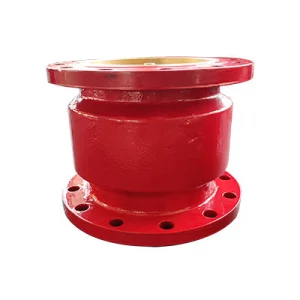
Large-Bore, Check & Control Valve Configurations
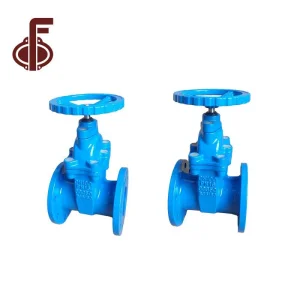
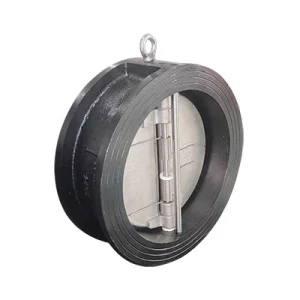
Complete fluid management hardware tested to international standards for critical municipal, power, and industrial piping loops.