
Engineered Butterfly Valves & Flow Control Components (Part 1)
Explore our core OEM precision engineered quarter-turn units. Every lug and wafer butterfly valve undergoes 100% pneumatic seat tests and hydrostatic shell evaluations before global shipment.
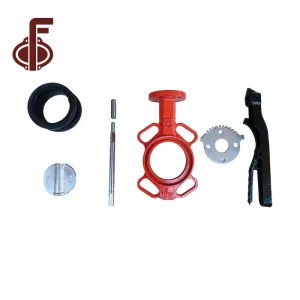
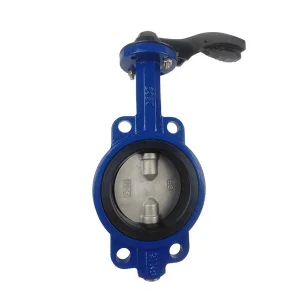
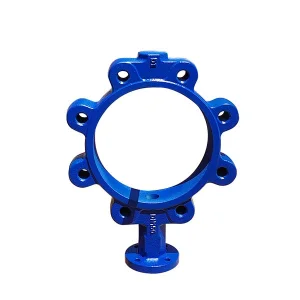
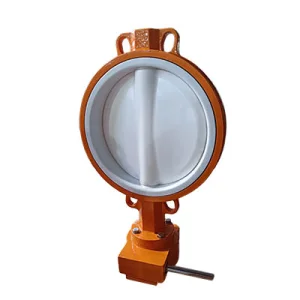
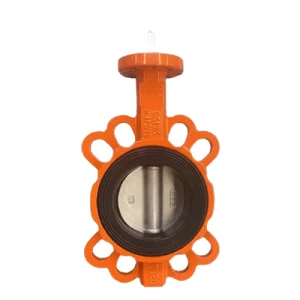
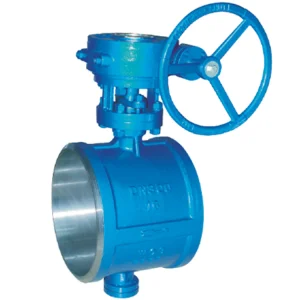
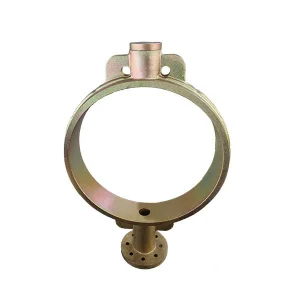
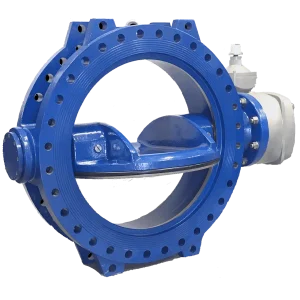
Engineering Principles of Lug Butterfly Valves: Dead-End Isolation & Reliability
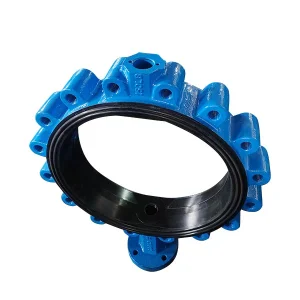
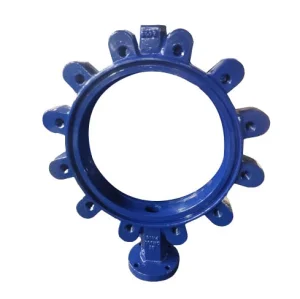
Unlike wafer designs that require balanced clamping between two flanges, a threaded lug butterfly valve utilizes individually tapped bolt lugs matching ANSI Class 125/150 or EN 1092-1 PN10/PN16 patterns, facilitating independent pipeline downstream servicing.
Full Dead-End Service Capability
Lug body valves can be bolted directly to the termination of a pipeline without requiring a downstream mating flange. Engineered with high tensile ductile iron (QT450-10 / EN-GJS-450-10) or cast steel (WCB), our valves maintain full differential shut-off up to 16 Bar (232 PSI) in dead-end configurations.
- Enables downstream equipment isolation and pump changeout
- No fluid back-pressure leakage during pipe dismantling
- Strict adherence to API 609 Category A & MSS SP-67 specs
Optimized Hydrodynamic Disc Profiles
CF8M (SS316), Aluminum Bronze (C95800), and ductile iron nylon-coated discs are contoured using computational fluid dynamics (CFD) modeling to maximize the flow coefficient (Cv/Kv) while mitigating localized turbulence and cavitation erosion along high-velocity boundary layers.
- Significantly reduced pressure drops across wide open throttles
- Lower dynamic operating torques prolonging actuator longevity
- Pinless & through-shaft designs preventing internal crevice corrosion
Interchangeable Resilient Seating Cartridges
Featuring precision-molded phenolic or hard-backed elastomer liners, the liner forms an integral self-energizing flange seal, completely isolating the ductile iron body from pipeline media. This entirely eliminates the need for supplementary flange gaskets.
- EPDM (potable water, HVAC, mild acids: -20°C to +120°C)
- NBR (petrochemicals, oily sludge, hydraulic fluid: -10°C to +82°C)
- PTFE/PFA (chemical synthesis, pharmaceutical purity: -20°C to +180°C)
China Factory 4.0: Supply Chain Resilience, Automation & Quality Traceability
Located in Tianjin—the world's foremost industrial valve manufacturing cluster—Tianjin Zhongfa Valve Co., Ltd. (ZFA Valve, established 2006) combines automated green sand molding, 5-axis CNC machining centers, and digitized hydrostatic testing to deliver agile OEM manufacturing at competitive economics.
Vertically Integrated In-House Foundry
By operating our own specialized ductile iron and carbon steel casting line, ZFA eliminates supply bottlenecks and avoids porosity defects common in outsourced casting. Optical emission spectrometers verify metallurgical chemistries before any mold is poured.
- Nodularity rate consistently above 90% in ductile iron casting
- Real-time melt chemical analysis linked to heat batch records
- Full conformance to ASTM A536 65-45-12 and EN 1563 GJS-500
Precision CNC Machining & Tapping
Lug bolt threads are critical interface points. We employ multi-spindle automated CNC drilling and tapping machinery to manufacture metric (M12–M36) and imperial UNC/UNF threads with tight Class 2B/6H tolerances, preventing cross-threading or lug galling on job sites.
- Simultaneous multi-axis flange facing and bore finishing
- Zero-backlash stem drive square/keyway broaching
- CMM automated dimensional validation of seat compression grooves
100% Pressure Shell & Seat Certification
Every single valve undergoes pressure testing strictly exceeding ISO 5208 Rate A and API 598. Shell tests at 1.5x PN and bi-directional resilient seat tests at 1.1x PN verify zero visible air or water leakage. Data logging guarantees unalterable digital inspection reports.
- Hydrostatic shell test at 24 bar (350 psi) for PN16 ratings
- Pneumatic seat bubble test under water at 6 bar
- EN 10204 3.1 Material Test Reports (MTR) provided as standard
Macro-Industry Engineering Solutions: Built for Harsh Flow Regimes
From seawater reverse osmosis (SWRO) to municipal district cooling systems and chemical dosing skid packages, our lug-type and double-eccentric butterfly valves are engineered for severe thermal, pressure, and chemical environments.
Marine, Desalination & Offshore Ballast
Seawater environments generate aggressive chloride pitting and crevice corrosion. ZFA configures lug butterfly valves with ASTM B148 C95800 Nickel Aluminum Bronze (NAB) bodies and discs, or duplex 2205/2507 alloys combined with high-grade peroxide-cured EPDM seats.
- Superior resistance to bio-fouling and high-velocity sea water erosion
- Ideal for FPSO ballast systems, scrubbers, and SWRO desalination
- Compliant with DNV, BV, and Lloyd's Register marine design standards
District HVAC, Chilled Water & Geothermal
For high-rise buildings and modern district cooling energy centers, long maintenance cycles are mandatory. Our replaceable phenolic-backed EPDM seats prevent distortion under high cycling frequencies, delivering millions of bubble-tight shut-off strokes.
- Direct mounting flange conforming to ISO 5211 for rapid actuator pairing
- Low breakaway torque reducing electric and pneumatic actuator sizing costs
- Condensation-free neck extension designed for pipe lagging insulation
Chemical Processing & Corrosive Dosing
Where aggressive acids, caustic solutions, and industrial solvents would destroy standard elastomer seats, our PTFE and PFA fully-lined wafer and lug butterfly valves isolate all wetted metallic surfaces. Pure virgin PTFE liners ensure absolute process purity.
- Minimum 3mm thick PTFE/PFA liner over ductile iron casting substrate
- Silicone or Viton energizer backing for constant resilient disc pre-load
- Compliant with FDA 21 CFR 177.1550 for sanitary and food-grade pipelines
Material Selection Matrix & Operational Temperature Limits
Selecting the optimal body, disc, stem, and elastomer combination prevents early pipeline failures. Review our technical material matrix engineered to support EPC datasheet specifications.
| Component | Material Standard | Nominal Temperature Range | Recommended Service Media | Key Operational Advantages |
|---|---|---|---|---|
| Valve Body | Ductile Iron EN-GJS-450-10 / ASTM A536 65-45-12 | -20°C to +150°C (Elastomer Dependent) | Potable water, sewage, chilled HVAC lines, fire loops | High tensile strength, superior impact resistance, cost-efficient |
| Valve Body (Severe) | Cast Carbon Steel WCB / SS316 CF8M | -29°C to +425°C | Hydrocarbons, steam utility, refined petroleum, chemical skids | High thermal resistance, elevated pressure rating (ASME Class 150/300) |
| Disc (Standard) | CF8M (Stainless Steel 316) / CF8 (SS304) | -40°C to +200°C | Demineralized water, treated wastewater, mild chemicals | Mirror-polished disc edge prevents seat tear, anti-galling finish |
| Disc (Marine) | Nickel Aluminum Bronze C95800 / Super Duplex 2507 | -29°C to +180°C | Raw seawater, brine discharge, marine ballast systems | Extreme chloride pitting resistance, high cavitation erosion endurance |
| Resilient Seat: EPDM | Ethylene Propylene Diene Monomer (Food/Industrial) | -20°C to +120°C | Potable water, municipal HVAC, compressed air, glycol solutions | Superior ozone/weathering resistance; completely unsuitable for hydrocarbons |
| Resilient Seat: NBR | Nitrile Butadiene Rubber (Buna-N) | -10°C to +82°C | Diesel, mineral oils, hydraulic fluids, natural gas lines | High fuel/oil swelling resistance; vulnerable to ozone exposure |
| Polymeric Seat: PTFE | Polytetrafluoroethylene (Pure Virgin / Reinforced) | -20°C to +180°C | Sulfuric acid, chlorine solutions, organic solvents, pharmaceuticals | Universal chemical inertness, near-zero friction coefficient, FDA compliant |
Global Enterprise OEM Procurement: Private Labeling & Compliance
Tianjin Zhongfa Valve serves leading valve brands and major engineering distributors in Europe, North America, the Middle East, and Southeast Asia. We provide end-to-end white-label contract manufacturing supported by extensive documentation.
Private Labeling & Custom Branding
We provide precision casting molds customized with your proprietary brand logo, customized valve body markings, custom RAL epoxy color coats (standard RAL5015 / RAL5005 or tailored options), and customized laser-etched 304/316 stainless steel nameplates.
- Cast logo on valve body casting or smooth-faced tag mounts
- Customized carton and fumigated plywood crate packaging
- Barcode labels and QR-coded digital product tracking tags
Comprehensive Actuation Integration
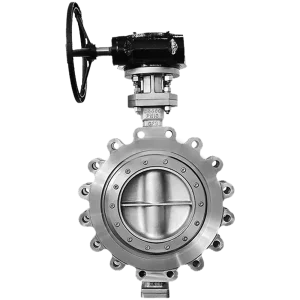
Valves are engineered with top flanges compliant with ISO 5211 (F05, F07, F10, F12, F14, F16) and standard square or keyed stem drives, ensuring seamless direct assembly of electric, pneumatic, and hydraulic actuators without costly adapter brackets.
- Pre-installed manual lockable lever handles or worm gearboxes
- Pneumatic double-acting / spring-return actuation with NAMUR solenoid
- Intelligent Modbus/Profibus electric modulating actuators
Audit-Ready Quality Dossiers
Each export container includes a comprehensive Quality Dossier containing EN 10204 Type 3.1 material certificates, pressure test inspection reports, coating thickness DFT verification records, and CE Declaration of Conformity to satisfy EPC project auditors.
- Positive Material Identification (PMI) spectrometer validation
- High-voltage spark testing on rubber and PTFE lined components
- Full traceability from raw iron ingot melt to finished crated valve
Technology Roadmap (2025–2035): The Future of Intelligent Flow Control
Industrial flow loops are rapidly transitioning toward zero fugitive emissions, smart IoT predictive telemetry, and hydrogen-compatible metallurgies. Explore ZFA Valve's research initiatives guiding the next decade of valve engineering.
IoT-Enabled Smart Condition Monitoring
Future high-performance installations require real-time valve status insight without manual inspection. ZFA is developing smart sensorized valve stems capable of continuously monitoring torque profiles, vibration spectrums, and thermal cycling.
- Early detection of seat wear and disc scale build-up before seal rupture
- Wireless LoRaWAN & Industrial Bluetooth mesh communication
- Direct integration with SCADA and cloud-based predictive maintenance systems
Ultra-Low Fugitive Emission Stem Sealing
With aggressive global decarbonization regulations (EPA Class VI, ISO 15848-1, TA-Luft), valve stem leakage represents an unacceptable environmental hazard. Our engineering team has pioneered multi-stage self-adjusting V-ring packing systems.
- Live-loaded Belleville disc spring assemblies maintaining constant packing load
- Stem runout tolerances held below 0.02mm via super-finish micro-grinding
- Fugitive emission leakage rates below 100 ppmv during 20,000 mechanical cycles
Hydrogen & Cryogenic Metal Sealing
As green hydrogen production accelerates, valves must overcome hydrogen embrittlement and micro-molecule permeation. Our triple-eccentric lug valve roadmap introduces hardened Stellite 21 metal seals and austenite nickel-alloy stems rated down to -196°C.
- Frictionless quarter-turn conical sealing geometry
- Zero elastomer exposure, eliminating polymer gas blistering and explosive decompression
- Class VI bi-directional shutoff under cryogenic test regimes
Frequently Asked Questions: Lug Butterfly Valve Engineering & Sourcing
Detailed engineering and procurement insights addressing specific design queries, torque evaluations, and standard compliance questions encountered by EPC piping engineers.
What is the critical mechanical difference between wafer and lug butterfly valves?
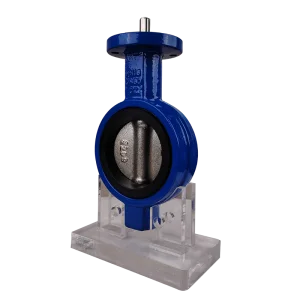
Wafer butterfly valves feature smooth clearance holes or no lugs at all, designed to be clamped entirely between two pipe flanges using long stud bolts spanning across the valve body. In contrast, lug butterfly valves feature threaded bolt holes along the perimeter of the body matching the flange pitch diameter. This construction allows independent bolting from either side, enabling the removal of downstream piping while keeping the upstream line under pressure (dead-end service).
Can a lug butterfly valve be safely utilized in dead-end service at full pressure rating?
Yes, provided it is explicitly specified as a dead-end rated lug valve. Quality OEM lug butterfly valves engineered to API 609 and EN 593 standards are mechanically verified to maintain bidirectional bubble-tight isolation up to PN10 or PN16 differential pressure without downstream support. However, for continuous end-of-line applications, secondary safety blind flanges or retained hard-back seats are strongly recommended to prevent elastomer displacement.
What are the primary factors determining valve operating torque for actuator sizing?
Valve torque comprises three main dynamic forces: (1) seating and unseating friction between the disc edge and elastomer/polymer seat, (2) hydrodynamic torque generated by fluid velocity acting across the disc face, and (3) stem bearing friction resulting from hydrostatic differential pressure thrust. When sizing electric or pneumatic actuators, ZFA recommends adding a minimum safety factor of 25% for clean liquids, and 35%–50% for viscous media, dry powders, or long idle cycles.
How does ZFA Valve guarantee zero-leakage performance under ISO 5208 Rate A?
Rate A compliance denotes "No visible leakage during testing duration." We achieve this through 3D contoured disc sealing edges polished to a Ra 0.4μm mirror finish, matched with high-precision compression geometry molded into our EPDM/NBR/PTFE liners. Every production unit undergoes 100% pneumatic underwater testing at 6 bar and hydrostatic seat testing at 1.1x design working pressure.
Which standards govern flange compatibility for ZFA lug butterfly valves?
Our lug bodies are cast and precision tapped to interface seamlessly with global flange drillings including ANSI/ASME B16.5 Class 150, EN 1092-1 PN10/PN16, BS 4504, AS 2129 Table E/D, and JIS/KS 5K/10K. Our engineering team reviews customer flange requirements during the preliminary drawing review phase to guarantee thread depth, bolt clearance, and bolt-circle diameter (BCD) compatibility.
What certificates and quality control documentation accompany OEM valve deliveries?
Standard documentation shipments include 3.1 Material Test Reports (MTRs) according to EN 10204 (confirming chemical composition and tensile testing of castings), hydrostatic pressure test certifications according to API 598 / ISO 5208, CE Declaration of Conformity (PED 2014/68/EU), ISO 9001 quality management audits, and coating thickness DFT measurement reports.
Specialized Flow Control & Industrial Gate Solutions (Part 2)
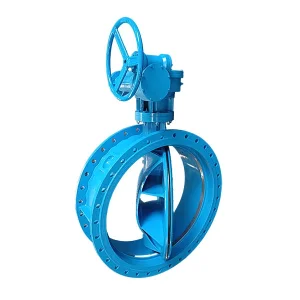
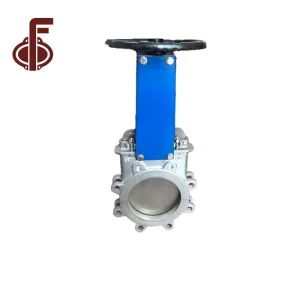
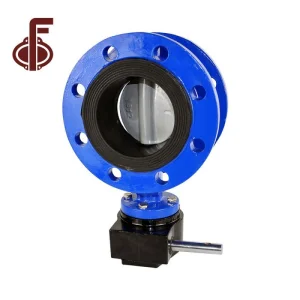
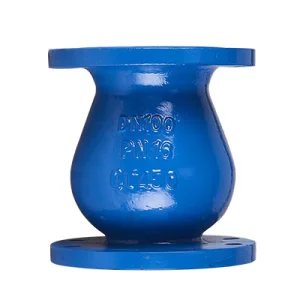
Complete your project sourcing with our heavy-duty lug knife gates, worm gear operated flange units, double eccentric configurations, and axial flow non-return check valves.
Empower Your Supply Chain with a Genuine China OEM Valve Manufacturer
Whether you are formulating project tenders for water treatment plants, outfitting industrial district cooling skids, or procuring branded private-label inventory for regional distribution, Tianjin Zhongfa Valve Co., Ltd. delivers metallurgical excellence, documented traceability, and uncompromised cost efficiency.
