
Featured Industrial Valve Configurations & Flow Components
Direct factory supply from Tianjin Zhongfa Valve Co., Ltd. (ZFA), manufacturing to ASTM, ANSI, ISO, BS, DIN, and JIS standards since 2006.
Fluoropolymer Lining Metallurgy: PFA vs. Conventional Polymers
Understanding the molecular rheology, permeation kinetics, and mechanical retention methods governing severe-service butterfly valve reliability.
Melt-Processable PFA Morphology
Perfluoroalkoxy (PFA) combines the chemical inertness of Polytetrafluoroethylene (PTFE) with true melt-processability. Through true high-pressure transfer molding, virgin PFA pellets fuse into an isotropic, non-porous fluoroplastic barrier free from the microscopic voids and pinholes typical of sintered paste-extruded PTFE liners, eliminating microscopic permeation pathways.
Positive Dovetail Body Anchoring
Under deep thermal cycling and severe sub-atmospheric conditions (down to full vacuum of 0.01 bar absolute), conventional linings collapse inward. OEM PFA lined butterfly valves utilize precision-machined dovetail retaining grooves within the ductile iron (ASTM A395 / GGG40.3) or carbon steel (WCB) body casting, mechanical-locking the liner firmly in place.
20kV Dielectric Spark Qualification
Every single encapsulated disc and internally lined valve body undergoes non-destructive high-voltage spark testing in compliance with ASTM D5162, DIN EN 14430, and NACE SP0188. Standard test voltages between 14kV and 20kV DC verify 100% dielectric integrity across all molded surfaces prior to hydro-testing, ensuring zero micro-fractures.
| Performance Characteristic | PFA (Perfluoroalkoxy) | PTFE (Polytetrafluoroethylene) | FEP (Fluorinated Ethylene Propylene) | UHMWPE (Polyethylene) |
|---|---|---|---|---|
| Continuous Temperature Range | -50 °C to +200 °C (-58 °F to 392 °F) | -40 °C to +180 °C (-40 °F to 356 °F) | -50 °C to +150 °C (-58 °F to 302 °F) | -40 °C to +85 °C (-40 °F to 185 °F) |
| Permeation Resistance (HCL/Cl2) | Superior (Dense melt crystal matrix) | Moderate (Subject to microporosity) | Good (Lower thermal softening limit) | Poor (High organic permeation) |
| Lining Manufacturing Method | High-Pressure Transfer Compression | Sintered Iso-molding / Machining | Injection / Melt Transfer | Compression Sintering |
| Full Vacuum (FV) Resistance | Excellent (Dovetail interlocked) | Moderate (Requires heavy wall cages) | Moderate (Creeps under sustained heat) | Moderate (Limited thermal range) |
| Chemical Inertness Span | pH 0 through pH 14 (Universal) | pH 0 through pH 14 (Universal) | pH 0 through pH 14 (Universal) | Moderate (Attacked by strong oxidizers) |
| Dielectric Spark Test Standard | ASTM D5162 / DIN EN 14430 (20 kV) | DIN EN 14430 (10–14 kV) | ASTM D5162 (12–15 kV) | Not applicable for high-voltage testing |
Macro-Industrial Solutions & Economic CAPEX Optimization
How severe-service OEM lined quarter-turn valves deliver 60%–70% capital expenditure reductions compared to superalloy piping systems while maintaining zero emissions.
Superalloy Replacement (TCO)
In aggressive services like boiling hydrochloric acid, wet chlorine gas, or concentrated hydrofluoric acid, piping engineers traditionally specified exotic nickel superalloys like Hastelloy C-276, Titanium Gr. 2, or Tantalum. PFA-lined ductile iron butterfly valves provide an identical or superior corrosion barrier at roughly 30% of the initial valve procurement expenditure, offering vastly superior Total Cost of Ownership (TCO).
Semiconductor Wet Etching
Modern sub-3nm fabrication facilities require ultra-pure chemical distribution networks handling high-purity (UPW), SC-1, SC-2, and buffered oxide etchants (BOE). OEM PFA lined valves utilize SEMI F57 certified high-purity resin grades, unpigmented virgin materials, and cleanroom packaging to prevent metal ion leaching down to single-digit parts-per-trillion (ppt) thresholds.
EV Battery Gigafactories
Hydrometallurgical extraction of nickel, cobalt, and lithium involves high-pressure acid leaching (HPAL) with sulfuric acid slurries. PFA-lined butterfly valves isolate acidic leaching liquors and corrosive lithium hexafluorophosphate (LiPF6) electrolyte solutions without chemical degradation, resisting trace moisture hydrofluoric decomposition.
Chlor-Alkali & Bleach Plants
Chlorine generation facilities present severe oxidation hazards where moisture reacts with chlorine gas to form a lethal mix of hypochlorous and hydrochloric acids. Fully encapsulated PFA discs and bodies eliminate external atmospheric emission vulnerabilities, maintaining long-term sealing integrity without risk of pitting or catastrophic stress-corrosion cracking.
Localized Regulatory Support & International Standards Alignment
Global engineering procurement mandates verifiable compliance across European, North American, and Asia-Pacific pressure retaining, fugitive emission, and sanitary codes.
North American Standards (ASME/API)
ZFA valves are engineered according to ASME B16.42 (Ductile Iron Pipe Flanges and Flanged Fittings), ASME B16.34 (Valves Flanged, Threaded and Welding End), and API 609 Category A/B short face-to-face dimensions. We facilitate Canadian Registration Number (CRN) filings across all Canadian provinces and satisfy MSS SP-67 quality inspection protocols.
European Union Directives (PED & CE)
Full compliance with the Pressure Equipment Directive (PED 2014/68/EU Module H full quality assurance) for Group 1 hazardous chemical fluids. Valves are CE-marked and certified to EN 593 face-to-face dimensions (Series 20 wafer/lug). Fugitive emission qualification satisfies ISO 15848-1 Class AH/BH and German clean air regulatory framework (TA-Luft VDI 2440).
Sanitary & Cleanroom Certification
Our pharmaceutical and food-grade PFA formulations undergo toxicological characterization meeting United States FDA 21 CFR 177.1550 and USP Class VI biopharmaceutical extraction criteria. Free from animal-derived ingredients (ADI/TSE/BSE free) and plasticizers, these valves can be safely sanitized in place (SIP) and cleaned in place (CIP) at continuous 130 °C steam exposures.
Engineering Architecture & Dynamic Shaft Sealing Systems
A granular breakdown of mechanical features designed to prevent fugitive leakage, minimize operational torque, and extend cycling life under severe duties.
Live-Loaded Belleville Stacks
The primary dynamic shaft seal utilizes energized Belleville spring washers positioned above an inverted V-ring PTFE packing set. As thermal cycles expand and contract the fluoropolymer packing, the live springs automatically compensate for relaxation, maintaining constant seating load without manual gland retightening.
One-Piece Encapsulated Disc-Stem
Disc and shaft are cast as a single unified piece from high-tensile 17-4PH stainless steel or Duplex 2205, encapsulated in a minimum 3.0mm virgin PFA jacket. This completely eliminates pinned stem-to-disc connections—the primary failure point in corrosive service—preventing stem hysteresis and pin shearing.
Resilient Elastomeric Backing
A high-resilience silicone (VMQ) or fluoroelastomer (FKM) cushion is positioned behind the PFA seat liner. This elastomeric backing acts as an energetic spring, providing uniform circumferential seating force against the disc perimeter to guarantee bidirectional zero-leakage shutoff at differential pressures up to 16 bar.
Direct-Mount Automation Pad
Manufactured with integral ISO 5211 mounting flanges and standardized double-D or keyed shaft drives. Enables direct coupling of pneumatic quarter-turn scotch-yoke actuators, electric intelligent multi-turn actuators, or heavy-duty enclosed worm gear operators without costly adapter brackets.
5-Stage Controlled OEM Manufacturing Workflow
From raw resin thermal profiling to automated pressure release, review how ZFA safeguards product consistency across thousands of manufactured units.
Spectrometry & Casting
Spectrometric analysis of molten ductile iron (EN-GJS-400-18-LT / GGG40.3) ensuring nodularity exceeding 90% and high impact toughness at low temperatures.
Molding & Tooling
Precision temperature-controlled transfer compression molding of virgin PFA pellets (DuPont Teflon / Daikin Neoflon) directly into body dovetails.
20kV Spark Inspection
100% electronic non-destructive spark testing over entire internal wetted surface area. Zero acceptable pinpoint discharges or insulation breaks allowed.
Pressure Bench Testing
Hydrostatic shell test at 1.5x PN rating and low-pressure pneumatic seat testing at 6 bar per API 598 and EN 12266-1 Leakage Rate A (bubble-tight zero leakage).
Packaging & Tagging
Laser stainless steel serial plate etching, full mill test EN 10204 3.1 documentation compilation, vacuum-sealed dust covers, and export crating.
Technological Roadmap: The Next Generation of Fluoropolymer Valves
Anticipating the technological shifts in chemical automation, functionalized nanocomposite polymers, and digital asset monitoring.
Conductive Anti-Static Liners
For volatile hydrocarbon, solvent (THF, acetone), and explosive dust environments (ATEX Zone 0/20), next-generation PFA liners incorporate precisely dispersed carbon nanotubes or ultra-pure carbon black. This creates a surface resistivity of <10^6 ohms without sacrificing chemical resistance, dissipating static charge buildups and eliminating explosion risks.
Embedded Permeation Sensors
Integration of thin-film sensor networks behind the PFA liner allows non-invasive, continuous real-time monitoring of acid gas diffusion through the polymer barrier. Smart transmitters detect the presence of trace Cl2 or HF ions long before chemical attack breaches the cast metal pressure shell, enabling predictive maintenance during planned turnarounds.
3D Printed Topology Discs
Additive manufacturing of internally lightened duplex stainless steel cores allows computational fluid dynamics (CFD) optimized disc contours with significantly reduced profile drag. Coated with ultra-smooth PFA, these advanced discs increase valve flow coefficients (Cv/Kv) by up to 22% while drastically decreasing dynamic actuation torque.
Engineering & Procurement Knowledge Base
Definitive answers to high-complexity technical inquiries submitted by chemical plant designers, EPC engineers, and global valve procurement specialists.
1. What is the fundamental difference between PFA and PTFE linings in severe-service butterfly valves?
2. Can OEM PFA lined butterfly valves operate safely under continuous full vacuum conditions?
3. How is zero-leakage shutoff achieved, and what testing standards verify seat tightness?
4. What sizing safety factors should be applied when sizing actuators for PFA lined butterfly valves?
5. How does the live-loaded stem packing arrangement prevent fugitive emissions?
6. What documentation and material test reports (MTRs) are provided with OEM export shipments?
7. How do PFA-lined butterfly valves perform in wet chlorine and hydrochloric acid service?
8. What are the installation best practices regarding flange gaskets and piping alignment?
Explore Complete Flow-Control & Valve Pipeline Solutions
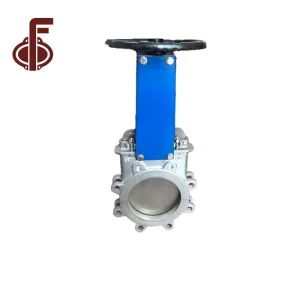
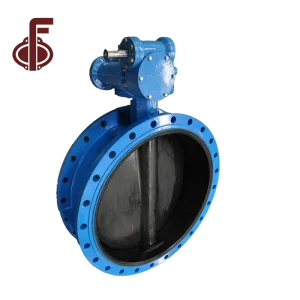
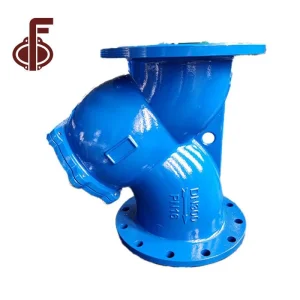
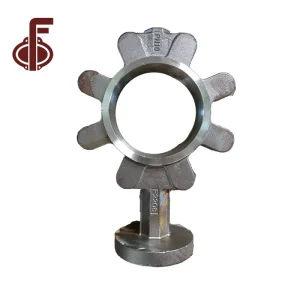
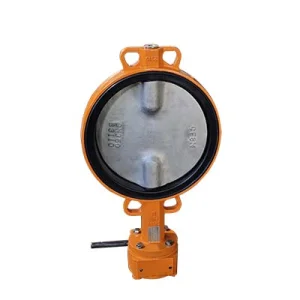
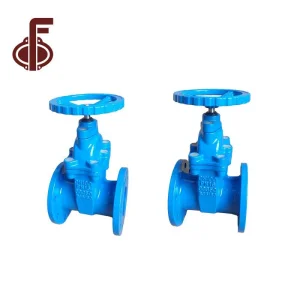
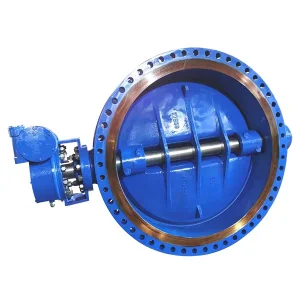
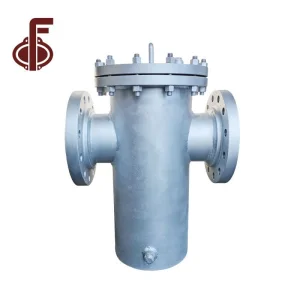
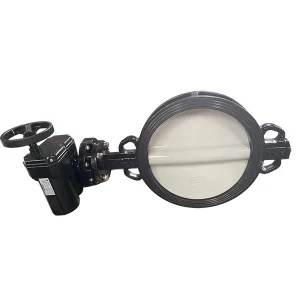
In addition to lined quarter-turn valves, ZFA supplies high-performance gate valves, check valves, wafer strainers, and customized electric actuation packages.
Request Engineering Datasheets & OEM Quotations
Connect directly with our application engineers in Tianjin, China. We supply custom drawing submittals, chemical compatibility assessments, and competitive OEM pricing within 24 hours.
