
High-Performance PTFE & Industrial Valve Solutions (OEM Engineered)
Direct factory supply manufactured to ASTM, ANSI, DIN, BS, JIS, and KS standards. Each unit undergoes 100% shell pressure, seat leakage, and high-voltage spark testing before global shipment.
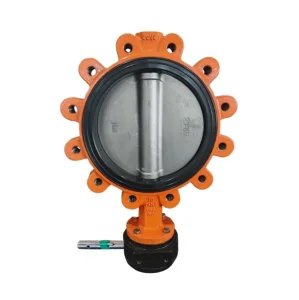
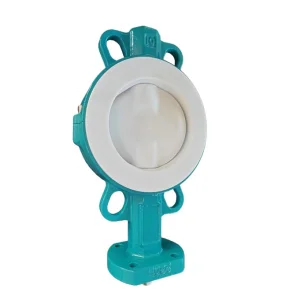
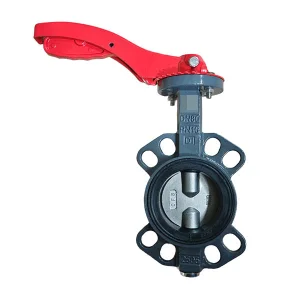
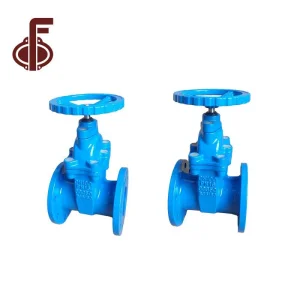
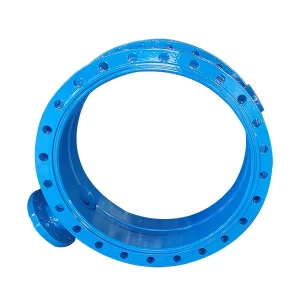
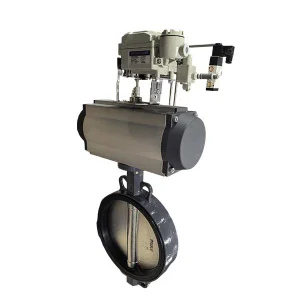
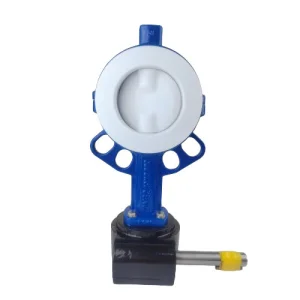
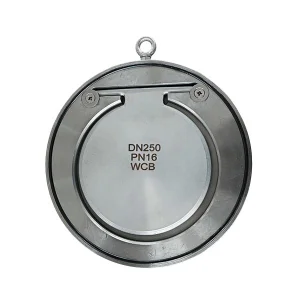
Engineering Principles of PTFE-Lined Butterfly Valves
Comprehensive analysis of fluoropolymer encapsulation, split-body structural mechanics, and zero-leakage elastomeric energization under severe chemical environments.
Split-Body Precision Mechanics
Unlike single-piece valves, two-piece split-body ductile iron (GGG40/GGG50) or stainless steel (CF8/CF8M) designs enable uniform compression across the virgin PTFE liner. This architecture prevents cold-flow deformation and ensures reproducible break-away torque throughout thousands of thermal cycles.
- Heavy-duty body bolted design absorbing pipe stress
- Precision-machined disc hubs minimizing shaft friction
- Direct ISO 5211 mounting pad for multi-turn automation
Energized Dual-Sealing Geometry
Virgin PTFE alone lacks memory retention. Our OEM design embeds a resilient vulcanized silicone or high-grade EPDM cushion behind the 3mm thick PTFE seat. The elastomer acts as a live mechanical spring, continually forcing the fluoropolymer face against the polished spherical disc edge.
- Self-adjusting dynamic shaft sealing packings
- Atmospheric seal preventing external toxic emissions
- Bi-directional sealing up to PN10/PN16 differential
Fluoropolymer Permeation Barrier
Aggressive halogens, nitric compounds, and hot organic solvents can diffuse through subpar polymers. We utilize ultra-dense isostatic molding and high-molecular weight suspension PTFE or PFA lining, reducing porosity to virtually zero and withstanding continuous vacuum service.
- Virgin grade material compliant with FDA 21 CFR §177.1550
- Chemically inert to aqua regia, sulfuric acid, and wet chlorine
- Non-stick surface mitigating particulate crystallization
| Polymer / Liner Material | Tensile Strength (MPa) | Max Service Temp (°C) | Permeation Resistance | Key Recommended Media | Regulatory Compliance |
|---|---|---|---|---|---|
| Virgin PTFE (Polytetrafluoroethylene) | 28 - 35 | -30°C to +180°C | High | Concentrated H₂SO₄, Hydrochloric acid, Caustic soda | FDA, CE PED 2014/68/EU |
| Modified PTFE (TFM® 1600) | 32 - 40 | -40°C to +200°C | Superior (5x lower) | Chlorine gas, High vacuum chemical synthesis, Monomers | FDA, USP Class VI, ISO 15848-1 |
| PFA (Perfluoroalkoxy) | 26 - 32 | -40°C to +200°C | Ultra-High (Melt Processed) | Semiconductor ultrapure chemical feeds, Etching acids | FDA, SEMI F57, RoHS |
| Conductive Antistatic PTFE | 24 - 30 | -20°C to +160°C | High (Conductive Additives) | Volatile hydrocarbons, Explosive solvent distillation | ATEX 2014/34/EU, EN 13463 |
Mission-Critical Deployments Across Harsh Processing Environments
From cryogenic gas processing in Scandinavia to hyper-saline desalination plants in the Persian Gulf, our PTFE butterfly valves perform where metallic alloys corrode.
Semiconductor UPW & Etch Lines
Installed across Taiwanese, South Korean, and American wafer fabrication plants. Virgin PFA/PTFE lined wafer valves isolate hydrofluoric (HF) acid, sulfuric-peroxide mixtures (SPM), and 18.2 MΩ·cm Ultrapure Water loops without metallic ion leaching.
Chlor-Alkali & Bleach Plants
Handling wet chlorine gas, chlorate solutions, and membrane-cell caustic soda. Split-body ductile iron bodies paired with solid PTFE seats completely isolate the pressure-retaining casting from corrosive stress cracking and pinhole failures.
API Synthesis & Biopharma
Deployed in European and Indian active pharmaceutical manufacturing units. Smooth fluoropolymer flow paths resist organic solvents, support steam-in-place (SIP) sterilization cycles up to 135°C, and comply fully with strict cleanability guidelines.
Hydrometallurgy & Rare Earth Leaching
Handling high-temperature sulfuric and hydrochloric leach slurries in South American copper and Australian lithium refining projects. Our replaceable PTFE liners offer superior abrasion resistance compared to conventional rubber linings.
Technology Roadmap & Future Fluidics Engineering
Continuous R&D investments transforming mechanical isolation into intelligent, zero-emission flow regulation hardware.
ISO 15848-1 Fugitive Emission Mastery
Driven by global decarbonization mandates and strict EPA/REACH environmental compliance, our engineering laboratory has perfected a quadruple-barrier stem seal. Incorporating live-loaded Belleville springs and virgin PTFE V-rings, our valves maintain Class AH hermetic tightness through 10,000 full stroke cycles.
Graphene & Nano-Composite Fluoropolymers
Addressing thermal creep and permeation in continuous boiling acid service, next-generation ZFA liners integrate exfoliated graphene nanoplatelets into suspension-polymerized PTFE. This structural composite delivers a 40% reduction in thermal expansion coefficients and drastically extends continuous valve seat longevity.
IIoT-Integrated Predictive Health Monitoring
Future automation setups integrate wireless piezoresistive torque sensors directly into the ISO 5211 drive interface. By feeding real-time dynamic torque deviations into machine-learning algorithms, plant operators detect liner abrasion or chemical encrustation weeks before catastrophic system leaks occur.
China Factory Integration & Manufacturing Resilience
Tianjin Zhongfa Valve Co., Ltd. (ZFA Valve, established 2006) leverages end-to-end metallurgical casting, isostatic pressing, and automated machining to deliver unmatched quality and delivery speed.
In-House Casting & Metallurgy
By operating integrated automated foundry facilities in Tianjin, ZFA maintains complete oversight of molten iron nodularity (>85% spheroidal graphite) and carbon contents. Optical emission spectrometers verify chemical analysis per ASTM A395 and A536 before any casting enters machining bays.
Multi-Axis CNC Precision Finishing
Valve disc spherical sealing faces and body internal cavities are finished on German-machined CNC horizontal centers to Ra ≤ 0.2 μm mirror finishes. Ultra-smooth disc geometries drastically reduce operational torque, minimizing wear on the PTFE liner and reducing required actuator sizing by 25%.
Full OEM/ODM Private Labeling
We support global valve distributors, engineering contractors, and plant operators with complete turnkey customization. From CAD engineering, finite element analysis (FEA), custom body colors, customized tags, and cast-in client logos to specialized packaging for maritime container shipping.
Global Industrial Landscape & Commercial Procurement Trends
Analyzing macroeconomic shifts driving the transition toward fluoropolymer lined rotary valves over exotic superalloys.
Superalloy Replacement & CAPEX Optimization
With volatile pricing and multi-month lead times for Hastelloy C276, Monel, and Titanium Grade 2, global EPC firms increasingly design around ductile iron PTFE/PFA-lined butterfly valves. Lined valves offer identical or superior chemical resistance at 35% to 50% lower initial acquisition cost, delivering dramatic capital expenditure advantages across megaprojects.
Green Hydrogen & Lithium Battery Gigafactories
The global energy transition requires unprecedented volumes of corrosive chemical handling equipment. Alkaline water electrolyzers utilizing 30% potassium hydroxide (KOH) solutions and battery cathode processing plants dealing with acidic metal slurries (NMC/LFP) rely heavily on fully encapsulated PTFE butterfly valves to ensure zero metallic contamination.
Agile Supply Chains & Strategic Buffer Stock
International procurement teams have shifted from pure Just-In-Time (JIT) to strategic resilience. ZFA Valve partners with regional valve master distributors across North America, Europe, Southeast Asia, and the Middle East, offering standardized modular bodies and interchangeable seat kits that slash local assembly turnaround from months to hours.
Stringent Quality Protocols & International Compliance Assurance
Every valve leaving our Tianjin manufacturing facility is subjected to rigorous nondestructive examination and hydrostatic pressure testing according to global inspection standards.
High-Voltage Spark Testing
100% of lined components are scanned using high-frequency DC spark testers at 14kV to 20kV in accordance with DIN EN 14430 and ASTM D5162. Any microscopic pinhole or fissure triggers immediate rejection.
API 598 & ISO 5208 Rate A Sealing
Hydrostatic shell testing at 1.5x design pressure and bi-directional pneumatic seat testing at 1.1x working pressure confirm absolute zero-bubble shutoff. Digital pressure-decay logging guarantees documented leak integrity.
EN 10204 3.1 Traceability
Full material certification dossiers accompany all dispatches. Comprehensive chemical analysis, tensile testing, charpy impact data, and liner thickness logs are permanently archived under our ISO 9001 quality system.
Third-Party Inspection Ready
Our workshop routinely hosts external inspectors from SGS, TÜV Rheinland, Bureau Veritas (BV), and Lloyd's Register for witness testing, dimensional audits, and coating thickness verification (DFT) prior to release.
Frequently Asked Questions by Valve Engineers & Procurement Teams
Direct answers addressing technical sizing, torque calculations, material selection, and international logistics.
How does PTFE seating influence pneumatic and electric actuator torque sizing?
PTFE possesses a low static coefficient of friction (μ ≈ 0.05-0.10); however, under continuous shutoff compression, elastomeric energizers behind the PTFE liner generate higher initial breakaway seat torque than conventional soft rubber seats. Furthermore, prolonged resting periods without cycling can cause slight polymer cold creep, increasing initial breakaway torque by 20% to 30%. ZFA engineering guidelines mandate applying an engineering safety factor of 1.3 to 1.5 over catalog seating torque when sizing pneumatic or electric actuators for critical acid lines.
What is the structural distinction between Split-Body and Monobloc PTFE butterfly valves?
Monobloc (one-piece) butterfly valves require stretching the PTFE liner to slip it over internal seat contours, which can introduce localized stress concentrations and micro-tears in the polymer structure. Split-body (two-piece bolted) valve bodies allow our CNC technicians to mount the precision-molded PTFE liner and elastomeric backing cushion around the disc and stem without tensile elongation. This delivers uniform wall thickness, perfectly centered disc shafts, lower operating torque, and easy replacement of internal wear components during scheduled plant turnaround.
Can PTFE-lined butterfly valves be installed in vacuum conditions?
Yes, provided the liner is engineered for negative pressure. Standard slip-in soft seats can collapse or blister inward under high industrial vacuum. ZFA manufactures split-body PTFE valves with interlocking liner retention grooves machined directly into the ductile iron or stainless cast body. The fluoropolymer liner is anchored mechanically, ensuring operational stability under full vacuum service down to 0.01 mbar absolute pressure across chemical stripping and vacuum distillation towers.
When should an engineer specify PFA over PTFE for lined butterfly valves?
While both materials provide identical chemical inertness, PFA (Perfluoroalkoxy) is a melt-processable fluoropolymer with significantly lower micro-void porosity. PFA is preferred for highly permeating gases (such as dry chlorine, bromine, or hot nitric fumes) and ultrapure semiconductor chemical loops where any particulate shedding or microscopic permeation to the metal substrate is unacceptable. PTFE is preferred for large-diameter lines (DN150 to DN1200) due to exceptional cost effectiveness and superior thermal cycling flexibility.
How does ZFA Valve guarantee dimensional compatibility with international piping flanges?
Our valve bodies are precision multi-drilled and cast in compliance with universal flange compatibility standards. Wafer and Lug type bodies are engineered to align seamlessly with ASME B16.5 Class 150, EN 1092-1 PN10/PN16, JIS B2220 10K/16K, and AS 2129 Table E flanges. Face-to-face dimensions comply strictly with ISO 5752 Series 20, API 609 Table 1, and EN 558-1 Series 20, ensuring direct drop-in replacement for legacy Western European or American valves.
What documentation is provided with export shipments for customs and project handover?
Each export consignment includes an exhaustive documentation binder: EN 10204 Type 3.1 Inspection Certificates, Hydrostatic and Pneumatic Factory Test Reports, NDT/Spark Test Compliance Logs, Certificate of Origin (CO, Form E, or Form F according to bilateral trade agreements), Commercial Invoice, Packing List, and CE Declaration of Conformity. Full dimensional drawing submittals and maintenance operation manuals (IOM) are issued electronically during order confirmation.
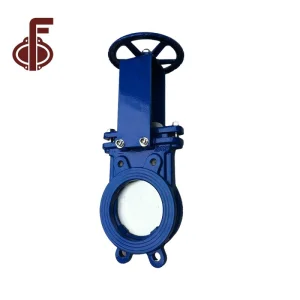
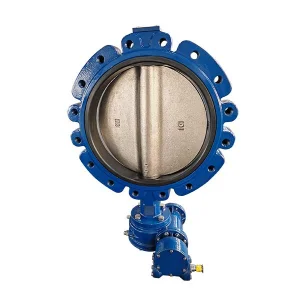
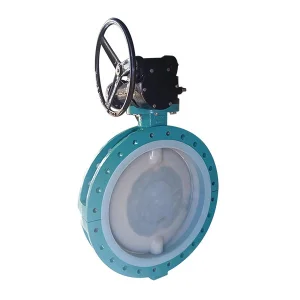
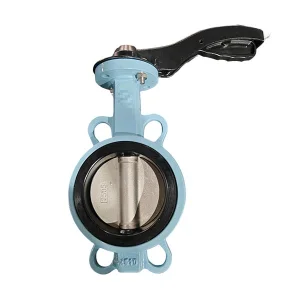
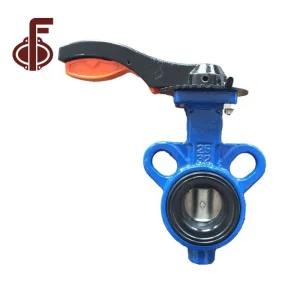
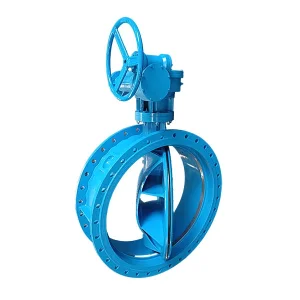
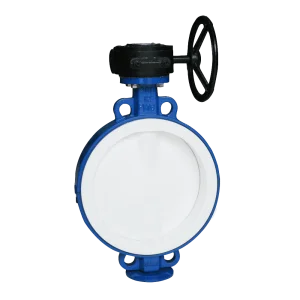
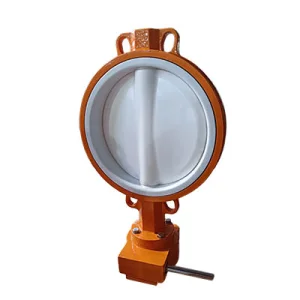
Integrated Flow Control & Isolation Valve Series
Explore complementary knife gate, check, eccentric, and heavy-duty resilient butterfly valves manufactured to project-ready specifications.
Initiate Your Technical RFQ or OEM Valve Tender
Connect with ZFA Valve senior metallurgical and flow control engineers. We provide comprehensive CAD submittals, material datasheets, and factory-direct pricing within 24 hours.
