
Engineered Isolation & Flow Control Solutions for Czech Utility Networks
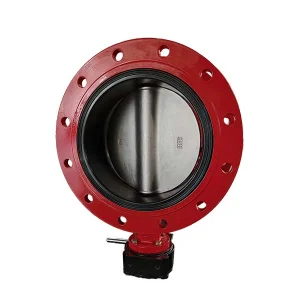
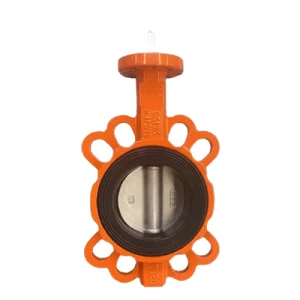
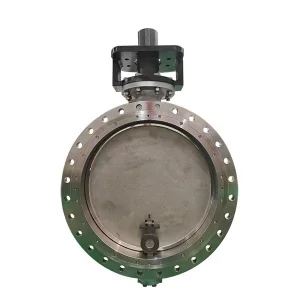
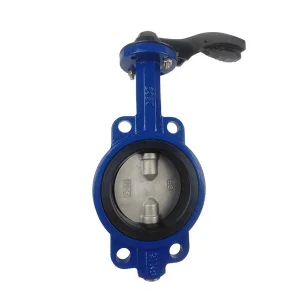
Direct supply line engineered to deliver high cyclical endurance, cast integrity, and precision flange dimensions corresponding to ČSN EN standards.
Industrial Landscape of the Czech Republic: Strategic Demand for Heavy-Duty Isolation Valves
An in-depth perspective on fluid transport modernisation across Central Europe's manufacturing powerhouse.
Centralized District Heating Networks (CZT)
The Czech Republic boasts one of Central Europe's most intricate district heating networks (Soustavy zásobování tepelnou energií - SZTE), managed by utility heavyweights in Prague, Plzeň, Brno, and North Bohemia. With ongoing decarbonization and boiler conversions from lignite coal to combined cycle gas turbine (CCGT) and biomass plants, pipe operators require robust, full-bore metal-seated gate valves and high-temperature resilient gate valves built according to DIN 3352 Part 4 and EN 1171. Valves must endure continuous thermal cycling up to 200°C without packing gland leakages or wedge jamming caused by particulate deposits.
Water Infrastructure Modernisation (Vodovody a Kanalizace)
Regional water utility consortiums (VaK) throughout Central Bohemia, South Moravia, and the Liberec region are implementing aggressive asset replacement plans to eliminate unmeasured pipeline water loss. Soft-seal resilient seated gate valves adhering to ČSN EN 1074-1 and EN 1074-2 have become the imperative standard. Wedge assemblies vulcanized with certified EPDM (complying with UBA / WRAS / DVGW W270 drinking water hygienics) and full epoxy coatings via fusion-bonded processes exceeding 250 µm thickness guarantee zero internal corrosion and clean hydraulic conductivity across decades of underground service.
Petrochemical Refineries & Heavy Metallurgical Mills
From the chemical production hubs around Litvínov and Kralupy nad Vltavou to the historical metallurgy and engineering clusters in Ostrava-Vítkovice, isolation systems face severe operational environments. Industrial process plants handle volatile hydrocarbons, coke oven gas lines, cooling water recirculation, and synthetic reagents. The procurement demands here mandate cast steel (1.0619 / WCB) and stainless steel (1.4408 / CF8M) gate valves manufactured according to API 600 and EN 1984 specifications, equipped with flexible wedges, Stellite hard-faced seats, and explosion-proof electric actuators compatible with modern SCADA architecture.
Global Flow-Control Market Dynamics: Balancing Capital Efficiency & European Directives
Navigating cost inflation, raw material volatility, and rigorous regulatory standards within the global industrial valve landscape.
The Rising Pressure on European EPC Contractors & Stockists
European engineering, procurement, and construction (EPC) conglomerates and regional Czech distributors are operating under unprecedented cost tension. Escalating regional energy tariffs, foundry closures across Western Europe, and extended production lead times—frequently stretching past 36 to 52 weeks for custom cast steel gate valves—threaten the commercial viability of critical infrastructure projects. At the same time, regional end-users refuse to compromise on quality, insisting on full adherence to the European Pressure Equipment Directive (PED 2014/68/EU Module H), EN 12266-1 pressure testing standards, and EN 10204 Type 3.1 material traceability.
This structural imbalance has elevated Chinese specialized gate valve manufacturers from opportunistic sub-tier vendors to indispensable strategic primary tier partners. Forward-thinking Czech plant engineers, pipeline fabricators, and MRO distributors are restructuring their procurement frameworks: partnering directly with audited Chinese production centers equipped with end-to-end metallurgical casting, automated CNC machining, computerized hydro-testing, and Western-standard quality auditing capabilities.
Key Market Evolution Indicators (2025-2030)
- Decarbonization Overhauls: Accelerating retrofits of steam district lines in Czech cities requiring low-torque, tight-shutoff metal gate valves.
- Stringent Fugitive Emission Controls: Compliance with ISO 15848-1 Class AH/BH stem seal technology to meet tightened EU environmental limits.
- Direct-from-Foundry Sourcing: Elimination of multi-tier European brokerage markups, enabling Czech stockists to reclaim competitive 25–40% gross margins.
- Digital Product Passports (DPP): Complete QR-coded traceability for casting batches, heat treatment charts, hydro-test graphs, and mill test reports.
Why Chinese Gate Valve Engineering Dominates Modern Supply Chains
Technological scale, integrated raw material clusters, and precision automation that empower Czech industrial procurement.
Dedicated Foundries & Controlled Metallurgy
Chinese manufacturing clusters maintain vertically integrated foundries equipped with automatic resin-sand molding lines and electric induction melting. Strict spectrometry analysis monitors carbon equivalent, nodularity ratios in ductile irons (EN-GJS-400-15 and EN-GJS-500-7 min. 85-90% spheroidal graphite), and low phosphorus/sulfur chemistries in cast carbon steels (WCB / 1.0619). This prevents internal micro-porosities, shrinkage cavities, and structural fracture lines during high-pressure hydro-shell tests.
CNC Machining Precision & Stem Rolling
Modern production lines implement multi-axis CNC machining centers for uniform seat pocket milling, bonnet flange drilling, and wedge guide channel surfacing. Stems are constructed from cold-rolled stainless steel (AISI 420 / 431 / 316) featuring rolled ACME threads rather than cut threads. Thread rolling yields superior grain fiber orientation, eliminating microscopic surface microcracks, significantly reducing operating torque up to 30%, and prolonging packing life under cyclic throttling or shutoff cycles.
Automated Vulcanization & Epoxy Coating
Resilient gate valve wedges utilize high-pressure injection molding for complete, uniform EPDM / NBR encapsulation around a solid ductile iron core. Proprietary adhesive bonding compounds prevent elastomer peeling or blistering under continuous high-velocity turbulent flow. Shell exteriors and interiors receive electrostatically applied thermo-setting epoxy powders, tested via high-voltage holiday spark detectors at 1.5 kV to confirm non-porous encapsulation against microbial corrosion.
Engineering Specification Matrix: Soft-Seal vs. Metal-Seal Gate Valves
Selecting the optimal gate valve design for diverse Czech municipal and industrial process scenarios.
| Performance Parameter | Resilient Seated Gate Valve (Soft-Seal) | Metal-to-Metal Seated Gate Valve | Knife Gate Valve (Slurry & Pulp) |
|---|---|---|---|
| Governing Standard | EN 1074-1/2, EN 1171, DIN 3352-4 | EN 1171, DIN 3352-2, API 600 | MSS SP-81, EN 14432 |
| Body Material | Ductile Iron (EN-GJS-400-15 / EN-GJS-500-7) | WCB (1.0619), GS-C25, CF8M (1.4408) | Ductile Iron, WCB, SS316 |
| Sealing Principle | Full EPDM / NBR vulcanized wedge closure | Solid/flexible wedge with 13Cr/Stellite overlay | Beveled stainless blade shearing into elastomer/metal |
| Operating Temperature | -10°C to +70°C (Special EPDM up to 120°C) | -29°C to +425°C (Steam rating dependent) | -10°C to +150°C (Seat dependent) |
| Nominal Pressure | PN10 / PN16 / PN25 | PN16 / PN25 / PN40 / PN63 / PN100 | PN10 / PN16 / Class 150 |
| Target Czech Sector | Drinking water supply (VaK), cooling systems | Central district heating (CZT), steam plants | Pulp & paper (Štětí), wastewater sludge, fly ash |
| Leakage Rate | EN 12266-1 Rate A (Zero leakage) | EN 12266-1 Rate B / Rate C | EN 12266-1 Rate A or MSS SP-81 allowable |
Localized Czech Industrial Applications & Deployment Cases
Field-proven engineering integration solving real-world challenges across Bohemian and Moravian facilities.
Prague & Brno Municipal Water Networks
Application: Underground potable water distribution and main trunk shutoff lines.
Engineering Challenge: Eliminating pipeline contamination and ground settlement strain in legacy distribution arteries.
Solution: DN100 to DN600 non-rising stem resilient gate valves with telescopic extension spindles and ductile iron street boxes. 300 µm fusion-bonded epoxy protects against acidic soil attack without cathodic auxiliary systems.
Plzeňská Teplárenská Cogeneration Retrofits
Application: Secondary steam and superheated water lines in combined heat and power plants.
Engineering Challenge: Intense thermal cycling causing wedge sticking and premature graphite packing extrusion in high-frequency isolation valves.
Solution: Cast steel 1.0619 rising stem gate valves featuring flexible wedge geometries, hard-faced weld deposited Stellite Gr. 6 seats, and Belleville spring-energized live-loaded gland packing assemblies.
Škoda Auto & Automotive Paint Shops
Application: Industrial demineralized water (Demi-water), chiller cooling circuits, and effluent treatment in Mladá Boleslav.
Engineering Challenge: Extreme sensitivity to silicone oil contaminants and galvanic pitting in closed cooling loops.
Solution: LABS-free (silicone-free certified) CF8M stainless steel valves and high-purity EPDM lined gate units tested under cleanroom degreasing protocols prior to sealed export packaging.
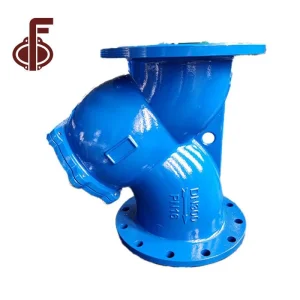
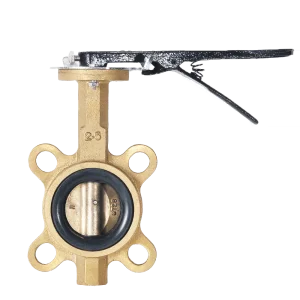
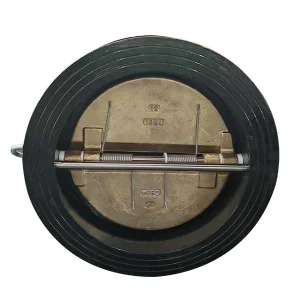
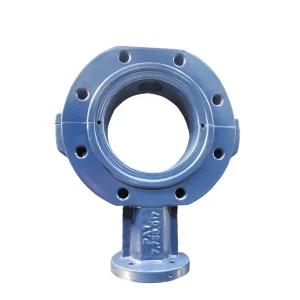
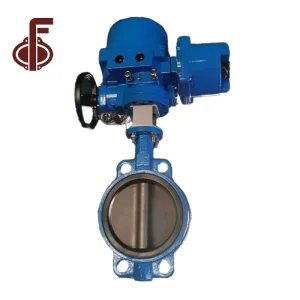
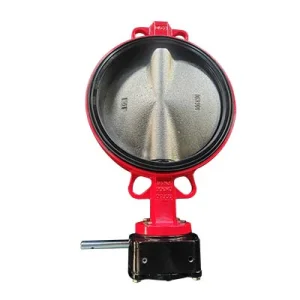
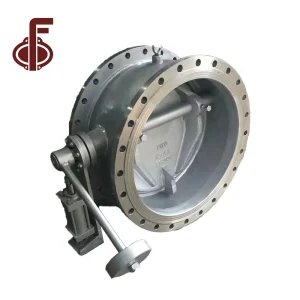
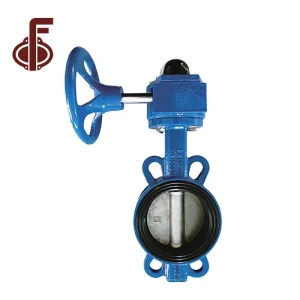
Extended Pipeline Valve Inventory Engineered for Czech Industrial Projects
Fully compliant with EN flanging, face-to-face dimensions, and pressure testing parameters. Direct factory supply.
Quality Control & Comprehensive Export Certification for the EU Single Market
Ensuring frictionless Czech customs clearance, regulatory audit pass rates, and uncompromising plant safety.
CE & PED 2014/68/EU Module H Compliance
All pressurized valve bodies exported to the Czech Republic comply strictly with the European Pressure Equipment Directive (PED). Full Quality Assurance (Module H) protocols cover everything from CAD/FEA stress modeling to final hydro testing, granting CE marking validity across European jurisdictions.
100% Factory Pressure Testing to EN 12266-1
We never employ statistical sampling for pressure integrity. 100% of manufactured gate valves undergo dual-direction hydrostatic seat testing at 1.1x PN and shell strength testing at 1.5x PN. Zero leakage (Rate A) is verified on digital pressure drop sensors before automated release to preservation and crating.
EN 10204 3.1 Traceability & Material Inspection
Shipments are accompanied by comprehensive EN 10204 Type 3.1 inspection documentation. Test reports detail exact chemical ladle heat analyses, tensile yield strength, elongation percentages, Charpy V-notch impact values at sub-zero temperatures, and non-destructive examination (NDE) reports.
Frequently Asked Questions: Sourcing Gate Valves from China to the Czech Republic
Addressing engineering specifications, delivery timelines, logistics routes, and European compliance.
What are the standard delivery lead times to Prague, Brno, or Ostrava?
Are your resilient seated gate valves compatible with existing Czech ČSN piping standards?
Can you provide WRAS or DVGW certified EPDM for Czech drinking water projects?
What surface protection is applied to prevent corrosion in aggressive Czech soils?
Do you support customized OEM branding, valve tag plates, and actuator adaptations?
Initiate Your Czech Valve Procurement Technical Consultation
Send your pipeline bills of materials (BOM), project datasheets, or custom tender inquiries. Our sales engineering team provides full 3D CAD models, quotation analysis, and certified test reports within 24 business hours.
Send Inquiry Now