
Gate Valves Factories & Exporters for the Bangladesh Market
Comprehensive Technical Analysis, Supply-Chain Resilience, Infrastructure Procurement Dynamics, and ISO/CE Industrial Compliance for Municipal, RMG, and Marine Projects in Bangladesh
High-Performance Gate & Utility Valves Engineered for Bangladesh Conditions
Pre-engineered flow control mechanisms rigorously tested for low friction loss, silt resistance, and heavy-duty cycling in tropical delta environments.
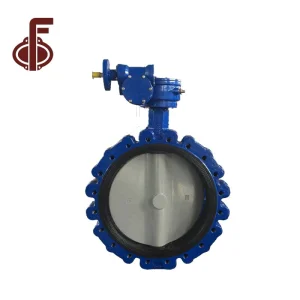
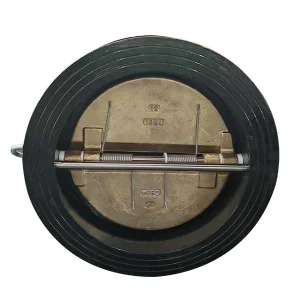
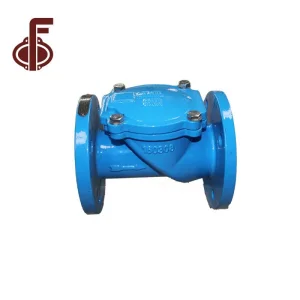
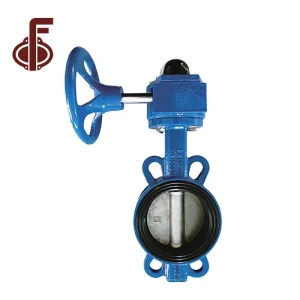
The Expanding Industrial Landscape of Gate Valve Procurement in Bangladesh
Analyzing rapid urban expansion, heavy industrialization in economic zones, and specific hydraulic demands across Dhaka, Chittagong, and Matarbari.
Current Macro-Industrial Demand across Bangladesh
The People's Republic of Bangladesh has sustained steady GDP growth fueled by large-scale public infrastructure initiatives, massive capital deployment across Special Economic Zones (EZs governed by BEZA), and continuous technological upgrades within the export-oriented textile and Ready-Made Garments (RMG) wet-processing sector. This structural economic transition has drastically shifted the nation's fluid dynamics and pipeline hardware requirements.
Historically reliant on rudimentary cast-iron gate valves for domestic agricultural irrigation and municipal distribution, Bangladesh's modern pipeline infrastructure demands high-specification resilient-seated gate valves, full-bore knife gates, and high-pressure wedge gate assemblies compliant with stringent international frameworks such as BS EN 1074, AWWA C509/C515, and API 600. Key municipal stakeholders, including the Dhaka Water Supply and Sewerage Authority (DWASA) and Chittagong WASA (CWASA), have systematically mandated higher elastomeric standards to combat rapid soil shifting, groundwater contamination, and salinity intrusion across coastal delta networks.
Severe Operating Conditions: Salinity, Siltation, and Monsoon Flooding
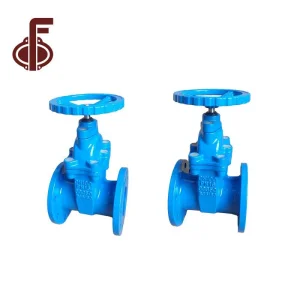
Deploying flow control equipment in Bangladesh requires nuanced engineering considerations tailored to its unique geographic and climatic profile. River systems across the Ganges-Brahmaputra-Meghna delta transport billions of tons of abrasive alluvial silt annually. Standard metal-seated valves operating in raw river water intake stations frequently suffer premature seat scoring, high torquing, and catastrophic bypass leaks. Resilient-seated ductile iron (DI) gate valves equipped with EPDM-encapsulated wedges have emerged as the industry benchmark, providing zero-leakage bidirectional sealing despite abrasive suspended solids.
Furthermore, coastal industrial belts around Chittagong, Cox's Bazar, and Khulna encounter extreme atmospheric and subterranean salinity levels. Valves installed without heavy-duty fusion-bonded epoxy (FBE) coatings exceeding 250 microns suffer localized pitting, graphitic corrosion, and early stem seizure. Exporters must ensure high-tensile stainless steel stems (such as SS316 or duplex SS2205) coupled with aluminum bronze stem nuts to guarantee operational integrity over multi-decade lifespans.
Macro-Industry Solutions for Bangladesh’s Core Economic Sectors
From effluent treatment plants (ETP) in textile hubs to offshore LNG regasification facilities, our specialized gate and isolation valve solutions provide uncompromising performance.
RMG, Textiles & CETP Installations
Textile washing, dyeing, and finishing mills across Narayanganj and Gazipur generate complex wastewater loaded with corrosive dyes, caustic soda, and high organic COD/BOD loads. We provide knife gate valves with stainless steel gate plates and resilient gate valves with virgin PTFE or peroxide-cured EPDM packing to ensure reliable isolation without chemical fouling.
Municipal Water Networks (DWASA/CWASA)
Urban drinking water pipelines require non-rising stem (NRS) gate valves certified for lead-free drinking water. Incorporating full bore straight-through cavity designs prevents sediment entrapment at the valve invert, drastically cutting friction heads and boosting pumping station energy efficiency across long distribution runs.
Power, Combined Cycle & Heavy Industry
High-capacity thermal and combined-cycle plants such as Rooppur Nuclear, Payra, and Rampal demand cast steel (WCB/WC6/WC9) and forged steel wedge gate valves. Certified according to ASME Class 150/300/600/900 standards, these units manage high steam pressures and extreme thermal cycling without bonnet seal degradation.
Chittagong Marine & Shipbuilding Yards
Shipbreaking, dry docks, and commercial vessel construction in Chittagong require marine-grade double-flanged bronze and ductile iron gate valves built to JIS 5K/10K and DIN specifications. Our valves resist severe galvanic degradation and seawater biofouling, ideal for ballast, bilge, and cooling water systems.
Agrochemical & Fertilizer Processing
Urea fertilizer manufacturing plants like Ghorashal-Polash require valves capable of handling ammonia, carbon dioxide, and sulfuric compounds. Solid wedge and flexible wedge gate valves constructed from Austenitic Stainless Steel (CF8M, CF3M) prevent intergranular corrosion and dangerous fugitive emissions.
Smart HVAC & MEP Commercial Complexes
The rapid rise of high-rise commercial structures across Gulshan, Banani, and Motijheel necessitates UL/FM certified gate valves for automated fire protection lines, integrated with tamper switches and supervisory actuators for real-time SCADA network monitoring.
Standard Engineering Configuration Guide for Bangladesh Gate Valve Tenders
Comprehensive metallurgical, pressure class, and sealing data required for engineering procurement submissions and bill of quantities (BOQ) preparations.
| Valve Type | Body Material | Pressure Class | Applicable Standards | Ideal Sector in Bangladesh |
|---|---|---|---|---|
| Resilient Seated Gate Valve | Ductile Iron GGG50 / QT450-10 | PN10 / PN16 / Class 125/150 | BS EN 1171, DIN 3352 F4/F5, AWWA C509/515 | DWASA Water Mains, Irrigation Pumping Stations |
| Metal-to-Metal Wedge Gate Valve | Cast Iron HT250 / DI GGG40 | PN10 / PN16 | ISO 7259, BS 5163, DIN 3352 | Agricultural Distribution, Sluice Gates, Raw Canal Intake |
| Cast Steel OS&Y Wedge Gate Valve | WCB / WCC / WC6 Alloy Steel | ASME Class 150 to 900 | API 600, ASME B16.34, BS 1414 | Thermal Power Plants, Gas Pipelines, Oil Refineries |
| Unidirectional Knife Gate Valve | Ductile Iron / CF8 / CF8M | PN10 / 150 PSI | MSS SP-81, TAPPI TIS 405-8 | Textile Effluent Treatment Plants (CETP/ETP), Pulp Processing |
| Forged Steel Small-Bore Gate Valve | ASTM A105N / A182 F316 | ASME Class 800 / 1500 | API 602, BS 5352 | High-Pressure Boiler Feedwater, Steam Tracing Skids |
| Stainless Steel Cryogenic Gate Valve | ASTM A351 CF8M / CF3M | ASME Class 150 to 600 | BS 6364, API 600 Ext. Bonnet | Moheshkhali & Matarbari LNG Regasification Terminals |
End-to-End Export Logistics, Letter of Credit (L/C) Compliance & Inspection Protocols
Eliminating foreign exchange bottlenecks and ensuring seamless port clearance across Chittagong and Mongla.
Navigating Bangladesh Bank Regulations and Clean Letter of Credit (L/C) Execution
Importing industrial valves into Bangladesh requires an intimate operational grasp of local trade compliance, foreign exchange regulations, and commercial banking stipulations set by the Bangladesh Bank. Almost all public tenders and large private industrial contracts mandate procurement via Irrevocable, Confirmed at Sight Letters of Credit (L/C). Minor clerical errors or misalignments between technical data sheets and commercial shipping documents frequently trigger costly bank discrepancy fees or prolonged customs holds at the Port of Chittagong (Chattogram) or Mongla Port.
Our dedicated foreign trade export team manages comprehensive documentation packaging: exact Harmonized System (HS) code classification (subheading 8481.80 for gate and butterfly valves), clean on-board Ocean Bills of Lading, Country of Origin (COO) certificates authenticated by the Chamber of Commerce, and strict Letter of Credit conformity. Additionally, all goods are packed using heat-treated ISPM-15 compliant solid wood crates to withstand maritime transit humidity and potential open-yard storage during Chittagong port seasonal container congestion.
Strict Pre-Shipment Inspection (PSI) and Quality Verification
To comply with tender frameworks issued by entities such as the Local Government Engineering Department (LGED), Bangladesh Power Development Board (BPDB), and PetroBangla, our manufacturing protocols readily integrate third-party inspection (TPI) agencies. We facilitate seamless factory auditing, material verification, and hydrostatic pressure witnessing by internationally accredited bodies including SGS, Bureau Veritas (BV), TÜV SÜD, and Intertek before container dispatch.
Every single gate valve undergoes shell testing at 1.5 times the nominal working pressure and bidirectional seat tightness testing at 1.1 times the design pressure, strictly following ISO 5208 and API 598 standards. Mill Test Certificates (EN 10204 3.1) accompanying shipments verify carbon equivalents, tensile strength, yield points, elongation metrics, and spectroscopic chemical breakdown for all body castings and internal trims.
Technology Roadmap: Smart Flow Control & Bangladesh Vision 2041
The progression towards smart city networks, SCADA-integrated municipal water grids, and carbon-efficient digital infrastructure.
FBE Anticorrosive Standardization
Complete phase-out of traditional bitumen dip-coatings across rural and urban water lines, migrating 100% of pipeline projects to electrostatically applied non-toxic fusion-bonded epoxy resins.
Smart IoT & Actuator Telemetry
Equipping high-capacity gate and isolating valves with intelligent 4-20mA and Modbus/Profibus electric actuators, providing remote flow adjustments and preventative maintenance data to central SCADA stations.
Desalination & Duplex Trim Upgrades
Introducing super-duplex stainless steel (2507) and Nickel-Aluminum Bronze (NAB) trim options for seawater intake stations supporting planned coastal economic zones in Mirsarai and Matarbari.
Zero-Emission Fugitive Sealing
Adoption of ISO 15848 certified low-emission stem seals to support natural gas distribution networks across Sylhet and Titas, drastically cutting methane slippage and boosting pipeline safety.
Export Certified Flow Control Valve Assemblies
Manufactured to ASTM, ANSI, BS, DIN, and ISO specifications under rigorous ISO 9001 quality supervision. Preserving complete original factory links with dedicated export routing.
Engineering & Procurement FAQ for the Bangladesh Market
Direct answers addressing technical selection, logistics, certifications, and operational durability.
