
Precision Flow Management Valves: Ready-to-Ship Inventory
Direct supply from Tianjin manufacturing facilities featuring factory-tested resilience, advanced elastomeric seats, and API/DIN dimensional fidelity.
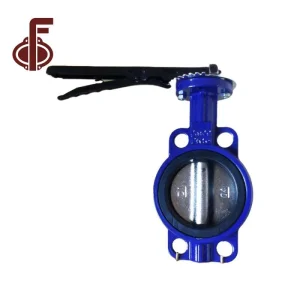
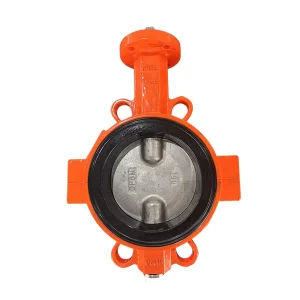
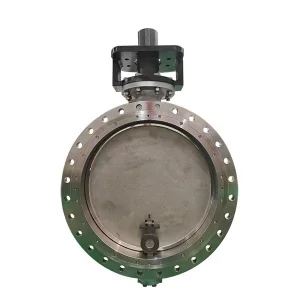
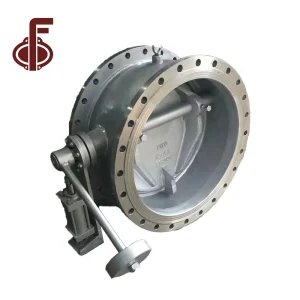
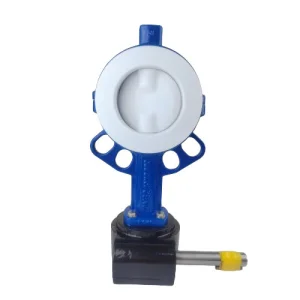
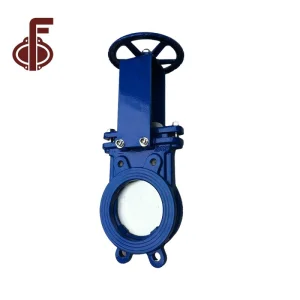
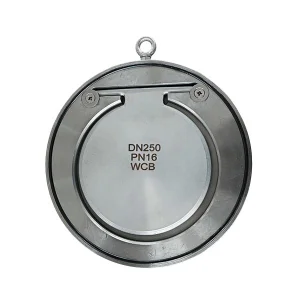
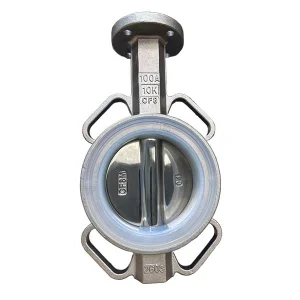
Why Tier-1 EPCs Source Automatic Gate Valves from China
An in-depth analysis of supply chain integration, automated actuation testing, and total cost of ownership (TCO) optimization.
In modern process industries, the migration from manually handwheel-operated isolation devices to automated gate valves represents an imperative shift toward functional safety, digital telemetry, and rapid emergency shutdown (ESD) capability. Chinese valve manufacturing clusters—centered primarily around Tianjin, Wenzhou, and Jiangsu—have transitioned from basic foundry casting into sophisticated, digitally integrated engineering epicenters. Tianjin Zhongfa Valve Co., Ltd. (ZFA Valve), established in 2006, exemplifies this transformation by manufacturing automated soft-seal gate valves, knife gate units, and eccentric configurations that interface directly with SCADA protocols, intelligent electric actuators, and pneumatic spring-return failsafes.
The strategic advantage offered by Chinese automated valve exporters centers on complete vertical integration: foundry metallurgical analysis, multi-axis CNC body profiling, ISO 5211 direct-mount actuator integration, and multi-stage hydrostatic testing are conducted entirely within controlled internal facilities. This structural alignment eliminates middleman logistics overhead and shortens delivery cycles from months to mere weeks, granting international EPC contractors a measurable competitive edge in budget compliance and execution velocity.
Full-Scale Foundries
Direct oversight of spheroidal graphite nodularity in Ductile Iron (QT450-10) and precision melting of CF8, CF8M, and WCB steels assures absolute internal pressure integrity.
ISO 5211 Standard Mounts
Standardized actuator mounting flanges permit seamless drop-in adaptation of third-party multi-turn electric, quarter-turn scotch-yoke, and linear pneumatic cylinders.
Rigorous Certifications
Certified conformity under ISO 9001 and CE frameworks. Compliant with international design norms including ASTM, ANSI, BS, DIN, GOST, JIS, KS, and ISO.
Digital Torque Calibration
Automated valves undergo computerized dynamic torque mapping to match motor outputs perfectly, safeguarding stem threads against shearing under differential pressure.
Emerging Trends & Macro-Engineering Solutions
The industrial valve sector is evolving rapidly. From IoT-enabled telemetry to fugitive emission control, discover how modern automated valves power mission-critical setups.
IoT Integration & Predictive Telemetry
Contemporary automated gate valves incorporate smart digital positioners, micro-switches, and 4-20mA HART transmitters. Field instrumentation continuously relays stem thrust, stroke time, and thermal cycles to cloud-based SCADA systems, preventing unscheduled downtime via predictive maintenance algorithms.
Zero Fugitive Emission Sealing
Addressing ISO 15848-1 and EPA Method 21 mandates, modern gate valve designs deploy spring-loaded dynamic PTFE chevrons and graphite packing glands. These engineering details preserve airtight stem containment, critical for toxic hydrocarbon lines, high-temperature steam, and volatile processing mediums.
Low-Pressure Drop Resilient Wedges
Full-bore straight-through flow paths minimize pumping head losses. Encapsulating ductile iron wedges entirely in vulcanized EPDM or NBR rubber guarantees Class VI bubble-tight shutoff while safeguarding municipal potable lines from turbulence, cavitation, and bi-directional backflows.
Engineering Application Scenarios & Seat Chemistry
Aligning elastomer metallurgy and sealing interfaces with process fluid parameters to prevent catastrophic line failure.
Municipal Water & Wastewater Treatment
Automated gate and check valves manage raw intake, filter bed backwashing, and clean water distribution networks. Resilient soft-seal wedges prevent sediment jamming, while motorized actuators enable centralized control from district dispatch hubs.
Pulp, Slurry & Mining Extractions
Automated knife gate valves featuring beveled stainless steel blades cut cleanly through dense fibers, fly ash, mineral tailings, and highly viscous slurries. Pneumatic double-acting cylinders execute fast cycling in hostile abrasive environments.
HVAC, Chilled Water & Thermal Power
Balancing valves, high-performance triple offset butterfly units, and automatic bypass gate valves stabilize central district cooling circuits and thermal exchange loops across broad differential pressure spectrums without fluid hammer.
Comprehensive Elastomer & Seat Selection Matrix
Critical metallurgical and polymer criteria for project engineers formulating procurement datasheets.
| Seat / Lining Material | Optimal Service Media | Working Temperature Range | Standard Valve Body Compatibility | Primary Industrial Use Cases |
|---|---|---|---|---|
| EPDM (Food Grade / Standard) | Potable water, raw sewage, chilled water, low-pressure steam, mild alkalis | -20°C to +120°C | Ductile Iron (GGG40/50), WCB, SS304 | Municipal filtration, urban HVAC circuits, fire fighting rings |
| NBR (Nitrile Butadiene) | Hydrocarbons, mineral lubricants, diesel fuel, hydraulic oil, compressed gas | -10°C to +82°C | Cast Steel WCB, Ductile Iron, CF8 | Refinery run-off pipelines, bunkering stations, compressor lines |
| Virgin / Re-inforced PTFE | Concentrated acids, aggressive solvents, saline solutions, ultrapure fluids | -20°C to +180°C | SS316 / CF8M, Duplex SS, Full Lined WCB | Pharmaceutical synthesis, chemical transport, chlor-alkali plants |
| Silicon Rubber / Viton (FKM) | High-temperature aeration, corrosive chemical vapors, potable ozone lines | -30°C to +200°C | CF8M, High Alloy Steels, Hastelloy | Desalination brine discharge, high-temp food processing |
Managing Global Valve Procurement Demands
How Tier-1 procurement teams mitigate cross-border supply chain risks, verify metallurgical integrity, and confirm actuator sizing.
Material Test Reports (EN 10204 3.1)
A persistent concern for overseas EPC procurement managers is traceability of foundry melts. Reputable Chinese exporters guarantee complete heat-batch traceability via Mill Test Certificates (MTCs), providing raw spectrographic chemical analysis and mechanical tensile/elongation validation for all pressure-retaining components.
Safety Factor Sizing in Automation
Actuator under-sizing results in catastrophic valve stalling when fluid viscosity fluctuates or line particulates lodge in seats. Experienced Chinese manufacturers apply a mandatory safety torque buffer of 25% to 35% above breakaway torque, verifying valve functionality even under extreme shutoff head differentials.
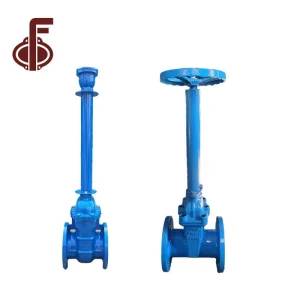
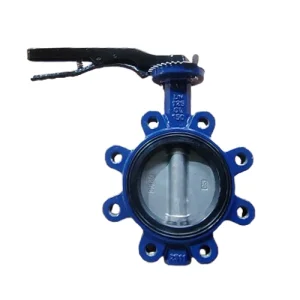
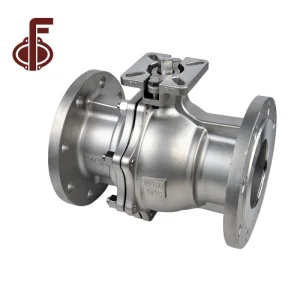
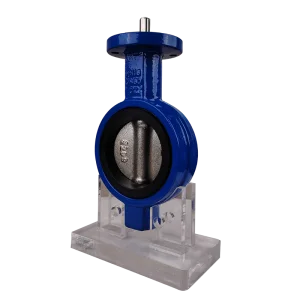
High-Performance Isolation & Non-Return Assemblies
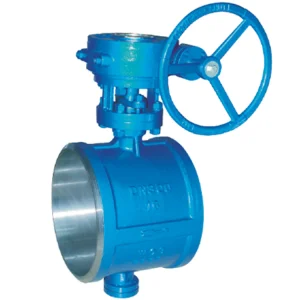
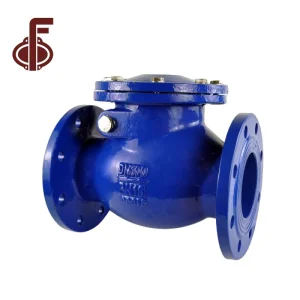
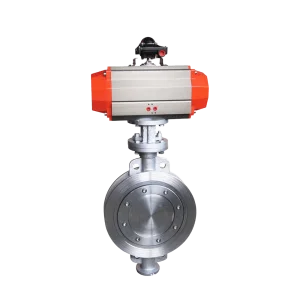
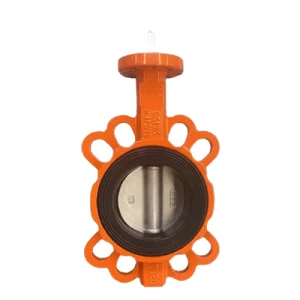
Explore heavy-duty valves manufactured with dual flange mountings, non-slam counterweights, and automated actuator linkages.
Frequently Asked Questions: Industrial Procurement & Engineering
Expert answers addressing compliance, testing procedures, actuator pairing, and logistics for international purchasers.
