
Standard & Custom Valve Assemblies & Replacements
Engineered to ASTM, ANSI, DIN, BS, JIS, and ISO specifications for critical infrastructure, plant revamps, and OEM distribution.
-
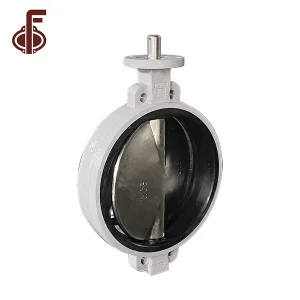
China WCB Wafer Type Butterfly Valve Factory, Exporter
Product Specs -
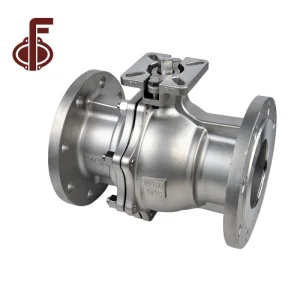
China Stainless Steel Flange Type Floating Ball Valve Factory, Exporter
Product Specs -
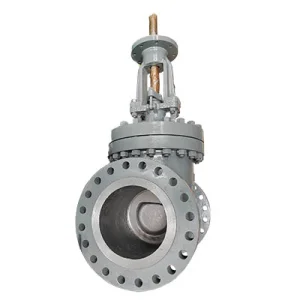
China DN600 WCB OS&Y Rising Stem Gate Valve Manufacturer, Exporter
Product Specs -
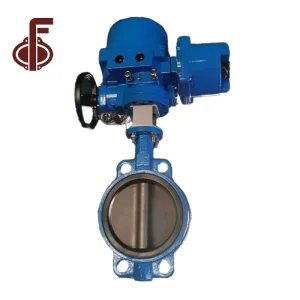
OEM Electric Actuator Wafer Butterfly Valve Factories, Exporter
Product Specs -
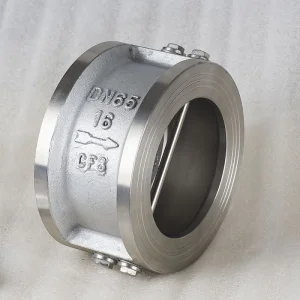
OEM SS2205 Dual Plate Check Valve Exporter, Exporters
Product Specs -
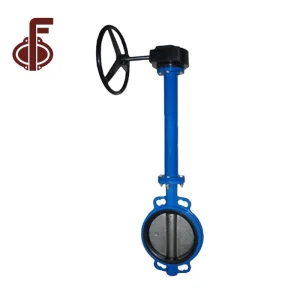
China Extention Stem Wafer Butterfly Valve Manufacturer, Exporters
Product Specs -
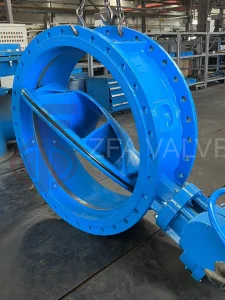
OEM Flange Type Double Offset Butterfly Valve Factory, Factories
Product Specs -
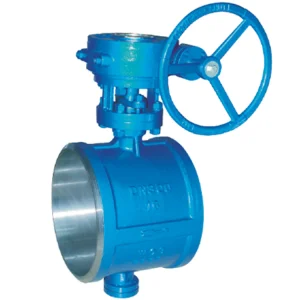
OEM Butt Welded Triple Offset Butterfly Valve Exporter, Exporters
Product Specs
The Paradigm Shift in Chinese Butterfly Valve Parts Manufacturing
In the contemporary flow-control landscape, the global procurement of quarter-turn butterfly valve parts has progressed beyond transactional purchasing of low-cost cast iron castings. Modern engineering operations require zero-defect tolerance, certified metallurgical chemistry, tight dimensional tolerances down to microns via CNC multi-axis machining, and adherence to environmental and pressure-boundary standards including API 609, ASME B16.34, EN 593, and ISO 5208.
Tianjin Zhongfa Valve Co., Ltd. (ZFA Valve), founded in 2006, has stood at the epicenter of this technological transformation. Operating out of the premier valve manufacturing cluster in Tianjin, China, ZFA has systematically upgraded its foundry, precision tooling, clean-room elastomer molding, and cryogenic metallurgical testing capabilities to supply Tier-1 engineering, procurement, and construction (EPC) contractors, municipal water authorities, and valve assemblers globally.
A complete butterfly valve assembly is only as reliable as its weakest constituent component. When a pipeline experiences water hammer, cavitation, severe thermal cycling, or corrosive chemical attack, it is the dimensional stability of the stem, the tear resistance of the elastomer seat, or the structural homogeneity of the body casting that prevents catastrophic line shutdown. This whitepaper analyzes the metallurgical, mechanical, and logistical criteria defining elite-tier China butterfly valve parts manufacturing.
Anatomy & Metallurgical Engineering of Critical Trim
Precision-engineered valve trim delivers bidirectional zero-leakage, low hydrodynamic operating torque, and extended mean time between maintenance (MTBM).
1. Pressure-Containing Bodies
The valve body endures line pressure, pipe stresses, and ambient environmental degradation. Available in Wafer, Full Lug, Double Flanged, and U-section designs.
- Ductile Iron: QT450-10, GGG40, GGG50 for municipal & HVAC.
- Carbon Steel: ASTM A216 WCB / WCC for high-temp pressure piping.
- Stainless / Duplex: CF8, CF8M, 4A, 5A, Monel, & Hastelloy.
2. Hydrodynamic Discs
Discs require hydrodynamic profiling to lower the flow resistance coefficient (Cv/Kv values) while maintaining rigidity against maximum differential pressure (ΔP).
- Contoured Edge: Hand-polished sealing radius down to Ra 0.2–0.4 µm.
- Hardfaced Trim: Stellite, hard chrome, or PTFE encapsulation.
- Al-Bronze: C95400 / C95800 for high-salinity seawater intake.
3. High-Torque Stems & Drive Shafts
Precision centerless-ground shafts transmit actuator torque without angular deflection, incorporating integral anti-blowout retention compliant with API 609.
- Materials: SS416, SS420, SS431, 17-4PH (SUS630), Duplex 2205.
- Drive Connection: Double D-flat, square drive, keyway, or involute spline.
- Shaft Design: Pinned high-shear through-stem or dual stub-shaft.
4. Sealing Rings & Resilient Liners
The primary sealing interface requires exact compression balance to guarantee bubble-tight isolation (EN 12266-1 Rate A) under rated cycle life.
- Resilient Elastomers: Peroxide-cured EPDM, NBR, FKM (Viton).
- Polymer Liners: Virgin PTFE, Modified R-PTFE, UHMWPE.
- Laminated Metal Seats: SS316 + Flexible Graphite for Triple Offset.
5. Bushings & Trunnion Bearings
Absorbs hydrodynamic side-loading caused by differential line pressure across the disc, ensuring shaft centering and low breakaway torque.
- Self-Lubricating: PTFE-lined sintered bronze with steel backing.
- Heavy Process: Solid aluminum bronze or reinforced PEEK bushings.
- Clearance Tol: ISO H7/f7 tolerance fit preventing galling.
6. Fugitive Emission Glands
Guarantees secondary containment around the upper stem to eliminate hazardous environmental releases under ISO 15848-1 and TA-Luft.
- Live-Loaded Springs: Belleville spring washers compensate for thermal cycles.
- Packing Sets: Die-formed flexible graphite rings with braided end rings.
- Dual O-rings: Primary and secondary elastomer barrier system.
| Seat Compound | Polymer Class | Temperature Envelope | Target Chemical Media | Non-Compatible Media |
|---|---|---|---|---|
| EPDM (Peroxide Cured) | Ethylene Propylene Diene | -20 °C to +130 °C | Potable water, raw sewage, HVAC chilled water, low steam | Petroleum hydrocarbons, mineral oils, concentrated acids |
| NBR (Buna-N) | Acrylonitrile Butadiene | -15 °C to +85 °C | Hydraulic oils, fuel lines, diesel, lubricated air, natural gas | Ozone, automotive brake fluid, ketones, halogenated aromatics |
| FKM (Viton®) | Fluoroelastomer | -10 °C to +200 °C | High-temp hydrocarbons, inorganic acids, chlorinated fuels | Low-molecular esters, hot water/steam over 130 °C, amines |
| Virgin / Modified PTFE | Fluoropolymer | -40 °C to +200 °C | Aggressive acids (H2SO4, HCl), caustics, pharmaceutical grade | Molten alkali metals, fluorine gas at elevated pressure |
| Metal-to-Metal (Stellite 21) | Cobalt-Base Superalloy | -196 °C to +550 °C | Superheated steam, thermal oil, hot syngas, refining slops | Severe abrasive wet slurries exceeding base alloy hardness |
Macro Industrial Solutions Engineered by ZFA
From deep-sea reverse osmosis to district cooling plants and hydrocarbon processing complexes.
Seawater Desalination & RO
High salinity and concentrated brine create rapid pitting corrosion. ZFA provides dual-phase stainless steel parts (Duplex 2205 / 2507) and Aluminum Bronze (ASTM B148 C95800) discs and shafts paired with vulcanized high-density EPDM liners, eliminating galvanic decay across High-Pressure SWRO skids.
HVAC & Mega-District Cooling
Managing chilled water loops across urban infrastructure demands ultra-low breakaway torque and extensive cycle resilience. ZFA supplies wafer and lug bodies in Ductile Iron GGG40 with nylon-11 coated discs, reducing frictional drag and actuator sizing by up to 22% compared to standard casting trims.
Refining, Petrochemical & Gas
High-temperature cracking, volatile hydrocarbons, and stringent fire-safety mandates necessitate API 607 / ISO 10497 compliance. ZFA supplies triple-eccentric metal-to-metal laminated seal rings (SS316 + graphite), anti-blowout 17-4PH shafts, and carbon steel WCB pressure boundaries.
Hydrodynamic Torque Balancing in Quarter-Turn Trim
In butterfly valve design, total shaft torque ($T_t$) is governed by: $T_t = T_s (\text{seating}) + T_h (\text{hydrodynamic}) + T_p (\text{packing friction}) + T_b (\text{bearing drag})$. ZFA uses computational fluid dynamics (CFD) modeling on all custom disc profiles to suppress flow-induced flutter and dynamic torque peaks near the 70° opening angle, reducing wear on gearboxes and pneumatic positioners.
Addressing Global Procurement Vulnerabilities & Quality Risks
Global supply chain managers responsible for valve procurement face severe operational risks when sourcing from generic export trading houses. Sub-surface porosity in cast bodies, inaccurate metallurgy resulting in premature intergranular stress corrosion, and non-conforming elastomer chemistry lead to catastrophic field leaks. ZFA mitigates these concerns through end-to-end metallurgical verification and verifiable material traceability.
Material Traceability & EN 10204 3.1
Every heat batch of cast bodies and forged stems undergoes optical emission spectrometry (OES) chemical analysis and tensile/Charpy V-notch impact testing. Fully digitized EN 10204 Type 3.1 Material Test Reports (MTR) are stamped with heat numbers traceable directly to the molten ladle pour.
Sub-Surface Non-Destructive Testing
Critical pressure boundaries are subjected to Non-Destructive Examination (NDE) based on project specs: Radiographic Testing (RT) for high-pressure steel, Ultrasonic Testing (UT) for shaft forgings, and Liquid Penetrant (PT) or Magnetic Particle Inspection (MPI) on machined seat retention lands.
Elastomer Rheology & Compression Set
Elastomer liners undergo automated rheometer batch testing to evaluate cross-linking density, elongation at break, and ASTM D395 compression set resistance. This ensures seats retain elastic memory and avoid cold flow after 20,000+ mechanical cycles under differential pressure.
The Total Cost of Ownership (TCO) Equation
While uncertified replacement parts may present a 15–20% lower initial acquisition cost, their real lifecycle expenditure often spikes exponentially. Unplanned downtime in an industrial fluid line costs an average of $18,000 to $45,000 per hour. When factoring in valve extraction, crane mobilization, flanged re-bolting, and production stoppage, installing certified precision valve parts from ZFA drastically reduces lifecycle asset spend.
Localized Support, Engineering Audits & Global Compliance
Complete traceability, rigorous manufacturing audits, and compliance with the world's most demanding engineering frameworks.
ISO 9001 & CE-PED 2014/68/EU
ZFA operates under strict ISO 9001:2015 quality frameworks with Pressure Equipment Directive (CE-PED Module H) compliance, authorizing full conformity assessment for high-hazard category fluid handling systems throughout the European Union and global markets.
Drinking Water Safety Accreditations
For municipal water supplies, our molded EPDM liners and fusion-bonded epoxy (FBE) powder coatings are formulated to meet WRAS (UK), NSF/ANSI 61 (USA), and ACS (France) toxicological safety standards, preventing organic leachable migration.
24-Hour Engineering Support SLA
Our Tianjin technical desk maintains a dedicated service level agreement (SLA), returning verified engineering cross-sections, 3D CAD step files, sizing calculations, and torque charts within 24 hours of RFQ submission to [email protected].
100% Comprehensive Factory Pressure Testing Standard
Every butterfly valve component manufactured and assembled at ZFA undergoes mandatory testing per ISO 5208 / API 598: Hydrostatic Shell Test at 1.5× PN rating, and Hydrostatic / High-Pressure Pneumatic Seat Leakage Test at 1.1× PN rating, achieving zero visible leakage (Rate A).
Future Engineering: Smart Trim & Advanced Manufacturing
Pioneering advancements in digital integration, low-friction fluoropolymer alloys, and sustainable foundry practices.
Sensorized Smart Valve Components
Integration of embedded strain gauge sensors within the upper stem and bearing housing to monitor real-time torque degradation, cavitation vibration, and wear profiles for predictive maintenance algorithms.
Nano-Composite & PEEK Trim
Deployment of graphene-reinforced PTFE liners and carbon-fiber-reinforced PEEK bearings, extending the thermal threshold of soft-seated butterfly valves up to 260 °C while maintaining dry-run lubricating properties.
Hybrid 3D Sand-Printing for Rapid Prototyping
Adoption of 3D-printed sand molds for complex, large-diameter custom valve bodies (DN1200+), cutting prototype tooling lead times from 12 weeks to 14 days without sacrificing grain boundary strength.
Zero-Emission Electric Foundries & CBAM
Upgrading to induction electric melting foundries with closed-loop green sand recycling, preparing full carbon footprint documentation in direct compliance with the European Union CBAM tariff regulations.
Procurement & Engineering Intelligence: Frequently Asked Questions
Essential guidance for purchasing agents, plant engineers, and valve distributors sourcing from China.
What international design and flange standards are supported for butterfly valve replacement parts?
- Design Standards: API 609 (Category A & Category B), EN 593, MSS SP-67, ISO 10631, and GB/T 12238.
- Flange Dimensions & Drilling: ASME B16.5 (Class 150/300), ASME B16.47 Series A & B, EN 1092-1 / DIN 2501 (PN6, PN10, PN16, PN25), BS 4504, JIS B2220 / B2239 (5K, 10K, 16K), and AS 2129 (Table D/E).
- Face-to-Face Dimensions: ISO 5752 (Series 13, 14, 16, 20), API 609, and EN 558-1.
- Top Flange Actuation Mounting: Strict adherence to ISO 5211 (F03 through F35 bolt circles with star and double-D key interfaces).
Can ZFA reverse engineer or supply aftermarket parts for other western valve brands?
How does ZFA prevent stem blowout in high-pressure butterfly valve designs?
What is the difference between bonded, vulcanized, and replaceable boot seats?
- Replaceable Boot / Dovetail Seats: Common in commercial HVAC and water systems. The elastomer liner is pulled into the body cavity and retained by a dovetail groove. It allows low-cost field maintenance without body replacement.
- Hard-Backed / Phenolic-Backed Seats: The elastomer is molded over a rigid composite ring (phenolic or aluminum), eliminating seat deformation and bunching under high velocity and vacuum conditions.
- Fully Molded / Vulcanized Seats: The elastomer is chemically vulcanized directly to the valve body casting. Recommended for high-velocity water, full vacuum service, and offshore systems where seat slippage would cause immediate bypass leakage.
What metallurgical documentation is provided with export shipments?
- EN 10204 Type 3.1 Inspection Certificate covering chemical composition and mechanical properties.
- 100% Factory Pressure Test Certificate (Hydrostatic shell, high/low pressure seat shutoff).
- Dry Film Thickness (DFT) and Holiday spark test certificates for epoxy coatings.
- Positive Material Identification (PMI) inspection logs for high-alloy and stainless trims.
- Certificate of Compliance (CoC) confirming flange compatibility and dimensional adherence.
How do pinned and pinless disc-to-stem connections compare in service reliability?
Pinless Connections: Utilize internal square drives, hex drives, or involute splines inside the disc hub, leaving the disc face completely smooth. This eliminates potential leak paths, prevents localized eddy turbulence, and allows straightforward disassembly for liner changeouts. ZFA recommends pinless designs for aggressive media and sanitary lines.
What export packaging is used to protect machined surfaces and coatings during sea freight?
What are typical production lead times for OEM valve components from Tianjin?
High-Performance Isolation, Check & Specialized Quarter-Turn Solutions
Explore ZFA Valve's comprehensive manufacturing lines built for extreme pressures, corrosive slurries, and specialized industrial networks.
-
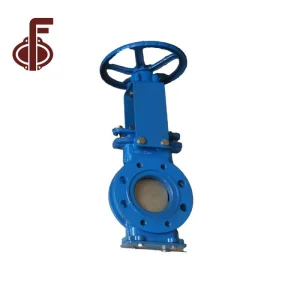
China SS/DI PN10/16 Class150 Flange Knife Gate Valve Manufacturers, Factories
Product Specs -
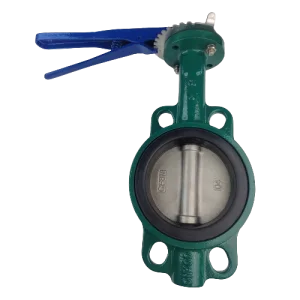
OEM Hard Back Seat Cast Iron Wafer Type Butterfly Valve Factories, Exporter
Product Specs -
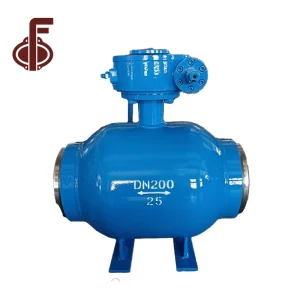
China Fully WELDED STEEL BALL VALVE Exporter, Exporters
Product Specs -
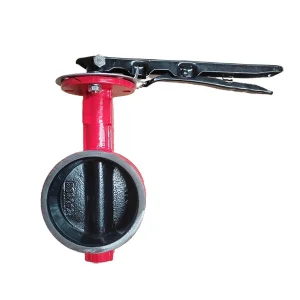
OEM Grooved Type Butterfly Valve for Fire Fighting Factories, Exporter
Product Specs -
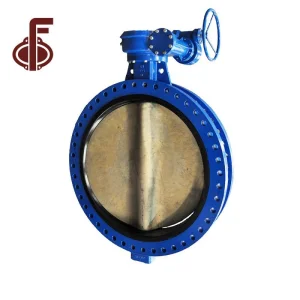
China U Section Flange Butterfly Valve Manufacturer, Factories
Product Specs -
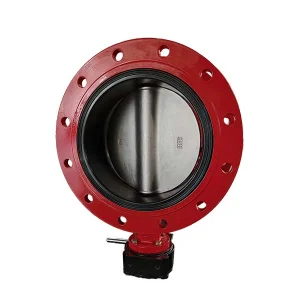
OEM Two Shaft Replaceable Seat Double Flange Butterfly Valve Manufacturers, Exporter
Product Specs -
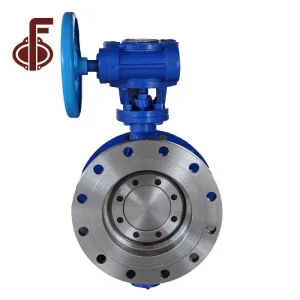
China Double Flanged Triple Offset Butterfly Valve Manufacturer, Factories
Product Specs -
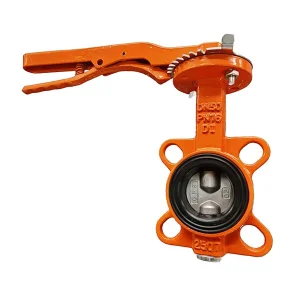
OEM DN50 Dovetail Seat Double Shaft Wafer Butterfly Valve PN16 Factory, Exporters
Product Specs
Request OEM Valve Parts Technical Specifications
Send us your pipeline datasheets, required metallurgy, dimensional drawings, or sample components. Our senior sales engineers reply with complete MTRs, 3D CAD models, and factory-direct pricing within 24 hours.
