Precision Cast Valves & Core Assemblies (Series I)
Manufactured by Tianjin Zhongfa Valve Co., Ltd. (ZFA Valve, est. 2006). Factory-direct export compliant with international flange drillings, pressure classes PN10/PN16/Class 150, and stringent zero-leakage hydrostatic standards.
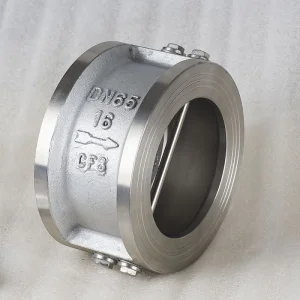
OEM SS2205 Dual Plate Check Valve Exporter, Exporters
View Specifications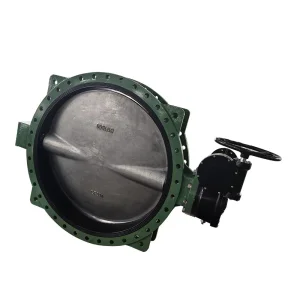
OEM DN1500 Vulcanized EPDM Seat Large Flange Butterfly Valve Exporter, Exporters
View Specifications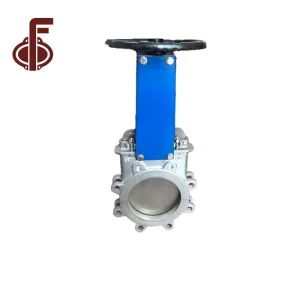
OEM SS PN10/16 Class150 Lug Knife Gate Valve Factories, Exporter
View Specifications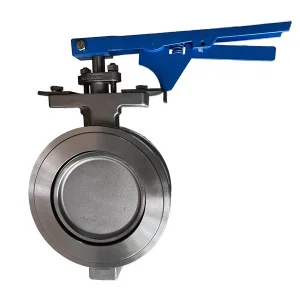
OEM Lever OP Wafer High Performance Butterfly Valve HP BFV Factory, Exporters
View Specifications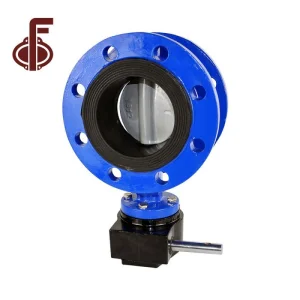
China Ductile Iron Body Worm Gear Flange Type Butterfly Valve Manufacturers, Exporters
View Specifications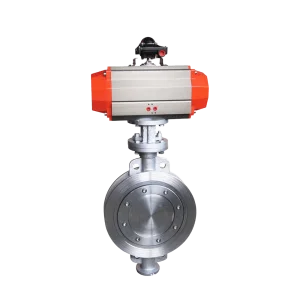
China Pneumatic Wafer Type Triple Offset Butterfly Valve Factories, Exporter
View Specifications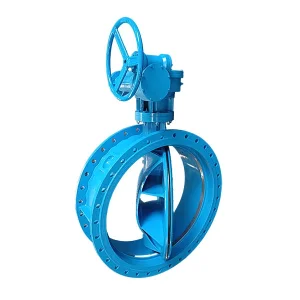
OEM Flange Connection Double Eccentric Butterfly Valve Manufacturers, Exporters
View Specifications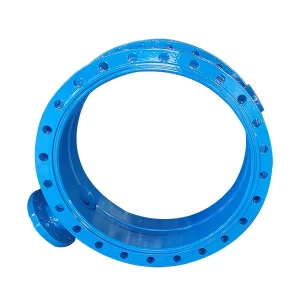
OEM Double Flanged Butterfly Valve Body for Replaceable Seat Manufacturer, Manufacturers
View SpecificationsCast Iron Gate Valves in Modern Global Infrastructure
Analyzing global demand, hydraulic lifecycle economics, and metallurgical selection across municipal waterworks, district energy, desalination, and industrial process engineering.
Global Water Grid Expansion
Rapid urbanization and aging distribution systems worldwide drive aggressive procurement of cast iron gate valves. Resilient-seated gate valves (RSGV) eliminate sediment traps via straight-through bores, reducing pumping head losses by up to 18% compared to traditional throat-recessed globe or plug configurations.
Optimized Total Cost of Ownership
Ductile iron (EN-GJS-500-7 / ASTM A536) and grey cast iron (GG25 / EN-GJL-250) provide superior compressive damping and structural rigidity at a fraction of stainless or carbon steel forging costs. Combined with fusion-bonded epoxy (FBE), valve operational lifespans routinely surpass 30 to 50 maintenance-free years.
Hydraulic Surge & Cavitation Shield
Gate valves are engineered primarily as bi-directional isolation barriers. The multi-turn stem design ensures gradual closure, inherently neutralizing destructive water hammer and pressure wave spikes that frequently cause pipeline rupture during sudden pump shutdowns.
Engineering Anatomy of Chinese Cast Iron Gate Valves
A deep dive into high-integrity casting, elastomeric wedge vulcanization, non-rising vs. rising stem mechanics, and anti-corrosion barrier coatings.
Spheroidal Graphite Iron
Utilizing ductile iron EN-GJS-450-10 / EN-GJS-500-7 with nodularity exceeding 90%. Yield strength exceeds 310 MPa, offering exceptional elongation (10-15%) and shock resistance under ground subsidence and seismic pipeline loads.
Vulcanized EPDM Wedge
The ductile iron wedge core is fully encapsulated with drinking-water certified EPDM or high-nitrile NBR via computerized injection molding. Zero exposed iron eliminates internal galvanic corrosion and prevents microbiological colonisation.
Stem Sealing Technology
Triple O-ring elastomer barrier configuration coupled with high-tensile 2Cr13, SS304, or SS316 cold-rolled thread stems. Maintenance-friendly stem design permits seal replacement under full line working pressure without de-energizing the main.
FBE Barrier Coating
Electrostatic fusion-bonded epoxy application exceeding DIN 30677-2 requirements. Minimum dry film thickness (DFT) of 250 µm with zero porosity under 3kV high-voltage spark holiday detection, delivering long-term resistance in soils ranging from pH 4 to 11.
| Engineering Parameter | Resilient-Seated Gate Valve (Soft Seal) | Metal-Seated Gate Valve (Hard Seal) | Knife Gate Valve Series |
|---|---|---|---|
| Nominal Diameter (DN) | DN40 – DN1200 (1-1/2" to 48") | DN50 – DN1800 (2" to 72") | DN50 – DN1200 (2" to 48") |
| Pressure Rating | PN10 / PN16 / PN25 / Class 125 / Class 150 | PN10 / PN16 / PN25 / Class 150 / Class 300 | PN6 / PN10 / PN16 / Class 150 |
| Body & Bonnet Metallurgy | Ductile Iron (EN-GJS-500-7 / ASTM A536) | Grey Cast Iron (GG25) / Ductile Iron (GGG40/50) | WCB / SS304 / SS316 / Ductile Iron |
| Wedge & Seating Face | Ductile Iron core fully encapsulated in EPDM / NBR | Cast Iron with integrated Bronze / Stainless rings | Beveled SS304 / SS316 / SS2205 Gate |
| Face-to-Face Standard | EN 558-1 Series 14 (DIN 3352 F4) / Series 15 (F5) / BS 5163 | EN 558-1 Series 14/15, DIN 3352 Teil 2, BS 5163 | MSS SP-81 / TAPPI TIS 405 / EN 558 Series 20 |
| Working Temperature | -10°C to +80°C (NBR) / -10°C to +120°C (EPDM) | -10°C to +200°C (Dependent on trim alloy) | -20°C to +230°C (PTFE / Viton / Metal) |
| Leakage Tightness | ISO 5208 Rate A (Bubble-tight zero leakage) | ISO 5208 Rate C / Rate D (Liquid drops) | MSS SP-81 or Zero-leakage bidirectional resilient |
China Supply Chain Resilience & Foundry Superiority
Tianjin Zhongfa Valve combines vertical upstream molten iron control with high-precision CNC multi-spindle tooling, driving down unit procurement costs while maintaining full metallurgical traceability.
Vertical Foundry Integration
By coupling automatic green sand and resin-coated vacuum mold lines directly with medium-frequency induction furnaces, ZFA eliminates third-party casting markups. Spectrographic chemical analysis is conducted per heat to maintain phosphorus and sulfur under 0.03%, preventing cold cracking.
Automated Multi-Axis CNC Tooling
Flange facing, drilling, and bonnet guide slots are machined in single-clamping operations on precision machining centers. This guarantees concentric stem alignment, minimizing operational torque and eliminating premature seal wear caused by wedge distortion under pressure.
Tianjin Port Freight Consolidation
Strategically positioned adjacent to Tianjin Port (Xingang), the largest maritime trade hub in Northern China. Our factory operates real-time container packing and rapid export customs clearance, cutting ocean transit lead times to European, Middle Eastern, Southeast Asian, and American destinations.
Mission-Critical Application Scenarios & Failure Mitigation
Engineered to perform in demanding commercial and municipal infrastructure across diverse environmental parameters.
Potable Municipal Water Distribution
Installed in buried pipeline networks and pump intake manifolds. WRAS-certified EPDM rubber and WRAS/CE approved epoxy prevent leaching of VOCs or heavy metals. Resilient wedges compress into bottomless seat channels, ensuring tight shutoff despite sediment accumulation.
Wastewater & Sludge Dewatering
Equipped with wear-resistant NBR wedge coatings and 316 stainless steel non-rising stems. Handles domestic sewage, municipal bio-solids, and light abrasive slurries without fibrous entanglement or gate jamming commonly observed in check or ball mechanisms.
HVAC, District Cooling & Energy
Specified for central chiller plants, cooling towers, and low-temperature hot water circulation. Low torque operation enables smooth interfacing with quarter-turn and multi-turn electric/pneumatic actuators for centralized building automation system (BAS) integration.
Desalination & Coastal Seawater
Configured with high-durability internal coatings, nickel-aluminum bronze trim, or duplex stainless steel (SS2205) components to combat chloride pitting, localized galvanic reaction, and marine bio-fouling in intake filtration stations.
Thermal & Hydropower Generation
Installed in secondary cooling circuits, boiler blow-down makeup systems, and penstock drain lines. Cast ductile iron bodies absorb plant vibration and high ambient noise without fatigue-induced micro-fractures in the pressure shell.
Fire Protection Standpipes (UL/FM Standards)
Outside Screw and Yoke (OS&Y) rising stem configurations for dedicated fire suppression ring mains. The rising stem provides an instantaneous, unambiguous visual indicator of valve open/closed state required by global fire safety inspectors.
Next-Generation Gate Valve Engineering Horizons
How ZFA Valve is pioneering digital telemetry, self-healing coatings, and green metallurgy to define future flow control standards.
IoT Edge Smart Stems
Integration of low-power wireless stem rotation and torque micro-sensors within the gland flange, streaming valve position and closing torque profiles directly to SCADA systems for predictive seal life analytics.
Nanocomposite Barrier Resins
Application of graphene-reinforced epoxy powders providing 300% greater abrasion resistance against sand-bearing water, lowering friction coefficients and decreasing operational torque by up to 25% across large bore sizes.
Green Foundry Decarbonization
Transitioning to 100% renewable electric induction melting, closed-loop silica sand reclamation systems, and bio-based mold binders, slashing carbon emissions per valve body by over 45% to meet European CBAM standards.
Autonomous Leak-Free Actuation
Direct integration of solid-state piezoelectric actuation and internal acoustic emission sensors that automatically detect microscopic seat bypass and adjust wedge seating position to achieve autonomous zero-leakage recovery.
Comprehensive Compliance & OEM Engineering Support
Tailored engineering packages for global EPC contractors, water utility authorities, and multinational valve distributors.
Full Inspection Documentation (EN 10204 3.1)
Every shipment is delivered with comprehensive quality dossiers: chemical composition analysis, tensile/elongation test reports, 100% hydrostatic shell and seat pressure logs, coating thickness verification, and holiday spark test certificates.
Turnkey OEM Customization
Support for custom face-to-face dimensions, custom brand casting logos on body bonnets, tailored handwheel designs, ISO 5210 electric actuation top-flange adaptations, bypass valve assemblies, and specialized stainless stem material upgrades.
Rapid EPC Engineering Response
Our dedicated bilingual valve engineering division reviews submittal specifications, generates 2D CAD layouts, and provides 3D STEP/BIM models within 24 hours to support tender documentation and project schedules.
Frequently Asked Questions by Valve Buyers
Authoritative technical answers addressing procurement considerations, engineering standards, and installation practices.
Grey cast iron (GG25) features graphite in flake form, offering high compressive strength and vibration damping at low cost, but limited tensile elasticity. Ductile iron (GGG40/50 / EN-GJS-500-7) incorporates magnesium inoculation to form nodular graphite, providing yield strengths over 300 MPa, 10-15% elongation, and impact resistance necessary for high-pressure or buried municipal mains.
Resilient-seated valves utilize an EPDM/NBR encapsulated wedge sealing against a smooth, uninterrupted valve bore. This eliminates bottom sediment recesses where pipe debris settles, preventing seat wear and guaranteeing zero leakage (EN 12266-1 Rate A). Metal-seated valves remain preferred for high-temperature media (>120°C) and aggressive industrial steam or hydrocarbon lines.
Non-Rising Stem (NRS) valves are ideal for underground direct burial (with extension spindles) or tight plant rooms where vertical clearance is limited. Outside Screw & Yoke (OS&Y / Rising Stem) valves feature external threads protected from fluid corrosion and provide immediate visual verification of open/closed status, making them standard for fire protection systems and petrochemical units.
All cast bodies undergo automatic shot-blasting to Sa 2.5 standard before pre-heating in temperature-controlled ovens. Fusion bonded epoxy (FBE) powder is applied electrostatically to ensure uniform thickness (≥250 µm). Every production batch undergoes a 100% high-voltage spark (holiday) test at 3 kV to guarantee pinhole-free corrosion isolation.
Yes. ZFA Valve manufactures multi-standard flange dimensions. Our patterns accommodate EN 1092-2 (PN10/PN16), ANSI/ASME B16.1 Class 125/150, BS 10 Table D/E, AS 2129, and JIS B2239 (10K/16K), enabling seamless drop-in replacement across international pipeline installations.
100% of manufactured valves are hydrostatically pressure tested in accordance with EN 12266-1 and API 598. Shell tests are conducted at 1.5× nominal pressure (e.g., 24 bar for PN16), and bidirectional seat tests are performed at 1.1× nominal working pressure (17.6 bar for PN16), requiring zero allowable leakage.
Precision Cast Valves & Core Assemblies (Series II)
Explore additional high-performance butterfly, gate, and specialized flow control valve models engineered for international industrial distribution.
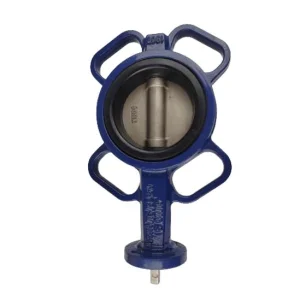
China DN80 PN10/PN16 Ductile Iron Wafer Butterfly Valve Manufacturers, Exporters
View Specifications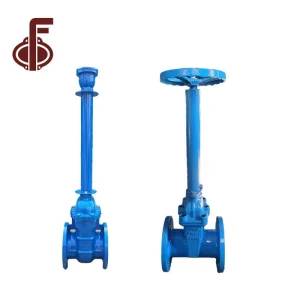
China DI PN10/16 class150 Long Stem Soft Sealing Gate Valve Manufacturers, Factories
View Specifications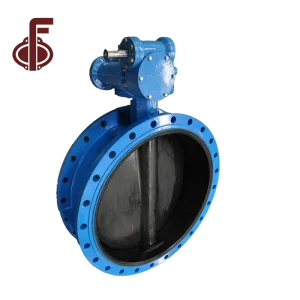
China PN16 CL150 Pressure Flange Type Butterfly Valves Manufacturers, Exporters
View Specifications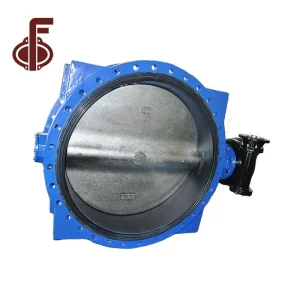
China DN1200 Flange Butterfly Valve with Supporting Legs Factories, Exporters
View Specifications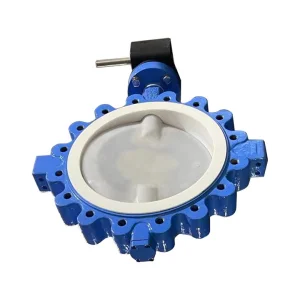
China Silicon Rubber Disc PTFE Lug & Flange Butterfly Valve Split Body type Manufacturer, Factories
View Specifications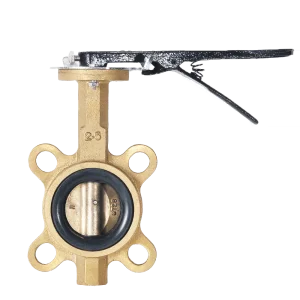
OEM Brass Bronze Wafer Butterfly Valve Manufacturer, Manufacturers
View Specifications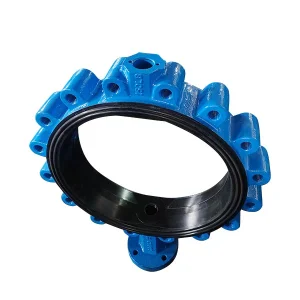
China EPDM Replaceable Seat Ductile Iron Lug Type Butterfly Valve Body Manufacturer, Exporter
View Specifications