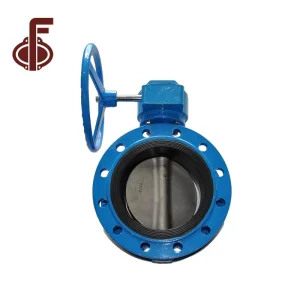
High-Performance Industrial Valve Solutions
Engineered for low torque, bi-directional bubble-tight shut-off, and high-pressure operational integrity across challenging media.
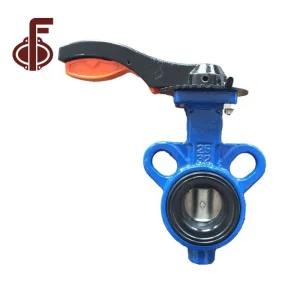
OEM Wafer Type Butterfly Valve with Aluminum Handle
Technical Data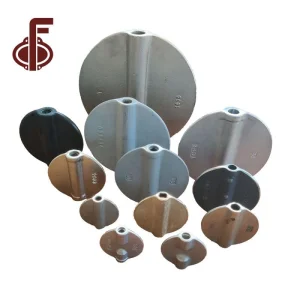
OEM Ductile Cast Iron Butterfly Valve Disc Component
Technical Data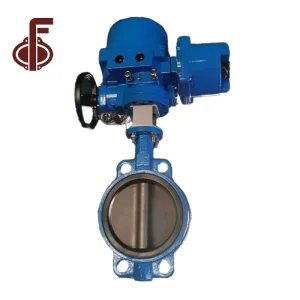
OEM Electric Actuator Wafer Butterfly Valve Series
Technical Data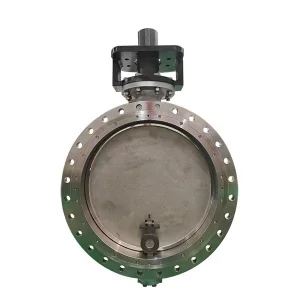
CF8 Double Flange High Performance Valve DN1000 PN16
Technical Data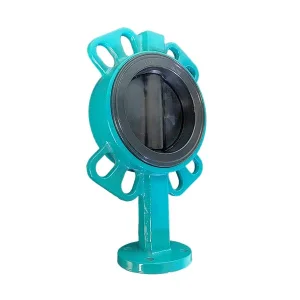
DN100 EPDM Fully Lined Wafer Butterfly Valve Multi-Standard
Technical Data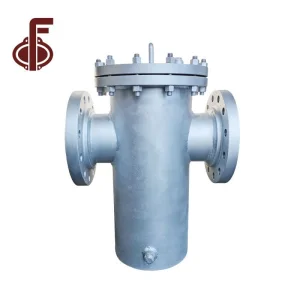
PN10/16 150LB DN50-600 Industrial Basket Strainer
Technical Data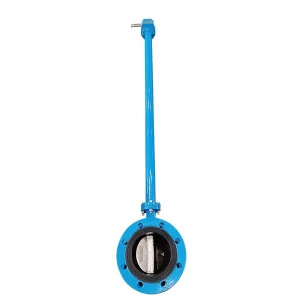
Vulcanized Seat Flanged Long Stem Cryogenic Valve
Technical Data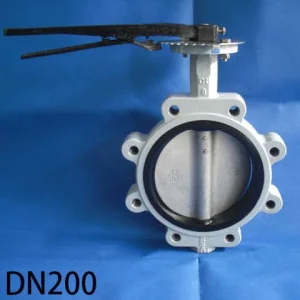
Casting Iron Body CF8 Disc Lug Type Butterfly Valve
Technical DataTriple Offset Butterfly Valve Design Mechanics
A rigorous breakdown of geometric eccentricities delivering mechanical non-rubbing seat engagement and zero-leakage isolation.
Offset 1: Shaft Axis Shift
The shaft center is positioned behind the sealing plane. This initial dislocation allows continuous, unbroken seating contact across the entire circumference of the seal ring, resolving the stem-penetration leak pathways common in concentric models.
Offset 2: Pipe Centerline Shift
The stem axis is offset eccentrically from the nominal bore centerline of the valve body. This geometry generates a camming motion during rotation, causing the disc to lift immediately away from the seat within the first few degrees of opening.
Offset 3: Oblique Cone Geometry
The sealing cone profile is angled away from the valve axis. This eliminates rubbing during rotation; contact occurs exclusively at final mechanical closure. Torque-driven contact yields consistent API 598 zero-leakage without galling.
| Design Architecture | Sealing Contact Profile | Operating Temperature | Friction & Seat Wear | Standard Compliance |
|---|---|---|---|---|
| Concentric (Resilient Seat) | Continuous line friction across 90° travel | -20°C to +150°C (Elastomer bound) | High stem/disc friction wear | API 609 Cat. A, EN 593 |
| Double Offset (High Performance) | Cam action; friction reduced to 0°-10° travel | -50°C to +260°C (PTFE / RTFE) | Moderate seat contact cycle fatigue | API 609 Cat. B, ASME B16.34 |
| Triple Offset (Metal-to-Metal) | Torque-seated pure contact at final shut-off (0°) | -196°C to +550°C+ (Stellite / Duplex) | Zero frictional abrasion or binding | API 609 Cat. B, API 607 Fire Safe |
Chinese Manufacturing Ecosystem & Scale Advantage
Combining heavy-duty precision metallurgy, CNC machining clusters, and global logistics corridors to optimize total cost of ownership for international EPCs.
Foundry Clustered Sourcing
Integrated access to regional ductile iron, cast steel, and exotic alloy foundries (WCB, CF8M, Duplex, Monel, Hastelloy) ensures uncompromised casting integrity with minimal supply lead time.
Advanced CNC Machine Cells
Multi-axis CNC milling and dedicated spherical grinding rigs machine eccentric disc and body angles with micron-level tolerances, delivering repeatable seat contact geometries and low operating torques.
Export Certification Packs
Every unit ships with EN 10204 3.1 material test certificates, NDE/RT/PT inspection records, hydrostatic/pneumatic test graphs, and international coating inspections (C5M Marine compliant).
Procurement Demands & Localized Compliance
Aligning Chinese manufacturing precision with multi-jurisdictional engineering codes across Europe, the Americas, and the Middle East.
Fugitive Emission Controls
Meeting ISO 15848-1 Class AH/BH and TA-Luft requirements through live-loaded graphite stem packing and dual O-ring safety containment barriers, preventing greenhouse gas and VOC leaks in processing facilities.
Fire-Safe Integrity
Constructed in strict conformity with API 607 7th Edition and ISO 10497. The all-metal and laminated graphite seal stack maintains fire-tight sealing even after complete line destruction of external components under hydrocarbon fire conditions.
Pressure Equipment Directives
Full CE-PED 2014/68/EU Module H compliance alongside EAC (TR CU 010/032) certifications. Traceable chemical analysis, raw material heat numbers, and impact testing at -46°C or lower ensure unhindered plant acceptance.
Mission-Critical Industry Deployment Scenarios
Field-proven performance across extreme thermal gradients, corrosive media lines, and high-frequency throttling services.
LNG & Cryogenic Systems
Designed with extended bonnets to keep stem packing above freezing zones in liquefied methane service (-162°C). Stellite-overlay body seats with laminated 316L/Graphite discs resist thermal shocks without cold embrittlement or seal deformation.
District Steam & Power
Superheated steam isolation up to 450°C. Triple offset geometries displace expensive wedge gate valves by delivering lower envelope dimensions, zero line jamming from thermal expansion, and drastically reduced actuator torque demands.
Offshore Desalination & Brine
Super Duplex 2507 and Nickel Aluminum Bronze disc assemblies combat rapid chloride pitting and erosion. Used for sea-water intake lines, reject brine headers, and high-pressure reverse osmosis piping manifolds.
Emerging Technology Trends in Valve Design
Integration of intelligent automation diagnostics and advanced metallurgy to meet stringent ESG targets.
IoT & Predictive Diagnostic Trim
Mounting intelligent sensor brackets directly into actuator mounting flanges (ISO 5211) to track dynamic friction torque trends, cycle counts, and acoustic emission shifts before seat failure occurs.
Hydrogen & Clean Fuel Readiness
Upgrading seal assemblies and testing methodologies with ultra-high purity Helium leak rates to support future blue/green hydrogen transport lines, carbon capture (CCUS), and low-emission power infrastructure.
Additive Stellite Laser Cladding
Replacing traditional welded Stellite hardfacing rings with robotic continuous-wave laser cladding. This eliminates internal porosity, reduces iron dilution, and extends severe service life across chemical slurry cycles.
Engineering Questions & Technical Answers
Specific insights addressing seat geometries, sealing mechanisms, and factory documentation standards.
What is the fundamental functional difference between a double offset and triple offset butterfly valve?
Can triple eccentric butterfly valves provide bi-directional zero-leakage shut-off?
Which test reports and quality inspection documents are provided prior to export?
How do China valve factories support custom actuator automation and ISO mounting?
What are the lead times for custom alloy triple offset valves compared to European/US brands?
Explore Our Comprehensive Valve Manufacturing Range
Built strictly to DIN, ASME, JIS, and BS standards for international pipeline integration.
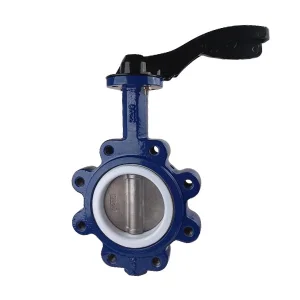
China CF8M Disc PTFE Seat Lug Butterfly Valve
Technical Data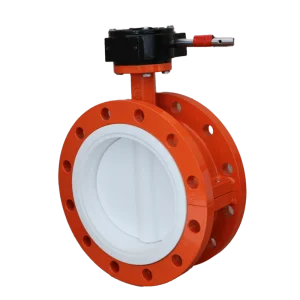
Split Body PTFE Coated Flange Butterfly Valve
Technical Data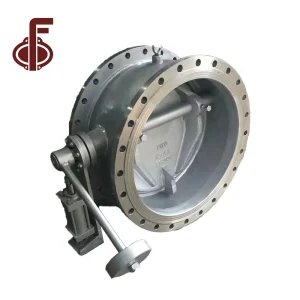
OEM Butterfly Check Valve with Heavy Hammer
Technical Data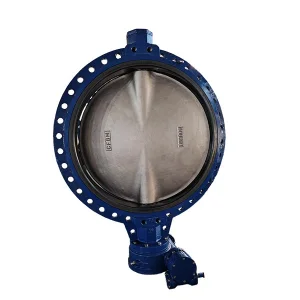
DN1000 DI Hard Back Seat Mono Flange Butterfly Valve
Technical Data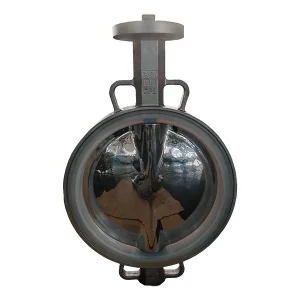
Polished Disc CF8 Body Silicon Rubber Wafer JIS 10K
Technical Data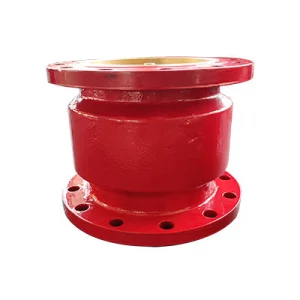
Silencing Non-Return Check Valve Series
Technical Data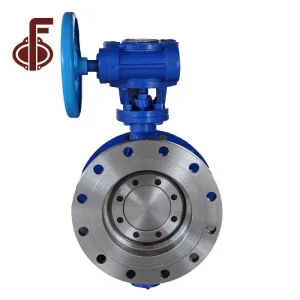
Double Flanged Triple Offset Metal Seated Butterfly Valve
Technical Data