
Featured Industrial Butterfly & Infrastructure Valves
Precision-machined body castings, vulcanized elastomer seating, and certified pressure-tested designs manufactured in Tianjin, China for global engineering projects.
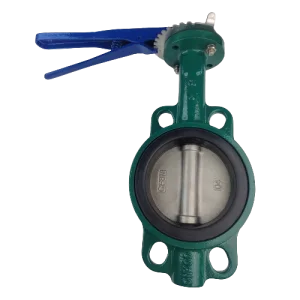
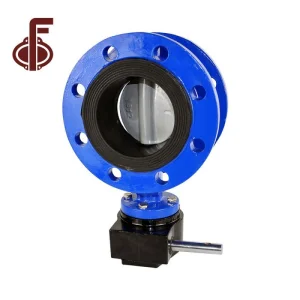
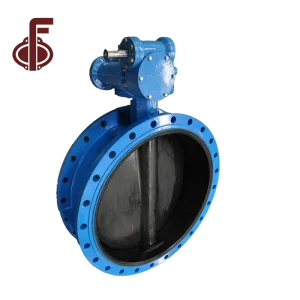
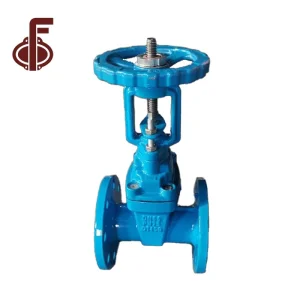
Engineering Architecture & Global Market Dynamics of Butterfly Valves
Deciphering fluid mechanics, metallurgical integrity, and lifecycle economy across contemporary petrochemical, municipal, and process automation installations.
In modern industrial process lines, quarter-turn valves—particularly butterfly valves—account for more than 40% of all installed isolation and flow control units globally. Originating as basic low-pressure dampers, technical advancements in elastomer science, polymer vulcanization, and eccentric shaft kinematics have transformed the butterfly valve into an indispensable asset across extreme environments. Today's industrial procurement managers, engineering consulting firms, and EPC contractors encounter an increasingly stringent regulatory landscape characterized by fugitive emission controls, extended lifecycle requirements (measured across 20,000+ continuous cycling operations), and uncompromising pressure containment standards such as ASME B16.34, EN 593, and API 609.
Tianjin Zhongfa Valve Co., Ltd. (ZFA Valve), established in 2006, operates at the very center of this industrial evolution. As an ISO 9001 and CE certified manufacturer based in the core valve-casting hub of Tianjin, China, ZFA Valve has transitioned conventional butterfly valve production from commoditized cast-iron fabrication into digitally audited, CNC-machined, multi-standard fluid control engineering. Whether handling potable water at ambient temperatures, aggressive seawater desalination under reverse osmosis pressures, or high-temperature steam in thermal facilities, selecting the correct butterfly valve design dictates plant safety, thermodynamic efficiency, and operational profitability.
Manufacturing History
API 598 Pressure Tested
Bore Diameter Range
Global Standards Built
Technical Taxonomy: Concentric, Double Offset & Triple Eccentric
Optimizing valve selection involves aligning mechanical eccentricity and sealing contact geometry with process pressure, fluid velocity, and thermal cycling profiles.
Concentric (Resilient Seated)
The stem and disc are centered precisely within the valve bore. Sealing is achieved via interference contact between the contoured edge of the disc and a resilient elastomeric liner (EPDM, NBR, or PTFE). Concentric valves provide bi-directional, bubble-tight zero leakage at lower initial costs, making them the industry benchmark for municipal water, HVAC closed loops, compressed air, and low-pressure utility lines up to PN16 / Class 150.
Double Eccentric (High Performance)
Features two deliberate shaft offsets: the stem is positioned behind the sealing plane and offset from the pipeline center. This mechanical camming action swings the disc out of contact with the PTFE/R-PTFE or metal seat within the first few degrees of opening. Frictional wear is virtually eliminated, reducing operating torque, extending cycle life to over 100,000 cycles, and enabling pressures up to Class 300 in process lines.
Triple Offset (Metal-to-Metal Seated)
Incorporates a third geometric offset: the sealing cone is angled relative to the pipe centerline. This generates a purely non-rubbing, right-angled wedging engagement where contact only occurs at final shut-off. Featuring laminated stainless steel/graphite or solid Stellite seats, Triple Eccentric valves deliver bi-directional fire-safe shut-off (API 607) for superheated steam, hydrocarbons, and cryogenic media from -196°C to +550°C.
| Seat Material | Polymer / Metallurgy Base | Operational Temperature | Optimal Chemical Compatibility | Critical Service Limitations |
|---|---|---|---|---|
| EPDM (Food / Industrial Grade) | Ethylene Propylene Diene Monomer (Peroxide Cured) | -20°C to +120°C (-4°F to 248°F) | Potable drinking water, treated wastewater, HVAC hydronics, dilute alkalis, ozone, phosphate ester fluids. | Rapid breakdown with hydrocarbons, gasoline, kerosene, diesel, aromatic solvents, and concentrated mineral acids. |
| NBR (Buna-N Nitrile) | Acrylonitrile-Butadiene Copolymer (High ACN) | -10°C to +82°C (14°F to 180°F) | Crude oil, refined petroleum, lubricants, vegetable oils, hydraulic oils, animal fats, pneumatic lines. | Degrades rapidly under ozone exposure, direct UV exposure, automotive brake fluids (DOT), and chlorinated solvents. |
| PTFE / Virgin Teflon | Polytetrafluoroethylene (Pure Sintered) | -20°C to +180°C (-4°F to 356°F) | Ultra-pure pharmaceutical fluids, aggressive chemical acids (nitric, sulfuric), caustic alkalis, organic reagents. | Susceptible to cold flow (plastic deformation) under sustained mechanical compression; not suitable for heavy abrasives. |
| FKM / Viton® Fluoroelastomer | Vinylidene Fluoride Hexafluoropropylene | -15°C to +200°C (5°F to 392°F) | High-temperature hydrocarbons, corrosive process gases, chlorinated hydrocarbons, chemical transfer. | Incompatible with polar solvents (MEK, acetone), low-molecular-weight organic acids, and anhydrous ammonia. |
| Metal-to-Metal / Stellite® | SS316 / Duplex 2205 + Hardfacing Stellite Gr. 6 | -196°C to +550°C (-320°F to 1022°F) | Saturated & superheated steam, thermal oil, catalytic cracking, flue gas desulfurization, LNG cryogenic systems. | Requires precise actuator torque sizing due to lack of elastomeric resilience; higher initial capital expenditure. |
Engineering Rule of Thumb for EPC Contractors: Resilient seated butterfly valves should never be specified for continuous throttling at opening angles below 15 degrees. High-velocity jetting across the narrow aperture causes localized cavitation and liner detachment. For high-differential throttling, specify double eccentric valves with characterized discs or specialized anti-cavitation trim.
Localized Application Scenarios & Global Field Deployments
From municipal desalination infrastructure in the Middle East to district cooling grids in Southeast Asia, ZFA valves are tailored to regional operating profiles.
Desalination & Marine SWRO
Seawater Reverse Osmosis (SWRO) facilities across the GCC and Mediterranean demand extreme chloride pitting resistance. ZFA supplies fully vulcanized rubber-lined wafer and lug butterfly valves fitted with ASTM A890 Duplex 2205 and Super Duplex 2507 discs. The seamless vulcanized liner acts as an impermeable physical barrier, shielding the ductile iron (QT450-10) pressure body from direct brine contact and galvanic corrosion.
Large-Scale District Cooling & HVAC
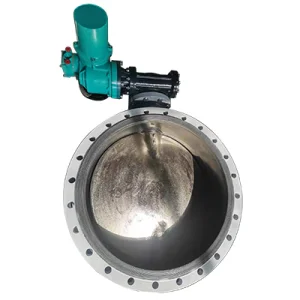
Thermal energy grids throughout Southeast Asia, North America, and Europe rely on our DN400 to DN1200 gear-operated and electric-actuated double-flanged butterfly valves. Engineered with rigid phenolic hard-back EPDM seats and polished CF8M stainless steel discs, these valves maintain low breakaway torques under full 16-bar differential pressure, slashing plant energy consumption and chiller pump power requirements.
Power Generation & Clean Tech (FGD)
In thermal power plant Flue Gas Desulfurization (FGD) scrubbers and modern green hydrogen processing plants, abrasive limestone slurry quickly erodes conventional components. ZFA’s heavy-duty rubber-lined butterfly valves incorporate thickened chlorobutyl or EPDM liners and high-strength SS2205 disc shafts, offering superior resilience against combined chemical attack and severe particle impingement.
Chinese Factory Supply Chain Resilience & Manufacturing Advantages
Discover how industrial vertical integration, automated machining, and raw material access translate into significant lead-time compression and cost efficiencies.
Global supply chain disruptions have illuminated the critical necessity of manufacturing resilience. For international EPC contractors and mechanical distributors, sourcing from tier-one Chinese valve manufacturers like Tianjin Zhongfa Valve Co., Ltd. offers structural advantages that extend far beyond initial cost savings:
Tianjin Industrial Valve Cluster
Situated in the Bohai Rim economic zone, ZFA Valve leverages the world's most concentrated ductile iron and specialty alloy foundry ecosystem. Raw casting supply pipelines, mold preparation, and chemical spectrographic validation occur within a 50-kilometer radius, slashing raw material transit delays from weeks to mere hours.
Automated CNC Machining Precision
Every butterfly valve body, disc hub, and stem bore is finished on high-precision CNC multi-axis horizontal machining centers. Dimensional tolerances are held within ±0.02 mm, ensuring complete concentricity, lower dynamic operational torques, and true interchangeability of modular seats and disc assemblies.
Direct Maritime Logistics (Tianjin Port)
Factory-to-port connectivity is an essential driver of project execution. Located adjacent to Tianjin Port (Xingang)—one of Northern China's largest container hubs—ZFA executes ocean freight dispatch under FOB/CIF/DDP incoterms without regional transshipment bottlenecks, ensuring deliveries arrive reliably on schedule.
Five-Stage Total Quality Management & Pressure Testing Protocols
Every valve leaving our plant undergoes hydrostatic shell and high-pressure seat verification in accordance with international inspection standards.
Spectrometry & Casting NDT
Optical emission spectrometer analysis verifies chemical composition of melt heats (carbon, nickel, chrome content). Castings undergo ultrasonic and magnetic particle testing.
Dimensional CMM Verification
Coordinate Measuring Machines (CMM) confirm critical sealing contours, O-ring groove geometries, top flange ISO 5211 dimensions, and stem-to-disc broached square alignments.
Epoxy Powder Coating
Electrostatic fluidised bed application of fusion bonded epoxy (FBE) primer and topcoat (minimum 250 microns), tested for holiday pinhole porosity at 15 kV spark test.
100% API 598 Pressure Testing
Hydrostatic shell test at 1.5× rated pressure; high-pressure bi-directional pneumatic and water seat test at 1.1× rated pressure. Zero allowable bubbles / Rate A leakage verification.
Custom Branding & Crating
Custom OEM laser marking, 316SS nameplates, customized color codes, stem preservation caps, and solid ISPM-15 heat-treated plywood export packaging.
Technological Roadmap: Smart Flow Control & Low-Carbon Valve Metallurgy
Discover how digitalization, smart edge-actuation, and fugitive emissions elimination are shaping the next decade of butterfly valve engineering.
Smart Actuation & Edge IoT Predictive Telemetry
The transition toward Industry 4.0 demands intelligent final control elements. ZFA Valve's research and development division is actively engineering smart modular butterfly assemblies integrated with HART, Profibus DP, and Modbus IoT transmitters. These systems monitor real-time packing gland friction, dynamic stem torque spikes, acoustic emissions indicative of internal bypass leakage, and cycle frequency metrics—enabling plant engineers to implement predictive maintenance before critical process shutdowns occur.
Zero-Fugitive Emissions & Clean Energy Compliance
Global environmental mandates—including the European Union's Net Zero targets and the US EPA’s Clean Air Act—require unprecedented valve stem sealing performance. ZFA’s updated product roadmap emphasizes compliance with ISO 15848-1 Class AH and API 641 fugitive emission standards. Through energized graphite packing systems, live-loaded Belleville spring washers, and micro-machined stem superfinishing (Ra < 0.2 µm), our valves prevent hazardous VOC and hydrogen gas leaks in carbon capture (CCUS) and clean hydrogen transportation networks.
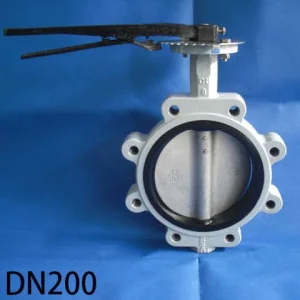
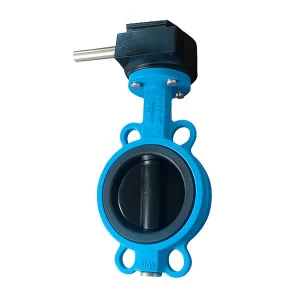
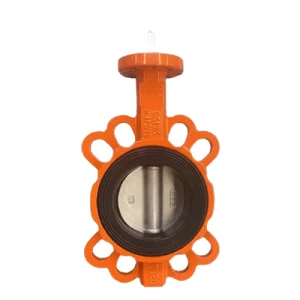
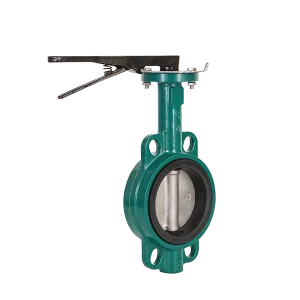
High-Performance, Lug Body & Check Valve Catalog
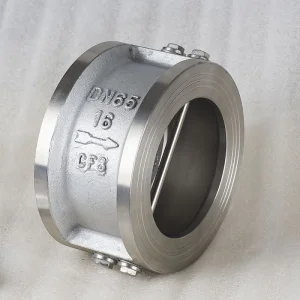
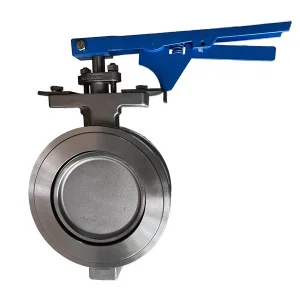
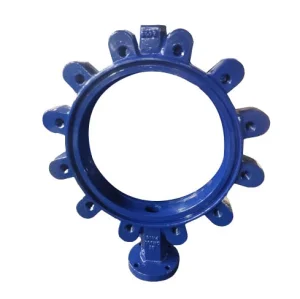
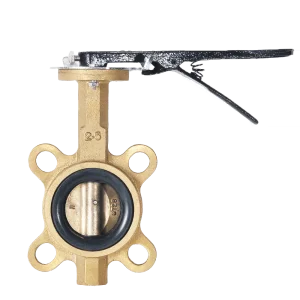
Explore our expanded export portfolio including high-performance double eccentric designs, full lug configurations, check valves, and specialized alloy disc options.
Localization Support, MTR Traceability & Compliance Safeguards
Meeting strict project submittal protocols for international tenders, EPC contractors, and multinational engineering authorities.
EN 10204 3.1 Material Traceability
Every dispatch is accompanied by an authenticated EN 10204 3.1 Material Test Report (MTR). Complete metallurgical heat tracing documents the exact chemical composition and mechanical tensile, elongation, and Charpy impact values of bodies, stems, and discs down to the raw melt charge.
24-Hour Engineering RFQ Response
Our Tianjin technical sales engineering hub operates round-the-clock shift rotations. When engineering contractors submit project datasheets, 2D dimensional CAD drawings, 3D STEP models, Flow Coefficient ($C_v$) calculations, and commercial quotation packs are returned within 24 business hours.
Global Multi-Standard Flange Compatibility
Inventory challenges are eradicated through ZFA’s universal bolt-hole body pattern designs. A single valve body accommodates mounting across ANSI/ASME Class 125/150, EN 1092-2 PN10/PN16, JIS B2239 10K, and BS 10 Table E, enabling international stockists to serve multi-regional clients seamlessly.
Frequently Asked Engineering & Procurement Questions
In-depth technical answers addressing installation mechanics, fluid dynamics, elastomer selection, and international logistics.
What is the operational distinction between wafer, lug, and double-flanged butterfly valves?
The distinction lies in installation mechanics, bolting style, and downstream maintenance capability:
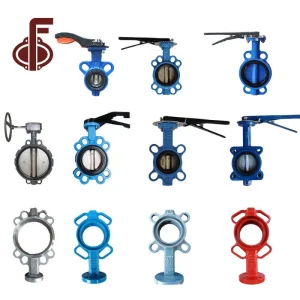
- Wafer Type: Designed with unthreaded through-holes or alignment ears. The valve is clamped between two pipe flanges using long stud bolts. It represents the lightest, most economical footprint but cannot be used for dead-end service—removing downstream piping requires depressurizing the entire system.
- Lug Type: Features individual threaded female lugs that match the pipe flange bolt pattern. Studs thread directly into each side of the valve body without through-bolts. This configuration allows either side of the pipeline to be decoupled while maintaining full line pressure on the opposing side (dead-end isolation service within manufacturer pressure ratings).
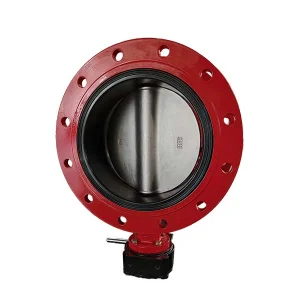
- Double-Flanged Type: Possesses integral cast flanges on both sides of the valve body matching ASME, DIN, or JIS standards. Ideal for large-bore systems (DN350 and above), double-flanged bodies offer maximum structural rigidity, eliminate bolt stress transmission through the valve seat, and allow direct bolted installation into municipal pumping chambers and marine bulkheads.
How does a pinless disc-to-stem connection compare with a pinned connection?
In conventional pinned butterfly valves, taper pins pass through both the disc hub and the stem to transmit actuator torque. While structurally reliable in clean fluids, the pin penetration points break the continuity of the disc coating, creating localized stress concentrations and crevice corrosion pathways. Over years of service, pins can loosen from vibration, resulting in disc flutter and hysteresis.
ZFA Valve specializes in advanced pinless drive designs, utilizing broached double-D, keyed, or precision-machined square stem-to-disc internal interfaces. The valve disc remains entirely smooth and unpenetrated by fasteners. This completely shields the stem from contact with process fluids, eliminates crevice corrosion, significantly reduces hydrodynamic flow turbulence, and permits effortless replacement of the seat liner during maintenance shutdowns.
Why must a safety torque sizing factor be applied when outfitting actuators to butterfly valves?
A valve's published dynamic breakaway torque is measured during pristine factory hydrostatic testing using ambient clean water. However, real-world operating conditions introduce several friction multipliers:
- Elastomer Permanent Set & Stiction: When a resilient seated valve remains in the closed position for extended intervals (e.g., 3 to 6 months), the rubber seat permanently conforms around the disc edge, requiring up to 25% to 35% higher initial breakaway torque to dislodge.
- Media Characteristics: Dry bulk powders, slurry solids, lime buildup, and lubricating vs. non-lubricating dry gases alter boundary friction coefficients drastically.
- Dynamic Flow Hydrodynamics: When a disc approaches closure in high-velocity pipelines (above 3 m/s for liquids), fluid impingement against the disc face creates significant dynamic torque opposing actuator movement.
Consequently, ZFA Valve strongly recommends applying a minimum 25% to 30% safety margin for clean liquid applications, and a 40% to 50% safety margin for dry gas, abrasive slurry, or infrequently cycled emergency isolation assemblies.
What international testing standards are applied during ZFA factory inspection?
Every valve leaving the ZFA facility is tested strictly in accordance with API 598 (Valve Inspection and Testing), EN 12266-1, and ISO 5208. The testing sequence includes:
- Hydrostatic Shell Test: Conducted at 1.5 times the cold working pressure (e.g., 24 bar for a PN16 rated valve) with the disc partially open, verifying pressure vessel casting integrity and stem packing containment without structural leakage or permanent distortion.
- Hydrostatic & Pneumatic Seat Leakage Test: Applied in both flow directions at 1.1 times the design pressure for liquid service, or 6 bar air pressure under water. Resilient-seated concentric valves must achieve Rate A (zero measurable bubble leakage).
- Operability Cycle Verification: A full open-close stroke test is performed to confirm that manual levers, worm gears, or pneumatic/electric actuators travel smoothly within their mechanical limit stops without binding.
Can ZFA butterfly valves support direct OEM branding for overseas distributors?
Yes. Over 60% of our production volume operates under confidential OEM manufacturing contracts for prominent valve brands and national engineering supply chains in Europe, North America, the Middle East, and South America. Our complete OEM engineering support encompasses custom foundry pattern molds featuring customer body logos, customized RAL color powder coating, laser-engraved stainless steel nameplates with customer part numbers and QR codes, specialized testing certificates, and neutral export crating designed for immediate warehouse distribution.
