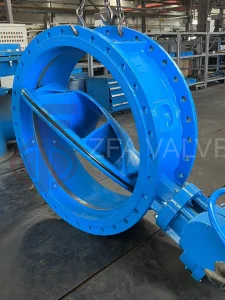
Precision Flow Isolation & Throttling Valves
Explore Tianjin Zhongfa Valve's premier engineered assemblies configured for potable water, aggressive chemicals, hydrocarbons, and high-pressure steam distribution.
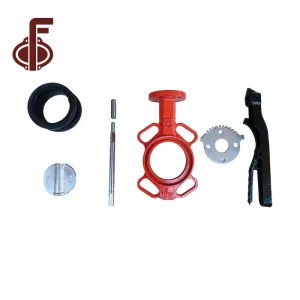
OEM Replacable Seat Aluminum Hand Lever Wafer Butterfly Valve with EPDM Seat Factory, Exporter
Explore Technical Specs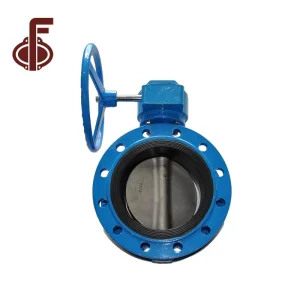
China DI SS304 PN10/16 CL150 Double Flange Butterfly Valve Factories, Exporters
Explore Technical Specs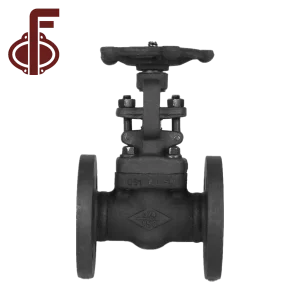
OEM Class1200 Forged Gate Valve Manufacturer, Factories
Explore Technical Specs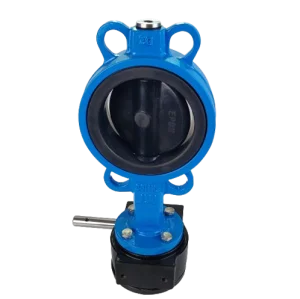
OEM EPDM Fully Lined Seat Disc Wafer Butterfly Valve Exporter, Exporters
Explore Technical Specs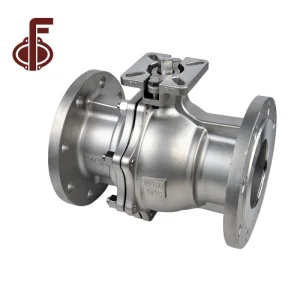
China Stainless Steel Flange Type Floating Ball Valve Factory, Exporter
Explore Technical Specs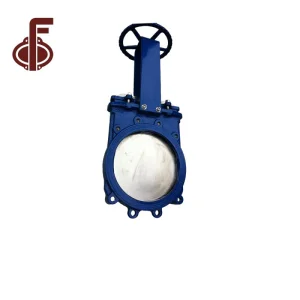
OEM DI PN10/16 Class150 Lug Knife Gate Valve Manufacturers, Exporters
Explore Technical Specs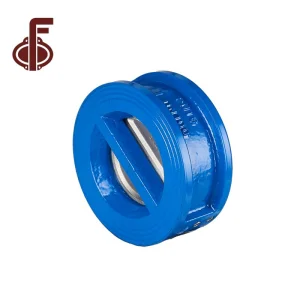
OEM DI CI SS304 Dual Plate Check Valve Manufacturer, Exporter
Explore Technical Specs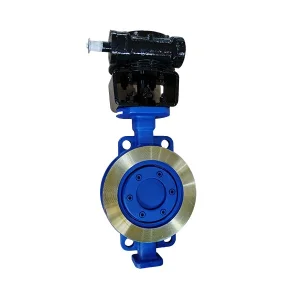
China DN200 WCB Wafer Triple Offset Butterfly Valve with Worm Gear Manufacturers, Exporter
Explore Technical SpecsGlobal Dynamics in Wafer Butterfly Valve Procurement
Analyzing shifting international supply chains, decarbonization mandates, and the engineering necessity of compact, zero-leakage wafer body configurations.
Material Optimization & Structural Economics
Modern process engineering places a premium on mechanical efficiency and structural footprint reduction. Unlike bulkier flanged valves, wafer style butterfly valves sandwich directly between pipe flanges utilizing through-bolts. This slender profile reduces overall valve mass by up to 68% compared to double-flanged bodies, minimizing pipe stress, shipping freight expenditures, and seismic structural requirements across massive civil infrastructures.
Global Decarbonization & Fugitive Emission Control
With stringent regulations such as ISO 15848-1 and TA-Luft setting stringent limits on fugitive stem emissions, high-tier Chinese manufacturers have shifted toward advanced multi-v-ring packing, live-loaded Belleville washer disc springs, and anti-blowout stem designs. These innovations ensure that process fluids—ranging from hazardous petrochemical solvents to superheated HVAC steam—remain fully hermetically sealed.
Digital Actuation Integration (Industry 4.0)
The contemporary automation pipeline demands immediate interoperability with Modbus, Profibus, HART, and Foundation Fieldbus architectures. Direct-mount ISO 5211 top flanges are standardized across modern Chinese wafer butterfly valve product matrices, facilitating frictionless field retrofitting with smart electro-pneumatic positioners and intelligent motor actuators without custom bracket machining.
Localized Applications Across Demanding Industrial Environments
Specific field environments mandate precise combinations of elastomer chemistries, disc hydrodynamics, and body metallurgy.
1. District Cooling & Commercial HVAC Plants
In chilled water distribution loops operating at 4°C to 12°C and condenser water circuits reaching 45°C, concentric wafer butterfly valves equipped with vulcanized or replaceable EPDM boot seats provide zero leakage. Ductile iron bodies (EN-GJS-400-15 / ASTM A536 65-45-12) paired with nylon-coated or CF8M stainless steel discs minimize cavitation risk and scale adhesion, preserving high hydrodynamic flow coefficients (Cv) over continuous 25-year operational lifecycles.
2. Seawater Reverse Osmosis (SWRO) Desalination
Desalination facilities operate in chloride-dense environments where pitting and crevice corrosion quickly compromise standard austenitics. High-performance wafer butterfly valves for intake and brine discharge rely on Super Duplex Stainless Steel discs (UNS S32750 / 2507) or Nickel-Aluminum Bronze (ASTM B148 C95800) seated within fully vulcanized molded EPDM or fluoropolymer linings, preventing seawater ingress into the cast housing.
3. Ultra-Pure Chemical Processing & Semiconductor Fabs
Aggressive reagents such as concentrated sulfuric acid (H2SO4), nitric acid, and ultra-pure deionized water forbid trace metallic leaching. PTFE/PFA fully lined wafer butterfly valves isolate the metal disc core and body behind virgin high-molecular-weight fluoropolymer barriers of uniform thickness (≥3mm). Mechanically energized silicone backing rings guarantee constant elastic recovery and Class VI shutoff.
4. Petrochemical Refineries & Tank Farm Terminals
Hydrocarbon distribution manifolds require fire-safe certified isolation governed by API 607 and ISO 10497. Triple eccentric (triple offset) metal-seated wafer butterfly valves fabricated in cast carbon steel (ASTM A216 WCB) or austenitic stainless steel deliver non-rubbing quarter-turn rotation, laminated Stellite/graphite sealing rings, and bubble-tight bidirectional shutoff even under flash temperatures up to 450°C.
5. Mining Slurries & Dry Bulk Conveying
Transporting tailings, pulverized lime, and coal fly ash causes rapid erosion of standard elastomeric lips. Hard-back replaceable seat wafer valves utilize rigid phenolic or aluminum backup sleeves that prevent seat collapse under extreme negative pressures (vacuum) and high fluid velocities, drastically cutting unscheduled plant maintenance.
6. Municipal Wastewater & Aeration Basins
Sewage transfer and activated sludge lines deal with bio-solids, grit, and dissolved hydrogen sulfide (H2S). Resilient seated wafer valves featuring food-grade certified NBR or high-grade peroxide-cured EPDM prevent swelling and embrittlement, providing dependable isolation on low-pressure air blowers and discharge manifolds.
Seat Chemistry & Disc Metallurgy Reference Guide
A rigorous engineering comparison to ensure chemical compatibility, prevent elastomer degradation, and optimize seat life expectancy.
| Elastomer / Seat System | Operational Temp | Optimum Fluid Media | Primary Limitations | Applicable Standards |
|---|---|---|---|---|
| EPDM Ethylene Propylene Diene | -20°C to +120°C | Potable water, raw water, HVAC hydronics, low-pressure steam, mild acids, caustic alkalis | Zero tolerance for mineral oils, petroleum greases, diesel, and aromatic hydrocarbons | WRAS, NSF/ANSI 61, ACS, EN 681-1 |
| NBR Nitrile / Buna-N | -10°C to +82°C | Lubricants, crude fuel oil, hydraulic fluids, compressed natural gas, water-glycol mixtures | Rapid breakdown with strong oxidants, ozone, ketones, and prolonged UV exposure | EN 549, ISO 6072, ASTM D2000 |
| PTFE / PFA Fluoropolymer Lined | -30°C to +180°C | Chlorine gas, hydrofluoric acid, pharmaceutical solvents, bleach, high-purity chemicals | Lower resilience; vulnerable to gouging by dense slurries; higher actuation torque required | FDA 21 CFR 177.1550, USP Class VI |
| Metal-to-Metal / Stellite | -196°C to +450°C | Thermal oil, superheated steam, flare gases, refinery light ends, cryogenic LNG isolation | Requires rigid pipe alignment; non-elastomeric seating demands precision torque control | API 609 Cat B, ASME B16.34, API 607 |
The Chinese Factory Advantage in Industrial Valve Manufacturing
How vertically integrated foundry clusters, advanced multi-axis CNC cells, and direct metallurgy control redefine cost and delivery cycles for global EPCs.
Dedicated Foundry Integration & Raw Material Traceability
Tianjin Zhongfa Valve maintains dedicated casting operations, utilizing automated resin-sand molding and high-frequency induction furnaces. Every heat lot undergoes optical emission spectrometer (OES) analysis to verify chemical compositions before pouring, eliminating common defects such as blowholes, manganese sulfide segregations, or ferrite degradation. Full EN 10204 3.1 chemical and mechanical test certificates accompany every production batch.
Advanced Multi-Axis CNC & Spherical Machining
Concentric wafer valves depend upon exact interference fits between the disc edge and the elastomeric seat. Discs undergo specialized multi-axis CNC contour milling and mirror-polishing (Ra ≤ 0.4 μm), which minimizes friction, extends seat operational life beyond 100,000 cycles, and lowers dynamic breakout torque by 25%—enabling the use of smaller, more cost-effective pneumatic and electric actuators.
Rapid Delivery Lead Times & Modular Assembly
By leveraging northern China’s industrial ecosystem in Tianjin and southern valve manufacturing hubs, standardized wafer valve bodies, shafts, and elastomeric liners are maintained in semi-finished buffer stocks. Modular assembly enables high-volume order fulfillment in 3 to 4 weeks, compared to traditional European or American lead times of 16 to 24 weeks, without sacrificing quality.
Engineering the Future of Smart Quarter-Turn Valves
A technical projection of smart flow control advancements, digital twin simulation, and carbon-neutral casting methodologies through 2030.
1. Embedded IoT & Seat Wear Acoustic Emission Sensors
Next-generation wafer valves feature integrated piezoelectric acoustic sensors and non-intrusive stem torque transducers. By continuously transmitting dynamic operating data to cloud-based predictive maintenance systems via WirelessHART or LoRaWAN, plant engineers can detect seat abrasion, cavitational degradation, and packing friction spikes months before an in-line leak occurs.
2. Zero-Carbon Foundry Processes & Additive Discs
Foundries are transitioning to 100% green-electric melting processes paired with advanced sand reclamation systems achieving 95% recycling efficiency. Simultaneously, 3D metal powder bed fusion (LPBF) additive manufacturing is being deployed for large-diameter triple offset disc designs, creating internal lattice architectures that reduce weight by 35% while increasing structural rigidity.
3. Bio-Compatible & PFAS-Free Elastomer Matrices
In response to emerging global restrictions on per- and polyfluoroalkyl substances (PFAS), materials science laboratories are qualifying innovative bio-based cross-linked fluoroelastomers and ceramic hybrid coatings. These options match PTFE's chemical inertia while satisfying the strictest environmental and toxicological regulations for drinking water and pharmaceutical pipelines.
Global Standards Compliance & Engineering Audits
How rigorous inspection regimens and international certifications de-risk capital expenditures for engineering contractors worldwide.
Complete Hydrostatic & Pneumatic Leak Testing
Every individual wafer butterfly valve undergoes hydro testing according to ISO 5208 and API 598 prior to packaging. The shell is pressurized to 1.5 times the cold working pressure (CWP), while resilient seats undergo low-pressure air sealing tests at 0.6 MPa and high-pressure water seat tests at 1.1 times CWP to verify absolute zero-bubble shutoff.
Documentation & Full Traceability Packages
Project documentation includes complete mill test reports (MTRs) compliant with EN 10204 Type 3.1, coating thickness dry-film inspection reports (DFT ≥ 250 μm electrostatic epoxy), non-destructive testing (NDT/RT/PT/UT) dossiers, and certificates of origin for streamlined customs clearance across the EU, Middle East, and the Americas.
Dedicated Engineering Support & Field Warranty
Technical assistance covers sizing calculations (Cv, fluid velocity, torque margins, Reynolds number evaluations), 3D CAD/BIM model distribution, and actuator mounting matching. Every assembly is backed by a standard 18-month warranty from shipment or 12 months from on-site commissioning.
Frequently Asked Questions by Valve Procurement Engineers
Direct technical answers addressing installation criteria, differential pressures, and maintenance protocols for wafer style valves.
What is the structural difference between a Wafer style and a Lug style butterfly valve?
Can wafer style butterfly valves be deployed in dead-end service applications?
How is hydrodynamic breakout torque calculated for automated wafer valves?
What causes elastomeric seat swelling in wafer butterfly valves?
What international flange standards are compatible with universal wafer valve bodies?
Need Custom Wafer Butterfly Valve Engineering or OEM Supply?
Collaborate directly with our valve design team. From custom body metallurgy and vulcanized liner options to pneumatic automation skids, we deliver compliant solutions within 24 hours.
Specialty Valves, Gates & High-Performance Assemblies
Complete your facility piping configuration with our extended product range, including knife gates, high-pressure resilient soft-seated gate valves, and offset configurations.
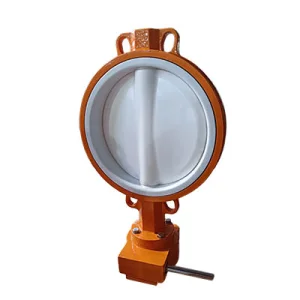
China PTFE Lined Disc & Seat Wafer Butterfly Valve Manufacturers, Factories
Explore Technical Specs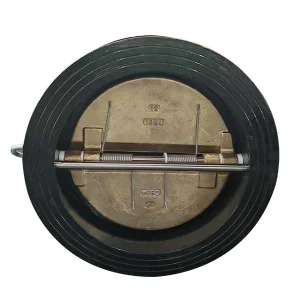
China Double Doors C594 Disc One Way Valve DN300 12INCH Factory, Exporter
Explore Technical Specs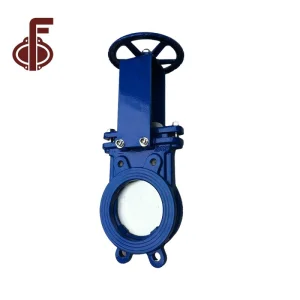
OEM Ductile iron PN10/16 wafer Support Knife Gate Valve Manufacturer, Factories
Explore Technical Specs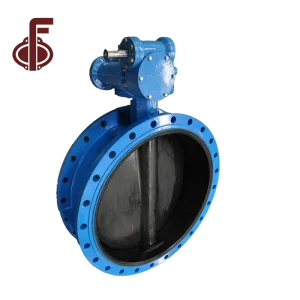
China PN16 CL150 Pressure Flange Type Butterfly Valves Manufacturers, Exporters
Explore Technical Specs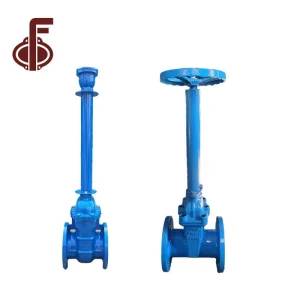
China DI PN10/16 class150 Long Stem Soft Sealing Gate Valve Manufacturers, Factories
Explore Technical Specs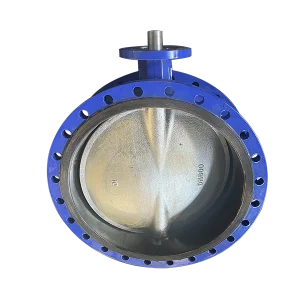
OEM Bare Shaft Vulcanized Seat Flanged Butterfly Valve Manufacturer, Factory
Explore Technical Specs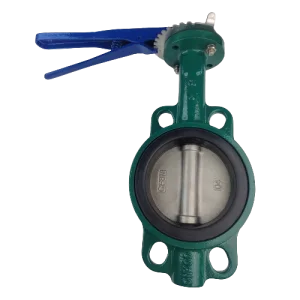
OEM Hard Back Seat Cast Iron Wafer Type Butterfly Valve Factories, Exporter
Explore Technical Specs