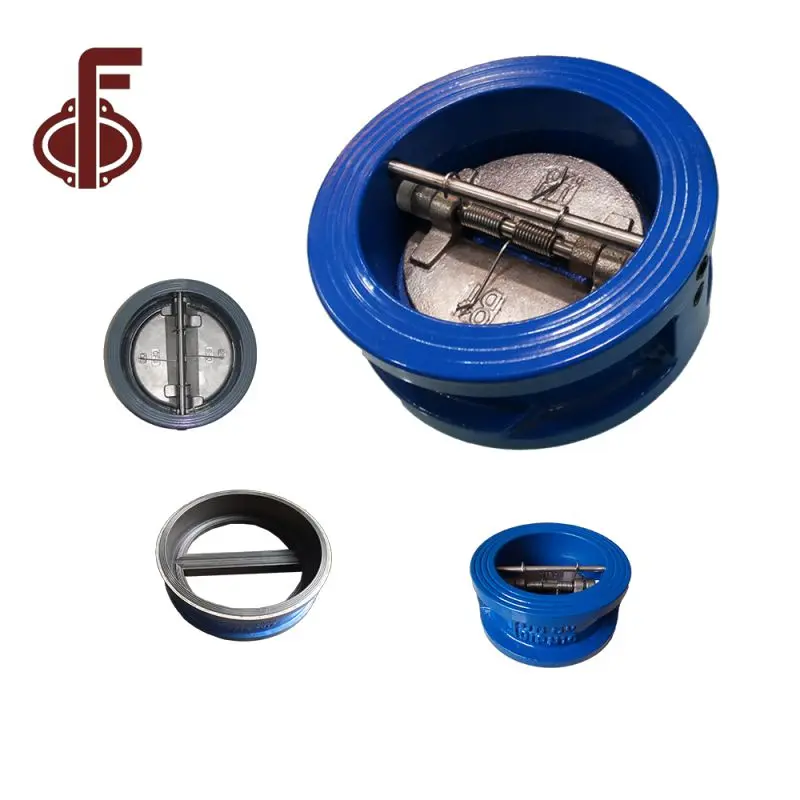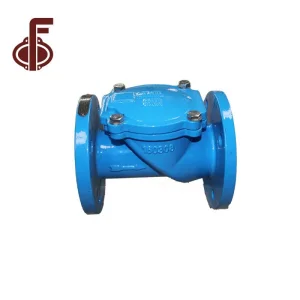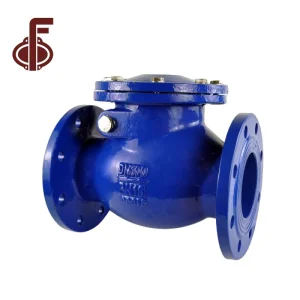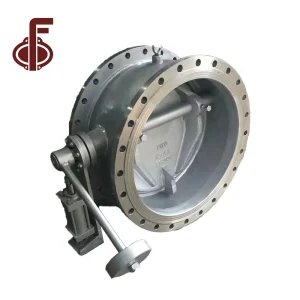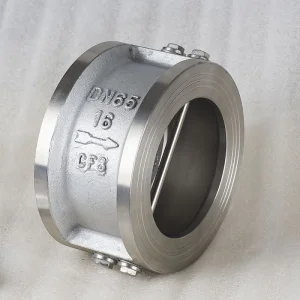
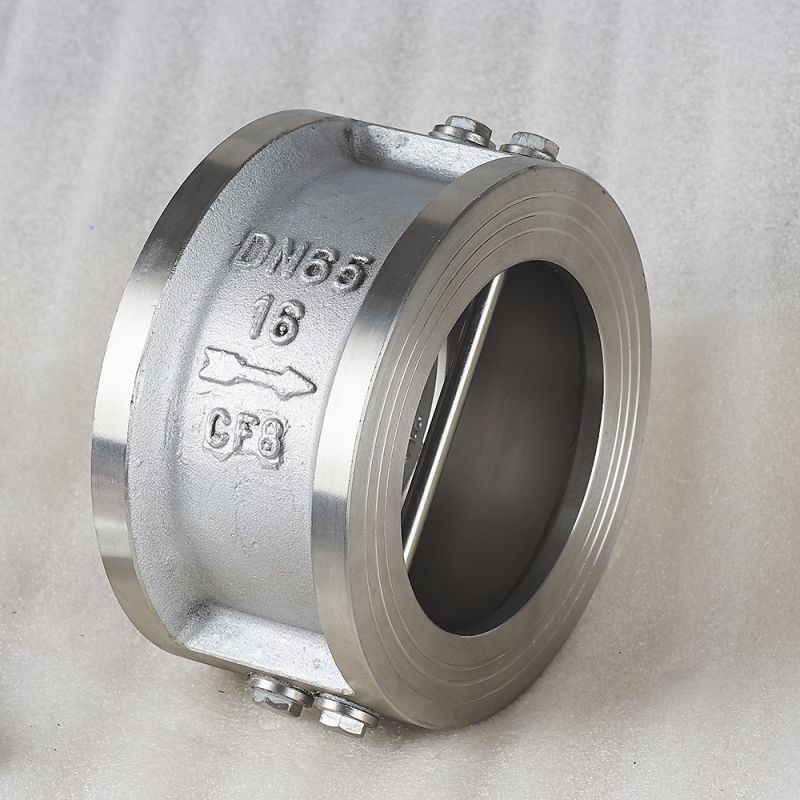
OEM DI CI SS304 Dual Plate Check Valve Manufacturer, Exporter
Product Description
A check valve—also recognized as a one-way valve, non-return valve, or back pressure valve—is an automatic safety mechanism actuated solely by the natural force of medium flow within the pipeline. Designed to prevent fluid reversal, this critical flow-control component shields upstream pumps and motors from inverse rotation while averting unintended tank depressurization and drainage.
Automatic Reverse-Flow Prevention
Safeguards system integrity by automatically blocking backflow and eliminating reverse shock on pumps.
Dual-Orientation Mounting
Engineered with a balanced wafer design capable of reliable seating in both horizontal and vertical pipelines.
Broad Chemical Resistance
Accommodates water, steam, hydrocarbons, nitric acid, acetic acid, urea, and strong oxidizing agents.
Working Principle & Structural Design
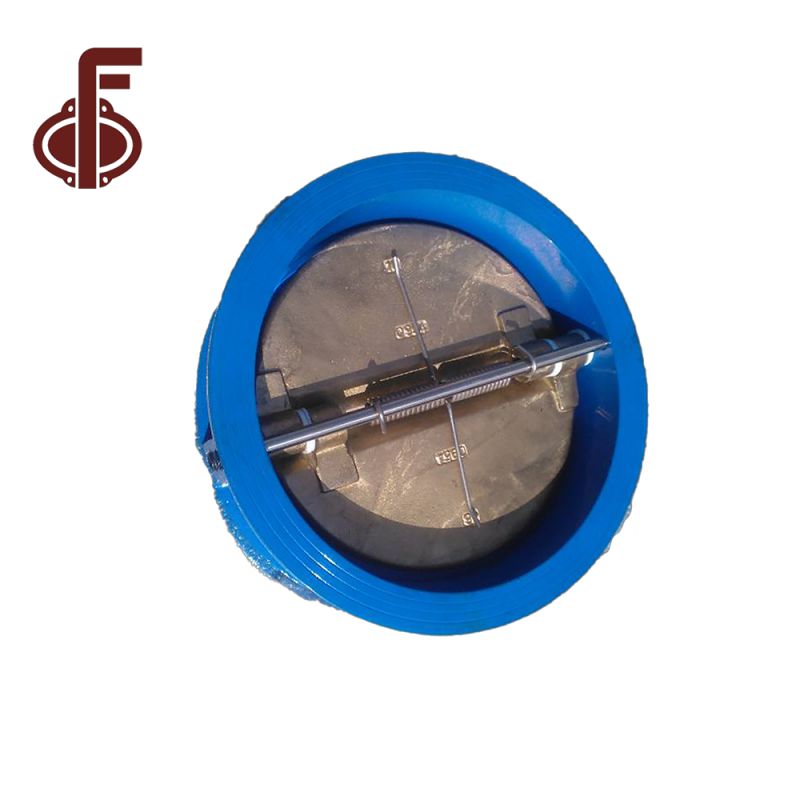
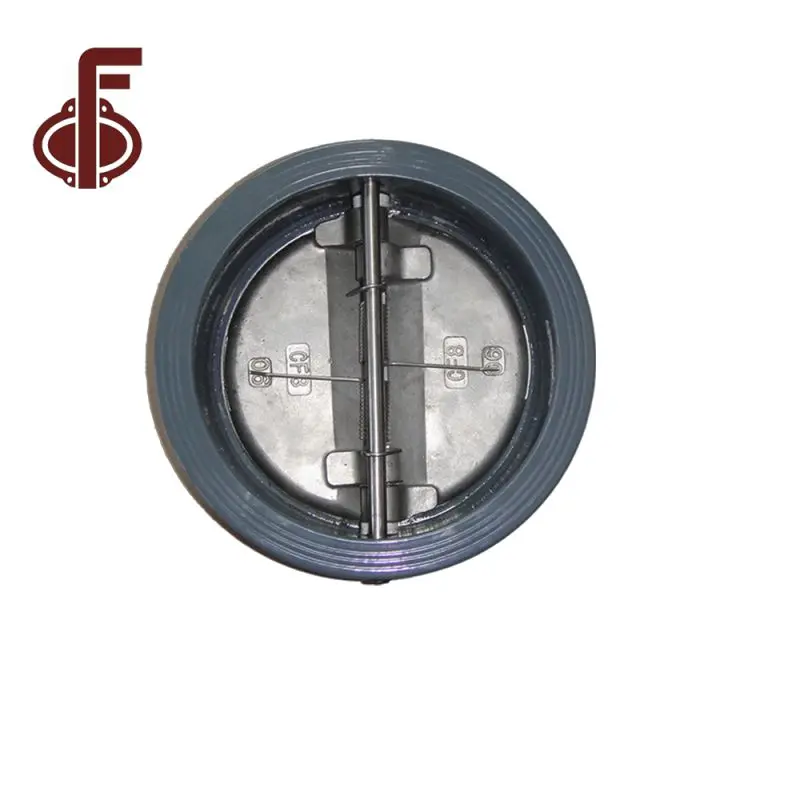
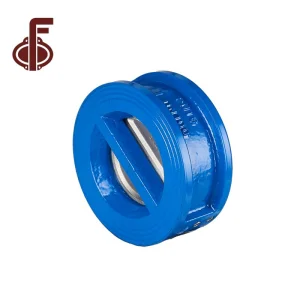
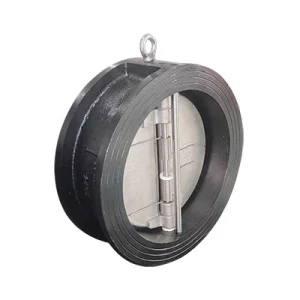
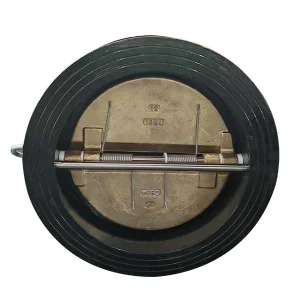
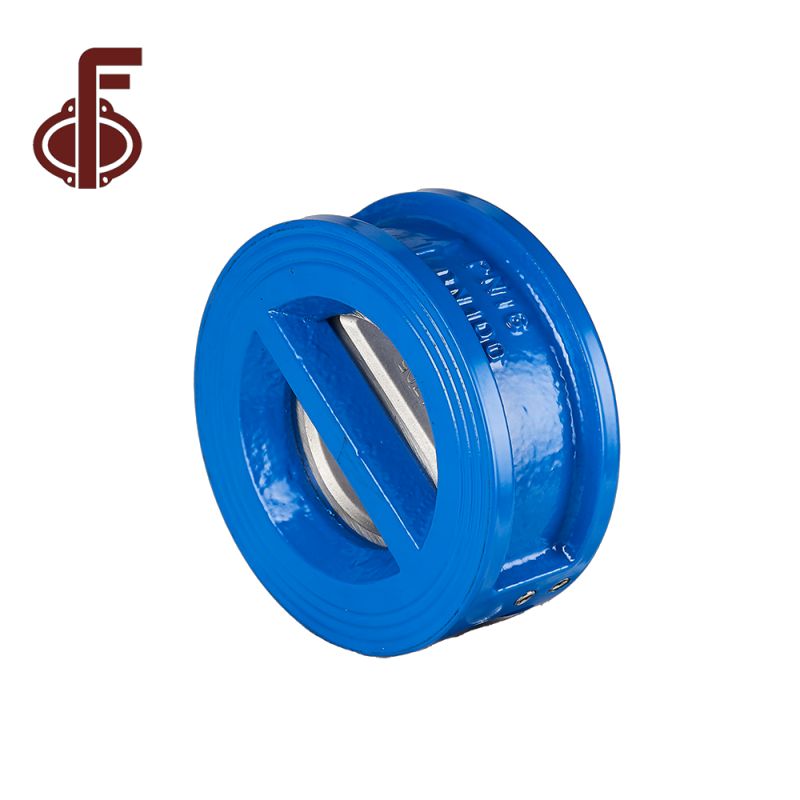
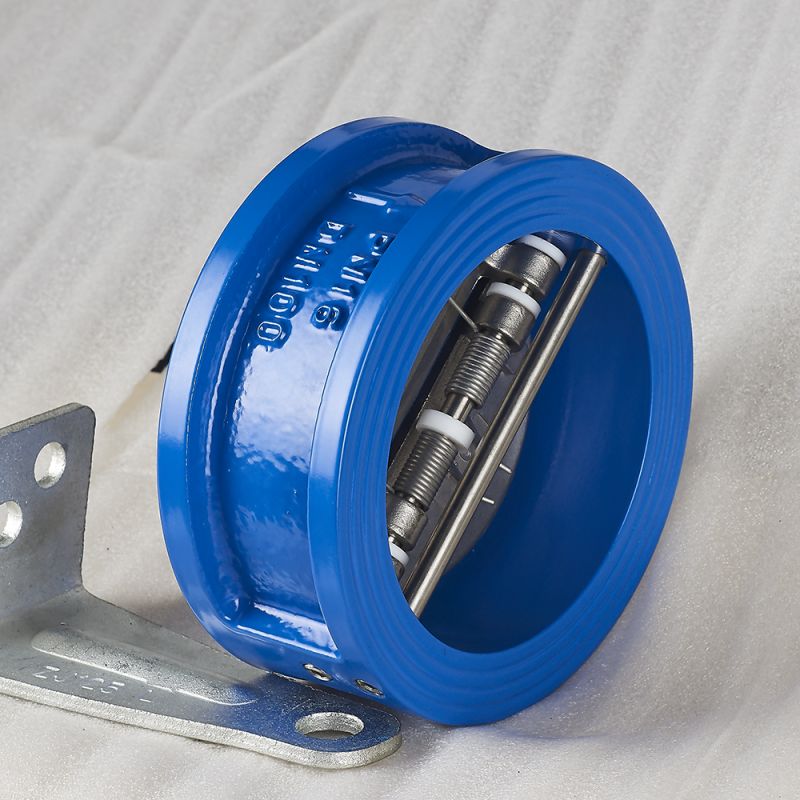
The double-plate check valve incorporates a two-lobed circular disc mounted to the valve body with a central hinge pin. Two torsion springs positioned on the pin retain the discs against the valve body sealing surfaces under rest or reverse-pressure conditions. As forward fluid flow commences, dynamic line pressure overcomes spring tension, causing the butterfly-style disc plates to swing open. When forward flow recedes or reverse flow initiates, the combined action of torsional spring force and media back pressure rapidly shuts the discs against the seat.
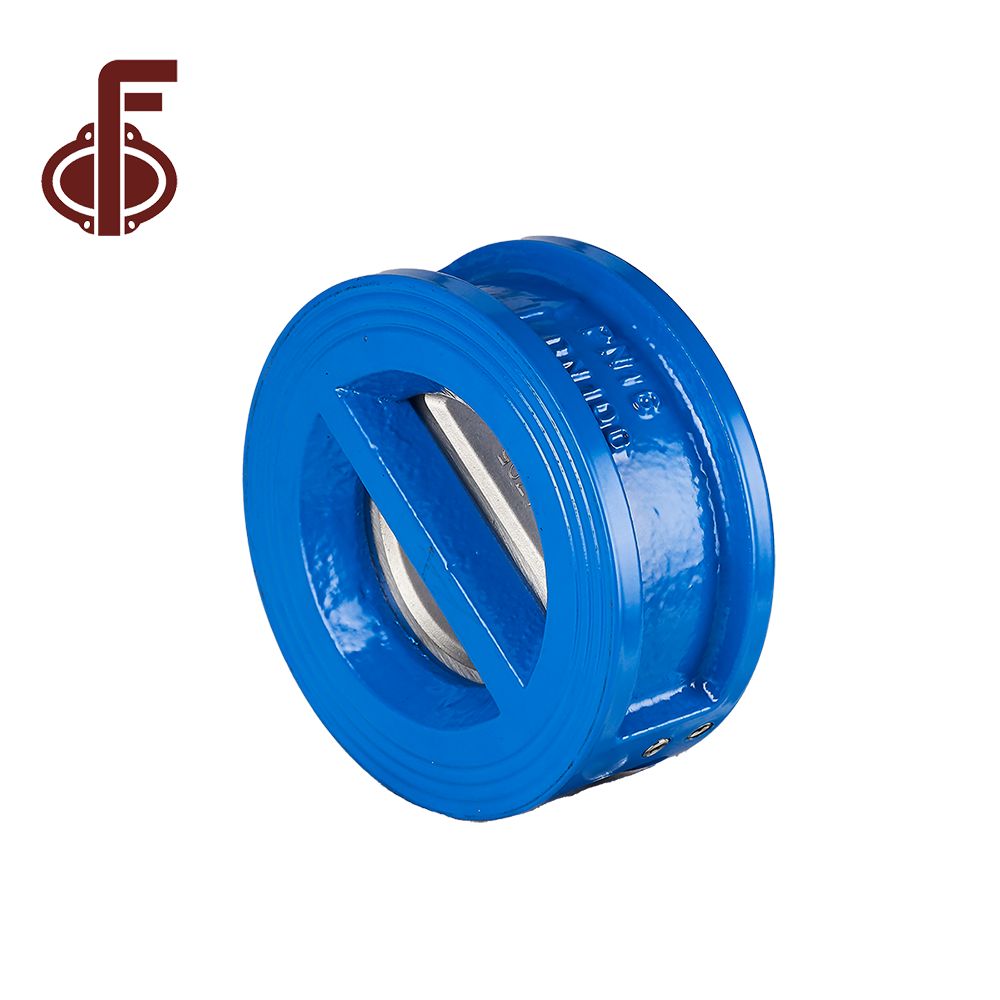
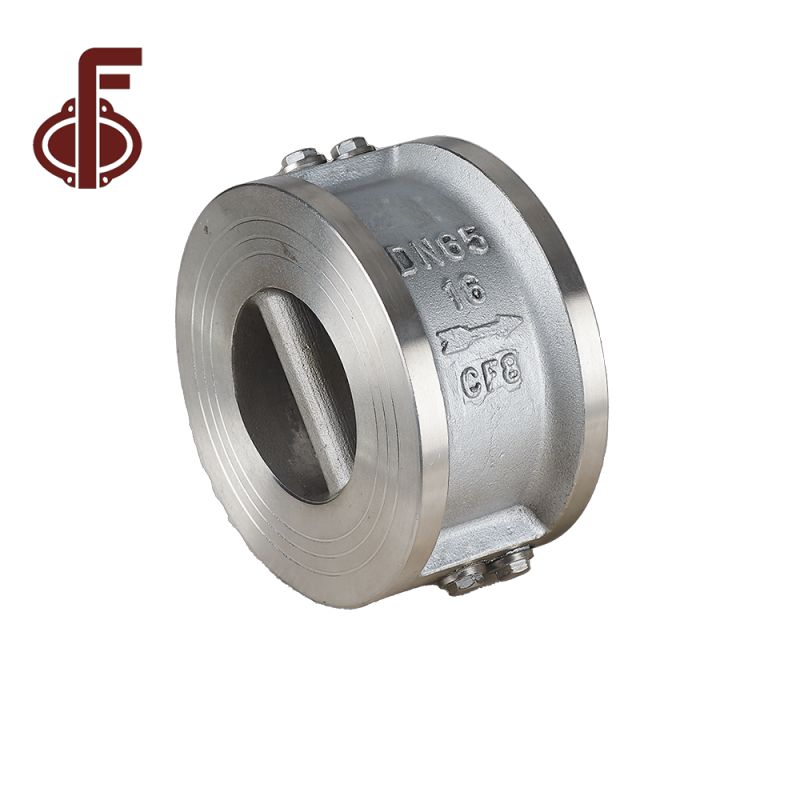
Featuring a slender wafer profile, this check valve configuration minimizes face-to-face dimensions, reduces overall pipeline load, ensures robust and repeatable sealing, and installs effortlessly between flanges in petrochemical, metallurgy, electric power, light industrial, and food manufacturing systems.
Technical Specifications & Material Options
| Size & Pressure Rating & Standard | |
|---|---|
| Size | DN50 - DN800 |
| Pressure Rating | PN6, PN10, PN16, CL150 |
| Face to Face STD | API 609, BS 5155, DIN 3202, ISO 5752 |
| Connection STD | PN6, PN10, PN16, DIN 2501 PN6/10/16, BS 5155 |
| Material Specifications | |
| Body | Cast Iron (GG25), Ductile Iron (GGG40/50), Carbon Steel (WCB A216), Stainless Steel (SS304 / SS316 / SS304L / SS316L), Duplex Stainless Steel (2507 / 1.4529), Bronze, Aluminium Alloy |
| Disc | DI+Ni, Carbon Steel (WCB A216), Stainless Steel (SS304 / SS316 / SS304L / SS316L), Duplex Stainless Steel (2507 / 1.4529), Bronze, DI / WCB / SS coated with Epoxy Painting / Nylon / EPDM / NBR / PTFE / PFA |
| Stem / Shaft | SS416, SS431, SS304, SS316, Duplex Stainless Steel, Monel |
| Seat | NBR, EPDM / REPDM, PTFE / RPTFE, Viton, Neoprene, Hypalon, Silicon, PFA |
Product Gallery