
High-Performance Water Infrastructure Valves (Series I)
Engineered for full-bore water transmission, municipal pumping stations, industrial isolation, and fire service with zero seat leakage and extended operational longevity.
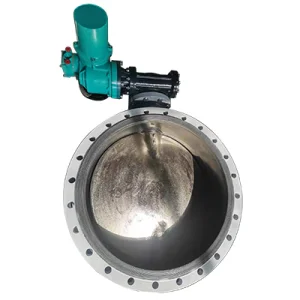
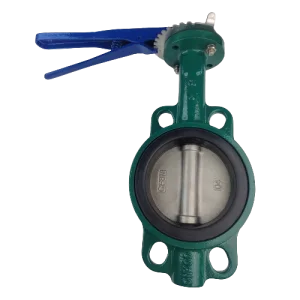
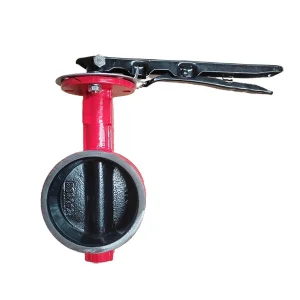
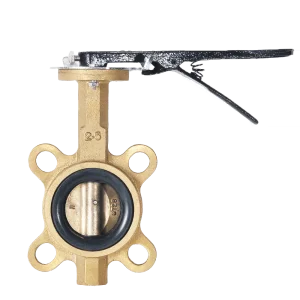
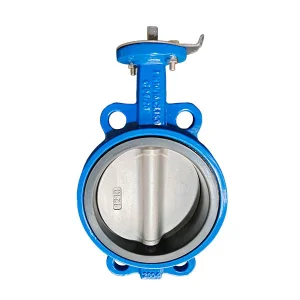
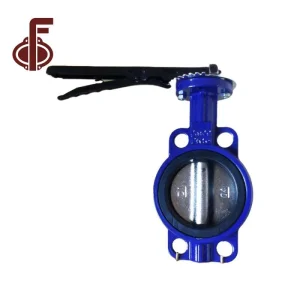
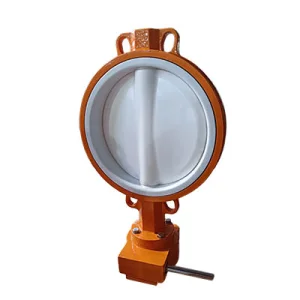
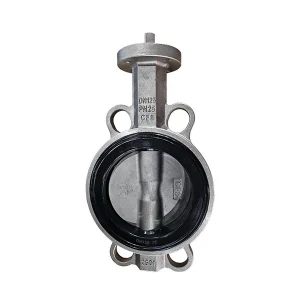
Commercial & Industrial Macro Dynamics in Flow Control
The global demand for industrial water gate valves, sluice valves, and resilient isolation systems has entered an unprecedented replacement and expansion supercycle across municipal and industrial sectors.
Non-Revenue Water (NRW) Mitigation
Global municipal utilities lose an estimated 346 billion cubic meters of treated potable water each year due to distribution network leakage and valve failures. Water gate valves equipped with resilient EPDM vulcanized wedges and zero-cavity straight-through bores have become mandatory specs in European and North American infrastructure modernization projects aiming to cut hydraulic losses below 5%.
- Zero-cavity body prevents sediment accumulation
- Drop-tight isolation under 16 to 25 bar bi-directional pressure
CAPEX Optimization & Direct Sourcing
International Engineering, Procurement, and Construction (EPC) consortiums face intensifying pressure on capital expenditures. Sourcing directly from verified Tier-1 Chinese gate valve manufacturers cuts procurement costs by 35% to 50% relative to Western-assembled brands without sacrificing dimensional or material compliance with AWWA C515, DIN EN 1171, or BS 5163 standards.
- Direct foundry-to-site logistical integration
- Full EN 10204 3.1 chemical & physical certification
Desalination & Mega-Scale Pipelines
From the mega-scale seawater reverse osmosis (SWRO) facilities in Saudi Arabia, UAE, and Chile to trans-regional water diversion projects across Central Asia, projects require heavy-duty ductile iron gate valves with duplex stainless steel stems and specialized fusion-bonded epoxy (FBE) coatings engineered to withstand high salinity, soil shear stress, and external corrosive attack.
- WRAS & NSF/ANSI 61 compliant barrier coatings
- Extended stem assemblies for deep trench burial
Engineering Anatomy of Chinese Resilient-Seated Water Gate Valves
A rigorous breakdown of the mechanical, metallurgical, and tribological criteria that differentiate export-grade water gate valves from low-grade domestic castings.
| Component Component | Material Grade Standard | Technical Characteristics | Engineering Benefit |
|---|---|---|---|
| Valve Body & Bonnet | Ductile Iron EN-GJS-500-7 (GGG50) / ASTM A536 65-45-12 | Tensile strength ≥ 500 MPa; Elongation ≥ 7%; Hydrostatic shell test at 1.5× PN rating. | Prevents brittle fracture under catastrophic pressure surges, ground shifting, and water hammer. |
| Resilient Wedge | Ductile Iron Core fully vulcanized with EPDM / NBR (Potable Grade) | Vulcanized bonding integrity tested to ISO 813; Shore A hardness 70±5; Microbe resistant. | Zero-leakage bi-directional seal without requiring bottom seating cavity; sediment flushes through cleanly. |
| Stem & Drive Shaft | Stainless Steel 2Cr13 / SS420 / SS431 / Duplex 2205 | Cold-rolled ACME threads; surface roughness Ra ≤ 0.4 μm; High torque resistance. | Eliminates thread galling, minimizes operating torque by 40%, and prevents dezincification in acidic soils. |
| Stem Nut & Thrust Bushing | Cast Brass CW617N / Aluminum Bronze C95400 | Self-lubricating profile; low friction coefficient paired with stainless steel stem. | Ensures smooth valve travel over 5,000+ open/close cycles under full line differential pressure. |
| Internal & External Coating | Thermoset Fusion Bonded Epoxy (FBE) DIN 30677-2 / GSK | Electrostatic application at 200°C; Dry Film Thickness ≥ 250 μm; 0% holiday spark test at 3kV. | Provides total microbiological passivation, eliminates internal nodular tuberculation, and resists cathodic disbondment. |
Non-Rising Stem (NRS) vs. OS&Y
Non-Rising Stem (NRS) configurations dominate underground buried service, road utility corridors, and municipal pits because the stem remains within the valve envelope, reducing vertical clearance needs. Conversely, Outside Screw & Yoke (OS&Y) rising stem designs are specified in water treatment plant pump rooms and fire protection manifold stations where visual verification of valve position is safety-critical.
Triple O-Ring Gland Sealing
Export-grade Chinese water gate valves replace traditional packing glands with maintenance-free triple elastomeric O-ring stem seals. The upper two O-rings isolate the stem from external soil contaminants and atmospheric moisture, while the lower O-ring provides a primary pressure barrier. A secondary back-seat sealing mechanism allows the top O-rings to be replaced under full pipeline pressure without system shutdown.
Precision Cold-Rolled Stem Threads
Unlike machined threads that cut the grain structure of the steel, cold-rolled stem threads provide uninterrupted metal grain flow, boosting tensile strength and yielding an ultra-smooth contact face. This reduces friction during manual handwheel or electric actuator operation, lowering overall operating torque requirements and prolonging the operating lifespan of electric actuator gearboxes.
Localized Engineering Application Scenarios
Examining the operational environments where resilient seated water gate valves, knife gates, and high-performance butterfly valves deliver essential flow isolation.
Municipal Potable Water Distribution
High-density urban distribution networks demand valves certified to toxicological standards (NSF/ANSI 61, WRAS, ACS). Resilient seated gate valves prevent bacterial growth by eliminating stagnant recess pockets. Installed under paved city roads, these valves operate via extension spindles and surface boxes, maintaining leak-free performance despite heavy road traffic vibration and seasonal freeze-thaw cycles.
- Standard: BS 5163 Type A / DIN 3352 F4
- Coating: Potable water blue FBE (RAL 5005/5015)
Wastewater & Sludge Treatment Facilities
Raw wastewater carrying abrasive grit, fibrous rags, and organic matter quickly destroys metal-to-metal seated valves. Resilient wedges compress firmly over small trapped particulates, maintaining a tight seal until the debris washes clear on next operation. For sludge extraction lines with solid contents exceeding 8%, resilient-seated knife gate valves with beveled cutting edges are specified.
- Wedge Liner: High-abrasion resistant NBR elastomer
- Stem Metallurgy: AISI 316 / Duplex 2205
Agricultural Irrigation & Raw Canal Water
Agricultural irrigation channels in developing agricultural corridors transport untreated river water laden with silt, sand, and chemical fertilizers. Cast iron valves corrode quickly in these conditions. Spheroidal graphite iron (GGG50) gate valves with epoxy encapsulations provide the structural ductility and corrosion barriers needed to withstand cyclic pumping and seasonal dry-pipe conditions.
- Pressure Ratings: PN10 / PN16 / Class 125
- Operation: Bevel gearboxes, electric actuators, or T-key
China Supply Chain Resilience & Industrial Cluster Dynamics
How the concentrated valve manufacturing ecosystem in Tianjin delivers reliable manufacturing capacity, rigorous QA traceability, and lead-time stability for global markets.
The Tianjin Valve Industrial Cluster
Tianjin stands as China's premier heavy industrial valve manufacturing and export hub. The regional cluster encompasses integrated green foundries, precision CNC machining complexes, certified rubber vulcanization plants, and specialized coating facilities within a 50-kilometer radius. This close geographic concentration eliminates regional logistics bottlenecks and accelerates custom pattern development.
Full Metallurgical Process Control
Leading Chinese exporters manage product quality through automated spectrometer chemistry verification for every melt, electric induction furnace melting (eliminating coal-fired impurities), and automated green sand or resin sand molding lines. Spheroidization rates are maintained above 90% (Grade 2 or higher under ISO 945), preventing micro-voids, porosity, and brittle matrix failure.
100% Individual Hydrostatic Testing
Unlike batch sampling common in generic consumer goods, export-quality water gate valves undergo 100% pressure verification before release. Factory testing protocols enforce EN 12266-1 and API 598 standards: Shell hydro testing at 1.5× design pressure (e.g., 24 bar for PN16) and bi-directional seat testing at 1.1× design pressure (17.6 bar) with zero allowable bubble leakage.
Technological Roadmap & Future Outlook (2026–2035)
The convergence of industrial IoT, predictive maintenance algorithms, and green metallurgy is transforming conventional water gate valves into intelligent, low-carbon infrastructure assets.
IoT-Enabled Autonomous Actuation
Modern water gate valves are moving beyond passive mechanical handwheels to integrate low-power NB-IoT and LoRaWAN smart actuators. These systems monitor valve travel percentage, torque profiles during seat engagement, and pipeline pressure gradients in real time, alerting control rooms to incipient line blockages or pipeline burst events without requiring external cabling.
Digital Twins & Dynamic Torque Analytics
By measuring deviation from the baseline torque signature curve across thousands of opening cycles, smart valve digital twins calculate remaining wedge rubber lifespan and detect early scale deposition. This enables condition-based predictive maintenance schedules, eliminating unnecessary excavations of underground valve assets.
Decarbonized Foundry Operations
Leading Chinese exporters are implementing carbon-neutral foundry frameworks. By transitioning to 100% renewable electric induction melting, using closed-loop sand reclamation systems that recover 95% of molding sand, and applying solvent-free low-VOC electrostatic powder coatings, factories are lowering embedded product carbon footprints in compliance with upcoming EU CBAM regulations.
Localized Support & International Compliance Assurance
Ensuring full interoperability across diverse flange standards, hygienic potable water directives, and structural engineering specifications worldwide.
North America
Standards: AWWA C509 / C515, ASME B16.1 Class 125/150, NSF/ANSI 61 & 372 lead-free certification.
- Reduced-wall ductile iron construction
- 2" square operating nut options
United Kingdom & Commonwealth
Standards: BS 5163 Type A & B, BS EN 1092-2 PN10/PN16, WRAS approved non-metallic materials.
- Stem caps & handwheels
- Universal flange drillings
European Union
Standards: EN 1171, DIN 3352 F4 (Short Pattern) & F5 (Long Pattern), CE-PED 2014/68/EU, ACS (France), DVGW W270.
- Face-to-face: EN 558 Series 14 & 15
- GSK certified epoxy application
Asia-Pacific & Middle East
Standards: JIS B2062 10K, AS/NZS 2638.2, SASO, GOST 54808 for Eurasian extreme cold temperature ratings.
- Impact testing down to -40°C for GOST
- High ambient temp gearboxes (+55°C)
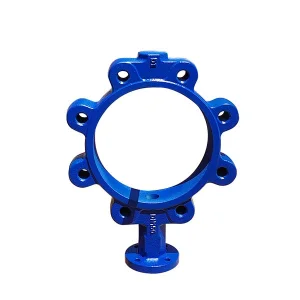
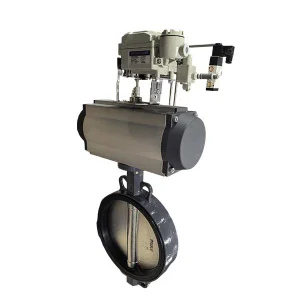
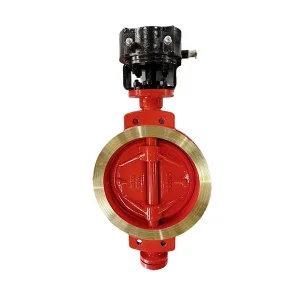
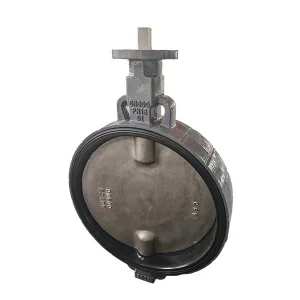
High-Performance Water Infrastructure Valves (Series II)
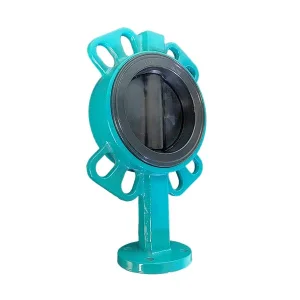
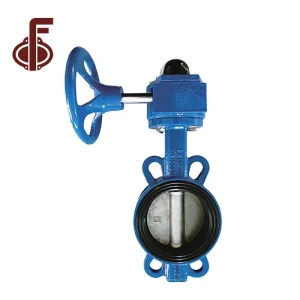
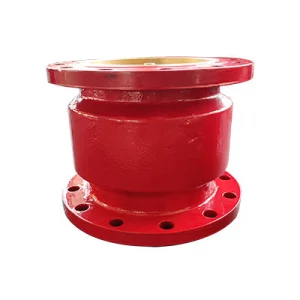
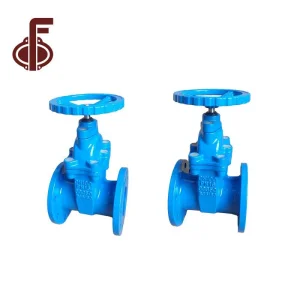
Engineered for industrial cooling circuits, large-diameter intake conduits, reverse osmosis plants, and silent pump discharge protection.
Frequently Asked Questions by Valve Procurement Engineers
In-depth technical answers to critical engineering, manufacturing, metallurgical, and certification queries regarding water gate valves.
What are the key technical differences between DIN 3352 F4 and F5 gate valves?
The primary engineering distinction between DIN 3352 F4 and DIN 3352 F5 resilient-seated gate valves lies in their face-to-face dimensions, standardized under EN 558-1 Series 14 (F4 short body) and Series 15 (F5 long body). For example, at DN100, an F4 valve has a face-to-face length of 190 mm, while an F5 valve measures 230 mm.
From an installation perspective, F4 valves are lighter and require less axial installation space, making them preferred for compact valve pits, pump skids, and urban pipeline retrofits. F5 valves provide a more gradual internal hydrodynamic transition between the flange neck and valve chamber, slightly reducing localized turbulence. They are frequently specified in municipal water networks across Germany, Austria, and Eastern Europe where existing pipeline layouts were originally built around older metal-seated gate valve lengths.
Why is Ductile Iron (GGG50) mandatory over Gray Cast Iron (GG25) in modern water gate valves?
Ductile Iron EN-GJS-500-7 (GGG50 / QT500-7) contains nodular or spheroidal graphite microstructures created by magnesium treatment, whereas Gray Cast Iron EN-GJL-250 (GG25) contains sharp flake graphite. Flake graphite creates internal stress concentrations, leaving gray cast iron brittle with virtually zero elongation (<0.5%) and low tensile strength (~250 MPa).
In contrast, GGG50 provides a minimum tensile strength of 500 MPa, a yield strength of 320 MPa, and an elongation capacity of 7% to 12%. This ductility is crucial for municipal water systems: It allows the valve body to absorb severe hydraulic transient shocks (water hammer), withstand uneven soil settlement, resist thermal expansion stresses, and survive external vehicular traffic loads without brittle wall fractures.
How does rubber vulcanization quality affect gate valve sealing life, and how is it tested?
The wedge core in a resilient seated gate valve is completely encapsulated with EPDM or NBR elastomer. If the chemical adhesion between the ductile iron core and the vulcanized rubber fails, water enters behind the liner under line pressure. This leads to internal iron oxidation, rubber blistering, and eventual wedge tearing, causing catastrophic seat leakage.
Export-grade Chinese factories employ shot-blasting to achieve Sa 2.5 surface cleanliness, followed by specialized silane-based bonding primers before high-pressure injection molding vulcanization. Quality validation is conducted according to ISO 813 / ASTM D429 (Rubber Property—Adhesion to Rigid Substrates), requiring peel strengths exceeding 8.8 N/mm, alongside cyclic endurance testing of 2,500 to 5,000 continuous full-differential closures without elastomer delamination.
What are the holiday testing and thickness standards for Fusion Bonded Epoxy (FBE) coatings?
Under international waterworks specifications (such as DIN 30677-2, EN 14901, and the German GSK Quality Assurance Association standards), the electrostatic powder epoxy coating must achieve a minimum Dry Film Thickness (DFT) of 250 μm, with typical high-spec projects requiring 300 μm nominal thickness across all internal and external cast surfaces.
Coating continuity is verified via high-voltage spark testing (holiday detection) per NACE SP0188. A voltage of 3,000 Volts (3.0 kV) is passed over 100% of the internal valve surface; any pinhole or void through the epoxy to the conductive cast iron creates an electrical spark and alarm, triggering immediate part rejection. Cross-hatch adhesion testing (ISO 2409 Class 0) and impact resistance tests (EN ISO 6272) are also conducted on test coupons from every production batch.
Can resilient seated gate valves be used for flow throttling, or are they strictly isolation devices?
Resilient seated gate valves are designed strictly for on/off line isolation and should not be used as continuous flow throttling or modulating valves. When a gate valve is held partially open (e.g., 10% to 30% stroke) under high differential pressure, high-velocity localized flow jets are directed against the bottom vulcanized edge of the wedge.
This flow configuration induces severe fluid vortex shedding, high-frequency wedge vibration, and localized cavitation. Over time, these conditions strip the vulcanized EPDM away from the ductile iron core, gall the internal stem guides, and cause seal failure. For precise flow throttling and pressure modulation, eccentric plug valves, plunger/needle valves, or double eccentric butterfly valves with specialized modulating actuators should be specified.
How does operating torque scale across sizes, and what formulas are used to calculate actuator sizing?
Operating torque ($T_{op}$) in a resilient seated gate valve is the sum of three primary resistance factors: Thread friction between the stem and stem nut, mechanical friction in the thrust bearings and elastomeric stem packing, and fluid hydrodynamic sliding friction of the wedge against its body guides under maximum differential line pressure ($\Delta P$).
Torque is calculated using the baseline formula: $$T = \left( \frac{F_a \times p}{2\pi \eta} \right) + T_{packing}$$ where $F_a$ represents total axial thrust (differential pressure load across wedge area plus mechanical seating compression), $p$ is the thread pitch, and $\eta$ is thread efficiency. For electric or pneumatic actuation sizing, Chinese valve engineers mandate a minimum safety margin of 1.3× to 1.5× above the calculated maximum seat seating torque to account for calcification, aging, and transient pressure spikes.
What documentation and Mill Test Certificates (MTC) are provided for export projects?
Comprehensive documentation dossiers accompany all export valve shipments. Standard documentation includes EN 10204 Type 3.1 inspection certificates detailing the optical emission spectrometer chemical composition (C, Si, Mn, P, S, Mg) and tensile/elongation mechanical test results from test bars cast with each ladle.
Additionally, third-party hydro test verification records (showing 1.5× shell and 1.1× seat hold times), coating DFT and spark test compliance logs, elastomer potable water certificates (WRAS, NSF/ANSI 61, or ACS), valve dimensional inspection reports, and CE Declaration of Conformity under Pressure Equipment Directive (PED 2014/68/EU) are supplied with full heat number traceability stamped onto the valve bonnet and body nameplates.
What are the lead times and container loading capacities for gate valve orders from Tianjin Port?
Standard production lead times for containerized gate valve orders (e.g., DN50 to DN300 in PN16 or Class 150) run between 25 and 35 calendar days from drawing and technical datasheet confirmation. Large-diameter valves (DN400 to DN1200) requiring custom pattern configurations or specialized electric actuators typically require 45 to 60 days.
Valves are secured on fumigated ISPM-15 plywood pallets or wooden crates with moisture-barrier wrapping and flange protective caps. A standard 20-foot GP ocean container accommodates approximately 21 to 24 metric tons of payload (e.g., ~450 units of DN100 gate valves or ~140 units of DN200 gate valves), shipping directly via Tianjin Xingang Port—one of Northern China's largest maritime logistics gateways.
