
High-Integrity Municipal & Industrial Transmission Series
Engineered for low head-loss, dynamic pressure sealing, and severe civil environment durability.
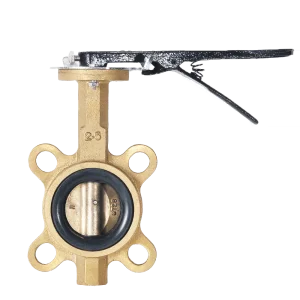
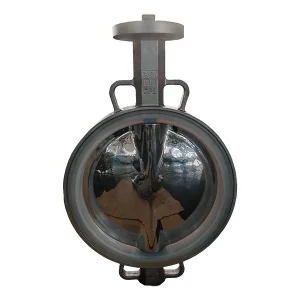
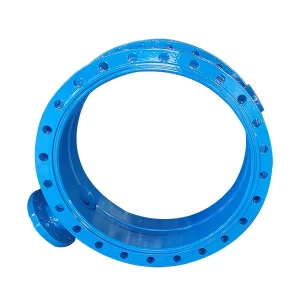
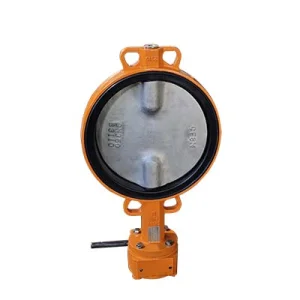
The Global Commercial & Industrial Landscape of Water Main Infrastructure
Analyzing civil vulnerability, Non-Revenue Water (NRW) pressures, and modern pipeline distribution architecture across tier-one utilities.
Civil Network Resilience
Global municipal distribution centers face aging pipeline infrastructure where pressure transients cause severe pipe bursts. Modern water main gate valves utilize resilient wedge designs encapsulated with vulcanized EPDM, delivering uninterrupted sealing even in high-silt raw water transmission networks.
NRW Reduction Imperative
Non-Revenue Water loss accounts for over 35% of purified drinking water globally. China valve manufacturers lead the supply curve by integrating precision-cast ductile iron (EN-GJS-500-7) bodies with straight-through, cavity-free bottom bores that eliminate sediment accumulation and fugitive leakage.
Industrial Process Off-Takes
Beyond municipal tap distribution, water main isolation controls cooling tower headers, deep-mine dewatering, desalination intake conduits, and thermal power loop recirculation lines where zero-head-loss full-bore operation directly lowers lifelong pumping kilowatt consumption.
Engineering Evaluation: Resilient Wedge vs. Metal Seated Gate Valves
A rigorous metallurgical and functional breakdown aiding civil consultants, water boards, and mechanical EPC estimators.
| Evaluation Parameter | Resilient Seated Gate Valve (Soft Seal) | Metal-to-Metal Seated Gate Valve | Double Offset Butterfly Valve (Alternative) |
|---|---|---|---|
| Primary Sealing Interface | EPDM/NBR vulcanized ductile iron wedge against epoxy coated body | Solid bronze or stainless steel rings pressed into wedge and body | Elastomeric or stainless ring on disc against 316 stainless body seat |
| Debris & Slurry Tolerance | Exceptional. Straight bottom waterway with zero seat pockets to trap dirt | Moderate. Sediment settling in bottom body groove prevents tight shut-off | High flow velocity clears disc, but abrasive slurry wears seat over time |
| Typical Standards Conformity | BS EN 1074-1/2, BS EN 1171, AWWA C509/C515, DIN 3352 | BS 5150, DIN 3352 Part 2, AWWA C500, ISO 5996 | EN 593, AWWA C504, ISO 10631, API 609 Category B |
| Standard Pressure Range | PN10, PN16, PN25 / Class 150 (up to 25 Bar hydro test) | PN10, PN16, PN25, PN40 / Class 125/250 | PN10, PN16, PN25, PN40 / Class 150/300 |
| Direct Burial Capability | High. Maintenance-free stem seals (O-rings) with extension spindle kits | Requires inspection pit access due to stuffing box gland maintenance | Requires gear enclosure pit and periodic seal inspection |
Localized Engineering Applications & Macro-Scale Water Solutions
Addressing soil movement, aggressive groundwater chemistry, seismic disruption, and high-volume urban transmission.
Potable Water Mains & District Metered Areas
For municipal clean water distribution networks, gate valves certified with WRAS/NSF-61 compliant fusion bonded epoxy (FBE) eliminate lead and heavy metal leaching. Their zero-resistance waterway guarantees clean water delivery without turbulence or bio-film buildup.
Arid Zone Desalination & Brine Transport
Across GCC and Middle Eastern transmission corridors, high soil salinity corrodes standard valve exterior casings. Manufacturers counter this by deploying zinc-aluminum sacrificial coatings over ductile iron, combined with 316 Stainless Steel valve stems and duplex check valves for extreme resilience.
Seismic & Sub-Zero Trench Systems
In high-latitude and earthquake-prone corridors across Eastern Europe and Northern Asia, rigid pipe connections fail. Flexible-joint gate valves paired with Non-Rising Stem (NRS) mechanisms and telescopic extension spindles maintain complete operation under dynamic earth loads.
Technology Roadmap: Smart Infrastructure & Advanced Metallurgy
Transitioning from mechanical line isolation to predictive, sensor-enabled digital water network valves.
IoT-Enabled Position & Torque Telemetry
Modern water networks require remote visibility. China manufacturers are embedding low-power NB-IoT and LoRaWAN smart transponders directly into the gearbox housing to log actual turns, stem torque trends, and micro-vibrations for early water hammer detection.
Nano-Composite Polymer Linings
Moving past standard electrostatic powder coatings, next-generation valves employ cross-linked thermal plastic powders with anti-microbial properties and ultra-high impact resistance, qualifying valves for abrasive raw water and aggressive marine applications without flaking.
Green Foundry & Carbon Neutral Casting
Modernized valve foundries operate electric induction melting paired with automated resin sand recycling. Full dimensional scanning through 3D laser metrology reduces raw cast excess weight by 12% while boosting structural burst pressure resistance under transient surges.
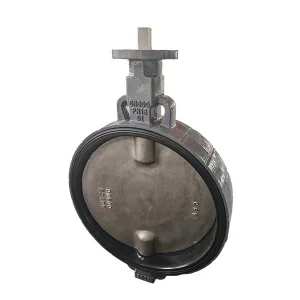
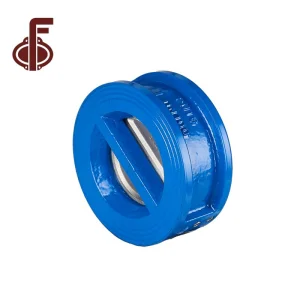
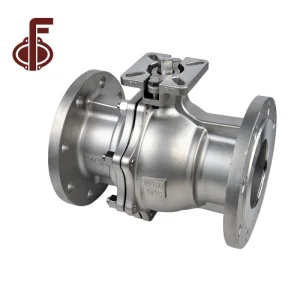
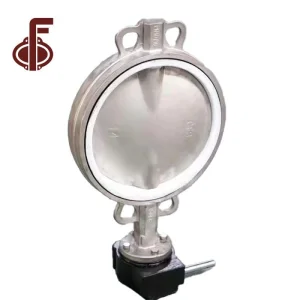
Severe-Service Flow Regulation & Non-Return Solutions
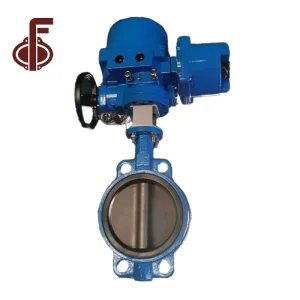
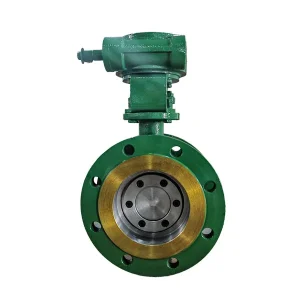
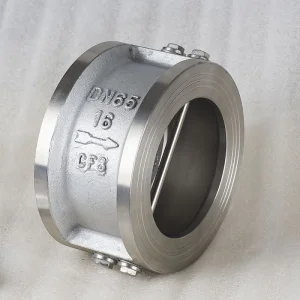
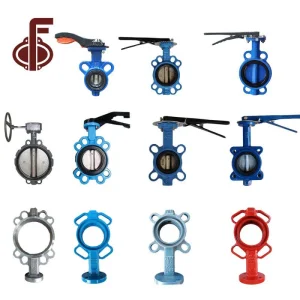
Comprehensive valve configurations designed to prevent hydraulic hammer, backflow, and excessive system pressure loss.
Water Main Isolation: Procurement & Operational FAQ
In-depth responses resolving engineering questions on torque limits, coatings, standards, and life-cycle durability.
